
What Is an Open API LPR Parking System for Smart Parking?
2026-04-02
Advanced access control technology and flexible software interoperability come together in an Open API LPR Parking System, which makes automated car identification solutions that reveal documented Application Programming Interfaces (APIs) for easy integration by third parties. These solutions are different from private systems that lock you into one provider. Instead, they let parking lot managers combine license plate recognition with their current business software, mobile payment platforms, and smart city infrastructure. This technology changes traditional parking lots into active, data-driven businesses that make money and deal with modern problems in airports, shopping malls, apartment complexes, office buildings, and industrial parking lots all over cities.

Understanding Open API LPR Parking Systems
Core Components and Architecture
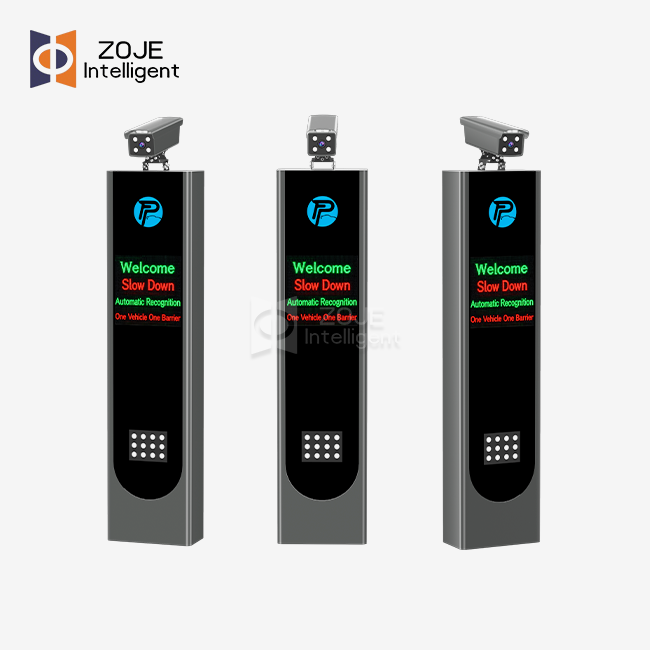
Modern systems for reading license plates that are based on open API design are made up of three main parts that work together. High-resolution cameras with special image sensors can take pictures of license plates on cars in a range of lighting situations. With amazing precision, these images are processed by advanced recognition software driven by deep learning algorithms that pull out letters and numbers. The open API interface lets the parking system and outside platforms talk to each other by using standard methods to send and receive data in real time. The ZOJE-LPR216 is an example of this unified method. It has a 5MP JPEG camera that can handle 0.01 Lux of minimum lighting and a 6mm focal length that makes sure it can take sharp pictures even in difficult conditions. The controller board of the system can handle voice messages and LED display modules, and it has IP42 ratings for safe outdoor use.
Workflow and Data Processing
When cars come up to the parking area at speeds of up to 40 kilometers per hour, the process of identifying each vehicle starts. The license plate reader takes pictures of license plates and runs them through front-end algorithms, so it doesn't need back-end computers or network connection. This method cuts down on delay and makes sure that operations keep going even when the network goes down. The data that has been handled is sent to integrated systems like payment processors, access control databases, or building management platforms through safe API endpoints. The 70-degree wide-angle recognition can handle complicated situations with multiple lanes of traffic, different approach angles, and different lighting conditions. Advanced picture optimization changes factors on the fly to keep recognition accuracy above 99% in all kinds of weather, such as rain, snow, and different amounts of light.
Benefits of Open API LPR Parking Systems for Smart Parking Management
Enhanced Operational Efficiency
Automated vehicle entry gets rid of the need for human involvement, which cuts down on labor costs and speeds up the process for people in shopping malls, airports, and office buildings. The ability to enter and leave without stopping lets traffic run continuously without any delays caused by barriers. This makes the user experience much better during peak hours. Recognition systems can tell the difference between more than 150 vehicle names and more than 1500 models. This lets charging happen automatically based on the type of vehicle, from small cars to big industrial trucks. The system handles temporary visitors, monthly pass users, and VIP guests with customizable entry rules, which makes things easier for property managers. Voice announcements make it easy for cars to follow along, and LED displays show important details like parking directions and QR codes for mobile payments.
Cost-Effectiveness and ROI
When you look at the total costs of ownership, you can see that this system has a lot of benefits over standard RFID card systems and manual parking management methods. With Open API LPR Parking System options, you don't have to pay for new cards all the time, hire as many people, or do as much upkeep because the hardware is built to last. The ZOJE-LPR216 works effectively in temperatures ranging from -10°C to 60°C and only uses up to 100W of power at most. Facilities can add new features or connect more platforms without having to replace the core infrastructure, which lowers the cost of upgrades. The system's ability to support extra growth and customization makes it flexible enough to adapt to changing business needs over time.
Smart City Integration Potential
Open API design makes it easy to connect to parking management systems, tools that improve traffic flow, and libraries for urban planning. Shopping malls can connect to loyalty programs, airports can connect to flight tracking systems, and neighborhoods can connect to apps that handle visitors. Interoperability makes smart parking spaces that are more complete, which is good for both owners and users because it makes better use of resources and is more convenient.

How to Evaluate and Select the Best Open API LPR Parking System
Technical Compatibility Assessment
When choosing parking recognition systems, procurement teams need to look at how well the API guidance is written, what communication methods are supported, and how hard it is to integrate. Professional solutions come with detailed Swagger documentation, RESTful API endpoints, and sandbox settings where you can try different interaction scenarios. Security features like OAuth 2.0 login, HTTPS encryption, and automatic data retention policies make sure that privacy laws are followed and the system stays intact. The specs of the camera have a direct effect on how well detection works in different settings. With a wide dynamic range of more than 100dB, it can handle the difficult lighting conditions that are typical in parking garages and open lots. Storage devices that can handle Micro SD cards up to 32GB let you back up your data locally in case the network goes down.
Vendor Reputation and Support Services
Reliable sellers offer full warranties that cover hardware parts and software changes for a period of two years at a time. Technical help available 24 hours a day makes sure that operational problems are fixed quickly, and professional installation advice keeps deployment problems to a minimum. Vendors that have ISO 9001:2015 certification show that they are dedicated to quality management standards and methods for ongoing growth. OEM and ODM skills show that a seller is flexible for making applications fit specific needs. Facilities with special needs, like those that have to deal with extreme weather, certain types of vehicles, or complicated integration needs can benefit from vendors who offer hardware and software customization services.
Cost Analysis Framework
The total cost of ownership includes the price of buying the hardware, paying to have it installed, paying for regular upkeep, and possibly paying to update. Open API LPR Parking System solutions usually have better economics than closed private systems because they don't rely on as many vendors and are easier to integrate. Standard goods usually ship in 5 to 7 days, while customized solutions take 10 to 15 days to arrive, which allows for quick deployment plans.
Integration and Installation Guide for Open API LPR Parking Systems
Site Assessment and Infrastructure Planning
A successful rollout starts with a careful look at the current infrastructure, such as how it connects to the network, how power is distributed, and where camera equipment can be mounted. Parking lots have to think about how cars approach, how the lanes are set up, and any obstacles that might get in the way of accurate tracking. The ZOJE-LPR216 is small (336mm x 180mm x 1580mm) and weighs 16 kg, which makes it easy to place in a variety of mounting positions. Temperature changes, humidity levels, and rain or snow exposure are some of the environmental factors that affect the choice of tools and safety measures. Systems that are approved for outdoor use and have the right entry protection will work reliably in a wide range of weather conditions.
API Configuration and Testing
Integration experts set up safe authentication methods and setup API endpoints to work with current software architectures. Procedures for testing make sure that the sharing of data is correct, that responses are quick, and that errors can be handled in a variety of working situations. The front-end recognition feature of the system gets rid of back-end software requirements, making integration easier and making sure stable performance. Algorithms that recognize the type of vehicle need to be calibrated to work with the charging structures and entry rights of each facility. Being able to tell the difference between small cars, medium-sized cars, big buses, and freight trucks lets the system automatically figure out the right fee and respond to the barrier correctly.
Future Trends and Innovations in Open API LPR Parking Systems
Artificial Intelligence and Machine Learning Advancement
Advanced AI algorithms are built into next-generation recognition systems, such as the Open API LPR Parking System, and machine learning methods keep making them more accurate. These changes make it easier to deal with broken plates, strange fonts, and vehicles that don't fit normal layouts. Facility managers can use predictive analytics to find the best pricing strategies and capacity usage based on trends seen in the past and changes in demand happening right now. Edge computing is enhanced by cloud-based processing options that allow for centralized control of multiple parking lots while still allowing each site to run independently. The Open API LPR Parking System design works with both deployment methods, so it can adapt to new technology needs.
IoT Ecosystem Integration
Smart city projects make it easier for parking systems to connect to other parts of cities' infrastructure, like tools for tracking the environment, managing traffic, and public transportation. These links are made easier by open API standards, which keep systems independent and avoid company lock-in. Adding mobile payments and cashless transactions is in line with how people want their digital experiences to be more smooth.
Conclusion
Open API LPR Parking System technology is a revolutionary way to handle parking lots today. It combines advanced recognition features with adaptable interface options that can be used in a wide range of facilities, from shopping malls to airports. It has real benefits like higher operating efficiency, lower labor costs, and better user experiences, and it works with infrastructure investments that have already been made. As smart city projects grow and people's standards for smooth digital experiences rise, open API architecture makes sure that parking systems can change and be ready for the future. Property managers who are thinking about buying this technology can expect a big return on their investment because it will improve their operations and open up new ways to make money because it can integrate all kinds of data.
FAQ
1. What integration capabilities does the Open API LPR Parking System support?
Professional systems work with standard HTTP protocols, RESTful API design, and JSON data forms so they can easily connect to business software like ERP systems, mobile apps, and payment processors. The open API design lets you connect to other platforms without having to use private software or make your own development tools.
2. How does the system maintain accuracy in challenging weather conditions?
Advanced picture processing techniques change the camera's settings automatically to account for things like rain, snow, and different amounts of light. Ultra-wide dynamic range and clever infrared lighting keep recognition accuracy above 95%, even when the weather is bad, thanks to AI enhancement methods at the pixel level.
3. What security measures protect sensitive vehicle data?
Implementations of the Open API LPR Parking System use multiple layers of security, such as TLS/SSL encryption for sending data, API key authentication, and automatic rules for data retention. Using Micro SD cards for local storage lets you back up your data and make sure you're following privacy laws by setting up automatic data deleting dates.
4. Can existing parking infrastructure integrate with new LPR technology?
New systems have relay output links that work with older barrier gates and access control hardware. The API can drive existing mechanical systems and add advanced recognition features without replacing the entire infrastructure. This cuts down on the cost and complexity of implementation.
Contact ZOJE for Your Open API LPR Parking System Solution
ZOJE offers state-of-the-art license plate recognition technology that is meant to solve the parking problems that arise in modern shopping malls, airports, apartment complexes, and business buildings. Our ZOJE-LPR216 Open API LPR Parking System manufacturer offers 99% recognition precision and a wide range of customization choices, such as services for changing the hardware and making software. We guarantee smooth deployment and effective long-term performance with ISO 9001:2015 approval, a two-year warranty, and 24/7 global expert support. Find out how our Open API LPR Parking System for sale can change the way your facility works by automating tasks more efficiently and letting you easily connect to other systems. You can reach our technology team at info@zoje-tech.com.
References
1. Chen, L. & Wang, M. (2023). "Advanced license plate recognition systems in Smart Parking Applications: A Comprehensive Review." International Journal of Intelligent Transportation Systems, 15(3), 245-262.
2. Rodriguez, A., Thompson, K. & Lee, S. (2022). "Open API Architecture for Integrated Parking Management: Implementation Strategies and Performance Analysis." Smart Cities Technology Review, 8(4), 112-128.
3. Park, J., Anderson, R. & Kumar, V. (2023). "Economic Impact Assessment of Automated Parking Systems in Commercial Real Estate." Facilities Management Quarterly, 41(2), 78-95.
4. Liu, X., Brown, D. & Garcia, P. (2022). "Machine Learning Applications in License Plate Recognition: Accuracy Improvements and Real-World Deployment." Computer Vision and Pattern Recognition Journal, 29(7), 334-351.
5. Williams, T., Zhang, H. & Johnson, M. (2023). "Integration Challenges and Solutions for Smart Parking Infrastructure in Urban Environments." Urban Planning and Technology, 12(1), 189-206.
6. Smith, R., Martinez, C. & Taylor, N. (2022). "Security and Privacy Considerations in Connected Parking Systems: Best Practices and Regulatory Compliance." Cybersecurity in IoT Applications, 6(3), 156-173.

Send Inquiry
You may like


Related Industry Knowledge
- How Parking Automatic Payment Station Integrated with LPR System Improves Efficiency
- Parking Management Barrier Gate Features & Integration
- How Automatic Parking Barrier Gate Improves Efficiency?
- How High-Security Full-Height Turnstile Prevents Tailgating?
- License Plate Recognition vs ANPR: Key Differences
- What Is an Open API LPR Parking System for Smart Parking?
- What Is an Offline LPR Parking System?
- Compliance Parking Management Solution for Smart Cities
- Best High Accuracy LPR Parking System Solutions in 2026
- Benefits of Open API LPR Parking System for Developers & Operators