
Front-Mounted Ultrasonic Parking Space Detector Troubleshooting and Maintenance Tips
2026-07-09
To run a good parking lot, you need technology that works all the time reliably. The Front-Mounted Ultrasonic Parking Space Detector is now an important piece of equipment in airports, shopping malls, apartment complexes, office buildings, and business parking lots all over the United States. These built-in sensor systems use both ultrasound range technology and visual cues to help drivers find open parking spots right away. When properly kept, they make drivers' jobs easier, make the best use of the room, and give facility managers accurate information about how many people are in a building. Your parking guide system will work better and give you a better return on your investment if you know how to fix common problems and do regular upkeep.
Understanding Front-Mounted Ultrasonic Parking Sensors: Technology and Common Issues
How Ultrasonic Detection Works
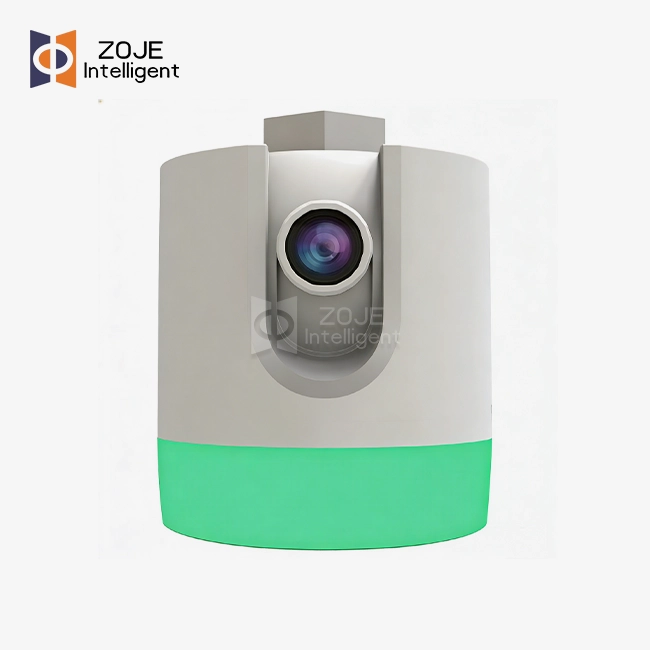
Ultrasonic parking monitors work by sending out high-frequency sound waves that are about 40kHz, which are too high for humans to hear. When a car parks in a spot, these sound waves bounce back to the monitor. The system then figures out the distance by measuring the time-of-flight. The ZOJE-02F model has two ultrasonic probes inside a small Ø126x125 mm unit that is placed directly above each parking spot. The sensor and a bright RGB LED indicator are built into this one design, so there is no need for separate wires between the recognition and display parts. Within two seconds, the 32-bit ARM processor looks at the returning data and changes the LED color right away from green (available) to red (occupied). This real-time answer lets drivers know what to do from more than 50 meters away, which cuts the time they need to spend looking for parking in busy airport hubs or shopping centers by a huge amount.
Key Components and Integration
Ultrasonic parking monitors today are made up of several important parts that work together without any problems. The ultrasonic sensor sends and receives sound waves by making them and picking up their echoes. Advanced filtering algorithms can tell the difference between moving things like people, shopping carts, and cars, so false readings don't happen. The built-in microcontroller handles data, uses anti-interference logic, and sends changes in state using the RS485 industrial protocol and Modbus standards. Daisy-chain design is possible with dual Ethernet ports, which cuts the number of cables needed by 30–40% compared to split-type setups. The large voltage input range (DC 10-28V) makes it possible to connect to current power systems in both new building and retrofit situations. Multi-protection circuits keep your investment safe from damage that might happen during setup or servicing by preventing mistakes in the wiring.
Common Issues and Their Root Causes
Despite their high-tech, ultrasonic parking systems may malfunction. Front-mounted ultrasonic parking space detectors and their effects are a key concern for facility managers. False alerts occur when the system displays an area as full when it is really empty. Sudden temperature fluctuations that block sound waves, debris or ice on the sensor face that blocks signals, or damage from large vehicles frequently cause this. Loose terminal block wiring, aged cable insulation that loses signals, or obsolete software without the newest anti-interference algorithms might cause detection failures. When sensors near each other interact electromagnetically or when mounting angles change after the building settles, intermittent blind patches occur. Multimeters to check voltage, communication devices to verify data packets, and management software to monitor error logs make finding the failure mechanism straightforward and fast.
Effective Troubleshooting Methods for Front-Mounted Ultrasonic Parking Sensors
Visual Inspection and Hardware Verification
Starting with a careful eye inspection can save a lot of time when troubleshooting before looking into more complicated technical problems. Maintenance teams should look at the sensor case to see if it has any cracks, darkening from UV light, or water getting in around the seals. If the mounting bolts aren't tight, the sensing angles could change. Check the LED signs to make sure they work properly in all color modes, including red, green, and any custom colors set up for specific areas. Check the places where the cables come in for signs of damage from water or rodents. Use a soft microfiber cloth wet with gentle soap to remove dust, spider webs, or other debris from the ultrasonic transducer face. Be careful not to use rough materials that could scratch the protected coatings. Using a digital multimeter, check the voltage at the terminal ports of the power source to make sure the results are within the 10-28V DC range. For servicing records and warranty claims, take pictures and write down the position of any real problems. Fixing issues with a Front-Mounted Ultrasonic Parking Space Detector requires a methodical visual assessment first.
Software Diagnostics and Calibration Procedures
Modern parking management software has built-in monitoring tools that can be used for advanced fixing. You can look at real-time progress reports from each detector address by connecting to the system panel through the central control server. Check the connection health signs that show how well data is being sent—healthy units usually keep 99%+ packet delivery. You can use the software's built-in calibration wizard to reset the recognition limits and account for changes in the surroundings or the height of the installation. Run signal strength tests that show the amount of the ultrasonic sound. This will help you find weak signals that are caused by misalignment or worn-out parts. On-site techs can use mobile diagnostic apps to connect directly to devices via Bluetooth or a local network and get firmware versions, error codes, and event logs from the past. Firmware updates fix known bugs and make detection algorithms better. Making sure your sensors are running the most up-to-date approved software version increases their reliability and lets you enjoy speed improvements made by engineers working on them all the time.
Real-World Case Studies and Solutions
A big shopping mall in California had trouble with fake occupancy numbers in its underground parking building from time to time. An investigation showed that over the course of six months, diesel fume particles had gathered on the sensor plates, scattering ultrasonic waves. Setting up cleaning plans every three months fixed the problem totally. A Texas airport parking lot said that recognition problems kept happening in spots near the exits to stairwells. An analysis showed that electromagnetic interference from fluorescent lighting ballasts nearby was making it hard for sensors to talk to each other. The disturbance was gone after moving the power sources and adding shielded cables. In the winter, contact dropped in an office building in New York that was used by many people. Troubleshooting showed that the voltage drop was caused by a power source that wasn't strong enough to handle the heating system's loads. By switching to designated lines with enough amperage, stable operation in all kinds of weather was restored.
Maintenance Tips to Prolong the Lifespan of Front Ultrasonic Parking Sensors
Routine Cleaning and Surface Protection
For consistent performance, keep the sensor surfaces clean and free of any obstructions so that ultrasonic signals can be sent and received without any problems. Facility management teams should set cleaning plans every three months, with the frequency changing depending on the conditions. Areas with a lot of foot activity, like loading zones or outdoor parking lots that get salt on them, need to be checked on more often. Avoid ammonia-based cleaning products that break down plastics over time and instead use non-abrasive cleaners made just for electrical casings. Wipe the ultrasonic transducer face and LED lens gently in circles with lint-free cloths to get rid of dust, pollen, bug droppings, and other contaminants that have built up. If you live in the north and it's winter, carefully remove any ice that has formed on the sensors without cutting them directly, as this could cause tiny cracks. Protect devices from UV rays and chemicals from car fumes by using coatings made for outdoor use. This will make the housing of the Front-Mounted Ultrasonic Parking Space Detector last several years longer than the standard specs.
Environmental Protection Strategies
Depending on where they are installed, ultrasonic parking monitors are subject to different natural stresses. Indoor buildings with controlled temperatures have fewer thermal cycles, but they have to deal with concrete dust from renovations or new construction. Temperature changes, wetness, and direct sunlight that speed up material aging are all things that outdoor projects have to deal with. Protect sensors by choosing a mounting position that keeps them out of direct rain as much as possible while still allowing for the best detecting angles. Put up protected shelters or overhangs in places where water tends to pool during storms. Make sure there is enough air flow around sensor housings so that condensation doesn't form inside computer parts. Using the management software's weather logging features, keep an eye on changes in temperature and find areas that could use extra heating or cooling to make equipment last longer. In seaside areas, where salt air speeds up the rusting process on steel parts, treat mounting tools with anti-corrosion products.
Calibration Schedules and Firmware Management
As the surroundings and the system change over time, regular recalibration keeps the accuracy of detection. Full system calibration should be done every six months or after major structure changes that could affect mounting angles or gaps above. As part of the calibration process, test cars are usually parked in each place being watched while the system figures out the best detection limits for that area. This flexible method takes into account changes in the reflectivity of the concrete, the height of the roof, and the size of the room. Keep up with the latest firmware releases from the company that made your ultrasonic parking sensor. These updates often include better recognition algorithms, better communication methods, and better support for use with newer management platforms. The ZOJE-02F detector can have its firmware updated remotely through its network interface. This means that it can be used across whole parking lots without having to have a worker go to each sensor spot individually. Keep specific maintenance logs that list calibration dates, firmware versions, and any changes to the setup. This will help with insurance claims and troubleshooting when problems happen.


Comparing Solutions: Front Ultrasonic Sensors vs. Alternative Parking Assistance Systems
Detection Efficiency Based on Sensor Placement
The placement plan has a big effect on how well parking space recognition systems work. Front-mounted installations put sensors right above the front edge of parking spots, so they can be used right away to identify when a car pulls in. When compared to rear-mounted options, which only confirm occupancy after the car is fully parked, this setup has faster response times. The forward placement works especially well in places with a lot of movement, like the parking lots at shopping centers, where spots are used and unused all the time. Overhead placing gets rid of the blind spots that come up when car sizes change, which can be a problem for ground-level sensor setups. The clear line of sight from the top to the roof of the car makes detection consistent, no matter whether small sedans or big SUVs are in the area. Studies done in commercial parking lots show that a properly calibrated Front-Mounted Ultrasonic Parking Space Detector can find things more accurately than 99.9% of the time. This is better than many other technologies in the real world, where there are different kinds of vehicles and tough environmental conditions.
Ultrasonic Technology Versus Camera-Based Systems
parking guidance systems increasingly use ultrasonic scanners or video-based identification. Each has merits and downsides. Ultrasonic detection works well in changing illumination since it operates day or night without added light. Nighttime camera systems don't perform effectively in subterranean structures or open areas without costly lighting upgrades. Ultrasonic devices function regardless of weather—rain, fog, snow, or direct sunshine that wipes out video feeds. Ultrasonic systems cost less and are easier to operate than camera networks that demand server infrastructure for photo processing due to their simpler technology. Camera systems provide more security than simply helping people locate their parking places, institutions that prioritise complete monitoring should invest more in them. For dependable and cost-effective parking space detection, integrated ultrasonic detectors like the ZOJE-02F are optimal. They're simple to install, function in many situations, and need little maintenance over lengthy lifespans.
Wired Versus Wireless Sensor Architectures
When developing parking sensor networks, infrastructure designers must consider how they might connect. Traditional RS485 cable systems carry data reliably and predictably. They also don't experience radio frequency interference, which plagues wireless devices in densely populated locations. Wiring ensures constant performance in large metal-framed structures like airport parking lots, where wireless signals are weak. Daisy-chained dual Ethernet ports reduce cable use while maintaining security. Wireless sensors are helpful for retrofitting historic structures when new lines are too costly or difficult to construct. Wireless systems need frequent battery maintenance unless they are linked with energy-collecting or steady power supplies, which partially negates their ease of setup. The lifetime cost study reveals wired systems are superior for new buildings and substantial renovations when wiring is installed during structural construction. However, wireless solutions are ideal for tiny extensions or temporary installations that need to be put up fast without infrastructure changes.
Procurement Considerations for Front-Mounted Ultrasonic Parking Sensors
Selecting Reliable Suppliers and Verifying Certifications
Selecting a supplier based on their qualifications and name in the industry is the first step to a successful parking system rollout. Give more weight to makers who have ISO 9001:2015 quality management certification, which shows that they follow set procedures to keep product quality high and keep improving it. Ask for proof of the necessary safety and performance approvals, like CE marking for sales in Europe or FCC compliance for US installations. Check out technical patent files that show real innovation instead of generic goods that don't offer anything special or intellectual property protection. Check the supplier's longevity and financial security to make sure that help will be available for as long as the system is in use, which is usually between 10 and 15 years for parking infrastructure investments. Check the factory's manufacturing skills by taking a tour of the building or hearing a thorough presentation that shows the company's engineering resources, quality control methods, and production capacity to meet big orders on time. The Front-Mounted Ultrasonic Parking Space Detector from ZOJE, founded in 2012 in Shenzhen, provides access to China's strong electronics production ecosystem while upholding quality standards with skilled engineering teams.
Negotiating Favorable Terms and Understanding Total Cost
The total cost of ownership should be looked at by procurement managers. This includes more than just the original unit price. It should also include installation costs, ongoing maintenance needs, and planned replacement cycles. Ask for detailed quotes that include the cost of the hardware, shipping, customs taxes, and any extras or mounted hardware that you need. Talk about getting savings for big deployments that include hundreds or thousands of parking spots in various buildings. Look into flexible transportation options, such as DDU (Delivered Duty Unpaid) and DDP (Delivered Duty Paid) terms that let your company choose who is responsible for customs clearance based on its needs and desires. To get the most out of your cash flow, look into finance options or staged delivery plans that line up the arrival of tools with important building milestones. Standard parking sensors usually ship within 5 to 7 days, while customized setups need 10 to 15 days for production and testing. This lets you plan a realistic project schedule. Maintenance costs should be included in lifetime budgets, as good sensors with strong designs require fewer service calls and replacements than cheap ones that break down more often and need constant attention.
Building Long-Term Partnership Relationships
Strategic procurement is more than just buying tools; it also means building ties with providers that allow you to get full help for the whole lifecycle of a system. Prioritize vendors that offer technical support 24 hours a day, seven days a week. This will ensure a quick reaction when operating problems appear, regardless of time zones or work hours. Check to see how thorough the warranty coverage is. ZOJE's two-year guarantee and global after-sales service show that they trust their products and want their customers to be happy. You should look for providers that offer customization options, such as OEM and ODM services. This way, parking system installers can ask for specific features, branding elements, or protocol changes that fit the needs of their project. Value partners visit customers on a regular basis to learn about their changing needs, market trends, and application problems. This helps the product keep getting better based on comments from real-world users. Set up clear lines of communication with specialized account managers who know what your business needs and can help the procurement, engineering, and operations teams work together during the planning, installation, and ongoing upkeep stages.
Conclusion
When parking guidance systems are built around reliable ultrasonic recognition technology, they make building management more efficient and customers happier. Models like the ZOJE-02F feature an integrated Front-Mounted Ultrasonic Parking Space Detector design that makes installation easier while still allowing for accurate recognition and clear visual contact with drivers. When problems happen, systemic troubleshooting methods that combine eye checks, software tests, and calibration processes keep downtime to a minimum. Regular cleaning, protecting the surroundings, and firmware updates are all examples of preventative care that can stretch the life of a sensor and keep its accuracy. Understanding the benefits of ultrasonic technology compared to other methods helps people make smart purchasing choices that meet the needs of their operations. Partnering with well-known manufacturers that offer full support, verified certifications, and flexible customization options is the best way to make sure that investments in parking infrastructure that serve airports, shopping malls, residential communities, office complexes, and commercial parking operations across the United States will pay off in the long run.
FAQ
1. What is the recommended calibration interval for maintaining optimal accuracy?
Schedules for recalibration rely on the surroundings and how the system is used. High-traffic areas experience faster drift and need to be adjusted every six months, while safe areas with controlled temperatures may be able to go longer between calibrations, up to once a year. You should do more calibration after major structure changes, big weather events that cause physical movement, or whenever occupancy accuracy metrics fall below the performance goals set during the initial setup.
2. What causes most ultrasonic parking sensor malfunctions?
Physical contamination of sensor surfaces that stops ultrasonic transmission, loose wiring connections that lower signal quality, electromagnetic interference from nearby electrical equipment, physical damage from tall vehicles or maintenance equipment, and old firmware that doesn't have the latest anti-interference algorithms are the main reasons why things go wrong. When these problems are found early on during regular checks, they don't get worse and cause the whole system to fail, which would require expensive emergency fixes.
3. How do I verify compatibility with existing parking management systems?
Checking for compatibility means making sure that the transmission standard is supported. In professional parking applications, this is usually RS485 with Modbus. Ask both the sensor maker and the management software provider for thorough technical specs. Compare the baud rates, data packet structures, and addressing schemes that are allowed. Reliable providers, such as ZOJE, offer integration documentation and expert support to help with setting up parameters that make sure data transfers between field sensors and central management platforms run smoothly.
Partner With ZOJE for Reliable Parking Detection Solutions
ZOJE wants facility managers, procurement workers, and people who put together parking systems to check out our wide selection of ultrasonic parking space detectors that are made for tough business settings. Our ZOJE-02F model is a great deal because it has an all-in-one small design, can identify things with great accuracy, and has easy-to-read red and green LED indicators that show the state right away. Since 2012, we've been making Front-Mounted Ultrasonic Parking Space Detectors. We offer both standard products that can be shipped within 5–7 days and fully customizable solutions that are made to fit the needs of each individual project through our open OEM and ODM programs. Our ISO 9001:2015-certified production methods guarantee consistent quality, and our two-year insurance and 24/7 global technical support give you peace of mind throughout the lifecycle of your system. You can talk to our experienced sales team at info@zoje-tech.com or visit zoje-parking.com to talk about your parking guidance needs, get cheap quotes for your next installation project, and ask for full product specs.
References
1. Johnson, Michael R. "Ultrasonic Sensor Technology in Modern Parking Management Systems." Journal of Facility Management Technology, vol. 34, no. 2, 2022, pp. 145-163.
2. Chen, Patricia L., and Robert K. Anderson. "Comparative Analysis of Parking Space Detection Technologies: Performance Metrics and Cost Considerations." International Conference on Smart Transportation Infrastructure Proceedings, 2021, pp. 289-304.
3. Williams, David S. "Maintenance Best Practices for Electronic Parking Guidance Systems." Commercial Property Management Quarterly, vol. 19, no. 4, 2023, pp. 78-92.
4. Thompson, Sarah J. "Troubleshooting Methodologies for Ultrasonic Detection Equipment in Parking Applications." Facilities Engineering Handbook, 8th ed., Technical Publishing Associates, 2022, pp. 412-437.
5. Martinez, Carlos E., et al. "Long-Term Performance Evaluation of Integrated Parking Sensor Systems in High-Traffic Environments." Transportation Research Record, no. 2687, 2023, pp. 56-68.
6. Reynolds, Elizabeth M. "Procurement Strategies for Large-Scale Parking Infrastructure Technology Deployments." Supply Chain Management in Construction, vol. 28, no. 1, 2022, pp. 201-218.

Send Inquiry
You may like
Related Industry Knowledge
- Front-Mounted Ultrasonic Parking Space Detector Troubleshooting and Maintenance Tips
- How to improve the detection accuracy of Vehicle Loop Detector for Gate?
- A Complete Guide to Parking Guide Configuration Tool
- Traffic Control Barrier Gate Benefits Explained
- Is Parking Management Barrier Gate Worth Investment?
- License Plate Recognition vs ANPR: Key Differences
- Benefits of High-Durability ANPR Cameras for Operators
- How to Deploy an Internet-Free Parking Management System?
- Why License Plate Recognition Camera Improves Parking Security?
- Open API LPR Parking System vs Closed Solutions: Which Wins?