
Parking Space Detection: Sensors vs Camera
2026-07-22
Camera- or sensor-based parking identification depends on accuracy, scalability, and usability. Ultrasonic or magnetic sensors detect autos only in certain locations. Video-based parking space detectors use computer vision and AI to monitor many places at once, providing better coverage, license plate identification, and visual confirmation. Complex, high-traffic sectors like airports and malls have more accurate cameras. They outperform sensors with real-time data and advanced analytics. Video monitoring enhances security in multi-car or built-in parking lots.
Understanding Parking Space Detection Technologies
Modern parking lot driving optimisation demands smart technology. Photo and sensor detectors rule. Know how each operates helps facility managers purchase within budget and operational objectives.
How Sensor-Based Systems Work
Physical sensors monitor parking. Ultrasonic sensors detect autos via sound wave bounces. Ground sensors show metal automobiles may alter Earth's magnetic field. Radar sensors detect nearby objects using electromagnetic waves. Wire- or wireless-connected sensors monitor parking spaces and report occupancy to a central management system. Sensors operate well in controlled surroundings, although temperature and metal debris may affect them.
How Video Detection Systems Operate
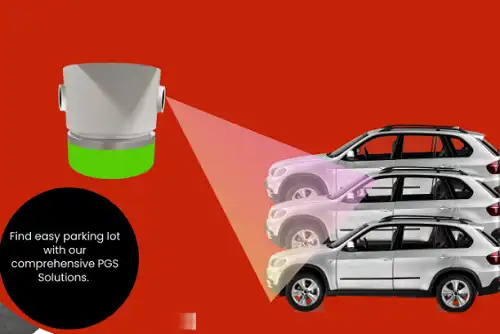
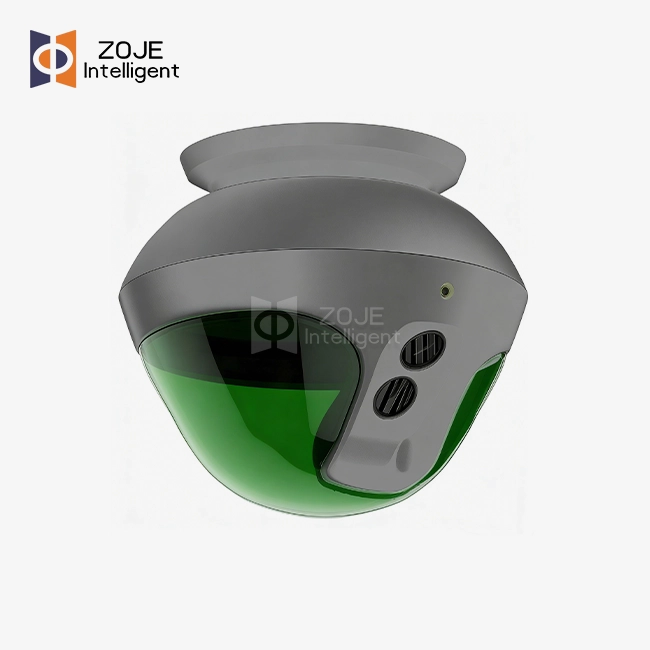
Camera-based parking identification increases technology. Video-Based Parking Space Detectors use high-resolution cameras and image processing to monitor parking lots. Live footage is processed using convolutional neural networks to detect many occupied camera fields. Systems go beyond occupancy. Plate readers improve security, payment verification, and "Find My Car". Fast data transport syncs servers throughout the facility, and a 32-bit ARM CPU provides industrial dependability.
Integration with AI and Machine Learning
AI improves video detection. Adjusting for automobile type, angle, light, and parking settings, machine learning algorithms detect individuals. This adaptability overcomes shadows, overlapping cars, and odd parking patterns that standard sensors struggle with. Dynamic pricing, predictive maintenance scheduling, and occupancy trends utilising parking data may boost revenues and resource efficiency using AI.
Sensors vs Camera: Core Differences and Performance Comparison
Consider key performance factors to get the best parking detector. Depending on building demands, environment, and aims, each approach offers benefits.
Accuracy and Reliability Considerations
Video always works in stressful situations. Our video detection accuracy is 98% in low light and severe weather with reaction times under three seconds. Systems use anti-interference certified components from -20°C to 60°C. Indoor sensors work well, however ambient influences, metal items in detecting zones, and sensor drift may create misleading readings.
Installation Complexity and Infrastructure Requirements
Technology installation methods vary. Ultrasonic and magnetic sensors probe the ground. Monitoring several sites needs costly cabling or wireless network equipment. Plug-and-play cameras simplify setup. Configure the device to monitor six parking places. The software-controlled status light displays room occupancy without hardware. As building demands change, the system may increase.
Maintenance and Operational Costs
Ownership costs more to maintain. Wireless sensors need battery replacement, automobile or weather damage repairs, and accuracy checks. Cameras like Video-Based Parking Space Detectors wirelessly update software and settings, saving maintenance. Dual Ethernet lines complicate networks. Fixing and halting is quicker. 24/7 tech support resolves problems quickly and maintains facility uptime.
Scalability and Data Management Capabilities
Multi-location firms benefit from video detection. Site monitors need more devices than coverage. Built-in video capture allows central control rooms monitor the whole facility in real time, improving staff and customer service. Automatic awards, frequent parker incentives, and security risk databases are possible with license plate recognition. These data management features make cameras strategic assets, not tools. Their data aids business choices beyond space surveillance.
Choosing the Best Parking Detection System for Your Needs
The best performance and return on investment are achieved by matching parking recognition technology to the needs of the building. Different environments have their own problems that make certain detection methods more effective.
Shopping Malls and Retail Facilities
Malls prioritise customer service and space turnover in busy season. Drivers notice space with colour-coded LEDs, making video detection systems effective. Our seven-color LED signalling system reduces search time and traffic. Scanners and kiosks provide "Reverse Vehicle Search". This avoids major parking lot vehicle loss. This feature boosts company revenue and return visitors.
Airport and Transportation Hub Applications
Airports must secure and accommodate many travellers. The Video-Based Parking Space Detector addresses both needs. Motion triggers video. Preventing theft and vandalism aids police investigations. Airport officials may promptly lead customers to parking using real-time monitoring, reducing circular car emissions. Payment system integration may save time and money without human intervention. Staff may prioritise customers.
Office Buildings and Residential Communities
Residences and offices need access control and reserved area management. VR cameras, VIP/resident barriers. The system alerts security when illicit automobiles park. The license plate database can detect legitimate, tourist, and illegal cars without obstacles. Parking availability, peak demand, and compliance are verified by property management. Data-driven pricing and location assignment are possible.
Vendor Evaluation Criteria
Excellent surveillance technology and a reliable technological partner are required. Suppliers should have ISO 9001:2015 certification to verify quality management systems, adequate technical documentation to explain how their solutions will work with your infrastructure, and friendly customer service throughout setup and operation. Worldwide support and a 2-year guarantee safeguard your investment. Custom OEM/ODM help facilities fulfil demands.
Implementing Video-Based Parking Detection Systems – A Step-by-Step Guide
Camera detection requires planning and execution. Structured applications decrease risks and boost value.
Conducting Site Assessment and Planning
Site inspections should include lighting, parking spot sizes and layouts, network connection, and parking management software integration. In tiny turning circles, indoor-outdoor tunnels, and bending segments, camera setups are tricky. Finding power and data connections, pick Power over Ethernet or another power transfer technique. It defines realistic timelines, budgets, and hurdles before purchasing equipment.
Strategic Camera Placement and Network Configuration
Position cameras to balance coverage and finding for a Video-Based Parking Space Detector. To avoid blocking monitored areas, install units. Installation without tools is optimised by lens tilt. Daisy-chaining cheaper than PTP. Two network failover RJ45 ports function. Big facility device upgrades are easier with remote parameter setting.
Calibration and Performance Testing
Live identification calibration follows installation. Set camera-visible parking place limits. Trial detection in different automobile sizes, parking angles, lighting, and weather. Ensure the license plate scanner works with local plates and mounting. Display occupancy status colours to drivers. Calculate baseline performance for system optimisation when user behaviour changes.
Ongoing Monitoring and Optimization
Recognition accuracy, data transfer reliability, input monitoring, system uptime. Monitoring system performance. Machine learning predicts parking accidents with additional events. Software upgrades may be done remotely securely. For fast fixes and installation lessons, contact technical support.
Future Trends and Innovations in Parking Space Detection
The parking detection business is still changing very quickly, thanks to progress in AI, IoT connection, and smart city projects. Procurement experts can make investment choices that will pay off in the future by keeping up with new trends.
Advanced Machine Learning and Predictive Analytics
Strong neural networks in video surveillance systems can distinguish cars, recognise odd parking behaviours, and estimate parking space availability based on past data. Predictive analytics can alter prices in real time to optimise peak revenue and promote cheaper off-peak usage by predicting high demand. Slow traffic and unclear signage may be identified using behavioural analytics to enhance building layout and customer satisfaction.
Smart City and IoT Integration
Smart city networks recognise parking through systems like the Video-Based Parking Space Detector. Parking and traffic control routes decrease city traffic. Air quality sensors and parking data reduce search time pollution. Navigation applications and urban planners get anonymised parking data from open data. Environmental transportation planning and infrastructure spending are encouraged.
Market Outlook and Technology Adoption Trends
A 2026 industry analysis indicated falling hardware costs, growing AI, and rising customer safety needs. Video detection accelerates. To retain renters, commercial real estate developers standardise camera systems. Improved municipal parking lots employ video instead of sensors. Video reduces ownership costs and improves policy data. Scale and market momentum reduce prices and increase innovation.
Conclusion
Video-based parking space detection systems outperform sensors for most business use. Traditional sensors are less precise, scalable, and data-rich than cameras. Especially at airports, malls, office buildings, and large commercial lots. Despite their higher initial cost, video detection systems have lower total ownership costs because to their cheaper maintenance, simplicity of setup, and adaptability. Parking detection becomes a strategic asset with actionable data using license plate recognition, security features, and AI-driven analytics. Consider video-based solutions for customer experience, operational efficiency, and future-ready infrastructure.
FAQ
1. How does video detection perform in low-light parking garages?
Professional Video-Based Parking Space Detector systems can scan license plates in low-light conditions thanks to high-tech sensors with a Wide Dynamic Range and low-lux sensitivity. Specialised image processing algorithms operate around subterranean garage lighting circumstances, thus the system always performs well regardless of illumination.
2. Can a single camera unit monitor multiple parking spaces effectively?
Yes, frequent cameras monitor two or three neighbouring parking places. Specialised dual-lens sets can monitor six places over two lanes. This flexibility to function in several locations reduces hardware costs compared to employing individual sensors. Despite costing more per unit, camera systems are cheaper for large-scale operations.
3. What happens to the system during network outages?
Good video detection systems feature local storage or edge caching and function offline. Even if the network goes down, the units can analyse occupancy status and update the built-in LED indications locally, maintaining driver guidance. No data is lost during brief outages since data syncs instantaneously when connectivity is restored.
Partner with ZOJE for Superior Parking Detection Solutions
Video-based parking detection systems from ZOJE Intelligent Technology operate effectively in challenging commercial environments. We've led the Video-Based Parking Space Detector business for over 12 years, so we understand shopping mall, airport, office building, and commercial parking operator issues. Our ISO 9001:2015-certified production assures quality, and our OEM and ODM relationships allow us to make project-specific improvements. Standard items ship in 5–7 days, and bespoke designs around 10–15. DDU and DDP transportation agreements allow this. Our engineering team is available 24 hours a day, seven days a week to help with any technical issues that may come up with any installation. Get in touch with our experts at info@zoje-tech.com to talk about your facility's needs and get a custom solution estimate.
References
1. Chen, M., & Chang, T. (2023). Comparative Analysis of Parking Guidance Technologies: Sensors Versus Computer Vision Systems. Journal of Intelligent Transportation Systems, 27(4), 445-462.
2. International Parking Institute. (2024). Emerging Technologies in Parking Management: Industry Survey and Best Practices. International Parking Institute Annual Report.
3. Liu, Y., Wang, S., & Zhang, H. (2023). Deep Learning Applications in Smart Parking: A Comprehensive Review. IEEE Transactions on Intelligent Transportation Systems, 24(8), 8834-8851.
4. National Parking Association. (2024). Cost-Benefit Analysis of Parking Detection Technologies for Commercial Facilities. NPA Research Foundation White Paper Series.
5. Rahman, A., & Patel, K. (2023). IoT Integration in Urban Parking Systems: Architecture and Implementation Strategies. Smart Cities Journal, 6(2), 789-808.
6. Wu, J., Martinez, R., & Thompson, D. (2024). Video-Based Parking Detection: Performance Evaluation in Real-World Environments. Transportation Research Part C: Emerging Technologies, 158, 104420.

Send Inquiry
You may like




Related Industry Knowledge
- Interlocking Full-Height Turnstile Gate Structure
- Space-Saving Turnstile Design and Structural Features
- How Anti-Collision Flap Turnstile Gate Works Safely?
- Is High-Security Full-Height Turnstile Worth Investment?
- How Glass Full-Height Turnstile Improves Aesthetics?
- What Is Unattended Full-Height Turnstile? Security Guide
- Best Space-Saving Turnstile for Small Entrances
- Best High-Security Full-Height Turnstile for Perimeter
- Guide to Implementing Parking Fee Management Software in Cities
- Smart Ticketless ANPR Parking System vs Ticket Parking System