
Entry Ticket Dispenser and Card Reader System Buyer’s Guide for Parking Facilities
2026-07-06
Picking the right automatic entry control technology is the first step in updating parking lots. An Entry Ticket Dispenser and Card Reader System is the key to getting into any business parking lot. It changes how cars get in and out and how credentials are handled. This guide tells procurement managers, building engineers, and parking lot managers everything they need to know about these high-tech devices before they buy them. If you are in charge of a shopping mall, airport, apartment complex, office building, or business parking lot, you need to know about the core components, technology choices, and selection criteria so that you can make smart investments and see real operating improvements.
Understanding Entry Ticket Dispenser and Card Reader Systems
Modern parking access devices use precise hardware and smart software to automatically let vehicles in and record important transaction data. These systems work as electromechanical connections at the doors to buildings, and they handle both temporary guests and long-term users through separate credential paths.
Core Components and Operational Mechanics
Multiple gadgets operate together in each automated parking lot. Ticket machines normally include an industrial-grade rotary cutter that can cut over a million times and a 250-mm-per-second thermal printer. The printer prints temporary IDs with protected barcodes or QR codes on paper tickets. The card reader module reads several frequency bands. If required, it can scan 125kHz EM and HID proximity cards, 13.56MHz Mifare and Desfire contactless smartcards, and 860-960MHz UHF vehicle tags. The ARM-based embedded CPU handles all operations simultaneously, identifying and recording transaction timestamps to the millisecond. Data is sent via TCP/IP and peripherals are controlled using RS485 This allows barrier gates, payment booths, and central administration systems to operate seamlessly.
Technology Types: Barcode, RFID, and Mobile Solutions
Each identification technology has various operational requirements. Paper tickets with barcodes are the cheapest choice for casual attendees since they are straightforward to use and can be scanned by any reader. RFID proximity cards function well in high-throughput locations where hands-free entry accelerates vehicle flow. This is ideal for monthly users who seek simple entrance. Since long-range UHF tags can read from six or ten meters away, automobiles don't have to slow down or open windows. Recently, mobile app-enabled systems transmit Bluetooth Low Energy signals to open the gate when smartphones are within range. Each system has varying cost, simplicity of use, security encryption, and infrastructure demands, which procurement teams must assess against their corporate objectives.
Security Features and Data Protection
Security is essential to safeguard income and access control. Modern computers have multiple protection levels, beginning with tamper detection sensors that alert you when someone enters the cabinet without authorization. Cryptographic approaches prevent barcode cloning, preventing ticket theft. In challenge-response card authentication, the reader verifies the passwords' encryption keys before allowing the visitor in. Date stamps provide unchangeable audit trails in all transaction records. Network connections with secure socket layers prevent "man-in-the-middle" attacks between edge devices and central systems. Offline operation saves transactions to upload automatically when the network returns, allowing the machine to resume functioning.
Common Operational Challenges and Solutions
Well-designed systems may have issues that can be foreseen and solved with regular maintenance. Paper ticket jams occur when stock is damp or feed line debris accumulates. Clean the machine every 500 hours to prevent most of these issues. Reading cards may be affected by electromagnetic interference from barrier gate motors or power supply ground loops. Power circuit protection and isolation may address these concerns. Barcode scans fail due to thermal printer head wear and tear lowering print contrast. Replace heads every 18–24 months to maximize performance. Software flaws may freeze terminal interfaces, thus they must be reset remotely to reestablish normal functioning without a professional. Extreme temperatures or intense sunshine accelerate part aging. When planning the first deployment, enclosure requirements and installation site are crucial.
Comparing Ticket Dispenser and Card Reader Systems for Parking Facilities
To pick the finest technology, you must understand how various ways function in practice. Digital automated systems outperform human approaches, however even the most modern solutions vary.
Digital vs. Traditional Manual Ticketing
Logbooks include automobile information and attendees distribute handwritten tickets or receipts. Inefficient because it takes a lot of labor and costs $15–25 per lane per hour. People make errors while documenting transactions, and unlogged entries cost money. Automated Entry Ticket Dispenser and Card Reader System kiosks reduce transaction times for each automobile from 20 to 30 seconds to less than three seconds, eliminate human expenses, and record every entry with an encrypted timestamp for security. Digital systems can measure consumption in real time, allowing for pricing changes and capacity management. Labor savings compensate for technology investments in 18–36 months. Not losing purchases and reducing wait times make consumers happy and generate more revenue.
Barcode vs. RFID vs. Mobile Technology Analysis
Barcode ticket systems are the cheapest and simplest to set up, requiring simply thermal printers and optical scanners. They function well in most businesses with casual traffic. Barcode scanning requires precise ticket placement and doesn't operate with damaged or filthy tickets. RFID cards eliminate paper tickets. This speeds up throughput in office buildings and apartment complexes with many subscribers, as automobiles enter and exit several times. Paper tickets last one usage, whereas cards last years. Problems include increased badge prices ($2–5 per card vs. $0.02–0.05 per ticket) and readers that are readily damaged by vehicle metal. Mobile app passwords are excellent since they simplify things and allow ticket systems and mobile payment integration. Because app design and smartphone support issues affect many users, implementation is harder.
Leading Industry Innovations in 2026
Manufacturers advance parking entrance technology via incremental improvements and innovative concepts. The latest gadgets include HD touchscreens with video intercoms that reduce support calls by providing visible assistance. Multi-recognition systems scan cards, tickets, mobile applications, and license plates simultaneously. Use of a single piece of hardware provides you deployment choices and preserves future investments. Cloud connection allows remote setup and firmware updates, which adds functionality and extends equipment life. Predictive maintenance algorithms use working data to predict part failures and plan preventive maintenance to save downtime. LED lights and sleep mode PCs save 40–60% more electricity than earlier models. This reduces expenses and helps the environment.
How to Select the Right Entry Ticket Dispenser and Card Reader System
Review methods should be used to ensure that the technology purchased meets business and budget demands. Structured evaluation procedures prevent costly errors and provide long-term satisfaction.
Assessing Facility-Specific Requirements
Using careful inquiry, count operational factors. Determine peak traffic in your area during busy times. On weekends, shopping malls receive 600 to 800 automobiles per hour, whereas office buildings get the most traffic in the morning and evening. How many input lanes and how fast each computer processes transactions depends on this rate. Check whether your users are one-time ticket purchasers and regular users who might use IDs again. Resident occupancy of 70% or more of monthly parking slots is ideal for RFID card systems, while retail malls and airports benefit from quick ticket delivery. Air quality, temperature, rain, and snow may affect enclosure parameters and part life. Security risk determines authentication level. The government and airports need more credential encryption than retail parking.
Compatibility and Integration Considerations
Complete connectivity eliminates practical silos and maximizes IT investments. The devices you want should support current communication protocols. Current encrypted peripherals may need OSDP, old access controllers Wiegand interfaces, and central management systems traditional network protocols. Database interoperability lets payment processing and reporting systems access transaction records without expensive construction. Validation discounts and shop promotions run automatically upon payment connection. A license plate recognition system allows hybrid verification utilizing visual car identification instead of physical credentials. Many consumers want to pay without touching their phones or gadgets, including mobile payment wallets. Scalability enables the building grow without changing the system. Flexible designs may add lanes and credentials without changing hardware.
Durability, Scalability, and Total Cost Analysis
Duration influences ownership costs, including your payment. Most industrial 2.0 mm cold-rolled steel or stainless steel waterproof terminals (IP54–IP65) endure 7–10 years. Longer service lives make higher initial costs cheaper than lighter-duty units replaced every three to five years. Make parts easy to locate for field service technicians. Modular printer, reader, and controller components save downtime by allowing staff to remedy problems in minutes. Ownership costs should include installation, yearly maintenance, printer inks, ticket material, and expected repairs. Many suppliers provide leasing that turns huge purchases into monthly payments. This improves budgets and technology. Many sites provide 15–25% bulk discounts. When buying, discuss this.
Supplier Evaluation and Support Services
No matter how great your technology, poor vendor support across product lifecycle makes no difference. Check the manufacturer's parking access control competence. Parking system vendors specialize more than security firms. Review technical support, including response times and significant failure processes. Minimum two-year warranties should cover components and labor and cover normal wear and tear and defect-related failures. Explore tool training programs to guarantee your workforce knows how to use and maintain them. This will decrease help queries and accelerate problem-solving. Talk to similar facility consumers about service and efficiency. Businesses globally need global logistics skills. To minimize international order delays, make sure the supplier has enough replacement parts and service networks in your areas.
Installation and Maintenance Best Practices
How parking stations are installed and maintained determines their performance and lifespan. Use proven application models to prevent errors and establish long-term operational standards.
Site Evaluation and Infrastructure Integration
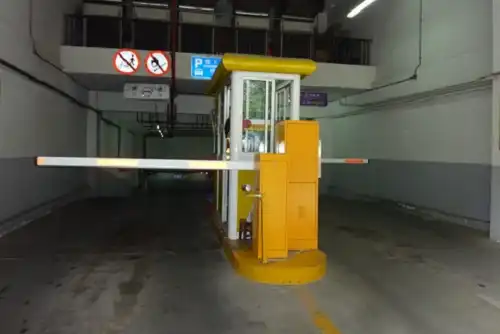
The location must be assessed weeks before equipment arrives. When positioning automobiles, consider approach angles, driver sightlines, and room for the biggest vehicles your building can handle. Maintain civic infrastructure like reinforced concrete supports that can withstand car crashes and underground data and electrical lines. To ensure power quality, electrical regulations need separate 110V or 220V lines with surge protection and grounding. Network bandwidth is needed for video intercom broadcasting and transaction data delivery. Canopies and sunshades protect Entry Ticket Dispenser and Card Reader System components from direct weather, which increases part aging within their specified functioning ranges. Check current barrier gates, loop detectors, and cameras for proper installation and electrical code-compliant wire routing. All infrastructure is checked before installation. This finds and fixes problems before specialists arrive, eliminating costly delays.
Commissioning and System Testing
Each part is checked before installation. Testing shows that the printer feeds tickets effortlessly, slices them cleanly, and produces 99% first-read barcodes. Card reader calibration prevents noise-induced false triggers and lets the scanner recognize IDs. Network verification guarantees proper connectivity with central systems and controls network failure failover. Integration testing involves displaying credentials, opening a barrier gate, and recording transactions. Load testing replicates heavy traffic to test systems under real-world conditions. Parking staff testing the user interface finds confusing parts that must be fixed before public use. As-built drawings, setup settings, and maintenance plans secure supplies for your team. To release vendor payment holds, deliverables must pass final acceptance testing against contract requirements.
Ongoing Maintenance and Preventive Care
Minor difficulties are prevented by proactive maintenance. Five hundred hours of use create dust, dirt, and other particles. Schedule cleanings. Optimizing printer paper paths and card reader apertures improves performance. Updating manufacturer software during maintenance often addresses security issues and improves functionality. Early wear indications like discolored printer heads or bearing noise signal component failure. This enables replacements be scheduled for low-demand periods instead of emergencies at busy times. Monitor printer cleaning supplies every three months and ticket paper rolls that last 2,000–5,000 impressions to prevent running out. Diagnostic logs are inspected by skilled workers for anomalous trends that predict concerns before interruptions. Official service providers provide genuine parts and factory-trained technicians to fix your device. Generalist service providers are less likely to fix the problem the first time.
Future Trends and Innovations in Ticket Dispenser and Card Reader Systems
The capabilities of parking access control are always changing because of new technologies. This creates both opportunities and risks of becoming obsolete. Knowing about new directions helps people make decisions about procurement that take future needs into account.
AI-Driven Analytics and IoT Connectivity
Intelligent edge devices replace passive transaction records at parking terminals. Traffic patterns are analyzed by machine learning algorithms to forecast peak periods and allocate workers. Computer vision detects stalking and password sharing in video sources, alerting users. Terminals may share real-time availability data with navigation systems to lead cars to open regions via IoT. Cloud-based management solutions standardize setup across building portfolios while permitting site-specific customisation. Predictive maintenance systems monitor printer temperature profiles and motor current demand to schedule servicing before issues arise. These features need current computing systems with the processing power and memory to conduct sophisticated algorithms locally rather than on central servers.
Enhanced Security Through Biometrics and Multi-Factor Authentication
Complex security risks need improved authentication. Parking terminal biometric scanners verify driver identification using fingerprint or facial recognition, preventing credential theft. Multi-factor authentication combines a card or phone with a biometric or PIN code to secure hidden facilities. Blockchain technology creates immutable transaction ledgers for regulatory compliance and dispute resolution. These enhanced security measures demand rigorous privacy and regulatory compliance, particularly for biometric data management under GDPR and CCPA.
Contactless and Frictionless Access Solutions
After the epidemic, people want to utilize cashless technology more, which is boosting its adoption in all industries, including parking. Speech or gesture recognition eliminates the need for buttons in touchless devices. A license plate recognition technology lets automobiles go over obstacles without stopping because cameras scan the plates. Identification and payment will be handled by backend systems. These solutions increase traffic flow and reduce hardware maintenance since users don't touch moving parts. High-tech camera systems, robust edge processing, and massive license plate databases that can scan plates properly over 98% of the time, even with varied cars and lighting, are needed.
Modular Design and Sustainable Hardware
Lifecycle planning and environmental concerns push modular terminal designs with individual upgrades. You may upgrade printer parts without replacing the connections. As credentials emerge, reader modules may utilize them. New, more powerful computers extend controller board life by five years or more. Eco-friendly materials include recycled metals and RoHS-free equipment. Energy-efficient equipment like LED lighting and low-power processors cut earlier designs in half. These characteristics reduce energy costs and extend tool life, saving money for environmentally conscious enterprises.
Conclusion
Buying the right parking access technology will affect how well your business runs, how much money you make, and how happy your customers are for years to come. Modern automatic systems like the ZOJE-TB101 are clearly better than human methods because they allow transactions to happen faster, remove the need for labor, and provide full tracking of all transactions. To be successful, Entry Ticket Dispenser and Card Reader System solutions need to be carefully considered based on your unique needs, carefully compared with the different technologies that are available, and sourced from sellers who have a lot of experience and offer good support services. Proper construction and regular upkeep will protect your investment, and new technologies will allow you to keep adding to its capabilities. Facility engineers and procurement managers who use organized selection methods can give their buildings a competitive edge by running better parking operations.
FAQ
1. How do these systems prevent ticket fraud and revenue loss?
Modern parking lots include several scam-prevention methods to save money. Tickets feature encrypted barcodes or QR codes with digital signatures that prevent copying without the encryption keys. Each ticket has a unique serial number linked to secure database entry timestamps. This prevents duration fraud—using older tickets to acquire cheaper ones. Watermarks or exit-readable paints may secure printed tickets. Readers verify credentials' encryption keys before allowing access to challenge-response card systems. Transaction recording creates detailed audit trails that match inputs and exits, revealing issues immediately. When applied properly, these defenses reduce fraud charges virtually to zero.
2. Will these terminals integrate with our existing parking management software?
System and connectivity techniques determine compatibility. Most professional computers can communicate via TCP/IP and database connections to transfer transaction data to other management systems. Integration points include logging entrance and exit events, applying discounts accurately, managing payments, and reporting real-time occupancy. Check that possible equipment meets software criteria. Some older systems employ proprietary communications that need interface development. Ask for technical integration needs and include your IT staff early in the procurement process evaluation. Reputable suppliers like ZOJE provide integration documentation and professional assistance to simplify parking control tool integration.
3. What is the typical equipment lifecycle and warranty coverage?
Well-maintained industrial-grade parking lots endure seven to 10 years in company environments. Extreme temperatures, traffic, or corrosive atmospheres may limit their lifespan to 5–7 years. Part lifespans vary. For instance, thermal printer heads wear out every 18 to 24 months from moving paper, yet card readers and computer controllers endure the life of the terminal. Good manufacturers give two-year parts and work guarantees for manufacturing defects. You may also purchase extended warranties. The ZOJE-TB101 has a two-year guarantee and 24/7 global support. Replace equipment too soon costs more than regular repair that lasts longer than the warranty. Ongoing servicing contracts maximize equipment performance.
Partner with ZOJE: Your Trusted Entry Ticket Dispenser and Card Reader System Supplier
To improve your parking access infrastructure, you need a manufacturing partner with both technical know-how and full support capabilities. ZOJE, as an Entry Ticket Dispenser and Card Reader System supplier, has been specializing in parking access solutions for over ten years and is trusted by sites all over the world to provide this exact mix. Our ZOJE-TB101 terminal is a great example of our engineering philosophy. It has strong multi-recognition that works with IC, ID, Bluetooth, and UHF credentials, an industrial-grade design that works reliably from -40°C to 80°C, and an intelligent ARM-Linux architecture that keeps it working even when the network goes down. Through open OEM and ODM partnership models, we can customize both hardware and software to meet your specific needs. Customized solutions usually arrive in 10 to 15 days, while standard goods usually ship within 5 to 7 days. This will help you keep your projects on track. Every solution comes with full expert support, and our team is available 24/7 around the world to help you whenever you need it. Get in touch with our experts at info@zoje-tech.com to talk about your facility's needs and find out how our tried-and-true solutions can improve operating efficiency and protect your income. You can look at all of our products at zoje-parking.com and get a full quote right away.
References
1. Smith, J. & Anderson, K. (2023). Parking Access Control Systems: Technology and Implementation. Transportation Infrastructure Press.
2. Chen, L. (2024). "RFID Applications in Automated Parking Management." Journal of Intelligent Transportation Systems, 28(2), 145-162.
3. Martinez, R. & Thompson, D. (2023). Commercial Parking Operations: Best Practices and Technology Integration. Facility Management Publishing.
4. International Parking & Mobility Institute. (2024). Emerging Technologies in Parking Access and Revenue Control. IPMI Industry Report.
5. Williams, S. (2023). "Comparative Analysis of Credential Technologies for Parking Applications." Security Technology Review, 41(4), 89-104.
6. National Parking Association. (2024). Standards and Specifications for Parking Access Equipment. NPA Technical Guidelines, 15th Edition.

Send Inquiry
You may like

Related Industry Knowledge
- What Makes Automatic Pay Kiosk for Commercial Parking Projects Reliable?
- How a Parking Payment Kiosk Works: A Step-by-Step Guide
- Cashless Parking for Government Facilities: A Modern Approach
- Parking Management Barrier Gate Features & Integration
- OEM Anti-Tailgating Turnstile Supplier Guide
- High-Speed Access Control Turnstile Gate Features
- License Plate Recognition for Logistics and Fleet Control
- Top 24/7 Unattended Parking Systems to Cut Labor Costs
- Smart Ticketless ANPR Parking System vs Ticket Parking System
- What Is a Local-database LPR System for Parking Control?