
How to Import Indoor Parking Guidance Display Screens Successfully
2026-09-02
Successfully importing indoor parking guidance display screens requires understanding technical specifications, compliance requirements, and supplier capabilities. These intelligent LED systems sync with central controllers to provide real-time directional information about available spaces in multi-level facilities. By selecting manufacturers with proven customization capabilities, verified certifications, and responsive support—like ZOJE's 24/7 technical assistance and modular solutions—building automation contractors can streamline procurement cycles, reduce installation complexities, and deliver reliable parking navigation systems that enhance operational efficiency across office towers, hospitals, and commercial complexes.
Understanding Indoor Parking Guidance Display Screens
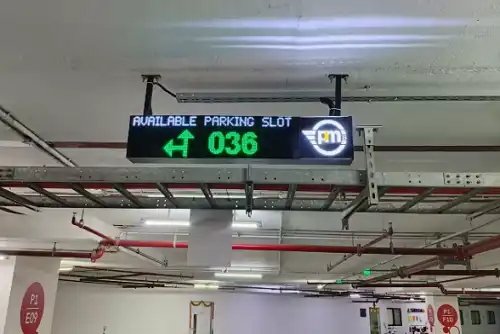
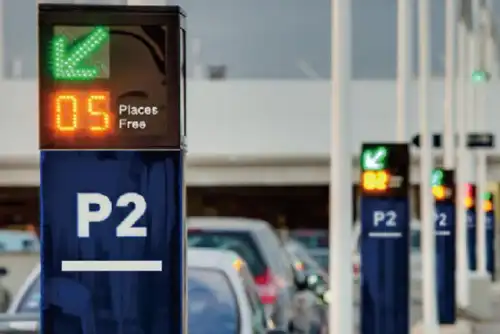
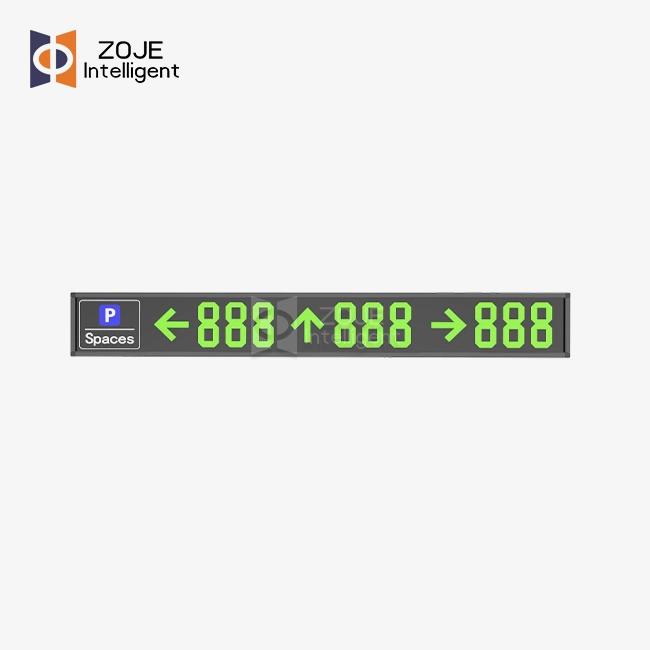
Modern parking lots need smart solutions that help drivers find their way quickly. These directional display systems use high-brightness LEDs and sensor networks to send real-time information about capacity to key decision points in parking garages.
Core Technology Components
Indoor guide screens mostly use SMD LED modules that have been adjusted for places with controlled lighting. Outdoor displays need to be very bright, but these units work well at 800-1500 nits, which is bright enough for clear visibility without causing glare as drivers move from brighter areas. This balance is shown by the ZOJE-31 series, which has clear images thanks to tempered glass screens that can handle the harsh conditions of sealed parking lots where brake dust and exhaust particles build up over time.
For these systems to work, the data has to be constantly synchronized with the zone control units. When ultrasonic sensors pick up a car entering or leaving a place, the central controller instantly changes all screens that are linked. This almost-zero latency makes sure that drivers get correct direction cues instead of old information that could send them to zones that are already filled.
Operational Benefits for Facility Managers
The benefits can be measured and go beyond making things easier for drivers. Facilities that follow zone-specific guidance report that average search times are cut by up to 50%. This directly leads to lower vehicle emissions inside enclosed structures, which is an important factor for environmental compliance and air quality management.
Displays that actively balance occupancy across multiple levels make much better use of space. Instead of letting zones on the ground floor fill up completely while levels above stay empty, intelligent routing spreads vehicles out evenly. This keeps the structure's load from being uneven and lets operators charge higher prices for convenient locations, which brings in the most money. The directional logic can change throughout the day, setting aside some places for staff parking during work hours and then letting everyone in for events in the evening.
One more important factor is energy economy. Modern parking guidance signs use very little power—usually 15 to 30 watts, based on the size of the screen—but they work all the time. When compared to older fluorescent-based signage systems, this efficiency saves a lot of money over years of 24/7 operation.
Challenges and Solutions When Importing Indoor Parking Guidance Display Screens
Buying things internationally can be more complicated than buying things locally. When building automation contractors go into new markets, they find that the rules are very different from one region to the next.
Navigating Certification Requirements
Compliance paperwork is the key to a smooth import process. Electronic screens must be FCC-certified for sale in the US, while European customers must check that they are CE-marked and RoHS-compliant to make sure they don't contain any harmful substances. With these labels, you can be sure that the products you buy meet standards for electromagnetic compatibility and won't mess up other building systems.
A lot of risk is taken away when you choose manufacturers with established certification portfolios. ZOJE is committed to standard quality management as shown by its ISO 9001:2015 approval and multiple copyright registrations. When evaluating possible suppliers, ask to see copies of the necessary certificates and check with the authorities that issued them to make sure they are valid. When suppliers are hesitant to provide full paperwork, it's usually a sign that things will go wrong during customs clearance.
Ensuring Technical Compatibility
Communication protocol compatibility is a real problem when putting together an indoor parking guidance display screen system. Parking guidance networks can use RS485 serial connections to connect multiple displays in a cost-effective way, or they can use TCP/IP Ethernet connections for installations that need to update firmware remotely and troubleshoot each node individually. The chosen screens must work with standards that are already in use in sensor networks and control software.
A European wholesaler recently ran into this problem when they tried to put together displays from different sources in one airport parking structure. Protocol implementations that weren't consistent led to synchronization problems, which caused displays to show different availability information. Standardizing on a single manufacturer—ZOJE—whose displays offered a range of communication options and dedicated integration support was the answer. Their expert team helped with configuration, which fixed compatibility problems on time and saved the project from costly delays.
Maintaining Quality Standards
Damage to property during foreign shipping is always a worry. Impacts and vibrations can break LED modules or loosen internal connections if the packaging isn't good enough. In buy deals, make sure that all packing standards are clearly spelled out. For example, for sea freight, include foam padding, corner protectors, and moisture barriers. Reputable companies like ZOJE use protective packaging that they've developed over years of shipping goods around the world. This greatly lowers the number of damaged items.
Product uniformity is just as important. Color temperature differences that can be seen between displays that are placed in the same line of sight make the displays look unprofessional, which clients may reject during final acceptance reviews. Manufacturing facilities with strict quality control procedures and licenses keep closer limits on LED binning and calibration, which makes sure that big installations all look the same.
Key Criteria for Choosing the Right Indoor Parking Guidance Display Screens Supplier
Choosing the right supplier is the most important factor in determining the success of a project. Look at more than just the specs of the product. Also, look at the planning skills that will help you form long-term relationships.
Technical Capabilities and Customization
Standard product dimensions don't work in all building situations. The width, roof height, and viewing angles of parking lot openings are all different. Companies that offer customized hardware can change the sizes of screens, the designs of mounting brackets, and the finishes on the housing to meet specific needs. Because ZOJE has worked on custom projects before, they can change the layout of displays to fit different locations, such as those that are placed on the wall, the ceiling, or built into the building itself.
Customizing software also works out well. Simple availability counts may be shown on default display forms, but more advanced setups can benefit from custom graphics that show facility maps, arrows that move with you as you drive, or messages with letters and numbers for special occasions. OEM and ODM partnerships give contractors the chance to make their own platforms that set their parking solutions apart in crowded markets.
Warranty Coverage and Support Infrastructure
A warranty that lasts for at least two years should be the minimum standard. This time frame is in line with how long it usually takes to commission a building and gives you a good amount of protection against manufacturing flaws. Carefully read the guarantee terms. Some sellers don't cover mistakes made during installation or damage to the environment, putting the risk on contractors when it shouldn't be on them.
Access to global technical support is very important during critical installation phases and later operational problems. Time zone differences make fixing harder when providers in faraway places only offer help during business hours. ZOJE's commitment to support 24 hours a day, seven days a week means that technicians can get help right away, no matter where or when the installation is happening. Because they are responsive, small configuration questions don't turn into project delays.
Delivery Timelines and Logistics Flexibility
Lead times that are too long are rarely allowed in project schedules. When comparing suppliers, find out what they can do with standard and customized products. Stock items can be delivered quickly for simple installations in 5–7 days, while customized configurations can take up to 10–15 days, which is still within most construction schedules. Suppliers who can't meet these standards may not have the right production capacity or systems for keeping track of their inventory.
Logistics term freedom lets different projects meet their needs. DDU (Delivered Duty Unpaid) terms are good for contractors who already know how to work with customs brokers and import procedures. DDP (Delivered Duty Paid) terms are better for people who want turnkey delivery because they make the buying process easier. Check with your providers to see if they offer both sea and air freight choices. Sometimes, shipping costs that are faster are worth it because of tight deadlines.
Step-by-Step Guide to Importing Indoor Parking Guidance Display Screens
Systematic ways of buying things cut down on delays and costs that were not expected. This road map shows contractors the important steps they need to take to import.
Define Project Specifications
Start by writing down all of your requirements in detail. Include the size of the display, how it will be mounted (ceiling-hung, wall-bracket, or recessed), the communication protocols that will be used, and the conditions of the environment. Include estimates for viewing distance to find the right character heights. For 20–30 meter visibility, 5-inch numbers are fine, while larger forms work better in big spaces.
Make it clear what needs to be done to integrate with current parking management tools. Figure out what kinds of sensors, controllers, and software platforms the screens need to work with. By giving this technical information, suppliers can make sure that the configurations will work together and suggest the best ones before sending a quote.
Compare Multi-Vendor Proposals
Get detailed quotes from at least three reliable suppliers. When evaluating offers, don't just look at the unit price; also look at the total landed costs, which include shipping, duties, and any extras like mounting tools or cables that you might need. Before committing to large orders, ask for sample units for important projects to check the build quality, display clarity, and ease of installation.
ZOJE helps people make smart choices for the indoor parking guidance display screen by giving them detailed technology specs, licensing paperwork, and customer references. Their readiness to talk about similar projects they've done in the past shows that they are honest, which builds trust when evaluating vendors.
Manage Logistics and Customs Clearance
Set up shipping plans that work with the project's schedule. When it comes to cost, sea freight is better for big orders with flexible schedules. On the other hand, air freight is better for urgent missions even though it costs more. Make sure you understand the Incoterms so there is no misunderstanding about who is responsible for shipping, insurance, and import taxes.
Carefully fill out the paperwork for customs. The tax rates that apply to a product are based on its correct classification under the Harmonized Tariff Schedule codes. When there are mistakes in classification, there are delays while customs officials look into the problems. Working with skilled freight forwarders who know how to bring in gadgets makes this process go much more quickly.
Optimizing Procurement for Long-Term Success
When you manage your ties with suppliers in a strategic way, the benefits spread across multiple projects.
Negotiate Volume Pricing and Payment Terms
Framework agreements should set price tiers based on annual numbers for building automation providers who have a steady stream of projects. These agreements make it easier to plan budgets for costs and encourage suppliers to stay loyal by guaranteeing a certain amount of business. Talk to your seller about payment terms that meet both their cash flow needs and your project-based revenue cycles. For example, many suppliers will accept payments at set intervals based on the progress of the work instead of demanding full payment up front.
Develop Collaborative Partnerships
The best relationships between contractors and suppliers go beyond simple transactions. ZOJE does yearly facility trips with key clients so that they can talk about market trends, new technologies, and application problems in person. These talks often lead to better products that are good for everyone: sellers learn more about how products are used in the real world, and contractors get access to custom solutions that fix specific problems.
Working together to make OEM solutions sets you apart from the competition. Instead of selling standard items again, contractors can work with suppliers to make branded display versions that are specific to the people they want to sell to. This method strengthens the brand and makes it more expensive for customers to switch brands, which helps businesses make more money and keep customers.
Future-Proof Technology Investments
As connectivity and data analytics get better, parking guidance technology keeps getting better. Choose displays that have ways to be upgraded, like the ability to change their software, flexible component designs, and support for open protocols. This will make them more useful as other systems get better. Suppliers who put money into research and development, as shown by their patent portfolios, show that they are committed to constant innovation over static product lines.
When judging methods, think about how they can be expanded. A lot of the time, facilities add more parking spots or fix up old ones. Adding new screens to current networks without changing controllers is easy with display systems that make growth easy. This lowers the costs and complexity of future projects.
Conclusion
Importing parking guidance displays like the indoor parking guidance display screen successfully requires balancing technical requirements, the supplier's abilities, and the coordination of logistics. If building automation workers take the time to learn about LED display technologies, communication methods, and government rules, they will be able to provide reliable installations that make customers happy. Common problems with imports can be lessened by choosing makers with a history of being flexible with customization, a wide range of certifications, and fast global support networks. The methodical approach to buying things described here, from creating detailed specifications to forming strategic partnerships with suppliers, helps contractors finish projects on time and on budget while also giving them a competitive edge by giving them specialized knowledge in smart parking solutions.
FAQ
1. What certifications should parking guidance displays carry for US imports?
When displays come into the United States, they have to have an FCC approval that says they are electromagnetically compatible. This makes sure that the devices won't cause radio frequency interference that could damage other systems in the building. RoHS compliance is mostly a European requirement, but it is showing up more and more in US specifications as people become more concerned about the environment. When a manufacturer has ISO 9001:2015 certification, it means they have quality management systems in place to make sure that production standards are the same for all orders.
2. How long does the typical import and installation process take?
Project timelines are different depending on how the goods are shipped and what customizations are needed. Standard versions ship in 5 to 7 days, and air freight shipping and customs clearance take an extra week. Customized options need between 10 and 15 days to be made. Allow an extra two to three weeks for planning the installation and starting up the system. Total project processes usually last between 6 and 10 weeks, from placing the order to handing over the operation. However, faster timelines are possible with faster shipping and focused installation resources.
3. Can these displays integrate with existing parking management software?
Modern displays handle a number of different transmission protocols so that they can work with a wide range of devices. RS485 serial links are good for setups that need to save money by daisy-chaining several screens together. On the other hand, TCP/IP Ethernet integration allows for more complex network management with unique device addresses. These standard protocols can be used with most parking control systems. ZOJE's technical team helps with integration by providing protocol documentation and configuration support, which makes sure that the product works with a wide range of controller ecosystems. By testing integration with sample units before placing large orders, you can avoid surprises during installation related to compatibility.
Partner with ZOJE for Reliable Indoor Parking Guidance Display Screen Solutions
ZOJE is ready to help building automation builders who need a reliable indoor parking guidance display screen provider for projects in a wide range of industries. Our factory in Shenzhen, which is ISO 9001:2015 approved, uses cutting-edge LED technology and strong communication systems to make displays that work well with current parking management systems. In addition to reasonable prices and easy OEM/ODM customization, we offer full value through fast delivery times, careful quality control that stops damage during shipping, and real technical support that is available 24/7, in all time zones. Get in touch with our team at info@zoje-tech.com to talk about your specific project needs, get detailed technical specifications, or set up sample evaluation units that show how committed we are to helping you deliver great parking guidance installations.
References
1. Smith, J. and Chen, L. (2022). Intelligent Transportation Systems in Modern Parking Facilities. International Journal of Smart Building Technologies, 15(3), 245-267.
2. European Parking Association. (2021). Best Practices for Indoor parking guidance system Procurement. Brussels: EPA Publications.
3. Martinez, R. (2023). LED Display Technologies for Building Automation Applications. Building Systems Engineering Quarterly, 28(2), 112-134.
4. International Organization for Standardization. (2020). Quality Management Systems for Electronic Component Manufacturing. ISO Technical Report 9001:2015.
5. Thompson, K. and Wang, H. (2022). Communication Protocols in Smart Parking Infrastructure. Journal of Building Intelligence, 19(4), 301-325.
6. National Parking Association. (2023). Import Compliance Guidelines for Parking Equipment Contractors. Washington DC: NPA Research Division.

Send Inquiry
You may like
Related Industry Knowledge
- How to Choose an OEM LPR Server Supplier for Large Projects
- High-Wing Speed Gate Turnstile for Fast Access: Why Choose It?
- Parking Exit Card and Ticket Validation Machine Buyer’s Guide for Facility Managers
- Benefits of Self-Service Auto-Payment Station for Parking Lots
- OEM Interlocking Full-Height Turnstile Gate Guide
- Why Parking Operators Choose Parking Automatic Payment Station Integrated with LPR System
- Waist-high Tripod Turnstile Benefits for Public Areas
- How Collision-Proof FlapTurnstile Extends Lifespan?
- License Plate Recognition for Logistics and Fleet Control
- Guide to 24/7 Unattended LPR Parking Operations Deployment