
Why Parking Operators Choose Parking Automatic Payment Station Integrated with LPR System
2026-06-12
Parking lot owners all over the US are quickly switching to more advanced automation technologies that change how they do their jobs every day. A fundamental change in car handling and revenue management is represented by the Parking automatic payment station Integrated with LPR System. This technology blends optical character recognition with self-service payment systems to get rid of paper tickets, shorten wait times, and allow operation 24 hours a day, seven days a week. Front-end processing and recognition accuracy of up to 99% mean that parking lots can get more done, pay their workers less, and make customers happier from the moment they start using it.
Understanding Parking Automatic Payment Stations Integrated with LPR Systems
Automated license plate recognition technology has grown from trial tools to the most important part of modern parking lots. The design of the system combines high-resolution cameras with AI algorithms that quickly collect and process data about a vehicle's identification. When a car gets close to the entry point, the camera takes a picture of the license plate no matter how fast the car is going—our ZOJE-LPR101 type can read plates from cars going 0–40 km/h without drivers having to stop. This rapid catch turns paper tickets into digital records that can be used instead of paper tickets.
Core Technology Components
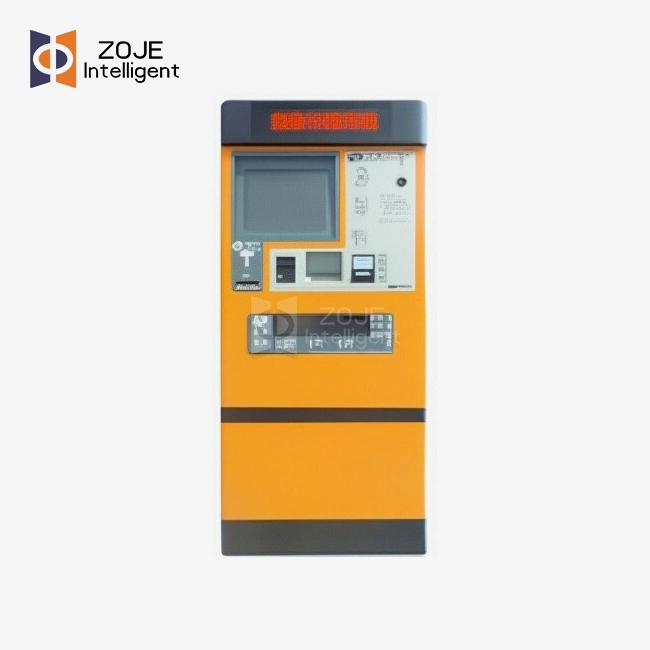
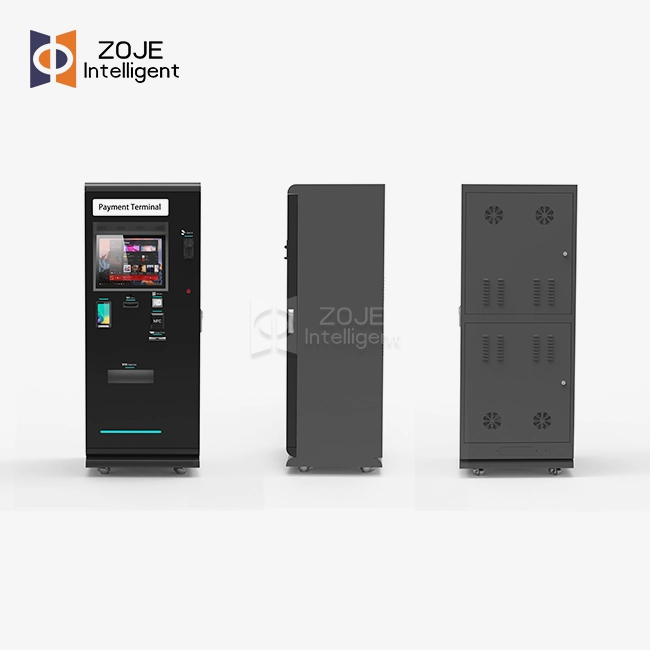
Modern parking terminals combine industrial-grade computing hardware with durable outdoor enclosures designed for continuous operation. Constructed from powder-coated cold-rolled steel with IP64 protection, they withstand rain, dust, snow, and temperatures from -20°C to +60°C. Deep-learning neural networks trained on global plate databases recognize multiple license plate formats accurately. Integrated payment modules support cash, coins, EMV-certified bank cards, NFC payments, and QR-code mobile wallets, giving customers flexible payment choices while reducing the operational challenges associated with staffed payment booths.
Front-End Processing Advantages
Unlike legacy systems that depend on constant server communication, front-end processing performs recognition and billing locally at the terminal. This approach allows the system to continue recognizing vehicles, calculating fees, and processing payments even during network outages. Once connectivity returns, transaction data automatically synchronizes with central servers. Local processing also reduces response times to less than 200 milliseconds, improving barrier gate operation and increasing throughput. High-traffic facilities often report handling significantly more vehicles while reducing wait times and maintaining smooth customer experiences.
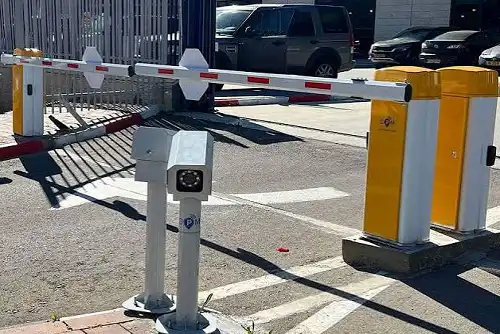
Why Parking Operators Prefer LPR-Integrated Payment Stations Over Manual Systems
Traditional parking lots that use paper tickets and payment booths with staff are under more and more operating pressure. In all markets, the cost of labor keeps going up. For example, in big cities, hourly rates for parking attendants have gone up 15-20% in the last five years. In addition to direct pay, operators have to think about perks, training, complicated schedules, and the mistakes that people make that lead to customer complaints and differences in income.
Quantifiable Cost Reduction
Automated systems significantly reduce labor costs by eliminating the need for continuously staffed payment booths. A single attended location may require multiple shifts and substantial monthly payroll expenses, while automated terminals operate around the clock with minimal supervision. The Parking automatic Payment Station Integrated with LPR System also reduces revenue leakage caused by lost tickets, ticket swapping, cash mishandling, and calculation errors. By securely linking every parking session to a vehicle’s license plate, operators improve revenue collection while reducing fraud and operational inefficiencies.
Enhanced Transaction Accuracy
Automated payment systems calculate parking fees using predefined pricing rules, ensuring consistent and accurate transactions. Discounts, validations, and promotional offers are applied automatically, reducing disputes and customer complaints. Retail validation programs become more efficient as shoppers can instantly apply discounts by scanning receipts. Beyond payment accuracy, the system generates detailed operational reports covering occupancy rates, peak periods, customer behavior, payment preferences, and revenue performance. These insights help operators optimize pricing strategies, resource allocation, and long-term parking management decisions.
Procurement Considerations for Parking Payment Stations with LPR Integration
To choose the right provider and system setup, you need to carefully look at a lot of different factors. The procurement teams that make investments in parking infrastructure have to weigh the initial capital costs against the long-term operational savings, the technical capabilities against the practical limitations of deployment, and the benefits of standardization against the need for customization to fit the specifics of each facility.
Manufacturer Reliability and Support Infrastructure
Vendor reliability is critical when investing in long-term parking infrastructure. ZOJE demonstrates quality commitment through ISO 9001:2015 certification and extensive technical innovation. Comprehensive support services, including 24/7 technical assistance, deployment guidance, and ongoing customer engagement, help ensure smooth operations after installation. Annual customer visits and proactive service strengthen long-term partnerships while enabling continuous improvements. Strong support infrastructure minimizes downtime, accelerates issue resolution, and helps facilities maximize the value of their parking technology investments.
Customization Capabilities and Integration Flexibility
Many facilities require customized solutions that go beyond standard product configurations. ZOJE offers hardware and software customization options, including enclosure design, branding, additional displays, communication systems, specialized pricing structures, and integration with existing access-control platforms. Open APIs and secondary development support enable connections with parking guidance systems, EV charging networks, and enterprise management software. OEM and ODM programs provide scalable deployment options for large organizations seeking consistent branding, tailored functionality, and efficient implementation across multiple locations.
Installation Timeline and Operational Transition
Fast deployment minimizes disruption to facility operations and accelerates project completion. Modular hardware designs and plug-and-play software allow most installations to be completed within one to three days, including mounting, networking, configuration, and testing. Facilities can schedule implementation during low-traffic periods to avoid service interruptions. User-friendly interfaces reduce staff training requirements, focusing primarily on routine support and troubleshooting tasks. Comprehensive training materials and remote assistance further support a smooth transition from legacy systems to automated parking management.
Real-World Applications and Case Studies
Using license plate recognition along with automated payment works in a variety of settings, each with its own operating traits and performance needs. Knowing how this technology is used in different types of facilities helps buying teams think of good uses and set reasonable performance goals.
High-Volume Shopping Malls
Shopping malls experience significant traffic fluctuations during weekends, holidays, and promotional events. LPR-enabled systems eliminate entrance bottlenecks by allowing vehicles to enter without stopping for tickets. Customers can quickly locate their parking sessions using fuzzy plate searches and automatically apply retailer discounts through receipt validation. This streamlined process improves convenience while reducing congestion throughout the facility. Mall operators commonly report shorter queues, higher customer satisfaction, and improved throughput without requiring expensive infrastructure expansion or additional exit lanes.
International Airports and Transportation Hubs
Airport parking facilities require sophisticated management of multiple parking zones with varying pricing structures. Parking automatic Payment Station Integrated with LPR System automatically track vehicle movements and calculate charges accurately regardless of location. Security features support whitelist and blacklist management, allowing authorized vehicles to pass while flagging potential security concerns. Durable construction protects equipment in demanding public environments, while integrated surveillance systems deter vandalism and provide valuable evidence when incidents occur. These capabilities improve operational efficiency, customer convenience, and overall facility security.
Mixed-Use Residential and Office Developments
Mixed-use properties must manage both long-term contract parkers and short-term visitors efficiently. Residents and office tenants can access facilities automatically through license plate recognition, while visitors use standard payment processes. Digital guest authorization systems allow tenants to pre-approve visitor parking through mobile applications or property management platforms. Automated validation reduces administrative workload, improves security, and eliminates paper permits. Separate reporting structures help property managers accurately track parking usage, allocate costs, and manage financial reporting across multiple user groups.
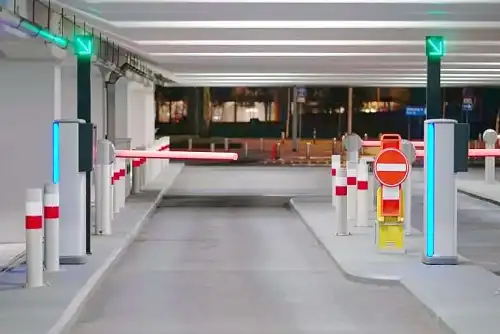
Ensuring Security and Reliability in LPR-Integrated Parking Payment Systems
When owners handle financial deals or collect personal information, they are responsible for security and must take steps to protect themselves from vulnerabilities. Comprehensive security systems cover things like keeping data private, stopping scams, and keeping operations running.
Data Privacy and Encryption Standards
License plate information is often considered personal data and requires strong protection. The ZOJE-LPR101 uses encrypted communications between devices and servers to secure vehicle and payment information. Access controls restrict data availability to authorized personnel only. EMV-certified payment devices and PCI-DSS-compliant transaction processing safeguard financial information during collection, transmission, and storage. Ongoing security assessments and updates ensure continued compliance with industry standards while protecting customer privacy and maintaining operational integrity.
Anti-Fraud Mechanisms
License plate recognition significantly reduces common forms of parking fraud. By linking each parking session directly to a unique vehicle identifier, the system prevents ticket swapping and unauthorized fee reductions. Automated verification ensures accurate entry and exit matching, making fraudulent activity difficult to execute. Advanced image analysis identifies suspicious plate alterations, obscured plates, or abnormal recognition conditions. When necessary, additional verification using vehicle characteristics such as make, model, and color provides enhanced security without disrupting legitimate customer transactions.
System Redundancy and Uptime Assurance
Reliable parking operations require multiple layers of redundancy. Backup power systems maintain operation during electrical outages, while cellular communication provides alternative connectivity when primary networks fail. Preventive maintenance programs include inspections of payment modules, cameras, environmental protection components, and backup systems. Remote monitoring tools identify potential issues before they impact service. Regular software updates improve security, add functionality, and enhance recognition accuracy. Automated deployment during low-traffic periods minimizes operational disruption while ensuring systems remain secure and up to date.
Conclusion
The change from parking by hand to automatic license plate recognition with self-service payment has made a huge difference in how quickly, accurately, and well customers are served. Shopping malls, airports, apartment complexes, office buildings, and business lots all have operators who can measure their financial returns by cutting down on labor costs, stopping income leakage, and increasing throughput capacity. The ZOJE-LPR101 has 99% recognition accuracy, strong front-end processing, can work outside in any weather, and can be customized in a number of ways to meet the needs of different uses and facilities. Procurement teams benefit from clear relationships with makers that offer support 24 hours a day, seven days a week, quick deployment times, and ongoing innovation that protects infrastructure investments as technology keeps getting better. The Parking automatic Payment Station Integrated with LPR System represents a transformational improvement.
FAQ
1. How accurate is license plate recognition in challenging weather conditions?
Advanced image processing methods help the ZOJE-LPR101 keep its 99% recognition accuracy in a wide range of environmental situations. Wide dynamic range sensors can adapt to different lighting conditions, from bright sunlight to complete darkness at night. Specialized screens reduce the effects of glare and reflections. Heavy rain and snow make things more difficult, but recognition rates are still above 95% thanks to AI-enhanced picture enhancement that can make figures that are hidden visible again. When vehicles don't drive in a straight line, which can lower picture quality in narrow-field systems, the 70-degree wide-angle lens can record plates from a variety of approach angles.
2. What payment methods do integrated stations support?
Modern payment systems offer a wide range of transaction choices to meet the needs of all customers. Handling cash by using bill validators that can read multiple amounts and coin devices that can make change for customers who can't pay electronically. EMV chip technology makes it safe for credit and debit card readers to connect to major networks. Mobile payments like Apple Pay, Google Pay, and Samsung Pay can be used with NFC readers that don't need to be touched. QR code readers work with both parking-specific apps and general mobile payment systems that are popular in many markets.
3. How long does installation typically require?
Standard installations take between one and three days, based on the specifics of the spot. When there is already electrical infrastructure and network connection, deployment goes faster. On the other hand, new building or sites that are far away and need trenching and cabling make deployment take a little longer. Modular designs allow for delayed deployment, which keeps some parts of the facility running while the rest is being installed. This keeps revenue from being lost to a minimum. ZOJE helps with detailed site assessments and project planning, making realistic schedules and working with building operations to find the best times to work around traffic patterns and practical needs.
Partner with ZOJE for Advanced Parking Automation Solutions
When you add the ZOJE-LPR101 Parking automatic Payment Station Integrated with LPR System to your parking infrastructure, you get instant operating changes and long-term competitive benefits. Our tech team has a lot of experience with custom deployments in airports, shopping malls, office buildings, and mixed-use projects around the world. We offer flexible solutions that are tailored to your exact requirements, whether you need a Parking automatic Payment Station Integrated with LPR System maker for a single location installation or a collection of locations with OEM customization. Get in touch with our experts at info@zoje-tech.com to talk about your facility's needs, get full technical specs, and ask for quotes. You can look at our whole line of products at zoje-parking.com and download technical information that will help you make smart purchasing choices.
References
1. Anderson, M. & Chen, L. (2022). Automated Parking Systems: Technology Integration and Operational Efficiency. Transportation Infrastructure Press.
2. Global Parking Industry Association. (2023). Annual Survey of Parking Technology Adoption and ROI Analysis. GPIA Research Division.
3. Martinez, R. (2021). "License Plate Recognition Accuracy in Variable Environmental Conditions: A Comparative Analysis." Journal of Transportation Technology and Innovation, 18(3), 245-267.
4. National Parking Association. (2023). Best Practices Guide for Automated Payment System Deployment. NPA Technical Standards Committee.
5. Peterson, J. & Williams, K. (2022). "Cost-Benefit Analysis of Automated Versus Manual Parking Operations in Commercial Facilities." Facilities Management Quarterly, 41(2), 112-134.
6. Zhang, H., Thompson, S. & Kumar, A. (2023). Smart Parking Infrastructure: Design, Implementation and Management Strategies. Industrial Technology Publishers.

Send Inquiry
You may like
Related Industry Knowledge
- What Is Security Anti-Collsion Barrier? Key Features
- Is Fast Access Boom Barrier Suitable for High Traffic?
- Top Benefits of Tempered Glass Full-Height Turnstile Systems
- How AB-Type Glass Full-Height Turnstile Works?
- Is Unattended Access Control Turnstile Reliable?
- Is Folding Arm Barrier Gate Suitable for Basements?
- LPR Server Buyer’s Guide for High-Durability Needs
- Best Smart City Parking Management Solution for Municipal Use
- Plug-and-play ANPR Device for Quick Parking System Deployment
- What Is Ticketless Vehicle Access Control in Smart Parking?