
Best Smart City Parking Management Solution for Municipal Use
2026-04-15
The Smart City Parking Management Solution has become the best way for cities to deal with traffic and wasteful use of space when they look at their current parking facilities. License Plate Recognition (LPR) technology, Internet of Things (IoT) devices, and cloud-based data are all built into these integrated systems. They are changing how towns handle parking in airports, shopping malls, residential areas, business districts, and commercial lots. Smart parking solutions get rid of the need for human ticketing by automating car identification and entry control. They also give real-time usage data that helps with dynamic pricing and improving traffic flow.
Understanding Smart City Parking Management Solutions
In today's cities, parking systems need to be more than just block gates and ticket machines. Multiple layers of technology are put together in a Smart City Parking Management Solution to make an intelligent environment that changes based on real-time situations and gathers data that can be used.
What Makes LPR Technology the Foundation of Smart Parking?
License plate readers use OCR and AI to read and process plates automatically, eliminating human help or transponders. Systems like the ZOJE-LPR101 work offline, handle 40 km/h vehicles, and integrate seamlessly with city IoT platforms.
Core Components That Power Modern Parking Infrastructure
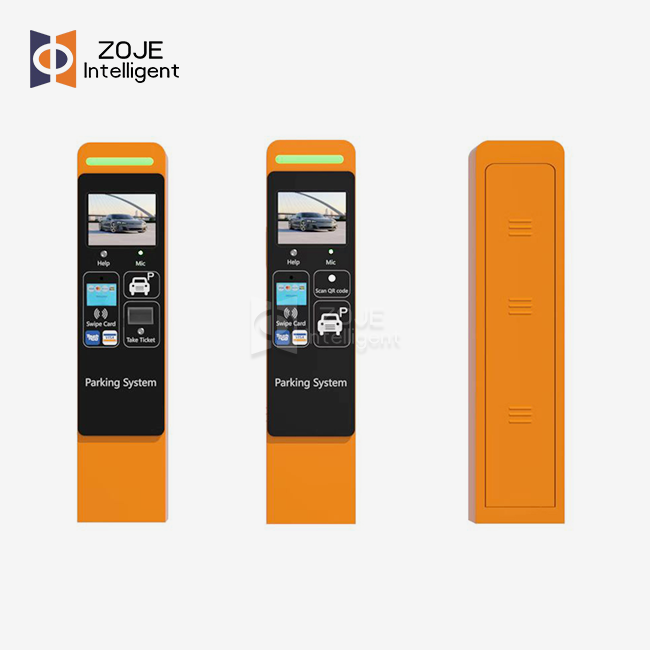
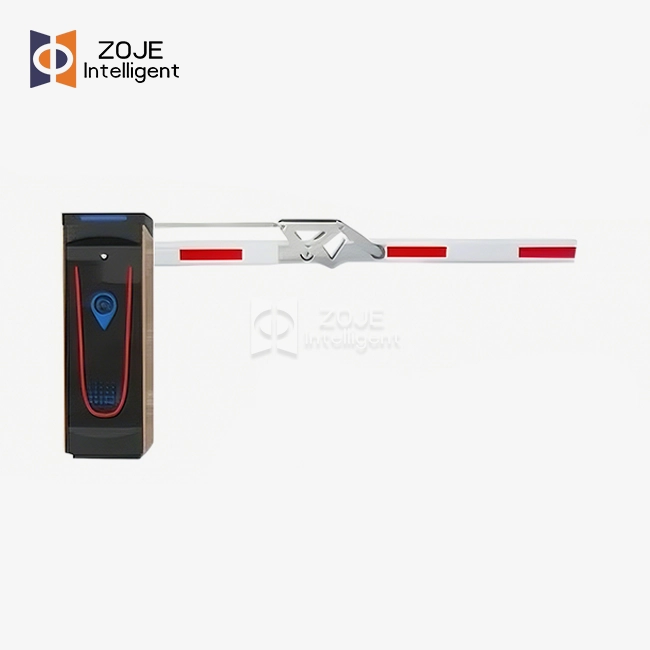
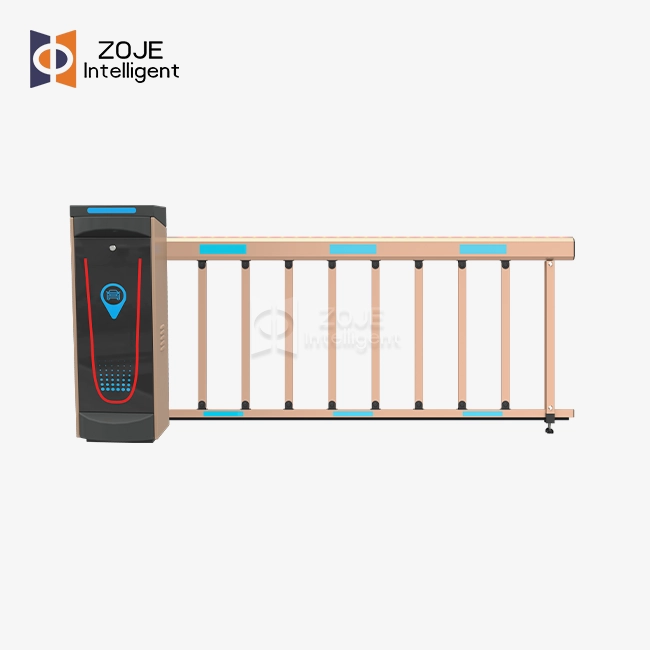
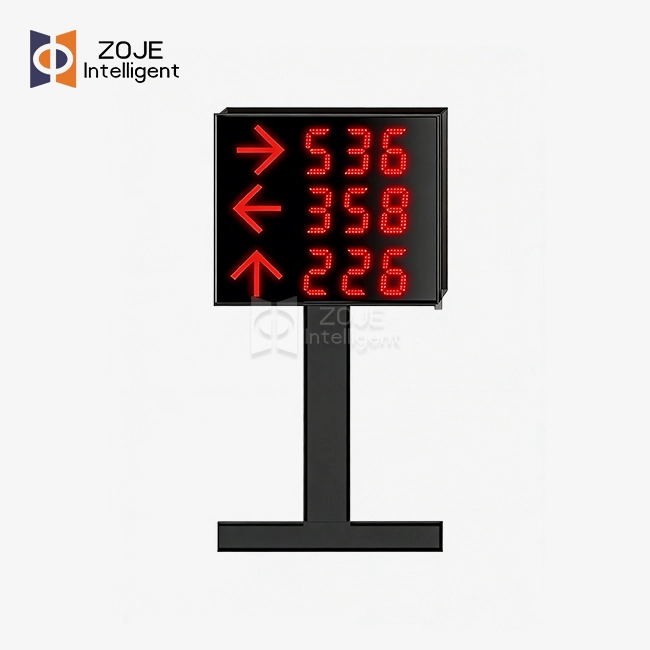
Smart parking combines barrier gates, weatherproof LPR cameras, and LED guidance with cloud management software. Vehicle classification, wide-angle recognition, and dynamic image optimization maximize space utilization, revenue, and accuracy under challenging city lighting and weather conditions.
How Real-Time Data Transforms Municipal Decision-Making?
Continuous parking data supports planning, analytics, and enforcement. Occupancy heatmaps, duration monitoring, and cloud dashboards allow municipalities to optimize traffic flow, adjust prices, and integrate with broader smart city systems efficiently.tions, parking data can be used in larger smart city projects to help change the times of traffic lights, plan for public transportation, and plan for urban growth.
Why Municipalities Are Adopting Smart Parking Solutions?
More and more, people are putting pressure on cities across the US to solve parking problems that hurt the quality of life for residents, the environment, and city budgets. Traditional ways of managing parking lots aren't able to keep up with the needs of cities that are growing and people who own cars. The Smart City Parking Management Solution provides the necessary tools to address these modern challenges.
Solving Traffic Congestion Through Optimized Parking Guidance
Smart parking reduces search times by 30%, easing traffic and improving flow at malls, airports, and residential areas. Automated entry and vehicle recognition speed throughput while minimizing security risks and administrative work.
Reducing Operational Costs While Improving Service Quality
Front-end LPR systems cut labor and server costs, maintain operations offline, and enable flexible scheduling. Automated systems replace manual ticketing, ensure consistent rule enforcement, and enhance overall parking management efficiency.
Environmental Benefits That Align With Sustainability Goals
Smart parking reduces emissions, traffic noise, and paper waste. Low-maintenance LPR hardware prolongs lifespan, minimizes energy use, and supports municipal sustainability targets while lowering environmental impact.
Real-World Results From Municipal Implementations
Cities using smart parking report 20–35% revenue growth, better compliance, and higher customer satisfaction. Vehicle classification allows differential pricing, maximizing space utilization and generating additional income for operators.


How to Choose the Best Smart City Parking Management Solution for Your Municipality?
To choose the right parking technology, you need to carefully think about your long-term strategy goals, operational needs, and budget limits. Cities and towns need to look at many things to find the best Smart City Parking Management Solution that provides the most value and allows for future growth and merging with smart city projects that are still being developed.
Assessing Your Specific Municipal Parking Needs
Airports need fast processing to prevent entrance jams. Malls focus on customer convenience, eliminating paper tickets. Residential areas require secure access. Solutions must scale with vehicle growth, adapt to garages or open-air lots, and handle long-term investments.
Critical Evaluation Criteria for Procurement Teams
Cities must consider one-time purchase costs, installation, software, network setup, support contracts, and upgrades. Accurate vendor quotes including hardware, installation, training, and warranties help plan budgets. Standard products are delivered in 5–7 days, custom in 10–15, reducing rollout delays and speeding ROI.
Comparing Leading Solutions Available
Recognition accuracy, offline functionality, and integration are vital. ZOJE-LPR101 reads 99% of plates globally, works offline, reduces latency, and supports hardware/software customization. Vendors with proven track records and ISO-certified processes reduce implementation risk.
Implementation Insights and Cost Considerations for Municipalities
To successfully implement a Smart City Parking Management Solution, you need to plan in an organized way that includes technical integration, budget allocation, and managing organizational change. Municipalities can get more out of staged implementation methods because they let them test how well technology works in small areas before committing to rolling it out to the whole building.
Structured Deployment Process for Urban Parking Facilities
Implementation starts with site studies to plan camera placement, power, and traffic flow. Hardware installation includes weatherproof LPR cameras, gates, LED screens, and network links. Software setup defines access permissions, vehicle rates, payments, and reports, enabling full operational customization.
Budget Planning for Initial and Ongoing Expenses
Phased rollouts let municipalities test performance before full deployment. Cloud or on-premise platforms support multiple sites. Ongoing costs include software subscriptions, network fees, maintenance, and payment processing. Higher initial costs often yield lower long-term operating expenses.
Future Trends and Innovations in Smart City Parking Management
As AI, connected vehicles, and efforts to make cities more environmentally friendly come together to change how people move around, parking technology keeps getting better and better. Cities and towns that want to be ahead of the curve should look at their current purchasing choices through the lens of new technologies that will shape the Smart City Parking Management Solution of the future.
AI-Driven Predictive Analytics and Demand Management
AI-driven predictive analytics forecast parking demand, enabling dynamic pricing and pre-arrival reservations. Autonomous vehicles integrate with LPR for automated access and routing. Robotic parking systems maximize space in urban areas using 3D vehicle tracking.
Autonomous Vehicle Integration and Robotic Parking Systems
Smart parking reduces emissions, idle time, and traffic congestion. Integration with EV charging monitors session duration and availability, optimizing usage. LPR systems can classify electric vehicles for smarter pricing and allocation.
Sustainability Contributions and Green Infrastructure Alignment
Advanced smart parking reduces pollution by cutting idle time and miles driven, supporting climate goals. Integrating EV charging, platforms track sessions, adjust pricing, show real-time availability, and distinguish EVs from regular cars via ZOJE-LPR101.
Preparing for Technological Evolution Through Vendor Partnerships
Cities and towns should focus on working with tech companies that are constantly coming up with new ideas and are dedicated to making their products better. When manufacturers put money into research and development, they make sure that existing systems get software changes with new features so that they don't become useless quickly. ZOJE's support for secondary growth and customization gives cities and towns the freedom to change systems as needs change without losing the money they've already spent on infrastructure.
Conclusion
Smart City Parking Management Solution have grown from trial technologies to tried-and-true infrastructure parts that help American cities in real ways. Putting together license plate recognition systems, cloud analytics, and automated payment handling solves long-standing problems with traffic, operating costs, and customer happiness. When cities and towns look at investments in parking facilities, they should focus on solutions that offer high recognition accuracy, offline functions, a lot of customization options, and full vendor support. With 99% recognition accuracy, front-end processing design, and the ability to work in a wide range of building types, from airport terminals to housing projects, the ZOJE-LPR101 is a great example of these qualities. As parking technology moves toward AI-driven data and self-driving car integration, cities that work with innovative makers will be able to take advantage of new features while getting the most out of their current infrastructure investments.
Frequently Asked Questions
1. What advantages do smart parking systems offer over traditional parking management?
Smart City Parking Management Solutions get rid of the need to hand-print tickets, which slows down entrances and costs a lot of money in labor. With Automated License Plate Recognition, you can enter and leave without touching anything. This cuts the time it takes to process each car from 15 to 30 seconds to less than 3 seconds. Real-time usage monitoring helps drivers find open spots, which cuts down on the time they have to look and the traffic that comes with it. Cloud-based analytics give you useful information about how resources are being used.
2. How long does typical deployment take for municipal parking facilities?
Implementation times depend on the size and complexity of the facility. Single-lane setups take two to four weeks, while multi-facility deployments that need to integrate with current city systems in a lot of detail take eight to twelve weeks. Planning and site surveys usually take one to two weeks, installing hardware takes three to five days per building, and setting up and checking software takes one to two weeks. Manufacturers that give fast delivery, like ZOJE, cut down on the time it takes to buy things by a lot.
3. Can smart parking solutions integrate with existing municipal traffic infrastructure?
API connectivity on modern parking platforms lets them work with traffic control systems, smart city screens, and mobile apps. Traffic flow analytics use timestamps for when vehicles enter and leave parking lots, and usage data feeds guidance systems that help drivers find parking lots with space available. Flexible makers offer secondary development support that lets cities and towns make custom connections with old systems and platforms that are only used by the city or town.
Partner With a Leading Smart City Parking Management Solution Supplier
When cities want to change how they handle parking, they should get in touch with seasoned makers that offer tested technology, full support, and a dedication to long-term relationships. ZOJE makes Smart City Parking Management Solution LPR systems that can be customized. Their systems are backed by ISO 9001:2015 quality certification, a large collection of patents, and a decade of experience working with cities and towns around the world. The ZOJE-LPR101 can recognize 99% of objects, work offline, classify vehicles, and last in all kinds of weather, so it can be used in places from shopping stores to airport hubs. Our engineering team works with sourcing experts to come up with solutions that meet specific business needs. For co-branded deployments, we offer flexible OEM and ODM arrangements. You can talk to our technical experts about what your facility needs, ask for product demonstrations, and get full implementation ideas by emailing info@zoje-tech.com.
References
1. American Planning Association. (2023). "Smart Parking Technologies in Municipal Transportation Planning." Journal of Urban Development, Vol. 149, Issue 3.
2. International Parking and Mobility Institute. (2024). "2024 Parking Technology Trends: Adoption Patterns Across North American Cities." Annual Industry Report.
3. Transportation Research Board. (2023). "Automated License Plate Recognition Systems: Performance Evaluation in Urban Environments." National Cooperative Highway Research Program Report.
4. National Institute of Standards and Technology. (2023). "Security Considerations for Smart City Parking Infrastructure." Cybersecurity Framework Guidelines.
5. U.S. Conference of Mayors. (2024). "Smart City Infrastructure Investment: Municipal Case Studies in Parking Management Technology." Urban Innovation Report.
6. Institute of Transportation Engineers. (2023). "Traffic Engineering Handbook: Integration of Parking Management with Intelligent Transportation Systems." 7th Edition.

Send Inquiry
You may like
Related Industry Knowledge
- Self Service Kiosk Solutions for Your Business Needs
- Is Tempered Glass Full-Height Turnstile Durable?
- Best Anti-Tailgating Turnstile for Secure Facilities
- How Bridge-Style Tripod Turnstile Improves Access Control?
- Best High-Security Full-Height Turnstile for Perimeter
- Can License Plate Recognition Reduce Parking Costs?
- How to Deploy Urban License Plate Recognition System Efficiently?
- Enterprise Parking Solution for High-Volume Commercial Parking
- What Is an Offline LPR Parking System?
- What Is an Integratable LPR Parking System?