
How Traffic Control Barrier Gate Works Efficiently?
2026-05-08
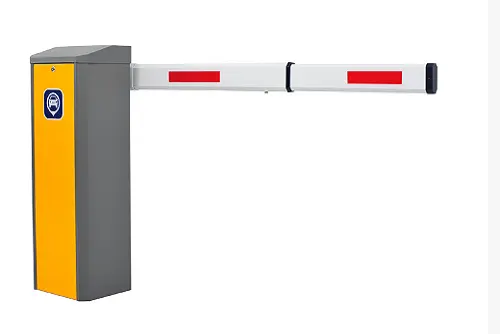
Managing vehicle access efficiently matters deeply for shopping malls, airports, residential communities, office complexes, and commercial parking lots across the United States. Traffic control barrier gates, particularly automatic rising straight arm boom barriers, deliver reliable performance by combining precision engineering with intelligent control systems. These barriers operate through integrated electromechanical mechanisms featuring high-torque motors, durable aluminum arms, responsive sensor arrays, and cloud-connected control platforms. When vehicles approach, detection systems trigger the motor to raise or lower the arm smoothly within adjustable timeframes ranging from 1.5 to 6 seconds. This rapid response capability minimizes wait times while maintaining strict access control, making these systems indispensable for facilities requiring both security and operational efficiency.
How Automatic Rising Straight Arm Boom Barriers Work Efficiently
By understanding how barrier gates work, you can see why they've become standard tools in modern traffic control. Its design strikes a balance between mechanical strength and computer intelligence, which makes it possible to control the flow of vehicles without any problems. Automatic Rising Straight Arm Boom Barriers have become standard equipment for high-traffic environments due to this reliability.
Core Components Driving Performance
Parts that were carefully designed and manufactured are what make a barrier work well. At its core is a brushless DC motor that delivers constant force from -35°C to 80°C, making it reliable all year in a wide range of American conditions. The curved crank arm uses a three-link moving structure that spreads mechanical stress equally. This keeps pivot points from wearing out and makes the machine last a lot longer than most.When it comes to building, the metal boom arm strikes a careful balance between being light and strong. This choice of material keeps the motor's load as low as possible while still keeping the barrier rigid during operation. This way, it can handle wind loads and unexpected hits without losing its usefulness. The steel housing keeps the electronics inside safe from dust, the environment, and people trying to mess with them. This is very important for outdoor setups in places like parking lots and entry checks.
Intelligent Control Systems and Detection Technology
Modern barrier gates work well with electronic toll collection (ETC) platforms, license plate recognition (LPR) systems, and Bluetooth-enabled entry control. Wire control compatibility makes installation easy and compatible with current parking management systems, which lowers the complexity of adoption and the costs that come with it. With cloud connectivity, watching and controlling multiple entry points from a central management tool is possible. This means that building managers can keep an eye on many entry points at once without having to staff each one.This triple anti-crushing safety system is a big step forward in protecting both pedestrians and vehicles. This multilayered method uses infrared photoelectric beams across the tunnel, pressure sensors built into the arm, and motor current tracking to find resistance when the arm hits something unexpected. When it detects something, the device immediately changes the direction of the arm, which keeps people and cars from getting hurt. The tamper alarm function increases security by warning operators of efforts to interfere without permission, which is a typical problem with access points that are not supervised.
Operational Flexibility Across Scenarios
Facility managers can precisely control how traffic flows because working speeds can be changed between 1.5 and 6 seconds. Faster cycle times are better in places with a lot of traffic, like airport parking garages. On the other hand, slower, quieter operation might be preferred in residential areas to avoid noise disturbance. This flexibility also applies when the power goes out. The manual release system lets security staff work the barrier by hand, and when the power comes back on, the automatic reset feature kicks in.

Benefits of Using Automatic Rising Straight Arm Boom Barriers in Traffic Control
When you use advanced barrier systems, you can see real gains in security, operational efficiency, and financial success. When you compare Automatic Rising Straight Arm Boom Barriers to human gate operations or less advanced barrier technologies, these benefits become even more clear.
Enhanced Traffic Flow and Reduced Congestion
Real-time vehicle detection and quick arm reaction cut down on lines of cars at entry and exit places by a huge amount. Shorter entry times help shopping malls right away by making customers happier and cutting traffic in the parking lots, especially on weekends and holidays when the malls are very busy. The method quickly checks cars for security without sacrificing speed, so even when there are a lot of them, the flow stays smooth.Airports that have to handle thousands of car moves every day through parking lots need barrier systems that can work nonstop without losing their effectiveness. The Automatic Rising Straight Arm Boom Barrier meets this need with its strong construction and well-thought-out mechanical design, which keeps cycle times constant over long periods of operation. Integration with payment systems and pre-authorization platforms lets deals happen without touching anything, which speeds up the handling of vehicles even more.
Cost Advantages and Operational Savings
The difficulty of installation has a direct effect on project costs and rollout times. When compared to hinged or folding barriers, straight arm barriers are easier to install, which saves money on labor and time spent getting the site ready. Because there aren't as many pivot points and connections that might need to be adjusted or replaced over time, the simple mechanical design also means that it needs less upkeep.Total cost of ownership estimates show that the tools will save a lot of money over its lifetime. The two-year guarantee, along with online help 24 hours a day, seven days a week, and 30-minute remote assistance, lowers the costs of downtime caused by broken equipment. Lifelong maintenance support makes sure that operations will keep running smoothly for a long time without any surprise service costs. Instead of dealing with emergency fixes that stop operations and put a strain on budgets, facilities can plan for planned maintenance activities.
Versatility Across Diverse Environments
Customization choices that match the look of barriers with the architecture of shopping malls and office buildings are helpful for commercial parking lots that serve those areas. Custom color finishes let barriers look like they were designed to go with the building's exterior instead of being an afterthought. With boom arms that can extend up to 6 meters, wide lanes for delivery vehicles and emergency entry routes can be made without having to place multiple barriers.Communities with homes put a high value on being quiet and integrating resident entry cards or mobile apps. The cloud-connected platform lets people control barriers from afar, so they don't need real access cards. For security reasons, the platform keeps full access logs. Offices like that the machines can be used without being watched, which cuts down on worker needs while still allowing strict access during business hours and after hours.
Types and Comparison of Rising Boom Barriers for Informed Procurement
To choose the right barrier tools, you need to know what options are available and how the technical specs match up with the operational needs. Decisions about procurement affect both the short-term usefulness and the long-term success of Automatic Rising Straight Arm Boom Barriers operations.
Structural Variants and Application Suitability
Straight arm barriers are ideal where reliability and simplicity matter most. Their single rigid arm spans lanes without complex joints, reducing maintenance and failure risks. This makes them suitable for high-frequency use with hundreds of daily cycles. Folding or articulated designs solve height limitations by bending during operation, reducing vertical clearance needs. However, added mechanical complexity increases maintenance requirements and potential failure points, making them better suited for space-constrained environments rather than heavy-duty continuous operations.
Technical Specifications Influencing Performance
Arm length strongly affects performance. Short arms (2–3 meters) operate faster, around 1.5 seconds, ideal for high-traffic sites. Longer arms (up to 6 meters) require slower speeds of 4–6 seconds to maintain stability. For facilities exceeding 1,000 daily cycles, systems with cycle times under three seconds are recommended. Control systems vary from simple open/close functions to advanced platforms with system integration, real-time monitoring, access logging, and remote diagnostics, which enhance operational efficiency and management.
Procurement Considerations and Supplier Selection
Cost should reflect quality and support, not just initial price. Lower-cost systems may compromise motor durability, control features, or warranty coverage, leading to higher long-term expenses. Reliable suppliers offer strong warranties, global support, and proven project experience. Delivery timelines also matter—standard units may ship in 5–7 days, while customized systems take 10–15 days. Buyers should verify ISO 9001:2015 certification, review patents for innovation, and examine past installations to ensure supplier credibility and product reliability.
Installation, Maintenance, and Lifespan Best Practices
Maximizing the performance and lifespan of an Automatic Rising Straight Arm Boom Barrier system starts with installing it correctly and continues with following the set upkeep procedures. Paying attention to these operating aspects keeps equipment from breaking down early and makes sure it works well throughout its lifetime.
Site Preparation and Installation Protocols
A stable foundation is essential for long-term reliability. Reinforced concrete bases must resist shifting and support operational loads. Electrical wiring should meet safety codes and provide stable power with surge protection. During installation, precise sensor alignment ensures accurate vehicle detection without interference. Testing all functions, including manual release and power recovery, confirms readiness before operation. Following manufacturer guidelines prevents setup errors that could compromise safety or efficiency.
Preventive Maintenance Requirements
Routine maintenance improves reliability and extends service life. Sensors should be cleaned regularly to prevent detection errors. Motors require inspection for temperature stability, electrical connections, and smooth operation. Mechanical checks include lubrication of moving parts, verification of spring tension, and tightening of mounting bolts. Monitoring current draw and unusual noises helps detect early wear. Using original manufacturer parts ensures compatibility and maintains warranty coverage, while non-standard components may cause performance issues.
Troubleshooting and Lifespan Optimization
Common issues include sensor misalignment, power instability, and environmental impacts. Structured troubleshooting procedures help technicians quickly identify and resolve faults, minimizing downtime. Remote diagnostics enable faster support without on-site visits. Environmental conditions such as humidity, extreme temperatures, and corrosion affect durability. Upgrading to stainless steel housings improves resistance in harsh environments. Periodic upgrades to control systems and safety features extend system lifespan and maintain performance standards.
Choosing the Right Automatic Rising Straight Arm Boom Barrier for Your Business
By matching Automatic Rising Straight Arm Boom Barrier specs to operating needs, you can get the best performance and avoid the costs and gaps in capabilities that come with over- or under-specification. A methodical review process takes into account both current wants and plans for growth in the future.
Aligning Specifications With Application Needs
Traffic volume determines system requirements. Low-traffic sites can use standard-duty models, while high-traffic facilities need heavy-duty components designed for continuous operation. Environmental conditions influence material selection, such as corrosion-resistant housings for coastal areas. Safety requirements depend on pedestrian interaction levels, with advanced sensors needed for busy environments. Facilities handling large vehicles require longer arms and appropriate clearance to ensure safe and efficient operation.
Customization and Energy Efficiency
Customization allows systems to match specific project needs. Brushless motors provide quieter operation and lower energy consumption compared to traditional designs. Servo motors offer precise control but at higher cost. Software customization enables integration with access control and building systems, while open protocols prevent vendor lock-in. Energy-saving modes reduce power usage during low traffic without affecting response time, improving overall efficiency.
Evaluating Investment Against Long-Term Costs
Total cost of ownership includes maintenance, energy use, downtime, and service support over a 10–15 year lifespan. Reliable suppliers offer strong warranties, responsive technical support, and consistent spare parts availability. Manufacturers like ZOJE provide standardized and customized solutions with certified quality processes and global service networks. Their experience across multiple industries ensures dependable performance, efficient delivery, and long-term value, helping businesses maintain operational stability while controlling costs.
Conclusion
Efficient traffic control barrier gates are an important part of modern building management in areas like transportation, homes, and businesses. Automatic Rising Straight Arm Boom Barriers work at their best because they have a strong frame, smart controls, and many safety features that keep people and property safe while keeping traffic moving smoothly. Implementations that meet both short-term needs and long-term operational goals are more likely to be successful if you understand operational principles, carefully consider configuration choices, and work with experienced providers. These barriers are reliable for a wide range of uses in the American market that need reliable entry control. They have speeds that can be changed, can work in high temperatures, can be easily integrated into other systems, and come with full warranty support.
Frequently Asked Questions About Traffic Control Barrier Systems
1. What maintenance intervals do automatic rising straight arm boom barriers require?
Schedules for routine upkeep rely on how busy the business is and the weather. Standard advice says that locations that process less than 1,000 cycles per day should be inspected every three months, while places that process more than 2,000 cycles per day should have service visits every month. As part of maintenance, sensors are calibrated, mechanical links are oiled, electrical connections are checked, and safety systems are put through operating tests to make sure they keep working at their best and don't break down unexpectedly. Automatic Rising Straight Arm Boom Barriers require consistent attention to maintain high performance.
2. Which safety certifications should clients verify before procurement?
When professional installations are done, they have to follow safety standards like UL approval for electrical parts, CE marking for European conformity when needed, and local building rules that cover automatic gate systems. ISO 9001:2015 approval shows that a maker is committed to quality management processes. Product patents, on the other hand, show technical innovation and intellectual property security that sets better solutions apart from generic alternatives.
3. Can barriers integrate with existing traffic management systems?
There are several ways for modern barrier systems to link to complete property management platforms so that they can work together. Wire control interfaces make it easy to connect to parking management systems that use switch signal protocols. Network access works with LPR, ETC, and Bluetooth platforms. Cloud-based systems make it possible to watch multiple installation sites from one place. They do this by giving unified control interfaces and consolidated data, which makes operational management for spread facility portfolios easier.
Partner With ZOJE for Reliable Automatic Rising Straight Arm Boom Barrier Solutions
ZOJE provides tested traffic control barrier systems that combine top-notch engineering with quick, local support all over the world. These systems are used in airports, shopping malls, residential areas, office buildings, and business parking lots all over the United States. Our Automatic Rising Straight Arm Boom Barrier provider can quickly deliver standard setups within 5–7 days and customized solutions within 10–15 days. We are ISO 9001:2015 certified and offer full 2-year warranties on all of our products. Enjoy the benefits of customizable speeds between 1.5 and 6 seconds, temperature stability from -35°C to 80°C, three safety systems that prevent crushing, and easy interaction with LPR, ETC, and Bluetooth platforms. ZOJE offers technical support 24 hours a day, seven days a week. They offer 30-minute online help and lifetime upkeep, so you can be sure that your investment will keep working at its best for as long as it's in use. Email our team at info@zoje-tech.com to talk about your specific needs, get full specifications, or get quotes that are made to fit the access control needs of your building.
References
1. Smith, J. & Thompson, R. (2021). Modern Access Control Systems: Design and Implementation Strategies for Commercial Facilities. Industrial Security Press.
2. Chen, L. (2022). "Electromechanical Barrier Systems: Performance Analysis and Optimization Techniques," Journal of Transportation Infrastructure Management, 18(3), 245-267.
3. National Parking Association (2023). Best Practices Guide for Automated Vehicle Access Control in Parking Facilities. NPA Technical Standards Committee.
4. Williams, K. (2020). Traffic Management Technologies: Comparative Analysis of Barrier Gate Systems. Infrastructure Solutions Publishing.
5. Zhang, M. & Rodriguez, A. (2023). "Lifecycle Cost Analysis of Automated Boom Barriers in High-Traffic Environments," Facility Management Quarterly, 41(2), 112-129.
6. American Society of Civil Engineers (2022). Guidelines for Installation and Maintenance of Vehicular Access Control Equipment. ASCE Transportation Division Technical Report.

Send Inquiry
You may like

Related Industry Knowledge
- Parking Automatic Payment Station Integrated with LPR System Buyer’s Guide
- Is Straight Arm Barrier Gate Reliable Outdoors?
- Interlocking Full-Height Turnstile Gate Structure
- OEM Anti-Tailgating Turnstile Supplier Guide
- Top Benefits of Anti-Collision Flap Turnstile Gate Systems
- What Is Bridge-Style Tripod Turnstile? Design & Benefits
- Interlocking Full-Height Turnstile Gate Benefits
- Best LPR Server for Extreme Weather Conditions
- Best LPR Server for High-Density Traffic Monitoring
- Smart Ticketless ANPR Parking System vs Ticket Parking System