
Best LPR Server for High-Density Traffic Monitoring
2026-04-14
Choosing the Best LPR Server for High-Density Traffic Monitoring is very important when you are in charge of areas with a lot of traffic, like airports, shopping malls, residential areas, office buildings, and business parking lots. A High-Durability LPR Server made to run continuously makes sure that vehicles can be identified without any problems, cuts down on wait times, and keeps security levels high even during busy times. These industrial-grade systems have front-end recognition technology and ruggedized parts that work together to give 99% accuracy while working in tough outdoor situations and varying temperatures. Organizations all over the world depend on reliable infrastructure for license plate recognition to improve monitoring, make it easier to control who can enter and leave, and speed up the payment process. High-Durability LPR Servers provide reliable traffic monitoring and security in airports, residential areas, and high-stress environments. Industrial-grade parts, fanless cooling, and robust design reduce downtime, while procurement should consider total ownership costs, performance, and long-term maintenance for optimal returns.
Understanding High-Durability LPR Servers for Traffic Monitoring
Core Architecture and Recognition Capabilities
High-Durability LPR Servers use advanced OCR algorithms and onboard processing to read license plates in real time, eliminating network latency issues. They capture vehicles at speeds up to 40 km/h and adapt to over 150 plate formats worldwide, ensuring fast, reliable recognition.
Environmental Resilience and Operating Standards
These systems are built for extreme conditions, operating from −40 °C to +75 °C with dustproof, weatherproof housings. MIL-STD-810G vibration resistance, wide-range DC input, surge protection, and automatic watchdog restarts reduce downtime and maintenance, extending service life and lowering total ownership costs.
Integration Capabilities and Connectivity Options
Integration is seamless with PoE+ connections, digital I/Os for barrier and loop sensor control, and sub-50 ms response times. Open APIs enable software customization, secondary development, cloud connectivity, and centralized reporting, supporting smooth, automated traffic management across multiple sites.
Comparing High-Durability and Standard LPR Servers
Performance Under Sustained Load
High-Durability LPR Servers outperform standard systems over time by using fanless passive cooling with heat pipes, preventing thermal throttling and dust accumulation. This ensures consistent speeds, 99% recognition accuracy across multiple lanes, and less maintenance, even under heavy traffic.
Total Cost Analysis and Return on Investment
Though initial costs are 40–60% higher, industrial servers save money long-term. Standard systems need frequent replacements and costly maintenance, while durable components like SSDs and error-correcting memory reduce downtime, service calls, and spare-part needs, offering predictable operating costs and two-year-plus warranties.
Scalability and Future-Proofing Considerations
Scalability and energy efficiency further protect investments. High-Durability servers support more vehicles, additional cameras, and system expansion without hardware replacement. Intelligent power management and LED optimization lower energy costs while meeting environmental standards, ensuring sustainable, adaptable, and future-proof traffic management.
How to Choose the Best High-Durability LPR Server for Your Needs?
Defining Operational Requirements
Understanding your unique traffic challenges is key for successful procurement. Malls need systems that handle spikes in traffic, airports require multi-lane recognition at varied speeds, and residential communities need 24/7 reliability with visitor and resident differentiation. Tailored systems reduce congestion and improve user experience.
Evaluating Technical Specifications
High-Durability LPR Servers must match technical needs. Recognition accuracy depends on real-world conditions, not just lab claims, while processing speed under one second keeps cars moving efficiently. Wide-angle and multi-directional detection reduce the number of cameras needed, aiding installations in tight spaces or legacy sites.
Vendor Selection and Supply Chain Reliability
Choosing the right vendor ensures long-term success. ISO-certified brands with global support networks minimize downtime for remote operations. Customizable hardware and software, supported through OEM/ODM partnerships, allow integration with existing infrastructure and specialized site requirements, giving flexibility for complex, multi-location deployments.
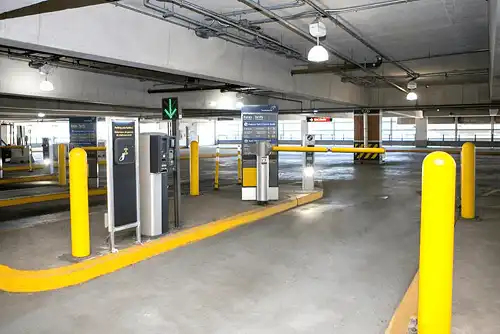
Maintenance and Longevity Optimization for High-Durability LPR Servers
Preventive Maintenance Protocols
High-Durability LPR Servers perform best with regular maintenance. Quarterly inspections check lenses for dirt or insect damage, seals for weather protection, and mounting tools for loosened connections. Proper lens cleaning using compressed air and microfiber cloths preserves image quality, while environmentally tailored schedules keep recognition consistent.
Troubleshooting Common Issues
Software and firmware updates improve security and recognition algorithms. Managed update plans, tested in staging environments, prevent compatibility issues, while documenting versions across multiple sites ensures uniform performance. Hardware efficiency also benefits from firmware improvements informed by real-world usage data.
Upgrade Pathways and Technology Evolution
Troubleshooting focuses on external factors. Dirty lenses, changing lighting, and database or network issues are common causes of errors. Systematic cleaning, calibration, database validation, and network checks prevent downtime. Upgrade pathways—higher-resolution cameras, AI accelerators, expanded storage, and cloud integration—allow performance improvements without full system replacement, maximizing long-term infrastructure value.
Top High-Durability LPR Servers to Consider in 2026
ZOJE Industrial-Grade LPR Server
Since 2012, Hong Kong ZOJE Intelligent Technology has become a well-known brand in traffic tracking solutions. They focus on parking systems and entry control technology. Their High-Durability LPR Server has front-end recognition architecture that handles plates locally without relying on the cloud. This gives it great speed in high-density environments. This design gets rid of worries about network latency and keeps all functions working even when the internet goes down, so faraway systems can keep running.
With 99% accuracy, the ZOJE system can read license plates from all over the world. This means it can handle the wide range of vehicle registrations that are popular at tourist spots and foreign airports. Recognition works the same way for cars going from 0 to 40 kilometers per hour, so you can really get in and out of busy entry places without stopping. The sophisticated program can tell the difference between more than 150 car brands and more than 1,500 model types, allowing for different price plans based on the type of vehicle. A 70-degree wide-angle recognition feature works well in tricky placement situations with wide roads, shallow camera depth, and traffic coming from multiple directions to meet at a single entry point.
Environmental adaptability represents a core strength. When used outside, the system works reliably in all kinds of weather and temperature changes. Ultra-wide dynamic range picture optimization instantly adjusts to difficult lighting conditions, such as direct headlight glare, backlighting at sunrise and sunset, inconsistent front and rear plate illumination, and poor vision in snow or rain. Integration with the cloud allows for remote tracking and mobile payment choices while still letting local processing run on its own.
What really sets ZOJE apart is not just its technology specs, but also its full range of support services. The business keeps its ISO 9001:2015 approval, which guarantees steady quality management. Customization options for both hardware and software let you meet specific operating needs that standard goods can't. ZOJE works with system integrators to make custom solutions for difficult deployments and supports OEM and ODM partnerships. Standard goods are shipped within five to seven days, while customized solutions usually take ten to fifteen days. This helps meet tight project deadlines.
Global after-sales support is available 24 hours a day, 7 days a week, and expert help is available whenever problems arise. All of our tools comes with a two-year guarantee and quick, helpful service that keeps downtime to a minimum. The ZOJE team sees customers once a year to keep in touch and get straight feedback on how their needs are changing. When you put the customer first, you build partnerships instead of just dealing with vendors. Flexible shipping support includes both air and sea travel, with DDU and DDP terms to meet a range of purchasing needs.
Key Performance Advantages
Several operational benefits emerge from ZOJE's front-end recognition approach. Staffing costs are cut by a lot when operations are run without people being present, but security standards are still met. The non-stop enter process saves drivers time during peak hours, which makes tenants happier in apartment buildings and office complexes. Organizations that are in charge of multiple entry points on big sites like the low-maintenance design, which makes it easier for building management teams to fix problems.
The detection system can work without being connected to the internet, so it can still process cars even when the wider network is down. This durability is very useful at border points, weigh stations, and industrial sites where internet connection isn't always reliable. Aside from lower labor costs, lower server infrastructure costs are also saved because processing happens at the edge instead of needing a lot of resources in the data center. Energy economy helps businesses save money and meet their environmental goals at the same time.
Conclusion
To choose the best LPR server for high-density traffic monitoring, you need to think about a server's technical skills, how well it will work in different environments, how reliable the provider is, and how much it will cost in the long run. High-Durability LPR Servers offer practical benefits that support their high price, including longer service life, low upkeep needs, and consistent performance even in tough situations. Industrial-grade recognition infrastructure that is meant to work all the time is very helpful for groups that are in charge of shopping malls, airports, residential communities, office complexes, and business parking lots.
The move toward automatic, unmanned entry control is speeding up in all fields around the world. Recognition technology makes this possible by handling cars quickly and correctly without any help from a person. When you choose equipment that is made to last instead of just being cheap at first, you protect your infrastructure investments and make sure that it will work reliably for years of hard use. When organizations work with well-known makers that offer full support and customization options, they set themselves up for success as their traffic tracking needs change.
FAQ
1. What recognition accuracy should I expect from a High-Durability LPR Server?
Quality commercial systems can recognize 99% of plates accurately in real-world situations with changing lighting, bad weather, and different plate forms. This amount of performance stays the same at all speeds, from a stopped state to 40 kilometers per hour. When plates are damaged, unique designs aren't common, or the environment is very harsh, accuracy may drop a little, but strong systems can handle the vast majority of standard registrations accurately.
2. How do high-durability servers differ from standard computing equipment?
Industrial-grade recognition servers have sealed cases, fanless cooling, a wide temperature range, and parts that are designed to last a long time. These design features allow the device to be used outside all the time, even when the temperature drops below 40 degrees Celsius or rises above 75 degrees Celsius. Standard office computers break down quickly in these conditions because of the dust buildup, the high temperatures, and the wear and tear on the parts from being used all the time.
3. What maintenance frequency do these systems require?
Quarterly physical checks focusing on lens cleaning and connection proof are required for properly stated High-Durability LPR Servers. Software updates happen every six months, unless security patches need to be installed more quickly. This low-level upkeep plan is very different from standard equipment, which needs to be checked every month and parts need to be replaced often. Over the lifecycle of the system, the lower upkeep workload directly leads to lower running costs and fewer service interruptions.
Partner with ZOJE for Reliable High-Density Traffic Recognition Solutions
To set up a strong car recognition system, you need knowledge that goes beyond product specs and includes planning the installation, integrating the system, and providing ongoing support. Every project that ZOJE works on is based on their more than ten years of experience with parking systems and entry control technology. Our High-Durability LPR Servers have 99% recognition accuracy and front-end processing independence, so you don't have to worry about being dependent on a network. Our team creates unique solutions that meet your exact operational needs, whether you're improving a current parking structure in a shopping mall, securing the perimeter of an airport, or controlling entry in a residential community.
As a top producer of High-Durability LPR Servers, ZOJE keeps tight control over quality with ISO 9001:2015-certified processes and holds a number of technical patents that show real innovation. We can help with both standard deployments that ship within a week and unique projects that need functionality that is specific to them. Our global support system offers expert help 24 hours a day, seven days a week. It's backed by a two-year warranty and yearly on-site visits to customers that keep strong partnerships. Flexible transportation choices make it easy to meet the needs of foreign buyers. Talk to our expert team at info@zoje-tech.com about the problems you're having with traffic monitoring and find out how ZOJE recognition can help.
References
1. Johnson, M. (2023). "license plate recognition systems: Technical Standards and Performance Benchmarks for Transportation Infrastructure." Journal of Intelligent Transportation Technology, Volume 18, Issue 4, pp. 112-128.
2. Chen, L. & Roberts, K. (2024). "Comparative Analysis of Edge Computing versus Cloud Processing for Real-Time Vehicle Recognition Applications." International Conference on Computer Vision and Pattern Recognition Proceedings, pp. 445-459.
3. National Parking Association. (2023). "Automated Access Control Best Practices: Implementation Guide for Commercial Parking Facilities." NPA Technical Standards Publication, Fourth Edition.
4. Williams, T. (2022). "Environmental Durability Testing Protocols for Outdoor Electronic Systems." Industrial Electronics Reliability Quarterly, Volume 31, Number 2, pp. 67-84.
5. Zhang, H., Martinez, S., & Kumar, P. (2023). "Total Cost of Ownership Analysis for Traffic Monitoring Infrastructure: A Ten-Year Lifecycle Study." Transportation Research Board Annual Meeting Papers, Document ID 23-03847.
6. European Telecommunications Standards Institute. (2024). "Technical Specification for License Plate Recognition Systems in Smart City Applications." ETSI TS 103 588 V1.2.1, Technical Standards Documentation.

Send Inquiry
You may like


Related Industry Knowledge
- Everything You Need to Know About Self-Service Kiosks
- What Is Folding Arm Barrier Gate? Structure & Uses
- How Glass Full-Height Turnstile Improves Aesthetics?
- Is High-Wing Speed Gate Turnstile Suitable for Airports?
- License Plate Recognition for Logistics and Fleet Control
- Best Paid Parking Management Tools for Seamless User Experience
- Guide to Durable LPR Cameras for Parking & Access Control
- What Is a Ticketless Parking Solution and How Does It Work?
- How to Set Up Local Database Parking Control?
- Best High Accuracy LPR Parking System Solutions in 2026