LED Display Screen Makes Parking Lot More Convenient
2026-09-03
Modern parking facilities face a critical challenge: how to efficiently guide drivers to available spaces without creating confusion or frustration. A parking guidance led display screen transforms this challenge into an opportunity by providing real-time vacancy information at key decision points throughout the facility. These intelligent displays connect directly to sensor networks, instantly showing drivers where open spots exist, reducing search time by nearly half while maximizing the utilization of every parking space. Unlike traditional static signage that leaves drivers guessing, LED-based guidance systems deliver dynamic, accurate information that adapts to changing conditions throughout the day, creating a smoother experience for everyone entering your facility.
Understanding Modern Parking Challenges and Smart Display Solutions
Parking issues at commercial locations worldwide affect tenant satisfaction and corporate expenditures. Drivers squander minutes switching lanes during peak hours, causing traffic bottlenecks inside establishments that frustrate consumers and make them less desirable. This search method increases car emissions within buildings, raising concerns about air quality and environmental certifications.
The Hidden Costs of Inefficient Parking Management
There is more and more pressure on property owners from many sides. Tenants say that parking problems are making it hard for people to walk into their businesses. In markets with a lot of competition, building owners are looking for ways to make their properties stand out. At the same time, more and more sustainability certifications need smart building technologies that show measurable improvements in energy efficiency.
Traditional methods, such as set signs or human workers, are not good at solving these issues. When things change every minute, static signs lose their meaning. Manual systems require ongoing costs for work and allow mistakes to be made by people. Neither method gives the data insights that modern building management needs to improve operations.
How Intelligent LED Displays Transform the Parking Experience
These problems can be solved by digital guidance technology that sends information automatically and in real time. Each parking space has sensors that constantly check to see if it is occupied and send this information to a central management system. The system takes this information and updates screens all over the building so drivers can see exactly where there are open spots right now.
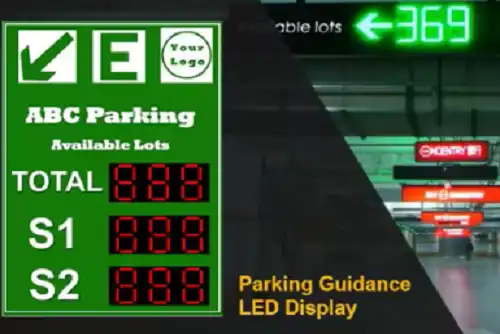
This method gets rid of the chance game that comes with regular parking. As soon as drivers enter the building, displays at the door show them how many spots are available. At decision points like intersections, ramps, or zone exits, extra screens direct traffic to areas that are available. This way, drivers don't have to waste time looking around parts that are already full. This leads to faster parking, less traffic inside the building, and much higher user satisfaction.
Core Components and Working Principles of LED Guidance Systems
Knowing how these systems work helps people who work in buying make smart choices about how to apply them. For parking guidance technology to work well, it needs to have a lot of different parts that all work together smoothly.
Essential System Architecture Elements
Occupancy recognition monitors are the building blocks of any guidance system. These gadgets check each parking spot with ultrasound, infrared, or video technology to see if it is filled or empty. Good sensors give accurate data even when there isn't much light or when the car type is changing.
There is a central controller or management server that is linked to these sensors and gathers data from all over the building. This controller has software that figures out availability at the zone and building levels and then uses business logic to handle traffic efficiently. The software takes into account things like how far away entrances are, the needs of people with disabilities, and even patterns that change depending on the time of day.
Display screens are the obvious parts of the parking process that cars deal with. Screens at the front door usually show how many spaces are available, and they may break this down by floor or zone. Arrows, numbers, and color coding are used on displays at decision points to show the way traffic should flow. Individual space signs above each spot are the last word on availability.
Communication Protocols and Data Synchronization
Industrial-grade communication standards let modern guidance screens like the parking guidance led display screen talk to the main system. For big buildings, RS485 wiring is a good choice because it can send data reliably over lengths of up to 1,200 meters. TCP/IP networking gives you even more options; it lets displays connect to current building control networks and lets you keep an eye on them from afar.
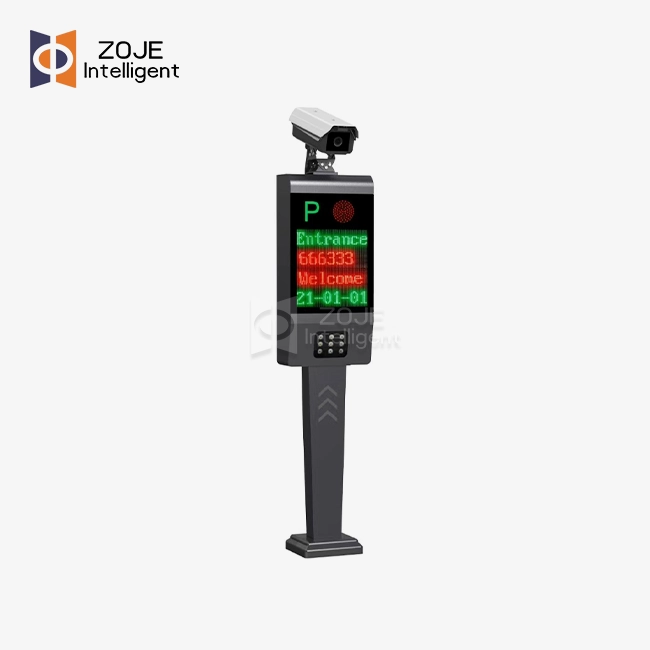
Professionals can use the ZOJE-3N-1 entry screen example to show how these ideas can be put into practice. This one-way entrance display gets constant data updates through RS485 or TCP/IP connections. This makes sure that drivers see the most up-to-date information on open positions as soon as they get close to the building. The 24-hour real-time synchronization means that the numbers shown are always accurate and don't lag. This keeps drivers from getting frustrated as they follow out-of-date information to areas that are now full.
Display Technology Specifications That Matter
Not all LED signs work as well as others, especially in parking lots with a lot of obstacles. For outdoor entrance screens to stay visible in direct sunlight, they need to be brighter than 5,500 nits. With its high-intensity LED technology and anti-glare design, the ZOJE entrance option makes it easy to see outside, even when the light is bright.
Indoor guide screens have their own problems, like making sure they are bright enough without distracting or bothering the driver. Red LEDs for open and green LEDs for filled statuses make bi-color displays easy for drivers to understand without having to read long blocks of text. Wide viewing angles make sure that cars can still read the information even as they come up from different directions and distances.
Comparing LED Guidance Technology with Traditional Parking Methods
When you look at operational efficiency and user experience metrics, you can see right away the difference between traditional and intelligent parking guidance.
Limitations of Conventional Approaches
Static signs don't say anything about what's available right now. A sign that says "Visitor Parking Level 3" doesn't tell drivers if there are parking spots on that level. Drivers have to look into things on their own, and the area is often full, so they have to go back. We are wasting time, fuel, and patience with this try-and-fail method.
Using attendants for manual direction brings variable service quality and ongoing labor costs. There isn't enough room in a facility for attendants to be at every decision point. During busy times, their information is out of date in minutes. Staff costs keep going up, and it's hard for facilities to keep service during breaks or shift changes.
Quantifiable Advantages of Automated LED Systems
Digital guide systems get rid of these wasteful practices by running automatically all the time. At every choice point, drivers get correct information without any help from a person. The method works the same way at 3 AM and 3 PM, on weekends and during the week. This keeps the level of service constant.
Facilities that use professional LED guidance say that traffic flow improves by 35 to 50 percent during peak times. This efficiency directly leads to happier users and, for commercial properties, more interested tenants. Stores know that customers who can quickly find a parking spot spend more time shopping and less time looking for spaces.
Long-term upkeep costs are also lower with quality systems like ZOJE's entry displays because they are made up of separate modules. When a part needs to be fixed, techs can change individual modules instead of taking whole units apart. Damage that would need expensive fixes or replacements is avoided by built-in security against electrical problems like short circuits and voltage changes.
Data Analytics Capabilities for Strategic Management
In addition to helping with operations right away, digital guidance systems gather useful information that older methods can't. Facility managers learn about how the space is used at different times of the day, on different days of the week, and during special events. This information helps with making smart choices about pricing, traffic flow, and planning for future capacity.
Analytics show which zones are in the most demand and which ones aren't being used enough. With this information, managers can change the guiding logic to better distribute traffic and make the most money from every area. Some sites even have dynamic pricing systems that change prices based on info from the guidance network about demand in real time.
Selecting the Right Display Solution: A Procurement Guide for Property Managers
When project managers and engineering directors look at guidance systems, they need to think about more than just the price of the original buy. This is to make sure that the systems work well and are worth money in the long run.
Critical Technical Specifications to Evaluate
The brightness and contrast levels of your display determine how well you can see it in the lights in your building. Displays outside of entrances need to be much brighter than displays inside. To check claims, ask for photometric test data that shows performance in a variety of lighting conditions.
Ratings for environmental protection show how long something will last in tough conditions. The IP65 standard protects against dust and water jets coming from any direction. This is very important for outdoor installations and buildings that are in humid areas. Temperature working ranges should meet the extremes in your area. For example, screens must work consistently from -20°C to +65°C to serve sites in a wide range of markets.
How easy it is for screens to connect to your current or planned sensor network depends on how well they can communicate with each other. Systems that work with both RS485 and TCP/IP are flexible enough to work with a wide range of building layouts and infrastructure issues. LoRa technology-based wireless options work well for retrofit projects where running cables would be hard.
System Integration and Scalability Considerations
For parking guidance to be fully useful, it takes more than just displays. Sensor integration, central control software, and network infrastructure all need to work together smoothly. Complete system solution providers make buying easier by giving bundled parts that have been tested to work well together, lowering the risks of implementation.
The ZOJE entry screen, a parking guidance led display screen, works perfectly with detector networks and gets real-time data sync that quickly changes the state of available spaces. When you use parts from different sources without coordinating, you can run into compatibility problems. This system-level design method stops those problems.
Scalability is important, especially for properties that are going to grow or for developments that are being built in stages. Guidance systems should be able to add floors or zones without having to replace the core infrastructure. Software platforms should be able to handle thousands of sensors and hundreds of displays without slowing down.
Vendor Capabilities Beyond the Product
Beyond product specifications, a supplier's service skills are also looked at because they are key to the success of a project. Help with installation is very important, especially for projects that span foreign borders where electricity standards and mounting conditions are different. ZOJE offers detailed installation instructions and technical support 24 hours a day, seven days a week, so teams can get help no matter what time zone they are in.
Warranty terms show how confident the manufacturer is in the product's durability. Professional systems usually come with contracts that cover parts and work for at least two years. Options for longer warranties offer extra protection for projects that don't want to take risks or for mission-critical applications.
With the ability to customize, screens can be made to fit the look and feel of your building. OEM and ODM services let you change the size, colors, and placement of the logo on the case. This gives guide systems the freedom to improve the look of a property instead of taking away from it.
Implementation Best Practices and Performance Optimization
To successfully use LED guidance technology, you need to pay attention to the details of installation and ongoing management practices that get the most out of the system.
Strategic Display Placement and Installation Standards
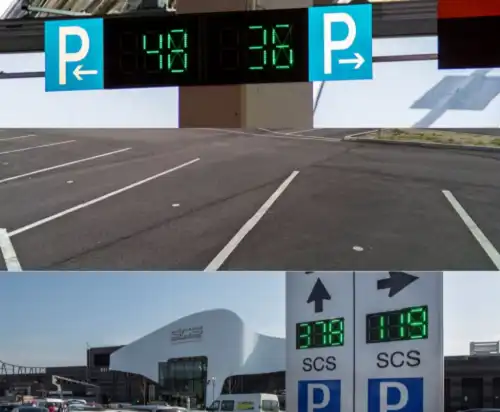
The position of the display has a big effect on how drivers react and how traffic flows. From the approach lanes, drivers should be able to see the entrance screens so that they have time to read the information. The readability of a display is affected by its mounting height and angle. Screens that are too high or at sharp angles are hard to read quickly.
Indoor directional displays belong in places where drivers have to make choices about which routes to take. Important places include intersections, ramp entries, and zone borders. Putting displays after choice points instead of before them doesn't help with direction.
Professional construction teams know these details and can suggest the best places to put things based on the shape of the building and how people use it. Quality entrance screens, like ZOJE's model, are easy to install because they are modular and come with instructions on how to put them together. This cuts down on the time and money needed for on-site labor.
Calibration and Testing Procedures
System tuning makes sure that screens show correct information that drivers can trust after the system has been physically installed. As part of this process, sensor readings are compared to real occupancy, transmission time parameters are changed, and the brightness of the monitor is tested in a range of lighting conditions.
To make sure the system keeps working well when it's busy, testing should mimic situations with a lot of traffic. Make sure that displays update quickly when the state of multiple places changes at the same time. Make sure that there are no dead spots or gaps in the network connection throughout the building.
Displays that can adapt to changes in outdoor temperature keep working well even when the weather is bad. Good systems have built-in temperature adjustment that changes the driving current for LEDs to keep the light and color stable even when the temperature changes outside.
Ongoing Monitoring and Maintenance Protocols
Even systems that are very reliable can use proactive monitoring to find problems before they affect operations. Diagnostic dashboards on modern guidance platforms show the status of the display, the health of the communication, and the performance of the sensors. Facility teams should look over these metrics on a regular basis, looking for outliers that could mean problems are starting to form.
Scheduled repair keeps systems running longer and stops them from breaking down without warning. Cleaning the faces of displays every three months keeps them visible. In wet places, rust problems can be avoided by checking electrical connections once a year. Updating system software adds new features made by the maker and improves efficiency.
Because ZOJE offers technical help and service 24 hours a day, seven days a week, building teams can quickly fix any problems that come up. This responsive support is especially helpful for properties in different time zones, which could cause service delays otherwise.
Conclusion
With parking guidance led display screen technology for smart parking guidance, parking lots can go from being a source of frustration to a competitive advantage for businesses. These systems directly solve operational problems that static methods can't. They do this by giving drivers real-time information that helps them find open spots quickly and efficiently, as well as useful analytics for strategy management. Quality guide displays, like ZOJE's door screen type, give complicated facilities the dependability, visibility, and ability to work with other systems they need. When property managers and engineering directors choose guide systems, they should look at more than just the technical specs. They should also see how well the provider can help with installation, make changes, and provide ongoing service. When installed and maintained correctly, intelligent LED guidance improves traffic flow, space utilization, and user satisfaction in ways that can be measured. This investment is recouped through higher property values and higher tenant appeal.
FAQ
1. What happens if the network connection fails during operation?
Professional parking guidance screens have an offline mode that keeps the service going even when the network goes down. When displays can't talk to the central computer, they either show the most recent information that was known or switch to basic messages that have already been set up. This design keeps mistake messages or blank screens from being too unclear, which would make drivers less confident in the system. Once network connectivity is restored, the display goes back to regular function automatically, so you don't have to do anything.
2. Can LED displays adjust brightness automatically for day and night conditions?
Photosensitive sensors built into good guide systems can sense how much light is around them and change the brightness of the display instantly. When it's very bright outside, the system turns up the brightness to keep the contrast and reading. The light goes down at nite to avoid glare that could temporarily blind or distract drivers in dark parking garages. This automatic adjustment makes LEDs last longer by cutting down on power use when there isn't much light.
3. How do you ensure color consistency when replacing display modules?
Because LEDs are made in different ways, replacement units might not work perfectly with old screens. This is taken care of by professional providers with point-by-point color fixing technology. When techs put in new modules, they send calibration coefficients to the display controller. These coefficients change the output of each LED to match the output of the modules around it. This makes sure that the whole display looks the same, even if different parts come from different production batches.
Partner with ZOJE for Complete Parking Guidance Solutions
Parking guidance led display screen systems for commercial properties around the world have been developed by Hong Kong ZOJE Intelligent Technology Co., Ltd. for more than ten years. Our ZOJE-3N-1 entrance display has the brightness, sturdiness, and real-time synchronization that demanding apps need. It also comes with full technical support and the ability to be customized in a number of ways. As both a manufacturer and a system developer, we offer full solutions that include everything from sensors and displays to central control tools. This means that you don't have to worry about coordinating solutions from different providers. Our engineering team can adjust both hardware and software for OEM and ODM partnerships. Standard setups take 5–7 days to deliver, while customized projects take 10–15 days. All goods come with two-year warranties and expert help available around the clock, seven days a week. For foreign projects, DDU and DDP logistics terms are also available. Get in touch with us at info@zoje-tech.com to talk about how our parking guidance led display screen options can improve your new construction or renovation project. You can look at our full line of products and read case studies from similar business uses by going to zoje-parking.com.
References
1. Smith, J. & Anderson, M. (2021). Intelligent Parking Systems: Technology Integration and Urban Mobility. Transportation Research Press.
2. Chen, L. (2020). "LED Display Technology in Smart Building Applications." Journal of Architectural Technology and Design, 15(3), 234-251.
3. International Parking Institute. (2022). parking guidance systems: Best Practices for Commercial Properties. IPI Professional Development Series.
4. Rodriguez, A. & Kumar, S. (2023). "Real-Time Data Synchronization in Parking Management Systems." Smart Cities Technology Review, 8(2), 112-129.
5. European Committee for Standardization. (2019). Road Traffic Signal Systems - LED Variable Message Signs (EN 12966). CEN Technical Standards.
6. Wallace, D. (2022). Commercial Real Estate Technology: Investment Returns from Smart Building Systems. Property Management Publications.

Send Inquiry
You may like

Related Industry Knowledge
- The Ultimate Buyer's Guide to Outdoor Parking Guidance LED Signage
- What Is AB-Type Glass Full-Height Turnstile? Mechanism
- How Automatic Parking Barrier Gate Improves Efficiency?
- Top Benefits of Tempered Glass Full-Height Turnstile Systems
- How Barrier Gate For Parking Lot Controls Traffic?
- Best Collision-Proof FlapTurnstile for High Traffic
- How LPR System for Smart City Parking Improves Urban Traffic Flow?
- Benefits of Intelligent Parking Systems for Urban Traffic & Sustainability
- Best Paid Parking Management Tools for Seamless User Experience
- LPR Camera with Open SDK vs Proprietary SDK: Which One to Choose?