
Why Choose Parking Exit Card and Ticket Validation Machine Systems?
2026-08-13
Modern parking facilities face mounting pressure to process vehicles quickly, prevent revenue loss, and operate with minimal staffing. A parking exit card and ticket validation machine addresses these challenges by automating the entire egress process. These intelligent terminals verify payment status, authenticate credentials, and control barrier access—eliminating manual intervention while maintaining security. Whether managing shopping malls, airports, or office complexes, implementing automated validation systems transforms chaotic exit lanes into streamlined operations that enhance both profitability and customer satisfaction.
Introduction: The Critical Role of Automated Validation in Modern Parking Management
Automated validation is a very important part of modern parking management. Parking exit card and ticket validation systems are the most important part of modern parking revenue control. By automating ID checks at exit points, these technologies speed up the flow of vehicles and cut wait times from minutes to seconds. Advanced anti-passback protocols and real-time database synchronization make security better by stopping people who aren't supposed to be there from getting in and sharing credentials. Getting rid of cashiers and reducing ticket fraud through digital validation workflows can cut operational costs by a large amount.
Business-to-business buyers want systems that can grow with the needs of the facility. A confirmation machine that can handle both temporary tickets and monthly access cards can work in places with a mix of uses, like office buildings with guest parking. Integration with current management software makes sure that data is clear, which lets building managers keep an eye on income trends, find patterns of peak usage, and make the best use of staffing schedules. These skills directly support the company's objectives for sustainability, customer satisfaction, and financial responsibility in parking lots with a lot of cars.
Understanding Parking Exit Card and Ticket Validation Systems
Core Technologies Powering Validation Machines
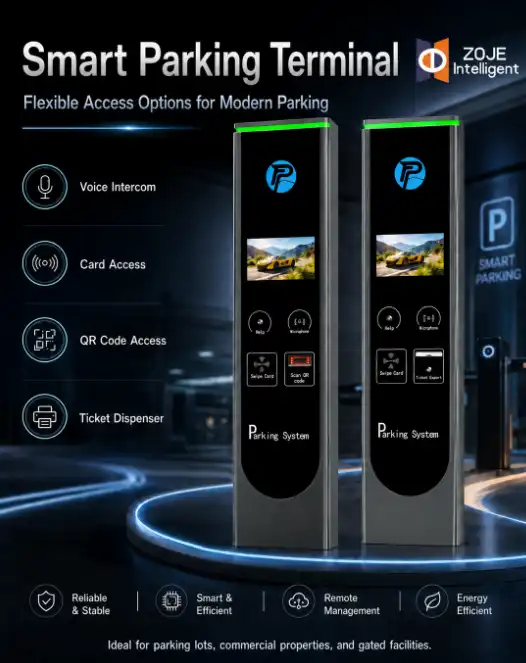
Automated validation terminals use more than one technology to recognize different types of credentials. Barcode scanning reads one-dimensional or two-dimensional codes that store entry timestamps and unique transaction numbers on paper tickets that are printed at the gate. RFID readers read contactless cards that work at 13.56MHz (Mifare) or UHF bands. This lets monthly parkers passing through at normal speeds log in without using their hands.
Magnetic stripe technology is still useful in older systems, but wireless ways are preferred because they last longer and are easier to read. The newest improvement is mobile app integration, which lets drivers validate their parking through apps on their phones that are connected to cameras that read license plates. There are pros and cons to each technology. Barcodes are cheap and easy to throw away, RFID is fast and convenient, and mobile options get rid of all real media.
Operational Workflow and Processing Logic
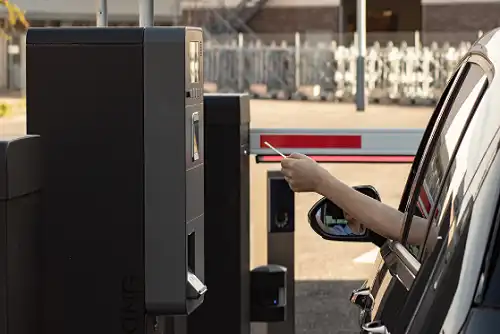
When a car gets close to the exit lane, the validation sequence starts. The driver shows their ID by either putting a ticket in the spot for acceptance or tapping an access card against the RFID reader. The terminal instantly uses a TCP/IP link to ask the central database about the password and get its status record. The system figures out how long the parking will take in total, applies any merchant validations or discount codes, and checks that the payment was made.
The machine sends relay outputs or Wiegand protocol signals to the barrier gate driver to open when the record shows that full payment has been made. The HD screen shows a green approval sign and voice prompts help the driver move forward. If there is still an amount to pay, the screen shows it and tells the driver to go back to a payment booth. More advanced models with built-in card readers can take payments right at the exit, but this makes the hardware more expensive and harder to maintain.
Maintenance Best Practices for Long-Term Reliability
Ticket transport systems need to be cleaned once a month to keep paper dust from building up and causing false jam mistakes. When alcohol-based cleaning methods are used on optical sensors and scanning heads, read accuracy stays above 99%, even when tickets are broken or wet. RFID antenna housings need to be checked for damage on a regular basis, especially when they are installed outside where they could be hit by a vehicle.
Database optimization is part of software maintenance to avoid query delays during busy times. Updates to the firmware fix security holes and make it work with newer password types. To keep downtime to a minimum when a component fails, facilities should keep extra RFID reader units and ticket transport parts on hand. Contracts for preventive maintenance with qualified technicians lower the cost of emergency repairs and make sure that the warranty terms are followed.
Core Benefits of Implementing These Systems in Large Parking Facilities
Enhanced Security Through Multi-Layer Authentication
Multiple security features in parking identification systems make it very hard for people who aren't supposed to be there to get in. The anti-passback code keeps track of each credential's entry and exit events and marks as suspicious any card that is presented at an exit but does not have a matching entry record. This stops multiple cars from sharing a monthly pass, which is a frequent way for thieves to get into business parking lots. Real-time database synchronization makes sure that lost or stolen keys can be turned off right away at all entry and exit points to the building.
Unlike older magnetic stripe cards, which can be read by skimming devices, RFID IDs can be encrypted to stop cloning attacks. License plate recognition adds a second level of security by instantly comparing the plate of the leaving vehicle with the registered vehicle of the ID. This two-step verification checks for situations where approved IDs are used with cars that aren't authorized. This stops organized parking fraud schemes.
Operational Efficiency and Throughput Optimization
When compared to human checkout lines, automated validation speeds up the processing of vehicles. A normal parking exit card and ticket validation machine finishes the proof process in less than two seconds. This is much faster than doing the same thing by hand, which takes 15 to 30 seconds and involves handling cash and writing receipts. This speed boost is very important during busy times at airports, shopping malls, and office buildings, when even small delays can cause a lot of people to be stuck.
Less work that needs to be done by hand means lower labor costs. By using automated validation terminals, a building with three exit lanes that are open 24 hours a day, seven days a week can get rid of six to nine cashier jobs. Staff can be moved to more important jobs, like helping customers, keeping an eye on the building, or coordinating maintenance. The consistency of automated processing also gets rid of mistakes made by people when figuring out fees and applying discounts, which makes sure that the right amount of money is collected.
Cost Savings and Revenue Assurance
In standard parking lots, ticket loss is a big source of lost income. When drivers come in to claim lost tickets, parking lots often charge flat maximum rates that may be less than the real amount of time they were supposed to pay for parking. This problem is solved by validation tools that can read license plates and match cars leaving the premises with records of entries, even if no tickets are present. This automatic backup recovery keeps customers happy and stops income from leaking out.
Data-driven revenue management tools give procurement managers insights they can use. Every transaction is recorded by the system with a timestamp, the type of credential, and the way of payment. This makes full audit records. Analytics screens show trends of usage that help with price decisions, like using dynamic rates during busy times or giving discount validations during slow times. These features help get the best return on investment (ROI) and clear financial reports that are needed for B2B purchasing decisions.
Comparing Parking Exit Card and Ticket Validation Solutions
Automated Exit Card Machines Versus Traditional Ticket Systems
In many ways, modern automatic validation terminals are better than older methods that only used tickets. Traditional barcode ticket systems only use paper media, which can get damaged by water, tears, or fading, which makes it impossible to read. Automated parking exit card and ticket validation machines can read more than one type of ID at the same time. They can process RFID monthly passes and transient tickets without needing different lines or hardware.
Modern health and safety standards are met by contactless validation. Touchless RFID identification gets rid of the need for drivers to handle shared equipment. This lowers the risk of disease spread that was brought to light by recent public health crises. This ease factor raises customer happiness levels and helps marketing campaigns that show facilities as modern and customer-focused.
Barcode, RFID, and Mobile Validation Technology Comparison
Barcode validation has the lowest hardware cost per lane, which makes it a good choice for deployments that want to save money. On the other hand, paper tickets cost more to print and make more trash. Read dependability decreases with ticket condition, especially when parking outside in bad weather. RFID systems cost more to set up at first, but they last longer and don't need replacement parts. Long-range UHF RFID lets readers go farther than ten meters, so barriers can be set off before cars get to the gate, making the flow of traffic smooth.
Mobile app validation is the top level, and it needs to work with cloud platforms and cameras that read license plates. This method gets rid of all real credentials, which makes it appealing to tech-savvy sites and workers who care about the environment. The implementation is more difficult because of the need for software development and strong cell coverage throughout parking garages. When making purchases, people should think about these things along with the type of building, the income, and the types of customers they expect.
Evaluation Criteria for System Selection
Installation costs, maintenance requirements, scalability, and usability are key factors in system selection. Buyers should evaluate hardware, labor, consumables, and support expenses while considering future expansion needs. User-friendly interfaces, multilingual screens, voice guidance, and simple administration tools improve customer experience and operational efficiency, helping facilities choose solutions that fit their long-term requirements.
Procurement Insights: How to Buy and Implement Parking Exit Card Systems
Procurement Pathways and Financial Models
Direct purchasing provides full ownership and control, making it suitable for long-term facilities with internal support teams. Bulk orders may receive 10–15% discounts for multi-site deployments. Leasing and rental options suit temporary projects or budget-focused operations by including maintenance and support in monthly costs. Lease-to-own plans also help spread expenses while moving toward ownership.
Supplier Selection and Vendor Evaluation
Reliable suppliers provide comprehensive warranty support, responsive customer service, and long-term maintenance solutions. A standard two-year warranty, 24/7 technical support, regional service teams, and spare parts availability help reduce downtime. Quality vendors also offer installation guidance, training resources, and regular firmware updates to improve security and functionality without additional licensing costs.
Total Cost of Ownership Transparency
Total cost of ownership includes more than hardware prices, covering installation, configuration, maintenance, software fees, and energy use. Existing infrastructure can reduce deployment costs, while new sites require more investment. Procurement teams should evaluate five- to seven-year cost projections, including upgrades and licensing models, to compare solutions accurately and understand long-term expenses.
Case Studies and Industry Applications
Shopping Centers and Retail Complexes
Because of their store relationships, large shopping malls have complicated validation needs. Different stores give different amounts of discounts, such as two hours of free parking with a minimum purchase, flat-rate parking in the evening, or no fees at all for premium loyalty members. It's up to the parking exit card and ticket validation machine to read all of these different validation codes, apply the right discounts, figure out how much money is still owed, and handle payments without any problems.
In fifteen locations of a regional mall chain, automated validation cut the average time it took to leave from 45 seconds to less than 8 seconds during busy holiday shopping times. The system worked with the mall's point-of-sale system, so stores could validate parking passes right away at checkout. This feature made things easier for merchants, which made them happier and helped the business stand out from others, which attracted new renters. Revenue data showed that making exits easier to use made people more likely to come back, since they didn't have to avoid the mall because of parking problems.
Airports and Transportation Hubs
Because they are open 24 hours a day, seven days a week, and are exposed to jet exhaust, deicing chemicals, and extreme temperatures, aviation facilities need to be very reliable. One international airport put in place confirmation stations that could work in temperatures ranging from -40°C to 80°C. This made sure that they would always work, even when the weather changed with the seasons. Integration with license plate recognition gave tourists a backup plan in case they lost their ticket, which happens a lot when they are busy with their families and bags.
The airport's purchasing team stressed resilience, requiring two network links (wired Ethernet and cellular backup) to keep things running when one of the infrastructures fails. With remote diagnostics, IT staff could see what was going on with each lane in real time and send out repair workers before problems started to show up. Compared to reactive maintenance models, this predictive approach cut the number of emergency repairs by 60%.
Office Buildings and Mixed-Use Facilities
The layout of corporate parking lots strikes a balance between the comfort of employees and the security of visitors. Monthly cardholders can expect smooth exits through long-range RFID reading, while visitors get paper tickets that need to be scanned to prove payment. The validation system gives priority to certain types of credentials, which instantly removes barriers for people with valid monthly passes while guiding ticket holders through processes for payment proof.
Anti-passback policing was put in place at one mixed-use development to stop workers from letting cars follow them through exit gates without permission. The system knew where each credential was at all times and wouldn't let cards leave if they hadn't completed valid entry events. Within the first quarter of deployment, this security layer cut down on illegal parking by 75%, freeing up premium spaces for paying customers and making tenants happier.
Conclusion
When you choose advanced validation systems, parking exit card and ticket validation machine parking operations go from being cost centers to strategic assets. With automated terminals, protection, efficiency, and income performance all get better, and less work has to be done by hand. The technology works with a wide range of building types and grows with the business, so purchases won't be wasted on old technology.
Choosing suppliers who offer full support throughout the system's lifecycle is key to a successful implementation. Operational consistency is ensured by warranties, training, and quick expert help. Facilities that look at the total cost of ownership, which includes installation, upkeep, and software licensing, are better able to make choices that are in line with their long-term strategic goals.
Modern validation systems quickly pay for themselves by saving money on hiring, bringing back lost income, and making the customer experience better. This has been seen in shopping malls, airports, and office buildings. If procurement professionals want to update parking lots, they should focus on providers that have a history of reliability, open integration options, and ongoing innovation in this quickly changing technology field.
FAQ
1.How do parking exit card and ticket validation machines enhance security compared to traditional systems?
Modern parking exit card and ticket validation machines have anti-passback software that keeps track of how credentials are used. This stops multiple cars from sharing a single pass. Real-time database synchronization lets lost passwords be deactivated right away at all entry points to the building. RFID encryption stops card cloning, and license plate recognition adds a second layer of security that finds people using valid identities to get into vehicles without permission.
2.What maintenance practices ensure continuous operation?
Paper dust that causes jams can be avoided by cleaning the gears that move tickets once a month. To keep read accuracy above 99%, optical sensors and reading heads need to be cleaned with alcohol. RFID antenna housings need to be checked for physical damage, especially when they are installed outside. Query delays can be avoided by optimizing the database, and security holes can be fixed by updating the software. To keep downtime to a minimum, facilities should keep extra reader units and transport parts on hand.
3.Can validation machines integrate with existing parking management software?
Professional manufacturers offer SDK and API documentation that lets you use standard protocols to talk to other systems. The hardware can send and receive JSON or XML data over TCP/IP connections, which makes it easy to connect to building management platforms. Wiegand interfaces make it possible to connect to older barrier controllers, while network-based control in newer installations gives them more freedom and lets managers control them from afar.
Partner with ZOJE for Reliable Parking Automation Solutions
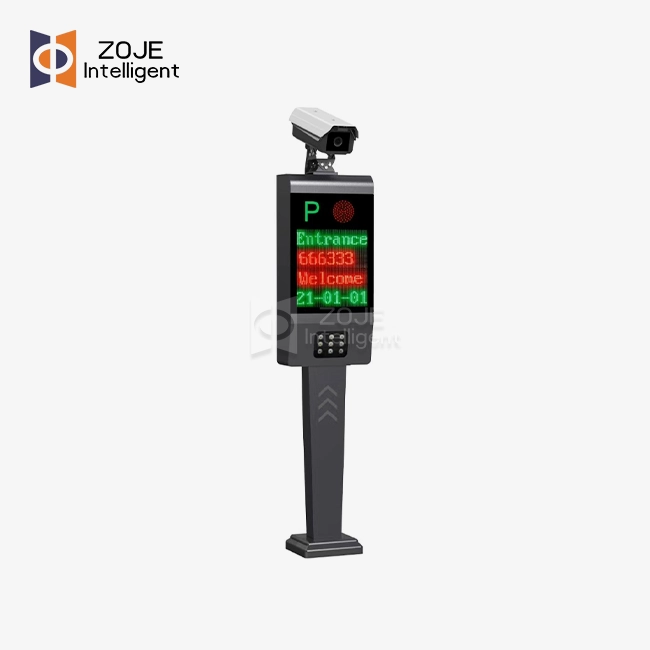
Hong Kong ZOJE Intelligent Technology Co., Ltd. has been automating parking lots for more than ten years and makes special approval systems that meet the strict needs of businesses all over the world. Additionally, our ZOJE-TB102 parking exit card and ticket validation machine works with IC, ID, Bluetooth, and UHF recognition. It is backed by a strong ARM-Linux design that makes transaction processing lightning fast even in temperatures as low as -40°F and as high as 80°F.
We stand behind our products with full warranties that last for two years and technical support that's available 24/7 around the world. ZOJE is an experienced manufacturer that works with both OEM and ODM customers in a flexible way. They can adapt both hardware and software to meet the needs of your building. Our dedication to quality and innovation is shown by the fact that our production methods are ISO 9001:2015 certified and we hold several patents.
Standard shipping only takes 5 to 7 days, and custom solutions ship in 10 to 15 days. We offer flexible operations, such as DDU and DDP terms for shipping by sea or air. Our team visits clients in person once a year to make sure the partnership works well over the long term and to get feedback that helps us keep making the product better.
To talk about your parking automation project, email our technical experts at info@zoje-tech.com or go to zoje-parking.com. You can ask for more information, like bulk prices for multiple-lane deployments or an example of how ZOJE's parking exit card and ticket validation machine supplier can change the way your facility works.
References
1. Anderson, M. & Thompson, R. (2021). Automated Parking Systems: Technology Integration and ROI Analysis. International Journal of Facility Management, 12(3), 145-162.
2. Chen, L. (2022). RFID Technology in Commercial Parking Applications: Security and Performance Metrics. Transportation Technology Quarterly, 28(4), 89-107.
3. European Parking Association. (2023). Best Practices for Parking Revenue Control Systems in Mixed-Use Developments. EPA Technical Standards Publication.
4. Morrison, K. & Patel, S. (2020). Comparative Analysis of Validation Technologies in High-Volume Parking Facilities. Journal of Urban Infrastructure Management, 15(2), 201-218.
5. National Parking Association. (2022). Procurement Guidelines for Automated Parking Equipment: A Facility Manager's Guide. NPA Industry Report Series.
6. Zhang, W. & Kumar, A. (2023). Life Cycle Cost Analysis of Parking Access Control Systems: Hardware, Maintenance, and Integration Factors. Facilities Engineering Journal, 41(1), 33-51.

Send Inquiry
You may like

Related Industry Knowledge
- What’s the Parking Entrance Direction LED Board? A Breakdown of Today’s Leading Technologies
- The Future of Parking Signage with LED Technology
- How to Select an SDK Compatible LPR Camera for Your Project
- Advantages of dual-mode geomagnetic parking detectors
- The main role of in-ground geomagnetic sensors in urban transportation
- What Makes Radar Vehicle Presence Sensor for Barrier Gate More Accurate?
- License Plate Recognition in Parking Management Systems
- Where to Buy License Plate Recognition Systems Online?
- Benefits of a City Parking Lot Management System in 2026
- Integrated ANPR Unit for Automated Vehicle Access Control