The Future of Parking Signage with LED Technology
2026-08-06
Digital signage technologies are solving long-standing operational challenges, changing the parking sector. The Outdoor Parking Guidance Direction LED Display Screen revolutionises how cars navigate multi-turn parking lots. These smart systems use high-brightness LEDs and real-time data integration to provide motorists quick direction information in US airports, retail malls, office buildings, neighbourhoods, and commercial parking lots. Facility managers may save vehicle cruising time, ease entrance point traffic, and maximise space by replacing static signage with dynamic displays, which directly impacts customer satisfaction and corporate revenue.
Understanding Modern LED Display Technology for Parking Environments
Digital parking assistance goes beyond arrows on walls. Modern systems employ outdoor-specific LED screens. Drivers actively seeking available spots may easily be reached by parking management software.
What Makes LED Displays Different from Traditional Signage
Traditional parking signage don't change with the times or spots available. LED displays modify this by displaying constantly updated information. Modern technology like the ZOJE-OA31-1D's digital and arrow displays helps drivers make rapid selections. These displays are connected to sensors that monitor every parking place. As automobiles come or depart, displays update immediately. This immediate response eliminates the annoyance of following indicators to a full spot.
The Outdoor Parking Guidance Direction LED Display Screens feature high-intensity LEDs with 5,000 to 10,000 nits of brightness, ensuring good visibility even in strong sunshine. LED technology performs well from -30°C to +75°C, but LCD panels shatter in hot or cold climates. The modular design concept enables facilities use single-, double-, or triple-layer displays depending on arrangement. This provides them more choices than static signals.
Technical Architecture Behind Smart Parking Displays
Today, LED guiding systems are nodes in smart parking networks. Each display receives data via RS485 or TCP/IP, making it simple to link to parking management systems. Ultrasonic, magnetic, or video sensors in parking places alert central control systems when a vehicle is present. Software processes this data and updates the correct displays in milliseconds. This gives drivers accurate information while making vital judgements.
Real-time data synchronisation and direct parking management system integration demonstrate the ZOJE-OA31-1D's integration. The display changes to reflect that a place is available when a vehicle parks, directing other motorists there. This cooperation reduces cars' time in parking lots, saving fuel and reducing emissions while improving the experience for all users.
The Compelling Advantages of LED Technology Over Conventional Approaches
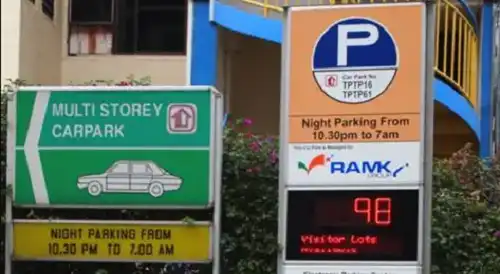
When you switch from traditional signs to LED displays, it's not just a small change; it has huge practical benefits that affect everyone in the parking environment.
Superior Visibility Across All Environmental Conditions
Outdoor parking lot signs have been hard to read since they debuted. Reading is difficult in rain, fog, darkness, and intense sunlight. LED technology uses innovative technical methods to overcome all these issues at once. Drivers can see the screen well even from direct sunshine thanks to high-intensity LEDs. Cars can read direction information from any direction because to the enormous viewing angles—often 110 degrees horizontally and 60 degrees vertically.
Working at night might be difficult due to glare and unpleasant light. Modern LEDs feature sensors that adjust brightness depending on ambient light. Daytime displays are brightest. As dusk approaches, the system gradually reduces brightness to a driver-friendly level that still keeps the display visible. This adaptive function ensures the system operates smoothly 24/7 and saves energy when light is low.
Weatherproof outdoor buildings start with IP65-rated shelters that block dust and water jets from any direction. Tempered glass panels and cold-rolled steel or anodised aluminium chassis don't degrade despite years of UV radiation, temperature fluctuations, and water. These safety precautions maintain performance regardless of location or weather.
Dynamic Communication Capabilities That Static Signs Cannot Provide
Modern LED screens offer more than directions. They also provide flexible communication. Screens display space and directions during regular operation. Building managers may immediately update all network displays during emergencies or maintenance closures. This flexibility allows real-time changes without workers changing signage by hand.
The flexible communication system allows for text changes on the Outdoor Parking Guidance Direction LED Display Screen. Displays may indicate the number of vacant spaces, directional indicators in various colours to identify lot sections, and text notifications to drivers regarding temporary problems. Some sophisticated versions may switch languages automatically depending on car license plates or airport arrival schedules. This adaptability makes the experience more inclusive.
Measurable Operational Improvements and Return on Investment
Facilities using LED guidance systems report significant improvements. Search times are 30–40% shorter in major retail malls than in static sign settings, according to traffic flow studies. Productivity increases imply fewer automobiles on the road, reducing gridlock and low-speed collisions between looking cars.
Energy conservation is another advantage. Newer LED displays utilise less than 50 watts per display unit. Energy expenses are negligible compared to the operational costs of paying extra workers to guide traffic during peak hours or adding parking places to make up for lost space. Many buildings receive their full ROI within 18 to 24 months by reducing staff expenses, optimising space, and reducing parking accident liability.
Selecting the Optimal LED Display System for Your Facility
There are many LED display options on the market, so making an informed choice is key to the success of the project. When buying parking lots for different types of operations, there are a few important things that should be kept in mind.
Technical Specifications That Match Your Environment
Building orientation affects brightness needs. Parking garages with south or west openings get more direct sunlight. Screens must withstand 8,000–10,000 nits of brightness. Northern facilities or those with covered entryways may be able to use screens with 5,000 to 7,000 nits, lowering the initial expense. For tough outdoor circumstances, the ZOJE-OA31-1D's high-intensity LED technology provides excellent visibility.
Screen resolution and pixel pitch affect distance performance. Smaller pixel pitches (P4–P6) make displays at choice points, such parking garage lane breaks, simpler to see from afar. Entrance displays that can be seen from several hundred feet away may employ larger pixel pitches (P8–P10) to save money and maintain efficacy. Knowing traffic flow and average approach speed helps you choose the appropriate details.
Evaluating Manufacturers Based on Support and Reliability
Because product quality varies across manufactures, selecting a vendor is nearly as crucial as technical parameters. Famous brands provide plenty of product information. This includes photometric test results that verify brightness levels, IP rating certificates from reliable laboratories, and thermal performance data that verifies product usage temperatures. These inspections reassure users that items will perform as promised for the duration of usage.
The warranty conditions indicate the manufacturer's confidence in the product's durability, particularly for the Outdoor Parking Guidance Direction LED Display Screen. Most warranties are two years, while high-end manufacturers cover crucial parts for three or five. Know what the warranty covers—replacement parts, labour, and shipping—before the coverage term to prevent surprises. ZOJE provides 24-hour technical assistance and two-year warranties on its screens, so consumers may access help in any time zone.
The after-sales assistance system determines how fast issues are resolved. Manufacturers with regional service centers can promptly dispatch technicians to customers. Online diagnostics companies may resolve software or setup problems without visiting the site, reducing downtime. Facilities may have additional replacement modules on hand to solve issues without waiting for manufacturer orders at busy periods since they are simple to find.
Calculating Total Cost of Ownership Beyond Initial Purchase
A display system's purchase price is only one portion of its lifetime expenses. Energy usage may equal or surpass the cost of the equipment over time, making efficiency requirements crucial for long-term budgeting. At typical U.S. business energy prices, LED displays that utilise 40 to 50 watts per unit cost $35 to $45 a year to operate consistently, while less efficient versions cost $80 to $100.
The upkeep required for each design varies. Because modular design enables facilities replace display modules instead of full units when a component breaks, repair costs are greatly reduced. Due to its modular architecture, the ZOJE-OA31-1D is simple to assemble and replace. If part of an integrated construction system fails, the complete unit must be replaced. This raises long-term maintenance expenditures.
Technology evolution should be considered while planning a lifespan. Display systems should still operate in 10–15 years, hence they require flexible standards to satisfy new demands. Firmware upgrades provide functionality to displays with software-updatable controllers, extending their lifespan. Poor parking management systems may be updated as they evolve. Capital expenses may arise midway through the anticipated operating term.
Installation Best Practices and Long-Term Maintenance Strategies
When something is installed correctly, it will work reliably for years to come. Systematic care practices extend the life of the system and reduce the number of unexpected breakdowns.
Professional Site Assessment and Strategic Placement
LED displays perform best at lane choice points with many paths, where drivers instinctively seek for guidance. A expert site evaluation examines how people move around the space, determines the ideal spots to put objects so they can be seen from most approach angles, and ensures there is adequate structural support for installing displays. Too-high displays restrict the driver's vision. It may be obstructed by automobiles if too low.
The electrical system is planned to provide electricity and lightning safety. Outdoor displays need special circuit breakers that can manage the combined load of all the displays on the circuit and additional room for future growth. Network communication must be robust and low-latency, whether by Ethernet or wireless. ZOJE-OA31-1D performs effectively in various building layouts and infrastructure configurations.
Routine Maintenance Protocols That Extend Operational Life
Even reliable LED screens need maintenance. Every three months, visual examinations catch issues before they fail. These examinations check for moisture ingress, display segment lighting, and mounting hardware retention. A yearly thorough cleaning removes dust and grime that might clog air ports, causing overheating and component failure.
Software maintenance should be handled similarly to hardware maintenance, including the Outdoor Parking Guidance Direction LED Display Screen. Manufacturers often update software to address faults, speed up devices, and add features. Regularly checking for and installing updates optimises system performance. To be safe and compatible, parking control software must be updated periodically. Updates are usually made during low traffic to keep operations functioning smoothly.
When planning component maintenance, facilities anticipate wear and tear. LED modules dim over tens of thousands of hours. Modern displays retain 70% of their brightness after 100,000 hours, or 11 years of constant usage. Facilities may replace screens and make other capital enhancements on this timeframe. Having additional ZOJE-OA31-1D modules enables you repair it quickly if a part fails, avoiding protracted outages that annoy users.
Sustainability Considerations Throughout the Product Lifecycle
Sustainability is becoming increasingly essential in shopping decisions, and LED displays provide several advantages. Less energy utilisation reduces operating carbon footprint compared to other methods. A building with 50 45-watt LED displays consumes 197,000 kWh over 10 years. More efficient 35-watt choices reduce this to 153,300 kWh. Based on the average U.S. grid carbon intensity, this saves about 44,000 kWh and 31 metric tonnes of CO2.
Selection of materials affects a product's environmental impact during its lifetime. Aluminium frame parts may be recycled without losing quality, therefore they're valuable when no longer required. Manufacturer take-back programs let individuals responsibly dispose of unwanted devices. Thus, electronic parts may be properly recycled and avoided landfills. Quality screens like the ZOJE-OA31-1D are comprised of cold steel and tempered glass, making recycling easy.
New solar-powered displays are more costly than grid-powered ones but don't require grid electricity. Solar panels grow increasingly tempting as they improve and their costs drop, particularly for remote parking lots where having energy connections would be too expensive. Facilities contemplating long-term infrastructure renovations should consider solar display technology as it evolves.
Emerging Innovations Shaping the Next Generation of Parking Guidance
LED display technology is still changing quickly, and a few new trends are expected to add new features and benefits over the next few years.
Artificial Intelligence and Predictive Guidance Systems
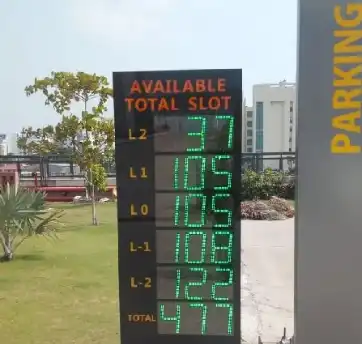
LED screens now show drivers available spots in real time. New AI algorithms evaluate prior patterns, event scheduling, and occupancy trends to estimate space availability when drivers arrive. This ability to forecast is particularly beneficial in large buildings because it takes time to travel from entrance displays to parking lots.
Machine learning algorithms discover patterns of usage that individuals may overlook, such as weekly peaks at specific times, seasonal variations that effect various portions of the building, or weather-related changes that affect parking time. With these new information, dynamic pricing may lead price-conscious drivers to underutilised regions, increasing revenue and space. Facility staffing may be adjusted using predictive data to ensure adequate personnel during busy periods and cheaper pay during calm times.
Internet of Things Integration and Cloud-Based Management
IoT-connected parking displays become nodes in facility management solutions. The cloud helps you monitor many properties from one spot. Corporate facility managers may monitor performance, adjust content, and diagnose parking portfolio issues from a single dashboard. Businesses that operate parking lots in many cities or states benefit from centralisation since it standardises operations while fulfilling local demands.
Integrating an Outdoor Parking Guidance Direction LED Display Screen with cloud connectivity enables enhanced insights not achievable with individual solutions. Facility managers may monitor how fast vehicles locate parking places, identify traffic congestion that might need additional signage, and see how guidance system adjustments effect traffic flow. These data-driven ideas assist with ongoing initiatives that gradually improve performance and user experience.
Interactive and Personalized Guidance Experiences
Newer implementations are looking into interactive features that can tailor guidance to each driver's needs. When systems connect to mobile apps, they can tell when registered users are coming in and show them personalised information on LED screens as they enter the building. This information can lead them to reserved parking spaces, loyalty program parking areas or charging stations for electric vehicles based on their user profiles. With multilingual display options, the language of the content is automatically changed for visitors from other countries, making the experience more welcoming for everyone.
Accessibility features are another area where new ideas can be used. Most drivers can get by with just visual direction, but drivers who are blind or have low vision might benefit from extra audio statements sent to their car stereos by short-range transmitters. Integration with vehicle navigation systems would make it possible to switch smoothly from GPS guidance to facility-specific directions shown on screens in vehicles and on LED signs, making it easier to find your way around.
Conclusion
LED display technology is changing parking lots in ways that are measurable and go far beyond just making it easier to find your way. The ZOJE-OA31-1D and other modern systems like it offer great outdoor visibility, real-time data integration, weatherproof durability, and modular flexibility to solve the complex operational problems that shopping malls, airports, office buildings, residential communities, and commercial parking operations across the United States face. These smart screens cut down on the time it takes to find a car, make the best use of space, ease traffic, and make users happier. They also give a great return on investment by saving money on energy and running costs. As AI predictive features, IoT integration, and interactive features keep adding to technology, early adopters put their parking lots at the front of the parking industry's digital evolution. This gives customers a better experience that sets their properties apart in competitive markets.
FAQ
1. What tangible benefits do LED parking displays provide compared to traditional signage?
LED displays deliver immediate, measurable changes, unlike static signage. Facilities often reduce automobile search times by 30–40%. This reduces traffic and makes people happy. Real-time information relieves the burden of following signs to full parking lots. Dynamic communication lets you obtain quick information during maintenance closures, event parking, and emergencies without sending personnel to alter signs. Better traffic flow reduces low-speed crashes and maximises space, increasing facility capacity without adding room. LED technology saves electricity and improves visibility in any lighting and weather.
2. How do warranty and support services ensure reliable long-term operation?
Good brands like ZOJE provide two-year parts-and-labor guarantees. This safeguards your investment from early failures and manufacturing errors. Warranty coverage and 24/7 technical support ensure that aid is always accessible when issues arise, which is crucial for 24/7 facilities. Modular design allows easy part replacement. Instead of waiting for manufacturer repair visits, facility workers use spare modules. Manufacturers store additional parts and create service centers in important regions for complex repairs to prevent downtime.
3. Can LED displays withstand extreme weather conditions across different U.S. climates?
Modern LED guiding displays can withstand extreme weather. An IP65 or IP67 classification implies it is dust-proof and can withstand water jets or brief wetting. This makes it reliable in severe rain or snow. Wide working temperature ranges, generally -30°C to +75°C, enable harsh cold in the north and heat in the south. Tempered glass displays can withstand hail and other items, and corrosion-resistant frame components can withstand coastal sea spray and factory air quality. UV-resistant coatings prevent sun damage. The ZOJE-OA31-1D, intended to endure and operate outside in any weather, demonstrates this inherent versatility.
Transform Your Parking Operations with ZOJE's Advanced LED Guidance Solutions
Adding smart LED displays to your building is a smart investment that will improve operating efficiency, user satisfaction, and your company's place in the market. ZOJE has been making Outdoor Parking Guidance Direction LED Display Screens since 2012 and offers tried-and-true solutions that combine cutting-edge technology with dependability. Our ZOJE-OA31-1D model has better outdoor vision, easy system integration, modular freedom, and weatherproof sturdiness. It also meets ISO 9001:2015 quality standards. We can fully customise our products to fit the needs of any project, and our prices are very reasonable for large orders. Standard configurations usually arrive within 5 to 7 days. In addition to delivering products, we are committed to building long-term relationships with our customers by providing 24/7 global technical support, detailed installation instructions, and yearly visits. Get in touch with info@zoje-tech.com right away to talk about how our LED display options can help you improve your business performance and make your parking infrastructure work better.
References
1. International Parking Institute. (2022). Emerging Technologies in Parking Management: LED Displays and Smart Guidance Systems. IPI Press.
2. Chen, M. & Roberts, K. (2021). "Real-time parking guidance systems: Impact on Urban Traffic Congestion and Driver Behavior." Journal of Transportation Engineering, 147(8), 04021045.
3. American Society of Civil Engineers. (2023). Smart Infrastructure for Urban Parking: Technology Integration and Best Practices. ASCE Publications.
4. Williams, J. T. (2020). "LED Display Technology for Outdoor Applications: Environmental Durability and Performance Analysis." IEEE Transactions on Industrial Electronics, 68(3), 2445-2456.
5. National Parking Association. (2022). The Business Case for Digital Parking Guidance: ROI Analysis and Implementation Strategies. NPA Research Foundation.
6. Kumar, S. & Thompson, D. (2023). "IoT-Enabled Parking Management Systems: Architecture, Implementation, and Future Directions." Smart Cities Journal, 6(2), 890-912.

Send Inquiry
You may like


Related Industry Knowledge
- LED parking guidance screen: the future of intelligent parking
- Innovative Parking Guidance Solutions with ZOJE
- Video Parking Guidance Zone Controller Installation Guide Step by Step
- Best Reverse Parking Space Query Kiosk Buyer’s Guide 2026
- Parking Payment Hardware Solution for Self-Service Stations and Entry-Exit Control
- What Is Security Anti-Collsion Barrier? Key Features
- Best Automatic Parking Barrier Gate for High Traffic
- Is Parking Management Barrier Gate Worth Investment?
- Best ANPR Solutions for Public Parking Efficiency & Flow
- Seamless Payment Parking System vs Manual Parking Payment