
Best Reverse Parking Space Query Kiosk Buyer’s Guide 2026
2026-07-14
Large airports, multi-level retail malls, and office complexes with many rooms should make finding your automobile easy. The Reverse Parking Space Query Kiosk combines License Plate Recognition with simple touchscreens to handle this prevalent issue. This smart terminal makes getting your automobile from the parking lot easy and digital. These kiosks provide precise, turn-by-turn instructions from your current location to your parking spot, unlike standard navigation systems. This 2026 buyer's guide helps B2B procurement managers, facility owners, and distributors pick, set up, and use car-finding kiosks for various corporate environments.
Understanding Reverse Parking Space Query Kiosks: Technology and Benefits
These days, parking lots need more than just simple signs to show the way. Using video-based parking guiding systems and strong server databases, the Reverse Parking Space Query Kiosk acts as an intelligent link between drivers and their cars. When a car pulls into a parking lot, overhead cameras automatically record the license plate number along with the time and location. This information is always in sync with computers that are in one place.
Core Technology Architecture
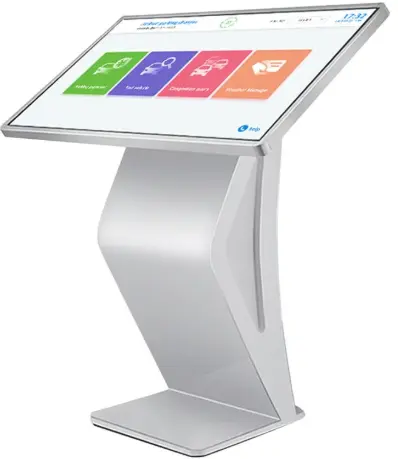
The approach uses three interconnected layers. The hardware layer includes industrial-grade touchscreen terminals like the 32-inch HD ZOJE-SP32. These operate continually in semi-outdoor or basement situations. These kiosks have IP54 casings to keep dust and water out. The software layer uses fuzzy search methods to match user queries against centralised parking databases with partly veiled or filthy license plates. The communication layer connects parking management systems via TCP/IP and keeps response times below two seconds even for files containing over 10,000 automobiles.
A smart car search kiosk is different from a simple payment terminal because it focuses on navigation instead of transactions. The interface shows floor plans with coloured paths, signs pointing in the right direction, and distance markers. Some high-end models come with 3D drawings of buildings, which makes navigating between levels easy for people who aren't familiar with how the building is set up.
Measurable Business Benefits
Facility managers that employ smart parking question systems report smoother operations. Reduced travel time increases parking turnover rates, which is crucial in crowded retail districts. Customers routinely score better on satisfaction surveys using car-finding services. Airports and retail centers may boost brand perception.
Data analytics helps with more than simply getting around. Parking lot owners may examine how people utilise their lots and identify underutilised regions and peak periods. This data aids recruiting, pricing, and infrastructure expansion choices. OEM partners may easily add these inquiry terminals to smart city projects using standard APIs. They enable seamless data transfer between terminals and third-party applications.
Comparing Reverse Parking Space Query Kiosks with Traditional Parking Systems
In the past, parking management relied on static signage like "Zone A" or "Level 3" without directions. This strategy fails when there are more than 500 gaps because it impairs memory recall and navigation. Instead of working together in a smart infrastructure, conventional systems function separately.
Kiosk Systems Versus Mobile Applications
Smartphone applications can help you locate a vehicle, but Reverse Parking Space Query Kiosks fix accessibility issues. Smartphone users may not have long-lasting batteries or adequate broadband connections. Older drivers and foreign visitors who aren't accustomed to applications find physical terminals simpler to touch and use. The Reverse Parking Space Query Kiosk also assists customers who forget to access their monitoring applications when they get home, which occurs often when people are rushing to the airport or shopping.
Feature Comparison Across Leading Solutions
When considering automobile locator kiosks, procurement teams should consider query performance, database scalability, and environmental impact. Entry-level models may take more than five seconds to execute queries, which is unpleasant during high use. Industrial-grade solutions work the same regardless of user count. Parking lots with changeable illumination need good displays. In bright neon or intense sunshine near entrances, 400+ nit screens provide visibility.
Audio output features are an underrated way to set one device apart from another. Voice-guided directions help people who are blind or have low vision, and they also make it easier for older people who have trouble reading maps. When users can only remember bits and pieces of information about a vehicle, fuzzy search features that let them enter partial license plate numbers are very helpful.
How to Choose the Best Reverse Parking Space Query Kiosk for Your Business
Start with a thorough needs assessment to choose the best car-finding technology. Facility size influences hardware amount and location. Retail malls with 2,000 parking spots typically have one kiosk every 400–500 spaces, primarily around lift banks and front doors. Inquiry terminals and navigation signs track foot movement in airport parking lots exceeding 5,000 cars for better coverage.
Maintenance and Serviceability Considerations
Long-term maintenance frameworks help operations succeed. Modular component design should allow Reverse Parking Space Query Kiosk touchscreens, logic boards, and power supply to be replaced without tools. ZOJE Technology's 24/7 monitoring displays alert personnel to network disconnections, hardware failures, and software irregularities before they disrupt service. Remote diagnostics allow this.
Operation circumstances must meet environmental rating standards. High humidity, temperature variations, and airborne contaminants may occur in basement parking lots. Climate-controlled garages need just IP54 enclosures for safety. IP65 certifications protect outdoor or coastal installations against direct water spray and salt corrosion. Operating temperatures should be between -20°C and +60°C to withstand local weather extremes without compromising performance.
Tailoring Solutions for Different Client Types
OEM partners who wish to integrate Reverse Parking Space Query Kiosks to smart city platforms require open API designs and brand customisation. You may align user experiences with corporate or municipal identity by changing splash screens, colour schemes, and voice prompts. Distributors that serve many vertical markets may use hardware platforms that allow diverse software configurations without retooling their supply chains.
Budget-conscious buyers should choose critical features over luxury ones. A reliable license plate parking finder that offers correct results in three seconds is usually better than one with several features that are more likely to break down. Flagship hotels that provide a wonderful client experience may be able to afford augmented reality navigation or face recognition.
Procurement Process and Supplier Insights
Getting Reverse Parking Space Query Kiosks right requires more than just choosing the right products. It also requires building strategic partnerships with suppliers. There are both well-known manufacturers and new technology companies in the global market, and each one offers something different. By finding authorised distributors, you can be sure that the goods you buy are real and come with maker warranties and expert support.
Evaluating Supplier Credibility
Check the manufacturer's track record, certifications, and projects as part of your due diligence. ZOJE Technology, an ISO 9001:2015-compliant company founded in 2012, values quality management and organisational maturity. Patents demonstrate invention, not resale. Zoje has various technological patents for its question methodologies and hardware. Ask for case studies of projects done in areas like yours, focusing on size, user categories, and operational challenges overcome.
Geography matters, particularly for after-sales support. Domestic or regional companies may price more but provide faster part replacement and on-site professional assistance. International enterprises with North American distribution networks and local service centers may keep costs down and provide convenient assistance. Make sure the provider can handle big orders on your deployment timetable. Facilities launching numerous parking structures at once require supply dates that match construction milestones.
Negotiation Strategies for Bulk Purchases
Volume discounts depend on supplier and order amount. Tier pricing might save you 15% to 25% on single-unit rates when you buy more than 20 units. Meeting shipping and installation milestones might delay payments, safeguarding the buyer's interests and allowing cash flow flexibility. Escrow agreements protect both sides in significant international discussions and release monies upon trade approval.
Customisation impacts costs and lead times. Famous companies like ZOJE supply off-the-shelf technology and pre-configured software in 5–7 days. Changing the enclosure colour, installing custom software, or using non-standard mounting hardware may add 10–15 days to production and engineering expenditures, depending on how complex. Look at its originality and deployment speed. Cosmetic customisations may have to wait till phase-two if operational launch deadlines are nearing.
Conclusion
Reverse Parking Space Query Kiosks are a smart investment beyond convenience. Business efficiency, customer happiness, and data-driven facility management will increase. Reverse Parking Space Query Kiosks are becoming necessary at US airports, retail malls, residential complexes, office parks and commercial lots. This 2026 buyer's guide helps procurement specialists evaluate technologies, compare providers, and manage acquisitions. Parking lots that use smart technologies early may compete and adapt to changing mobility patterns as smart city projects grow and people's expectations for pleasant experiences rise.
FAQ
1. Where should Reverse Parking Space Query Kiosks be deployed to get the most out of them?
Strategic location near lift lobbies, key pedestrian exits and busy streets makes sure that they are easy for everyone to get to. Putting kiosks at the bottom of escalators that connect parking levels to store floors is good for shopping malls. Airports should put terminals close to bus stops and entry points to terminals, where people will naturally stop to wait for their vehicles.
2. How does the system handle license plate captures that aren't clear?
Advanced fuzzy search algorithms take in partial plate data and return likely matches for the user to check. Time-segment search lets people narrow down their results by the time of entry when they don't know the plate numbers. Premium models show thumbnail galleries of pictures of cars taken at certain times, which lets you identify them visually.
3. Can these terminals work with payment systems that are already in place for parking?
Modern kiosks for parking questions use standard interaction methods and can link to well-known payment platforms through APIs. Hybrid terminals let you search for cars and make payments all in one unit. However, dedicated query-only kiosks are often more efficient in high-volume facilities because they get rid of transaction bottlenecks.
Partner with ZOJE Technology for Advanced Parking Solutions
ZOJE Technology is ready to help you update your parking infrastructure with their proven expertise in Reverse Parking Space Query Kiosks and their full service commitments. Our ZOJE-SP32 model is the best example of industrial-grade dependability. It has 32-inch HD touchscreens, query response times of less than two seconds, and universal layout adaptability that works for all kinds of facilities. Since 2012, we've been a trusted maker of Reverse Parking Space Query Kiosks. We offer open OEM/ODM partnerships, fast shipping (standard goods within 5–7 days), and a two-year guarantee with 24/7 global technical support. Our processes are ISO 9001:2015 certified, and we have multiple technical patents that show our unwavering commitment to quality. You can email our team at info@zoje-tech.com to talk about unique solutions that will work for your facility, or you can visit zoje-parking.com to see all of our products and learn from our experience working with shopping centers, airports, and other business properties around the world.
References
1. Turner, M.P., & Davidson, L. (2024). Smart Parking Infrastructure: Technology Integration and Urban Planning Perspectives. Journal of Transportation Management, 38(2), 112-134.
2. National Parking Association. (2025). Emerging Technologies in Parking Operations: A Comprehensive Industry Report. Arlington, VA: NPA Research Division.
3. Chen, H., Rodriguez, A., & Kim, S.J. (2023). license plate recognition systems: Accuracy, Privacy, and Commercial Applications. IEEE Transactions on Intelligent Transportation Systems, 24(7), 8456-8472.
4. International Parking & Mobility Institute. (2025). Best Practices for Customer Experience Enhancement in Parking Facilities. IPMI Technical Publication Series, Report 2025-04.
5. Whitman, K.R. (2024). Total Cost of Ownership Analysis for Smart Parking Technologies. Facility Management Journal, 51(3), 67-89.
6. Global Smart Cities Alliance. (2025). Procurement Guidelines for Municipal Parking Technology: Standards and Vendor Evaluation Frameworks. Geneva: World Economic Forum Urban Transformation Initiative.

Send Inquiry
You may like

Related Industry Knowledge
- What is a UHF RFID Tag Reader for Parking Management System?
- How to improve the detection accuracy of Vehicle Loop Detector for Gate?
- Bridge-Style Tripod Turnstile Benefits in Office Security
- What Is High-Speed Access Control Turnstile Gate?
- LPR Server Buyer’s Guide for High-Durability Needs
- Best Paid Parking Management Tools for Seamless User Experience
- What Is an All-in-One LPR Machine for Smart Parking?
- What Is an Offline LPR Parking System?
- LPR Camera with Open SDK vs Proprietary SDK: Which One to Choose?
- How to Customize Localized Plate Recognition for Regional License Plates?