
Bridge-Style Tripod Turnstile Benefits in Office Security
2026-05-27
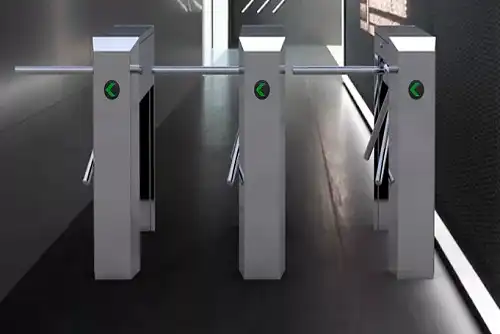
Modern offices need high-tech security systems that are secure, attractive, and efficient. Bridge-style tripod turnstile for premium facilities provide superior entrance control with an extended base that eliminates the industrial aspect of ordinary turnstiles. These devices offer one-person-per-passage authentication to prevent persons from following too closely and letting people in without authorization while maintaining Class-A business class architecture. The larger bridge frame has plenty of mounting space for biometric scanners and display panels, so it suits existing security systems.
Understanding Bridge-Style Tripod Turnstiles and Their Role in Office Security
What Makes Bridge-Style Design Unique
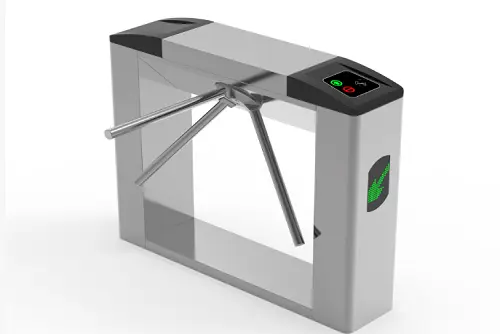
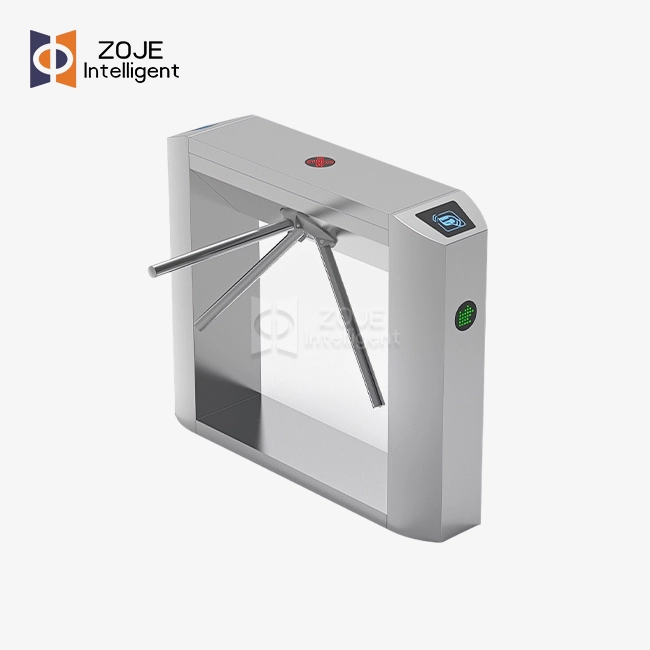
Bridge-style turnstiles differ from tripod turnstiles because their bases are horizontal and lengthy (1200mm to 1400mm). This extended stage serves more than aesthetics. The design conceals cables and mechanical elements while giving a vast surface area for authentication devices without brackets. With this constructing approach, a working security gadget enhances a high-end facility's appearance.
Modern organizations have more security issues than old-fashioned access control can handle. Bridge-style tripod turnstile for premium facilities function well with RFID cards, biometric scanners, facial recognition systems, and mobile credentials at high-end facilities. Businesses can employ multi-factor login techniques built for distinct building security sections.
Security Performance in Corporate Settings
Corporate offices, government buildings, and high-end businesses need access control systems that prevent tailgating and piggybacking. ZOJE-S406 defends against these shortcomings with a physical barrier and clever detecting mechanisms. The longer chassis prevents individuals from crawling under, a common issue with tiny turnstiles. Allowing 35 individuals through at once keeps security robust at busy periods without causing actual users to get stuck.
Precision monitors that detect unauthorized passes make the one-person-per-pass rule function. When tailgating is detected, the technology immediately sounds warnings and stops the barrier arm, preventing entry until valid identification is displayed. Bridge-style turnstiles are beneficial in locations with sensitive data or valuable things since they halt individuals.
Real-Time Monitoring and Compliance
Real-time tracking in bridge-style access control systems lets security administrators monitor everything. Each passage event creates a detailed audit record, including time, credential, and direction. This information helps people obey the regulations and understand the building's use. Security staff may monitor several entrance points at once and change who can access depending on time of day or emergency regulations using the unified control interface.
Key Benefits of Bridge-Style Tripod Turnstiles for Premium Facilities
Architectural Integration and Aesthetic Appeal
Premium office spaces invest much in professional, warm spaces that reflect the company's brand. Turnstiles that seem factory-made damage these designs. Bridge-style versions address this issue with their beautiful stainless steel finishes and quiet operations for business offices and executive levels. The item will look nice after years of usage and maintenance due to its high-quality build.
The ZOJE-S406 type houses all electrical parts in one housing, eliminating the mechanical clutter of conventional turnstiles. This design has clean lines and a simplistic appearance that complements modern architecture. Facilities managers enjoy how the extended top cover lets them attach logos, directional signs, and corporate names without frames.
Operational Efficiency and Throughput Management
Business offices with lots of foot traffic need secure, easy-to-use access control. Bridge-style turnstiles are preferable since they can accommodate 35 persons per minute while allowing just one through. These processing abilities eliminate the bothersome lineups that arise when morning security systems are sluggish or shifts change. The gadget can manage entrance and exit traffic since it runs both ways. This maximises infrastructure spending.
Reduced passing times are attributed to responsive sensor groups and mechanical design. When the correct papers are displayed, the barrier arm glides aside in milliseconds, allowing passage. This rapid answer eliminates the doubt and confusion slower systems produce, especially for first-time guests who don't understand the security system.
Durability and Environmental Resilience
Companies considering access control naturally consider long-term dependability and total cost of ownership. Bridge-style tripod turnstile for premium facilities, built of industrial-grade materials, can be used indoors and outside to tackle these issues. Even in climate-controlled office halls or open parking garage doors, the gadget works well.
The corrosion-resistant stainless steel casing protects the interior parts from moisture, temperature fluctuations, and chemical cleansers. This durability is important in workout facilities, where chlorine from surrounding pools quickly degrades lower-quality materials. The sturdy design can withstand backpacks, tool boxes, and other items being carried through entryways.
Integration Flexibility and Technology Compatibility
Access control systems nowadays must integrate with many identity and building management systems. Bridge-style turnstiles connect to fingerprint scanners, RFID card readers, facial recognition cameras, and mobile credential systems. This compatibility saves infrastructure investments and allows technology evolve with identifying techniques.
Full OEM and ODM support lets the ZOJE-S406 type be customized for integration. Organizations with custom access control software or operational demands can customize hardware and software settings to operate with their facilities. Mechanical parameters can be customized for spaces with restricted space or construction limitations.
Cost Efficiency and Maintenance Reduction
Budget-conscious building managers consider the complete cost of ownership, including acquisition, installation, maintenance, and replacement. Lifetime value is high for bridge-style turnstiles. Since the original investment controls admittance in both directions, you don't need separate devices for entering and exiting. Self-diagnostic features catch potential issues before they break, reducing emergency repair costs.
Strong mechanical design and high-quality parts reduce routine repairs. A twice-yearly repair schedule includes lubricating rotating shafts, inspecting sensor alignment, and testing electrical connections. Follow these easy actions to prevent costly entry control system breakdowns.
Comparing Bridge-Style Tripod Turnstiles with Other Turnstile Types
Advantages Over Traditional Tripod Models
Traditional little tripod turnstiles are inexpensive yet ugly, unmountable, and insecure. The thin, straight shape gives it an industrial vibe that doesn't fit high-end business. Because there's little surface space for integration, biometric readers are generally mounted to ungainly additional posts. Motivated people can crawl under or jump over the barrier device, making the smaller footprint less secure.
Bridge-style tripods eliminate these issues while maintaining mechanical reliability, one person per route, and a reasonable pricing. The extended chassis prevents crawling and offers several authentication device mounting options. When companies upgrade to newer versions, they notice greater looks and security without paying extra for full-height turnstiles or speed gates.
Comparison with Full-Height Turnstiles
Full-height turnstiles with floor-to-ceiling hurdles, the most secure, prevent climbing and crawling. Extreme security requires a lot of physical presence, installation labor, greater expenses, and accessibility issues. The intimidating look works well on industrial sites or high-security perimeters, but corporate headquarters should convey a professional rather than fortress attitude.
Bridge-style tripod turnstile for premium facilities provide effective protection for medium-security offices without going too far like full-height variants. The welcoming design maintains a professional aspect while physical barriers and clever tracking technology restrict unauthorized entry. It's cheaper and easier to install because it simply needs electricity cables, not structural anchoring like full-height kinds.
Alternatives: Flap Barriers and Optical Turnstiles
Mechanical tripods are slower, whereas flap barriers and optical turnstiles move more people quicker and look better. These benefits are too expensive for medium-security apps. Due of their more intricate motorized panel systems, flap barriers take up more floor space and fail more easily. Optical turnstiles are barrier-free. They use tracking and alarm systems that competent burglars can bypass.
Despite physical limitations, the bridge-style tripod approach delivers true security at cheap cost and footprint. Businesses who wish to safeguard their corporate headquarters, workout facilities, and commercial parking lots without paying much would love this balance. Mechanical simplicity makes it more dependable, and the physical barrier arm deters better than psychology-only devices.
Procurement and Installation Guide for Bridge-Style Tripod Turnstiles
Assessing Facility Security Requirements
Effective procurement begins with a security needs assessment that examines present weaknesses, traffic patterns, and compliance requirements. Companies should consider if bridge-style tripod turnstiles for premium facilities can meet their medium security demands or whether they need stronger choices for higher-risk areas. The required throughput depends on pedestrians. Facilities that handle more than 35 passengers per minute at peak periods may need extra lanes or quicker technology.
The new system's compatibility with visitor management, personnel records, and access control platforms should also be assessed. Facilities with their own software platforms need merger and changing suppliers. Site-specific issues such whether it will be installed indoors or outside, power connections, and space all affect model selection and installation.
Selecting Reputable Manufacturers and OEM Suppliers
Choice of partner is crucial for procurement success since turnstile reliability and long-term performance demonstrate how effectively production is done and how well the seller can serve clients. ISO 9001:2015-certified manufacturers should be given greater weight since they are devoted to quality management. Patent filings demonstrate your ability to defend IP and develop new technologies. Customer ratings and case studies demonstrate a provider's real-world performance and response time.
ZOJE is a reliable vendor since it has over 10 years of experience, several patents, and ISO-certified quality procedures. Flexible OEM and ODM talents allow the organization to customize hardware and software for each project. Global after-sales technical support is accessible 24/7 to solve issues swiftly, regardless of time zone or location.
Installation Best Practices and System Integration
Professional installation prevents typical security and user experience problems and improves system performance and lifespan. Technical specialists verify electrical connections, sensor calibration, and mechanical grounding. Installation should involve testing the identification devices, emergency panic-drop, and alarm system connection before turning it on.
Companies should engage their suppliers' installation aid and experienced services instead of doing the deployment themselves. ZOJE offers remote installation and thorough technical documentation. They also visit clients' sites annually to develop relationships and optimize the system. These in-person sessions allow expert teams to discuss evolving security demands and advise preventative maintenance or system improvements.
Maintenance Planning and Long-Term Reliability
Strategic maintenance extends equipment life and prevents costly repairs and security breaches. Service every six months should involve lubricating moving parts, cleaning sensors, and testing the electrical system. The ZOJE-S406 and other high-quality devices self-diagnose faults before they fail.
The two-year warranty on good bridge-style turnstiles protects purchases from manufacture errors and early component failures. Companies should guarantee parts and work and provide clear warranty service methods. Extended warranties may save money at crucial entry points where equipment downtime creates substantial operational issues.
Why Leading Corporate Offices Rely on Bridge-Style Tripod Turnstiles
Proven Performance in Demanding Environments
Large firms in several sectors have used bridge-style tripod turnstile for premium facilities successfully in high-traffic, security-focused areas. Tech corporations defend their IP by placing these devices at school doors. They link to guest management and staff badge systems. They safeguard financial firms' trade floors and data centers from unauthorized access and frauds.
Since these demanding applications constantly function together, the technology is mature and reliable. Organizations report fewer security incidents, more audit compliance, and positive user feedback on how easy it is to pass. Customising systems to fit practical demands makes them ideal for senior offices that need a clean look and factories that need endurance.
Future-Proofing Through Technology Integration
Long-term security expenditures must adapt to changing technology and threats. By being open to IoT devices, AI-powered analytics platforms, and new login methods, bridge-style tripod turnstiles enable high-end buildings prepare for the future. Organizations may leverage existing identity technologies and upgrade them when facial recognition, behavioral biometrics, and mobile credentials improve.
With flexible mounting mechanisms and software modification, the ZOJE-S406 accommodates these additional functionalities. Facilities that want to strengthen security gradually might start with RFID identification and add biometric verification as their demands and finances evolve. This progressive addition strategy distributes expenses and maintains security throughout updates.
Comprehensive Warranty and After-Sales Support
Buyers trust products with solid guarantees and fast after-sales assistance. Good manufacturers provide meaningful warranties. ZOJE systems have a two-year warranty, demonstrating the company's confidence in its products and commitment to customer satisfaction. Broken parts and early failures might compromise security or cost more on huge projects, but this assurance protects firms.
With warranty safety and continuing expert advice, organizations maximize their security spending. ZOJE's global support network operates 24/7. It aids troubleshooting, setup, and remote monitoring regardless of time zone or building. Annual customer visits enable for face-to-face discussions about enhancing performance, planning maintenance, and system development as company needs evolve.
Conclusion
Bridge-style tripod turnstile for premium facilities are perfect for organizations that need solid security without sacrificing speed or appearance. These gadgets restrict access to one person at a time via physical barriers and smart monitoring. This prevents unauthorized entry into corporate offices, fitness facilities, and other commercial buildings. The ZOJE-S406 model demonstrates this technology's 35-person throughput, all-weather durability, universal integration, and customization options. With a two-year warranty, skilled installation, and continuous technical support, firms get a secure system backed by years of manufacturing knowledge and a customer-first service mentality.
FAQ
1. What distinguishes bridge-style turnstiles from traditional models?
Bridge-style tripod turnstiles for premium facilities feature 1200mm–1400mm long frames. This offers biometric readers and display screens plenty of space to attach without brackets. This longer shape conceals the wires and protects them from crawling. High-quality stainless steel finishes and silent gears make the designs sophisticated enough for Class-A corporate environments, eliminating the industrial aspect of tiny vertical tripod versions.
2. Can these turnstiles integrate with existing biometric systems?
Bridge-style tripod turnstiles support RFID card readers, fingerprint scanners, facial recognition cameras, and mobile identity systems. Open-architecture software protocols and flexible mounting allow the ZOJE-S406 to employ third-party authentication devices. OEM customisation helps companies with their own access control platforms connect new systems without issues.
3. What maintenance do bridge-style turnstiles require?
Maintenance should involve lubricating moving parts, cleaning sensors, and checking electrical connections every six months. Self-diagnostic features show you issues before they grow worse so you can fix them. The durable construction and high-quality materials reduce failures, lowering the long-term maintenance cost compared to complex powered choices. Professional service keeps equipment running smoothly and longer.
Partner with ZOJE for Advanced Office Security Solutions
To protect your business, you need knowledgeable personnel who can give proven technologies and comprehensive support. ZOJE uses ISO 9001:2015-certified quality methods and over 10 years of technical knowledge to produce bridge-style tripod turnstile for premium facilities. ZOJE-S406 can handle 35 people per minute, has powerful anti-tailgating protection, and is sturdy in any weather, making it versatile. ZOJE makes popular bridge-style tripod turnstiles. OEM and ODM customization, a two-year guarantee, and 24/7 professional support are available. Contact Us at info@zoje-tech.com to discuss your security concerns and explore tailored solutions that will make your building safer while preserving its architecture.
References
1. Wilson, T.R. (2022). Access Control Systems for Commercial Facilities: Design and Implementation. Security Management Press.
2. Anderson, M.K. & Chen, L. (2021). "Comparative Analysis of Pedestrian Barrier Technologies in Corporate Environments," Journal of Physical Security, 15(3), 142-168.
3. International Association of Professional Security Consultants (2023). Best Practices for Office Building Access Control. IAPSC Technical Publication Series.
4. Rodriguez, J.M. (2021). Architectural Integration of Security Technologies. Corporate Design Institute.
5. National Institute of Building Sciences (2022). Security Design Guidelines for Commercial Office Buildings. NIBS Standards Committee Report.
6. Thompson, S.A. & Park, H.J. (2023). "Total Cost of Ownership Analysis for Access Control Technologies," Facilities Management Quarterly, 28(1), 56-74.

Send Inquiry
You may like

Related Industry Knowledge
- Parking Automatic Payment Station Integrated with LPR System Buyer’s Guide
- What Is Folding Arm Barrier Gate? Structure & Uses
- License Plate Recognition vs ANPR: Key Differences
- How LPR System for Smart City Parking Improves Urban Traffic Flow?
- LPR Server Buyer’s Guide for High-Durability Needs
- Benefits of High-Durability ANPR Cameras for Operators
- What Is an Offline LPR Parking System?
- What Is an Integratable LPR Parking System?
- How to Build an Open-Platform Parking Management System?
- Benefits of Open API LPR Parking System for Developers & Operators