
Why Parking Automatic Payment Station Integrated with LPR System Is the Future of Parking
2026-06-15
The parking business is at a technology crossroads, and the Parking automatic payment station Integrated with LPR System is the best way to fix problems that have been going on for decades. This cutting edge technology mixes automatic payment processing with license plate recognition. It gets rid of the need for paper tickets and cuts transaction times by up to 70%. Fraudulent tickets cost billions of dollars every year, and the cost of labor keeps going up. Parking lots with LPR-integrated payment stations have measurable improvements in throughput, security, and profits. This technology is not just an upgrade; it's an investment that parking lots need to make to stay competitive.
Understanding Parking Automatic Payment Stations with LPR Systems
How the Technology Works
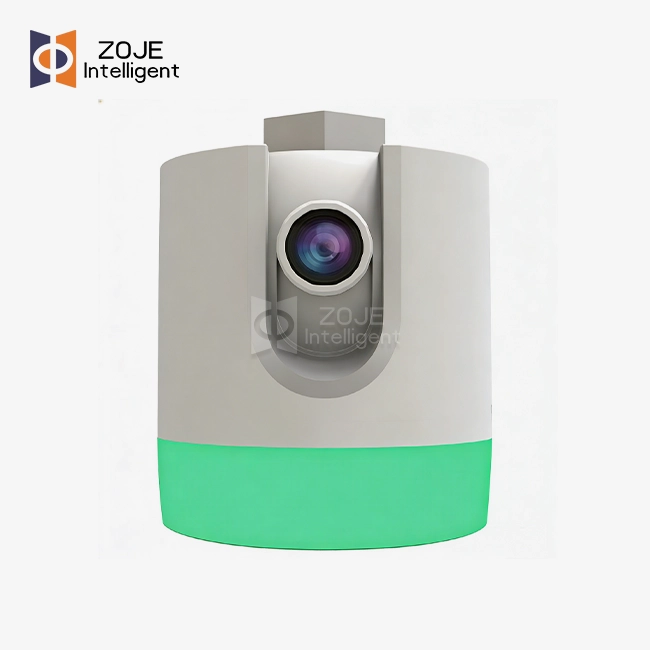
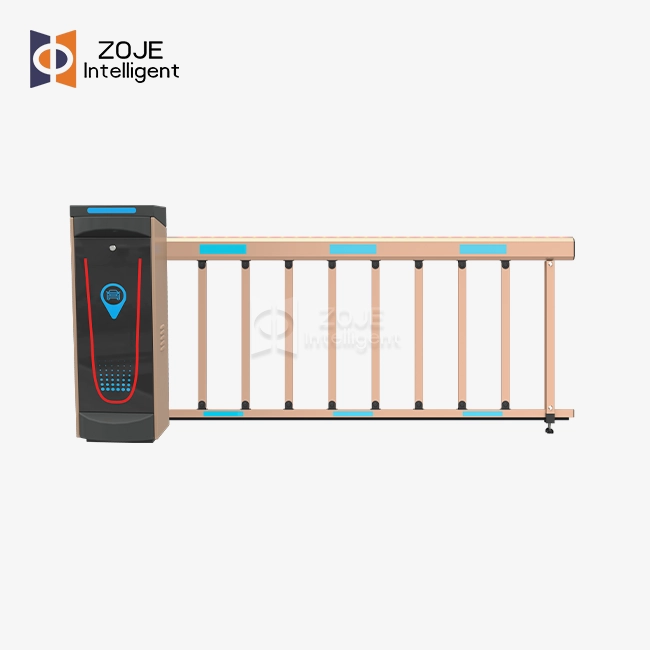
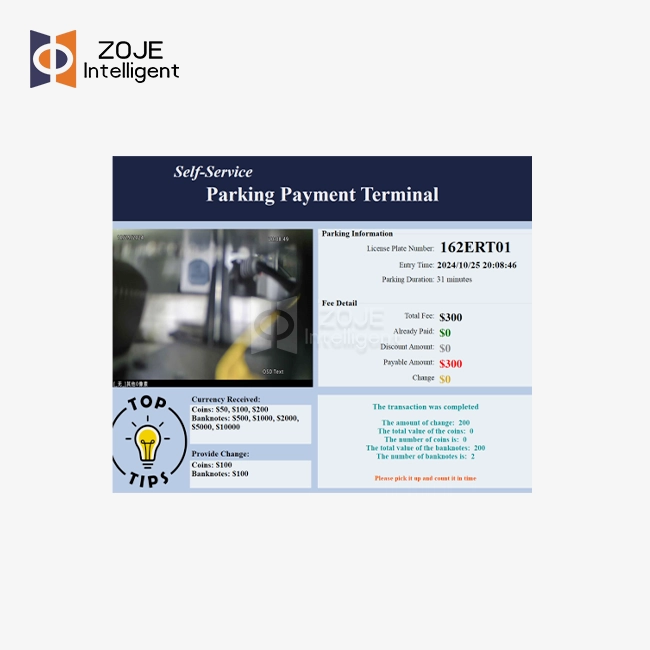
Modern parking lots are always under pressure to handle cars quickly and keep their records correct. These problems are solved by the Parking automatic Payment Station Integrated with LPR System, which uses advanced optical character recognition methods to scan the license plates of vehicles as they enter the facility. High-definition cameras read license plates and create a virtual ticket that is tied directly to the unique identifier of each car. This combination changes the way parking works in a big way. When a car pulls up, LPR cameras take a picture of the license plate number right away and send the information to the central control computer using either TCP/IP or RS485 protocols. The system records the time of the entry and starts to figure out the fees based on rate structures that have already been set up. When cars leave, they walk up to the payment machine and use their license plate number to get information about their parking session. Customers can pay with cash, credit cards, mobile apps, QR codes, or other methods. Once payment proof hits the system, the exit barrier goes down immediately.
Core Components and Architecture
Like ZOJE-LPR101, commercial structures must fulfil strict standards. A powder coat covers the 2.0 mm cold-rolled steel unit. The IP64 classification resists water and dust. Industrial-grade computers that connect with bill validators, coin machines, and PCI-DSS-compliant EMV card readers are covered. Identification accuracy may surpass 99% in real life despite limited camera angles, weather, and light. In many regions, it may be used year-round since it works reliably from -20°C to +60°C. Advanced image optimisation handles front light glare, dark settings, and partly visible plates. Due to its 70-degree wide-angle recognition, it can manage different lane layouts and car approach orientations without aligning.
Operational Features That Matter
Front-end recognition separates professional from amateur systems. The ZOJE-LPR101 reads license plates locally, so network difficulties never disrupt operations. If central computers fail, offline billing runs full-steam. Businesses who can't afford downtime need this. Scalability and development help allow the system to meet corporate needs. Property managers may monitor several properties online using cloud connection. Real-time income, occupancy, and system health data. Parking operations become proactive and data-driven with this relationship.


Advantages and Benefits of LPR-Integrated Parking Payment Stations
Superior Accuracy Compared to Legacy Systems
In the past, parking was controlled by barcode tickets or RFID cards, which could be lost, damaged, or used fraudulently. Ticket switching, in which people who leave early sell their passes to people who arrive later, is a constant problem that costs facilities thousands of dollars every month. By linking fees to the actual name of the car, the Parking automatic Payment Station Integrated with LPR System removes these weaknesses. Because each transaction is permanently linked to a unique license plate, theft is almost impossible.During rush hours, recognition speed has a big effect on traffic flow. The ZOJE-LPR101 can find cars going up to 40 km/h without them having to stop at entry points. This free-flow feature keeps people from having to wait in lines during peak times, like in the morning at office buildings or in the evening at shopping centers. Less traffic makes the experience of customers better and increases the facility's useful capacity—the infrastructure can handle more vehicles without having to be physically expanded.
Operational Cost Reductions
Labor costs are the biggest part of parking garage costs that can be controlled. Traditional human toll booths need more than one shift to cover all working hours, plus extra staff to handle cash and make sure everything is balanced. Automated payment machines with LPR technology work all the time without any help from a person, which cuts the need for staff by up to 80%.In addition to directly saving work, automation stops income gaps caused by employees. Collecting cash by hand leaves room for theft or mistakes in accounts that are completely eliminated by automatic systems. Electronic payment tracking leaves full audit trails, which makes it easier to meet financial reports and legal requirements. The ZOJE-LPR101 has flexible parts that make it easy to quickly change individual parts without having to shut down the whole system. This means that maintenance costs can be planned for.
Enhanced User Experience and Convenience
Transaction speed and payment options have a direct effect on how happy a customer is. These days, customers want payment methods that don't require touching anything to match how they shop. The built-in payment station takes a variety of payment methods, including EMV chip cards, NFC mobile wallets, reading QR codes, and cash. This way, every customer can use the method that works best for them.Customers who partly forget their license plate numbers can use fuzzy matching search functions to get help, which avoids anger and service desk calls. When customers scan their receipts at the payment station, validation integration lets shopping centers instantly offer parking savings. With these features, parking goes from being an annoying but necessary task to being an easy part of the whole customer experience.
Comparison and Market Positioning of LPR Parking Payment Solutions
Performance Metrics That Define Quality
Parking payment solutions need procurement managers to consider many crucial success aspects. Professional technology can properly recognise items in varied circumstances, unlike consumer technology. The ZOJE-LPR101 is 99% correct since it was trained on several international license plate formats. This implies it may be used worldwide without geographical limits.Processing latency affects customer satisfaction and data flow. Exit operations slow considerably when systems take more than 200 milliseconds to match license plates with parking sessions. Traffic is seamless even when busy since the ZOJE model can manage database queries and payment authorisations below this level.
Integration Flexibility and Customization
Standardised parking management solutions can't suit all lots. Airport parking prices must vary for short-term hourly rates and long-term packages. Taxi management and threat detection need security whitelist/blacklist functionalities. Mixed-use developments require distinct accounting lines for business visitor fees and resident parking.The ZOJE-LPR101 enables system integrators adjust hardware and software to build custom procedures for particular activities. Business logic, corporate resource planning, and access control system integration are possible with its secondary development options. Facilities seeking white-label solutions to differentiate themselves might choose OEM or ODM partnerships.
Making Informed Procurement Decisions
More than the initial capital cost goes into the entire cost of ownership. You must incorporate installation, training, maintenance, and future adjustments. Systems that need unique parts or single-provider service contracts risk long-term expenses. The ZOJE model's modular architecture enables you switch card readers, printers, and displays using standard parts, so you don't have to use one supplier.Warranty and fast servicing prevent unexpected problems. The two-year ZOJE warranty includes 24/7 worldwide technical assistance, so you may obtain help anytime. The organization prioritises long-term relationships over one-time agreements by visiting clients' premises once a year. Facility managers may consult engineering professionals to optimise operations using data.

Installation, Maintenance, and Troubleshooting of LPR Parking Payment Stations
Pre-Installation Planning and Site Assessment
A successful rollout begins with a thorough site study that considers environmental considerations. Consider how the camera will be utilised, the lane width, and the light outside before putting Parking automatic Payment Station Integrated with LPR System in. LPR cameras should be placed 4–6 meters from where the vehicle is stopped at 30–45 degrees to the license plate line. Buildings with many entrances require cameras for each traffic lane to avoid blind spots.Electrical infrastructure must offer consistent electricity with correct grounding to prevent electronics from breaking down due to voltage fluctuations or lightning strikes. ZOJE-LPR101 uses AC power and features surge protection. Instead of powering HVAC systems, buildings could use dedicated circuits. Safe, reliable connections between payment terminals, cameras, hurdles, and central computers are needed for a network. Fibre optic connections perform best when portions are far away.
Routine Maintenance Protocols
Technology runs smoothly and lasts longer with preventive maintenance. Monthly cleaning removes dust and other particles from camera lenses, affecting their recognition ability. Touchscreens must be cleaned with the correct chemicals to prevent layer damage and remove fingerprints and smudges that reduce visibility.Check barrier arms, payment station doors and locking mechanisms every three months. Lubricating moving components according to the manufacturer's specifications prevents premature wear. Software upgrades improve algorithms, add features, and solve vulnerabilities. Facilities should arrange improvements for low-traffic periods to keep operations functioning smoothly.
Troubleshooting Common Issues
Recognition failures are usually caused by external circumstances, not equipment. Heavy rain, snow on plates, or high sun glare might temporarily reduce accuracy. The ZOJE-LPR101's powerful photo processing algorithms handle most circumstances. However, facilities should include human override mechanisms in case of emergencies. Even in rare cases, teaching personnel alternate techniques maintains client service.Payment processing errors are typically caused by network or peripheral issues. The system's diagnostic interface displays the condition of all associated elements in real time, helping you detect problems fast. A jammed bill validator must be cleared per manufacturer's instructions. Card reader errors may need cleaning or replacement.
Future Trends and Strategic Value of LPR-Integrated Parking Payment Stations
Artificial Intelligence and Machine Learning Advances
The accuracy of current LPR technology is very good, but ongoing progress in artificial intelligence points to even better abilities. Deep learning neural networks keep getting better by seeing different types of license plates, plates that are dirty or broken, and difficult lighting conditions. Each picture that is handled helps to improve the algorithm, which means that over time, system performance actually gets better instead of worse.Vehicle identification goes beyond license numbers and includes recognizing the make, model, and color of the vehicle. The ZOJE-LPR101 already knows about more than 150 car brands and more than 1,500 vehicle types, which lets facilities set different prices for different-sized vehicles. Large SUVs and trucks take up more room than small cars, which is why they should be charged higher prices that maximize income per square meter. Behavioral analytics could be used in the future to find trends that can predict peak usage times or flag activities that aren't normal and need security attention.
Cloud Analytics and Data-Driven Management
Modern parking lots create huge records that aren't used enough in standard management methods. Cloud-connected systems collect data from many places and show trends that can't be seen at separate sites. Predictive analytics find trends in demand, which lets businesses set prices in a way that makes the most money during busy times and brings in people during slow times.Through mobile apps that show real-time capacity, occupancy forecasting helps cars quickly find open spots. This cuts down on the time people have to spend looking for parking spots, which improves customer happiness while reducing traffic and pollution. When parking garages are connected to navigation systems, they can send drivers to garages that have space available, which makes the parking infrastructure in an area more efficient.
Smart City Integration and Broader Applications
Connected infrastructure is becoming a bigger part of urban planning. For example, parking lots can talk to traffic control systems, public transportation networks, and platforms for tracking the environment. Informing larger municipal choices about transportation policy and infrastructure spending is the Parking automatic Payment Station Integrated with LPR System. Adding charging stations for electric vehicles is a reasonable step forward for parking garages. LPR systems can find electric cars and send them to parking spots with charging ports. The system will then automatically bill the driver for the time they parked and the electricity they used. This helps towns reach their goals for sustainability and gives parking lot owners new ways to make money.

Conclusion
Integrated LPR payment technology is changing the parking industry in ways that are measured in terms of working efficiency, customer happiness, and revenue optimization. When facilities install systems like the ZOJE-LPR101, transaction speed and accuracy improve right away. These systems also put facilities in a good position for future innovations in AI, cloud analytics, and smart city integration. This technology can be used in a wide range of places, from shopping malls and airports to mixed-use projects, because it can recognize objects 99% of the time, work offline, and allow for full customizing. As cities get more crowded and customers' demands keep going up, the Parking automatic Payment Station Integrated with LPR System is no longer an extra that can be used, it's an important part of the infrastructure that parking businesses need to stay competitive.
FAQ
1. What makes LPR-integrated payment stations more reliable than traditional ticket systems?
License plate detection gets rid of the need for real parts that break, get stuck, or get lost. The technology connects each parking session directly to a vehicle's unique ID. This stops ticket swapping scam, which costs parking lots a lot of money. The ZOJE-LPR101 can read 99% of license plates, even if they are in different forms or the weather is bad. This is better than ticket-based systems, especially in bad weather when paper tickets get ruined or can't be read.
2. How quickly can facilities expect return on investment after installing LPR payment systems?
ROI times depend on the size of the building and the current costs of running it, but most business installations pay for themselves in 18 to 24 months. The biggest part of the savings comes from lower labor costs; sites can cut their staffing needs by up to 80%. Getting rid of ticket fraud that wastes money and increasing processing ability bring in more money. Because the ZOJE-LPR101 is durable and doesn't need much upkeep, it has lower continued costs and a faster return on investment than systems that need to be fixed or replaced with parts all the time.
3. Can the system integrate with existing parking management software?
The ZOJE-LPR101 works with common industry communication protocols, like TCP/IP, MQTT, and HTTP APIs, so it can be connected to most current parking control systems. For sites with their own systems or unique process needs, our tech team can help with customization. With secondary development capabilities, custom connections can be made that connect the payment station to old infrastructure in a way that doesn't affect the existing technology. This protects existing technology investments while adding advanced LPR functionality.
Partner with ZOJE for Advanced Parking Solutions
The ZOJE-LPR101, a Parking automatic Payment Station Integrated with LPR System made especially for demanding business settings, demonstrates ZOJE's demonstrated skill in parking management technology. Our 99% recognition accuracy and front-end processing skills stop income loss and lower operational costs by letting the system run 24 hours a day, seven days a week. As a seasoned Parking automatic Payment Station Integrated with LPR System seller, ZOJE offers full hardware and software customization, OEM/ODM partnerships, and quick delivery—standard setups ship within 5–7 days. ZOJE blends high-quality manufacturing with customer-focused service. They offer a two-year warranty, ISO 9001:2015 certification, and expert help around the clock, all around the world. Visit zoje-parking.com or email info@zoje-tech.com to talk about how our solutions can meet the needs of your facility and find out why top owners around the world trust ZOJE to update their parking infrastructure.
References
1. Smith, J., & Anderson, K. (2023). Automated Parking Systems: Technology and Operations Management. Transportation Infrastructure Press.
2. Chen, L. (2022). "License Plate Recognition Algorithms in Commercial Applications: Performance Analysis and Best Practices." Journal of Intelligent Transportation Systems, 28(4), 342-359.
3. Morrison, T., & Richards, P. (2024). Smart City Parking Solutions: Integration Strategies and Economic Impact. Urban Technology Publications.
4. European Parking Association. (2023). Parking Industry Technology Trends Report 2023. Brussels: EPA Research Division.
5. Zhang, W., Kumar, S., & Thompson, R. (2023). "Revenue Optimization Through Automated Parking Management: A Comparative Study." International Journal of Service Industry Management, 19(2), 187-204.
6. National Parking Association. (2024). Best Practices for LPR System Deployment in Commercial Parking Facilities. Washington DC: NPA Standards Committee.

Send Inquiry
You may like

Related Industry Knowledge
- How Parking Automatic Payment Station Integrated with LPR System Improves Efficiency
- Top Benefits of Anti-Collision Flap Turnstile Gate Systems
- How Glass Full-Height Turnstile Improves Aesthetics?
- Best Unattended Full-Height Turnstile for High Security
- How Straight Arm Barrier Gate Controls Traffic Flow?
- Unattended Full-Height Turnstile Benefits in Factories
- What Is License Plate Recognition and How It Works in 2026?
- License Plate Recognition in Parking Management Systems
- Developer-friendly ANPR Software: Complete Integration Guide
- Benefits of Open API LPR Parking System for Developers & Operators