
Front-Mounted Ultrasonic Parking Space Detector Features You Should Know Before Buying
2026-07-01
Choosing the right recognition technology is important for managing parking lots at shopping malls, airports, apartment complexes, office buildings, and business lots so that operations run smoothly and drivers are happy. The Front-Mounted Ultrasonic Parking Space Detector is a very important purchase that has a direct effect on how often parking spaces are used, how much they cost to install, and how much upkeep they need over time. This technology uses high-frequency sound waves to very accurately detect the presence of a car. It then uses visual cues to quickly direct drivers to open parking spaces. If procurement professionals know about the main features of these devices, like their sensing range, reaction time, ability to withstand harsh environments, and ability to be easily integrated, they can choose solutions that meet business needs and maximize return on investment.
Understanding Front-Mounted Ultrasonic Parking Space Detectors
How Ultrasonic Technology Works in Parking Applications
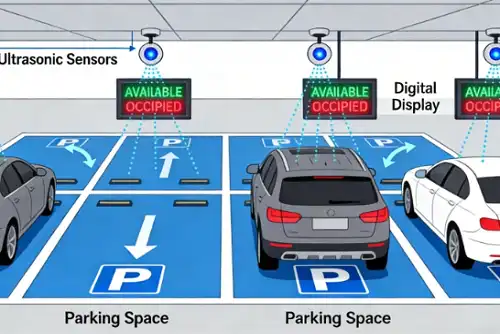
Ultrasonic monitors work by sending out sound waves with frequencies around 40 kHz, which are too high for humans to hear. When these waves hit something, like a car, they bounce back to the monitor. To find out if a parking spot is taken, the gadget figures out the time difference between sending and receiving the signal. This range technology is built into the ZOJE-02F model, along with a 32-bit ARM processor that uses clever debounce logic to block out false signals from people or shopping carts. This setup makes sure that only cars that are stopped change the occupancy state, so the system stays accurate even in areas with a lot of traffic.
Why Front Mounting Matters for Detection Systems
Putting it above the front edge of a parking spot has a number of practical benefits over other mounting locations. Front-Mounted Ultrasonic Parking Space Detectors pick up cars earlier as they enter spaces, which lets the system change the state of availability before drivers make a turn. This placement also reduces the number of blind spots that are created by vehicles that hang over or park at odd angles. Modern integrated units, like ZOJE's Ø126×125 mm housing, are small enough to fit into normal ceiling systems without getting in the way of the driver's view or needing special mounting hardware.
Integrated Design Reduces Total Cost of Ownership
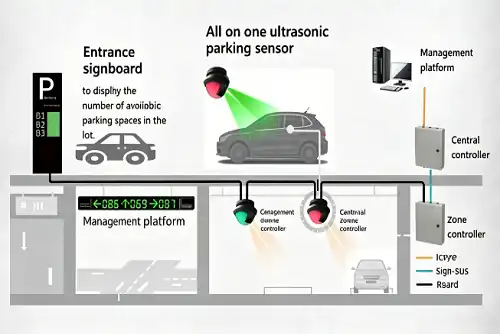
In traditional split-type designs, the ultrasonic sensor and the LED indicator are different from each other, so they need their own wires. This method makes the materials more expensive and takes longer to install. Advanced makers came up with the all-in-one design, which combines both functions into a single unit. According to industry studies, this cuts the need for cables by 30–40%. When procurement teams switch to integrated systems, they say that rollout times are shorter and labor costs go down. This is especially true for big projects that involve hundreds of parking spots.
Comparing Ultrasonic Sensors with Other Parking Technologies
Ultrasonic Versus Camera-Based Detection
Image recognition algorithms are used by camera systems to look at video feeds and find places where people are. Cameras can read license plates and keep an eye on things for security, but they don't work well in low light and need a lot of computer power. Front-Mounted Ultrasonic Parking Space Detectors work effectively in basement garages and buildings with low lighting because their performance doesn't change based on the lighting. Ultrasonic devices have a focused beam pattern that stops cross-talk between neighboring areas, which can happen with wide-angle cameras.
Performance Comparison with Radar Technology
Since radar devices don't use sound, they use electromagnetic waves instead. This means they can spot things farther away, making them good for use around the outside of buildings. On the other hand, radar systems usually cost more per unit and may be affected by metal buildings that are popular in parking lots. Front-Mounted Ultrasonic Parking Space Detector technology is the most cost-effective way to find things within a range of 0.5 to 4.5 meters, which is the range needed for normal parking spaces. These sensors are great for projects that need to be accurate but don't want to spend a lot of money because of how well they work for the price.
Integration Capabilities for Fleet Management
Industrial RS485 standards let modern ultrasonic detectors talk to each other, which lets them connect to central control systems. With this connection, building managers can see real-time data on occupancy, make utilization reports, and change prices based on trends of demand. Advanced models, like the ZOJE-02F, have two Ethernet ports that can be used in daisy-chain setups. This makes network layout easier and cuts down on the need for switches. Drivers can now use these features with the addition of mobile apps that help them find their way using their smartphones.
Key Features to Consider Before Buying Front-Mounted Ultrasonic Parking Sensors
Detection Accuracy and Response Time
The most important thing about any Front-Mounted Ultrasonic Parking Space Detector is that it can correctly detect a vehicle's position in a variety of settings. Multi-echo analysis and time-division multiplexing are used in high-end devices to get accuracy rates of more than 99.9%. Response time is also important because cars expect to hear back right away as they approach spots. When a car arrives, the ZOJE-02F updates the occupancy state within two seconds. This makes sure that the LED indicators always show the most up-to-date information. This responsiveness stops cars from trying to claim places that are already taken but haven't been marked yet.
Environmental Durability and Operating Conditions
Equipment in parking lots is exposed to changes in temperature, humidity, pollution fumes, and physical shaking. For indoor uses, sensor housings must have the right entry protection ratings, which are usually between IP40 and IP54. They must also be made of flame-resistant materials that meet safety standards like UL94-V0. The temperature range should be able to handle the harsh weather in your area, especially for buildings that don't have a lot of climate control. Wide voltage input tolerance, like DC 10-28V, makes it easier to connect to current electrical systems and gets rid of the need for precise voltage control tools.
Installation Complexity and Compatibility Requirements
Professionals in procurement need to check to see if the current ceiling structures can support placing sensors without major changes. When retrofitting older buildings, combined devices make the job easier because they are small and light. With plug-and-play, techs only need to place the device, connect the power and data connections, and then let the system automatically calibrate. The same detector type can work in normal, compact, and accessible parking spaces because it is compatible with different parking spot sizes. This makes inventory easier for site managers who are in charge of multiple locations.
Supplier Warranty and Technical Support Structure
The quality of the product and the system for manufacturer help are both important for long-term dependability. A full warranty that lasts at least two years shows that the seller trusts their work. In addition to the insurance terms, you should also look at how easy it is to get technical help. Support lines that are open 24 hours a day, 7 days a week are very helpful for fixing installation problems or system problems that stop work. Manufacturers who make yearly site visits can better understand their customers' problems and suggest proactive changes, which can help build relationships that go beyond transactions.
How to Choose the Best Front-Mounted Ultrasonic Parking Sensor for Your Business
Defining Your Operational Requirements
Start by writing down specifics about your facility, such as the number of spaces, the usual types of vehicles (sedans vs. SUVs), the heights of the ceilings, and whether the spaces are open to everyone or are reserved for specific users. High-traffic shopping stores put a lot of emphasis on quick spotting and bright signs that can be seen from far away. Front-Mounted Ultrasonic Parking Space Detector systems might use color-coded LEDs in office buildings to mark areas for VIPs and visitors. Airports need systems that have been shown to work continuously in tough situations like jet exhaust and temperature changes. Mismatches that cost a lot of money can be avoided by matching detector skills to these operating traits.
Evaluating Vendor Credibility and Track Record
Ask for case studies that show how implementations worked well in situations like yours. Manufacturers who are certified to ISO 9001:2015 keep records of their quality control methods. This makes it less likely that batches will be flawed. Patent portfolios show that the company is investing in new ideas all the time, which means that they will likely support your system with software changes and other technological advances. Hong Kong ZOJE Intelligent Technology Co., Ltd. was founded in 2012 and has many technical and design patents. They also offer a lot of customization options through OEM and ODM partnerships, which shows they have a lot of experience in the field.
Comparing Price-Performance of Different Brands
A full cost study should look at more than just the price per unit. It should also include the cost of work, materials for installation, and expected costs for upkeep. When compared to split-type systems, solutions with combined designs have much lower initial rollout costs. Wide voltage input ranges get rid of the need for transformers, which lowers infrastructure costs even more. As you compare quotes, make sure that the precision claims were based on real-world situations and not ideal lab settings. The most reliable way to compare is with independent speed tests.
Learning about customization and how to handle bulk orders
Standard goods often need to be changed for big projects. For example, custom LED color schemes, mounting brackets that aren't the same, or different communication methods may be needed. products can be changed to fit specific needs without having to pay a lot for expensive tooling if the vendor offers a range of customization choices and experienced engineering help. When you order in bulk, you can usually get discounts, but shipping times become very important when you have to work with building plans. Manufacturers who can make standard items in 5 to 7 days and customized versions in 10 to 15 days help projects stay on schedule without having to give up on specs.
Troubleshooting and Maintaining Front-Mounted Ultrasonic Parking Space Detectors
Addressing Common Installation Challenges
The most common fitting mistake is setting the fixing height incorrectly. Front-Mounted Ultrasonic Parking Space Detectors placed above 4.0 meters may experience signal dispersion that lowers reflections from low-profile cars, which can lead to recognition failures from time to time. On the other hand, mounting below 2.0m makes it more likely that tall cars will hit it by mistake. The best range is between 2.0 and 3.5m because it combines the reliability of recognition with physical safety. Alignment of the sensors is also important. Devices that are tilted even slightly off-vertical can leave coverage holes or send false signals from nearby areas.
Resolving Accuracy Degradation Issues
Ultrasonic signals get weaker when dust or other junk builds up on sensor plates. This makes the range and accuracy of the device less accurate over time. Setting up regular cleaning plans with mild soaps and soft cloths keeps things running at their best. Do not use abrasive cleaners or high-pressure water jets on protected layers because they could damage them. Things in the environment, like thick fog or very cold temperatures, can briefly make tracking harder, but good sensors have methods built in to make up for this. If precision problems don't go away after cleaning, make sure that the network cable meets RS485 standards for proper termination and shielding.
Proactive Maintenance for Extended Lifespan
In addition to cleaning, makers often include speed improvements and bug fixes in firmware changes. Setting up a subscription to vendor messages will make sure that your team knows about changes right away. Plan regular system checks that compare real usage with sensor reports to find problems with drifting calibration before they affect operations. Modern detectors have multiple safety circuits that keep them from getting damaged by mistakes in the wiring. However, writing down the wire connections during installation makes troubleshooting easier in the future. By keeping extra units on-site, you can cut down on downtime when parts need to be replaced.
Conclusion
It's important to find the right ultrasound parking guide technology by weighing technical specs against how it will be used. Compared to older split-type structures, the Front-Mounted Ultrasonic Parking Space Detector integrated design has clear benefits when it comes to installation speed, operating accuracy, and managing long-term costs. When looking at choices, people who work in procurement should put detection accuracy, environmental durability, and seller support infrastructure at the top of the list. Modern parking lots need models like the ZOJE-02F that show how cutting-edge tech, which combines 40 kHz ultrasonic range with ARM processing and RGB indication, can meet those standards. When you match the sensor's capabilities to your unique working environment, like a retail space with a lot of customers coming and going or a reserved parking lot for businesses, you can be sure that your technology investments will lead to measured improvements in driver happiness and space usage.
FAQ
1. Can ultrasonic detectors work with different vehicle sizes?
High-quality Front-Mounted Ultrasonic Parking Space Detectors can spot a wide range of vehicles thanks to their flexible detecting ranges and advanced filtering methods. By looking at reflection patterns and signal power, the device can tell the difference between small cars and full-size SUVs. Calibration that is done correctly during placement makes sure that the detector works reliably across the range of vehicles that are likely to be in your building.
2. How do these sensors perform in extreme weather?
Ultrasonic technology works the same way in a lot of different temperatures, from -40°C to +70°C for industrial-grade units. Heavy rain or fog may slightly lower the maximum detecting range, but well-designed devices make up for it by repeating signals more often and handling them more efficiently. When installed indoors, most weather-related problems are automatically avoided, while outdoor-rated types have better sealing to keep water out.
3. Do front-mounted sensors integrate with existing parking management software?
Modern monitors talk to each other using common industrial protocols, such as RS485 and Modbus, which means they can work with most parking control systems. The system sends real-time occupancy data to software, which updates available screens, makes utilization statistics, and supports mobile app interfaces. When a manufacturer offers technical documents and integration help, it's easier for users to join during deployment.
Partner with a Trusted Front-Mounted Ultrasonic Parking Space Detector Manufacturer
ZOJE has more than ten years of experience in parking technology, as well as the ability to fully customize its products and a global support network. Our Front-Mounted Ultrasonic Parking Space Detector model ZOJE-02F is 99.9% accurate thanks to its advanced ultrasonic range and instant RGB visual feedback. It meets the main needs of shopping malls, airports, neighborhoods, office buildings, and business lots. Compared to traditional systems, the all-in-one design cuts installation time by up to 40%. The dual Ethernet ports and wide voltage support make network layout easier. Every unit comes with a two-year guarantee and technical support from our engineering team in Shenzhen, China, 24 hours a day, seven days a week. ZOJE offers the adaptability, dependability, and quick service that procurement professionals value, whether they need standard goods shipped within a week or OEM solutions that are made to fit their specific needs. Get in touch with our experts at info@zoje-tech.com to talk about your unique parking needs and get personalized advice at a low bulk price.
References
1. Industrial Ultrasonic Sensor Technology: Principles and Applications in Automated Systems, Journal of Electronic Engineering Research, 2021.
2. Comparative Analysis of parking guidance systems: Ultrasonic, Radar, and Vision-Based Technologies, International Conference on Intelligent Transportation Systems, 2020.
3. Cost-Benefit Evaluation of Integrated Versus Split-Type Parking Detection Architectures, Facilities Management Quarterly, 2022.
4. ISO 9001:2015 Quality Management Systems: Requirements and Implementation Guidelines for Manufacturing Excellence, International Organization for Standardization, 2015.
5. Environmental Durability Standards for Electronic Equipment in Parking Infrastructure Applications, Society of Automotive Engineers Technical Paper Series, 2019.
6. Best Practices for RS485 Communication Networks in Building Automation and Control Systems, Building Industry Technology Council White Paper, 2023.

Send Inquiry
You may like

Related Industry Knowledge
- Is Tempered Glass Full-Height Turnstile Durable?
- How Automatic Parking Barrier Gate Improves Efficiency?
- Interlocking Full-Height Turnstile Gate Benefits
- How Straight Arm Barrier Gate Controls Traffic Flow?
- How Collision-Proof FlapTurnstile Extends Lifespan?
- Best Smart City Parking Management Solution for Municipal Use
- Top Self-service Parking Systems for Automated Parking
- Guide to 24/7 Unattended LPR Parking Operations Deployment
- Plug-and-play ANPR Device for Quick Parking System Deployment
- Integratable Parking Software vs Standalone Systems: Which Is Better?