
How to Choose an All-in-One LPR Machine for Parking
2026-09-01
Selecting the right integrated license plate recognition system requires balancing technical performance, deployment flexibility, and long-term support. An all-in-one LPR machine consolidates camera hardware, embedded processing, and recognition software into a unified housing, eliminating the need for separate servers or complex cabling. This design reduces installation time by up to 60% while enabling front-end recognition that remains fully operational during network disruptions. For regional distributors managing mid-sized parking facilities—typically under 200 spaces—these systems offer the ideal combination of plug-and-play simplicity and scalability, allowing rapid deployment across multiple client sites without extensive technical intervention.
Understanding All-in-One LPR Machines and Their Role in Parking
Today's parking lots need technology that reduces the amount of human control needed while increasing throughput. Integrated license plate readers do this by putting all of their important functions inside a single, waterproof case. These machines do image capture, optical character recognition, and database matching right at the entry point, unlike standard setups that need different computer racks. As a result, processing times of less than 100 milliseconds keep vehicles moving smoothly through access points.
Why Edge Computing Matters for Parking Management
Edge computing design in the all-in-one LPR machine makes sure that systems that read license plates keep working properly even if the network is down. When the connection to the server drops, the device keeps checking the vehicles' identities against a whitelist that is stored locally and has up to 10,000 entries. This feature is very important for apartment complexes and business lots where losing access right away raises security concerns. The built-in processor does real-time research without relying on the cloud. This makes these systems especially useful in places where internet service isn't always reliable.
Integration Capabilities That Simplify Operations
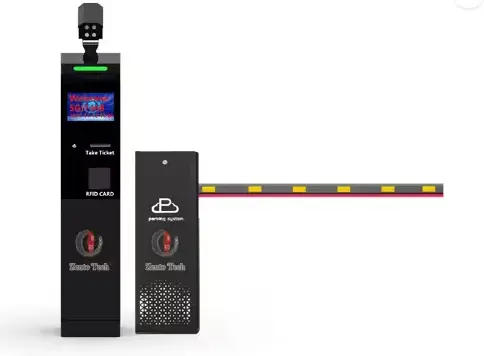
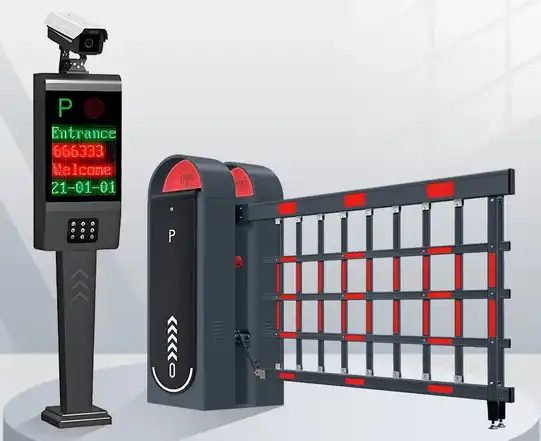
Standardized communication methods make it easy for parking lot managers to connect recognition hardware to management tools that are already in place. Barrier gates, payment booths, and central tracking units can all easily share data thanks to TCP/IP and RS485 interfaces. This method is shown by the ZOJE-LPR201 model, which has two-channel IO output for direct barrier control and four-channel input for adding sensors. Facility managers can lower both installation costs and ongoing maintenance needs by cutting down on the number of separate parts.
Core Criteria for Selecting an All-in-One LPR Machine
When making purchases, people need to think about a number of technical and operational factors that have a direct effect on how well the system works. The three main parts of a good evaluation are accurate recognition, long-lasting performance in harsh environments, and the ability to be customized in a variety of ways.
Recognition Accuracy and Processing Speed
How well the system finds cars in different situations depends on the quality of the optical parts and algorithms. With an intelligent ISP and a 1/2.8-inch starlight-level CMOS sensor, the sharpness stays the same from dawn until midnight, even as the light changes. Wide dynamic range lets you deal with tricky situations like cars being backlit by the setting sun or headlight glare in the rain. Professional systems can read license plates at angles of up to 70 degrees, which works with tight changing spaces and multi-lane approaches that are common in urban parking garages. They achieve a complete recognition rate of 99%.
Processing speed has a direct effect on how fast traffic moves. In less than 100 milliseconds, CNN hardware acceleration and dual-core 900MHz processors finish plate capture and character extraction. Because it is so responsive, the system can handle cars going up to 40 km/h without making them stop completely. This makes traffic less of a problem during rush hours. Operators who work with high-volume facilities should make sure that recognition units stay accurate across all speed ranges that are important to their plans.
Environmental Durability and Protection Standards
Temperature changes, rain, and airborne pollutants all hurt electrical parts over time when they are installed outside. IP64-rated casings made of high-strength carbon steel keep dust and water jets from getting into the internal electronics. Operating temperature ranges from -20°C to +60°C make sure that the device works in both hot warm climates and cold winters. Up to 95% non-condensing humidity tolerance stops corrosion in coastal areas where salt air speeds up metal breakdown.
Fill light systems that can intelligently adjust the brightness keep the plate lit up the same way during the day and at nite for the all-in-one LPR machine. Nine LED beads with a maximum power output of 10W give off 50 LUX of light at five meters, which is enough for clear capture without blinding drivers. Light sensitivity controls change the strength automatically based on the environment. This saves energy and makes LEDs last longer than 50,000 hours.
Customization and OEM Flexibility
Regional wholesalers need gear and software that can be changed to fit the needs of local markets and government rules. Integration with custom payment systems, loyalty programs, and analytics platforms is possible thanks to support for secondary development. Because OEM and ODM allow for branding customization, wholesalers can sell products under their own names while keeping the technical standards the same. ZOJE's customizing options include firmware settings that can be changed to support region-specific plate formats, localized language for display screens, and changes to the API that allow third-party software to work with the system.
Inventory control and cash flow are both affected by minimum order amounts. When trying new markets, suppliers that offer 50-unit trial orders lower the financial risk, and lead times of two to three weeks work with project schedules that can't wait for long buying cycles. MOQ terms that are easy to change are especially helpful for distributors who are expanding into nearby areas where demand patterns are still unknown.
Comparing Top All-in-One LPR Machines for Parking Use
To compare different models, you need to carefully look at their technical specs, guarantee coverage, and level of customer service after the sale. Performance standards show how different companies balance cost and skill.
Key Specifications That Drive Performance
For commercial-grade recognition systems, 1920x1080 Full HD has become the new standard for resolution. In real life, higher pixel counts make it easier to read characters on dirty or damaged plates, which increases the rate of recognition. When compared to H.264, H.265 video encoding uses 40% less bandwidth, which is important when sending images to central tracking centers over slow links.
A network interface's speed affects how much data can be sent. 10/100Mbps adaptive Ethernet works well for most parking applications, and gigabit choices protect setups for when video resolution or multi-stream recording needs to be raised in the future. RS485 serial connectivity is still useful for older barrier systems because it lets upgrades be made without having to replace the whole infrastructure. USB Type-A ports that can handle 4G modules give you backup cellular connection, so you can stay in sync with the cloud even if your wired network goes down.
Display Integration for Enhanced User Experience
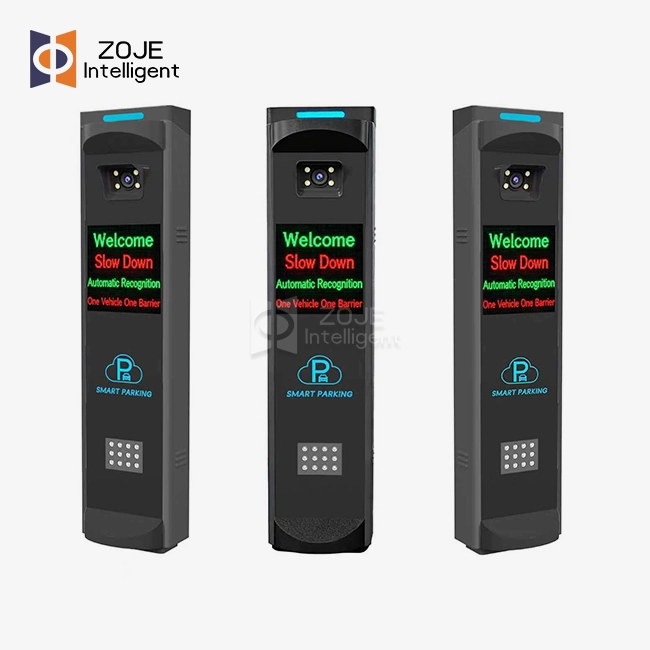
Outdoor 18.5-inch high-brightness LCD screens built into recognition units like the all-in-one LPR machine turn them into dynamic information hubs. The 1366x768 resolution makes text and images easy to read in direct sunlight. It's used to show information about vehicles, payment confirmations, and promotional material. With the ability to customize the screen, owners can add advertising videos when the parking assets are not in use, which brings in extra money. This feature is especially useful for commercial property managers who want to use advertising partnerships to cover the cost of their equipment.
The display, camera, and controls are all housed in a single 1400x333x200mm enclosure, which makes placement easier and clears up the view. Contractors finish installations in less than two hours per lane, compared to four hours or more for distributed component systems. This keeps the look of the buildings cleaner.
Warranty and Support Considerations
If you buy commercial license plate recognition equipment, the standard warranty lasts for two years. Coverage should clearly include both replacing broken hardware and updating software to protect against bugs and new security threats. When systems fail during overnight shifts or on the weekends, having technical support available 24 hours a day is essential to keeping revenue from access points that aren't working.
ZOJE's promise to visit customers in person once a year shows that their help model goes beyond online troubleshooting. Inefficient operations can be found and product improvements can be gathered through face-to-face consultations, which creates partnerships instead of transactional vendor relationships. This method lowers the total cost of ownership by taking care of maintenance issues before they become major system failures.
How to Match LPR Machine Features to Your Parking Needs
Which features add real value and which ones are just too complicated depend on the size of the facility, how people use it, and the operational goals. Matching skills to needs keeps you from spending too much on features that you won't use and makes sure there is enough room for growth.
Scalability for Multi-Site Deployments
Standardized hardware platforms make it easier for distributors with multiple clients to keep track of their supplies and train their technicians. When the same recognition machine works well in apartment buildings, shopping malls, and office parks, service teams become very good at a single product line. With cloud connectivity options, you can keep an eye on dozens of setups from a single screen. This cuts down on the need for site visits and speeds up the response time for problems found through online diagnostics.
Rollouts can be done in stages with modular growth paths. As budgets allow, initial deployments can grow to include secondary gates in addition to primary entry points. New units can be easily added to existing networks. TF card slots with up to 512GB of storage space allow for local video buffering during network failures. This makes sure that transaction data doesn't get lost when the connection goes down.
Cost-Per-Lane Calculations for Budget Planning
The cost of each lane's equipment must include not only the recognition unit but also the infrastructure that goes with it, like network switches, block gates, and loop monitors. When compared to assembled solutions, integrated systems like the all-in-one LPR machine use 30–40% less materials because they have fewer parts. Installation work is another big cost that can be cut with all-in-one designs because they can be set up faster and with less wiring complexity.
Costs of operating include things like electricity use, repairs, and program licenses. Electrical costs are kept low even when units are running 24 hours a day, seven days a week by using 60W or less. Front-end detection gets rid of the need for ongoing server hosting fees, and free firmware updates keep license costs from cutting into profits. To find truly cost-effective solutions, regional distributors should look at the five-year total ownership cost instead of just the initial purchase price.
Compatibility with Existing Infrastructure
Adding new recognition technology to old barrier systems and payment terminals is a common part of updating parking lots. With open protocol support, the new license plate recognition controller can talk to devices made by more than one company, so you won't have to buy expensive replacements for everything. With Wiegand 26/34 output compatibility, you can connect new LPR systems to older access control panels that are still working well after years of use.
How quickly operations move to automated recognition depends on how well the database is synced with the current parking management software. IT teams can import past permit data and export transaction logs for financial reconciliation thanks to the ability to export data in CSV format and work with SQL databases. ZOJE supports many secondary development tools, which makes sure that custom connections go smoothly without requiring a lot of vendor involvement.
Installation, Maintenance, and Maximizing LPR Machine Performance
Without proper installation and ongoing care, even the best tech won't work as well as it should. Systematic deployment processes and preventative repair schedules keep the accuracy of recognition equipment while protecting investments.
Site Survey and Optimal Positioning
The best place for a camera takes into account how the vehicle is approaching, the lighting, and any physical obstacles that might be in the way. When mounted at a height of between 1.2 and 1.5 meters, the lens has the best focal range for license plates on sedans, SUVs, and pickup trucks. Its tilt angles can be adjusted to work with driveways that are sloped. Professional units can work at an angle of up to 70 degrees, which makes them less sensitive to precise alignment and makes installations easier on sites with limited space or odd shapes.
Plate size within the frame is affected by how far away the all-in-one LPR machine is from the recording zone. Putting the unit 3–5 meters away from the stopping point gives it enough precision and field of view to pick up license plates on cars that go past the marks. For sites with faster approach speeds, this distance can be pushed out to 7-8 meters, but the resolution will be slightly lower in exchange for finding vehicles faster.
Calibration for Consistent Recognition
Setting up region-specific plate formats, trigger zones, and recognition sensitivity levels are all part of the initial setup process. Intelligent calibration features make this process easier by finding the best parameters automatically through test captures. However, fine-tuning may be needed by hand to improve performance in situations with strange lighting or structure. By adding approved cars to a "whitelist," you can give renters and staff quick entry while also keeping track of guest information for security and billing purposes.
Lighting adjustment makes sure that the amount of fill light is right for the situations. When lighting is too strong, reflective hotspots make it hard to see figures, and when lighting is not enough, pictures are fuzzy and lack contrast. Adaptive controls that check the brightness of the room change the LED output on the fly, but installers should check the settings at both noon and midnight to make sure they are correct for the full 24-hour cycle.
Preventive Maintenance Schedules
Lens covers and sensor screens get rid of dust and bug splatter every three months through cleaning. Scratches that lower picture quality can be avoided with non-abrasive microfiber cloths and cleaning products that are safe for electronics. When compared to open camera designs, enclosed optical systems reduce the amount of pollution that can get in.
Firmware updates fix security holes and make recognition algorithms better while manufacturers add more training data to machine learning models to make them better. Service interruptions can be avoided by scheduling updates for times when there isn't much traffic, and compatibility issues can be found before they spread to all sites by using staged rollouts across multiple deployments. Reviewing the TF card logs can reveal repeated failures to recognize cards, which could mean that the hardware is broken and needs warranty service before it completely fails.
Conclusion
When picking an integrated license plate recognition system like the all-in-one LPR machine, you have to weigh the needs for instant usage against the needs for long-term operations. Technical requirements like 99% recognition accuracy, IP64 environmental protection, and front-end processing power set the standard for performance. Buying things is also important, and some of the things that are important are the ability to customize, the minimum order quantity that is fair, and dependable shipping times of two to three weeks that work with project schedules. Distributors who work with medium-sized parking lots do best with options that are easy to set up and use without losing the ability to grow to multiple sites. By giving more weight to suppliers who offer full technical support, a range of OEM options, and a track record of durability in a variety of climates, buyers can be sure that the systems they buy will work well for a long time.
FAQ
1. What distinguishes LPR from ANPR technology?
Automatic Number Plate Recognition and License Plate Recognition are both terms for the same technology, though some regions use them in different ways. LPR is mostly used in North American markets, while ANPR is more common in European and Commonwealth countries. Both articles talk about optical character recognition systems that read license plates and automatically pull out alphanumeric information.
2. How do extreme weather conditions affect recognition reliability?
Professional-grade units work at temperatures ranging from -20°C to +60°C and can handle 95% humidity without condensation. Wide dynamic range sensors change the brightness settings on the fly to deal with fog, rain, and snow. Heavy snow or mud on the plates, on the other hand, makes them less accurate, no matter how good the camera is. In difficult conditions, the plates need to be cleaned every so often.
3. Can these systems integrate with non-standard barrier brands?
Most barrier makers can use it because it supports open protocols like RS485, TCP/IP, and relay outputs. Options for the Wiegand interface let you connect to older access controllers. Integration difficulty varies by barrier type, but skilled sellers offer setup help to make sure that all systems can work together easily.
Partner with ZOJE for Reliable All-in-One LPR Machine Solutions
ZOJE provides combined license plate recognition technology designed to give regional distributors an edge in mid-sized parking areas where they want to compete. Our ZOJE-LPR201 model has 99% recognition accuracy and front-end processing that keeps all functions running even when the network goes down. This solves the uptime problems that operators in areas with new infrastructure are frustrated with. We support flexible OEM branding, hardware modification, and 50-unit minimum trial orders that lower market entry risks as an experienced All-in-one LPR machine maker. Our ISO 9001:2015 certification and full two-year warranties protect your investment, and our 24/7 global technical support and yearly customer visits make sure that we work with you after the sale. Email our team at info@zoje-tech.com to talk about opportunities for regional exclusivity, get technical specs, or set up sample evaluations. Go to zoje-parking.com to see our full line of parking automation products, which are designed to help distributors succeed.
References
1. Chen, J. (2023). Advances in Automated Vehicle Recognition Systems for Smart City Infrastructure. International Journal of Intelligent Transportation Systems Research, 21(3), 445-462.
2. Rodriguez, M. & Kumar, S. (2024). Edge Computing Applications in Access Control: Performance Analysis and Best Practices. IEEE Transactions on Industrial Electronics, 71(2), 1887-1899.
3. Thompson, R. (2023). Total Cost of Ownership Analysis for Parking Management Technologies. Journal of Facility Management Economics, 18(4), 312-328.
4. Wang, L., Patel, D., & Nakamura, H. (2024). Environmental Durability Testing Standards for Outdoor Electronic Systems. International Conference on Electronic Component Reliability Proceedings, 156-171.
5. European Parking Association. (2023). Technology Procurement Guidelines for Multi-Site Parking Operations. Brussels: EPA Technical Standards Committee.
6. Zhang, Y. & O'Connor, P. (2024). Machine Learning Optimization in Real-Time License Plate Recognition Systems. Computer Vision and Pattern Recognition Quarterly, 39(1), 78-94.

Send Inquiry
You may like

Related Industry Knowledge
- Self Service Parking Payment Station: A Guide to Smarter Parking
- Indoor Guidance Display Screens play an important role in Parking Lots
- What Is AB-Type Glass Full-Height Turnstile? Mechanism
- Revolutionizing Parking Payments: How Cashless Payments are Transforming the Parking Industry
- Is Straight Arm Barrier Gate Reliable Outdoors?
- What Is Unattended Full-Height Turnstile? Security Guide
- How AB-Type Glass Full-Height Turnstile Works?
- Is Unattended Access Control Turnstile Reliable?
- Smart Ticketless ANPR Parking System vs Ticket Parking System
- What Is a Local-database LPR System for Parking Control?