
Revolutionizing Parking Payments: How Cashless Payments are Transforming the Parking Industry
2026-06-23
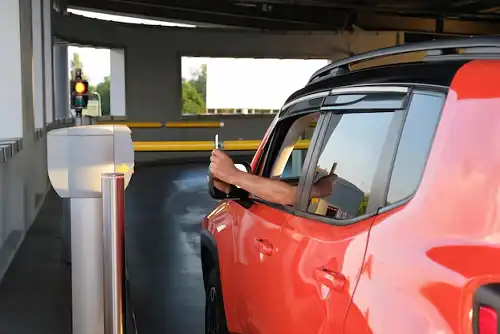
There is a big change happening in the parking business because of new technologies and changing customer needs. Traditional coin-operated meters and cash collection systems have long been a problem because they slow down transactions, break down often, and pose major security risks. Today, the Cashless Parking Payment Station is a major step toward automation because it lets credit cards, QR codes, and mobile apps be used to pay for parking without cash. These high-tech, automatic kiosks get rid of the inefficiencies of handling cash by hand and give facility owners real-time data access. Property managers at shopping malls, airports, apartment buildings, office complexes, and business parking lots now see these systems as necessary infrastructure investments that lower costs and improve customer happiness at the same time.
Understanding Cashless Parking Payment Stations
Modern automated payment systems use a lot of different technologies to make a full transaction environment. These smart machines use NFC modules for contactless payments, EMV-certified card readers for credit and debit transactions, and high-resolution QR code scanners for digital wallet integration. Older meters use coin devices that can get jammed or vandalized. The systems are based on stable Android platforms, which make sure they can work with new payment methods and software changes.
Core Components and Architecture
The hardware base is made up of industrial-grade mini PCs that can handle temperature changes of up to +75°C, so they will work reliably in a wide range of weather. A 17-inch sensitive display with high brightness makes it easy to use, even when it's outside in the sun. The enclosure is usually made of cold-rolled steel and has an IP65 rating for resistance to dust and water, as well as an IK10 rating for defense against theft. These requirements are especially important for outdoor sites at airports and city parking lots on the side of the street, where the weather is always a problem.
There are thermal paper printers built into the system, which means it needs less upkeep than inkjet printers. During transitional times, customizable coin and note readers can handle hybrid payment preferences. This lets operators slowly stop accepting cash based on how many users adopt the system. When someone from the outside tries to get in without permission, security alarms go off right away, and extra CCTV tracking adds to the surveillance options. Through RS485 and Wiegand protocols, the whole system works with license plate readers and barrier gate controls, allowing for smooth entry and exit verification processes.
Software Intelligence and Connectivity
The Cashless Parking Payment Station runs on Android 4.0 or higher, enabling custom application development. Real-time synchronization with cloud-based management tools allows dynamic pricing adjustments based on events or occupancy levels. Network outage protection through store-and-forward functionality saves transaction data locally, uploading records immediately upon connection restoration—preventing revenue loss during temporary disruptions. RESTful API connectivity enables third-party integrations, allowing shopping malls to connect validation systems where stores scan discount QR codes to reduce customer parking fees through the payment station.
Benefits of Adopting Cashless Parking Payment Stations for Businesses
Putting in place automated payment systems leads to measurable gains in operations, finances, and the customer experience. The business case is more than just a way to save money; it also includes strategy benefits in data management and being good to the earth.
Operational Efficiency Gains
When you stop handling cash, you get rid of the "Cash Handling Triad" of problems: security risks from theft and internal pilferage; high operational costs for guarded car services and counting processes; and technical downtime from coin jams or full bill stackers. Property managers at office buildings say that switching to 24/7 automatic payment stations has cut labor costs by more than 40%. The systems don't need much control, so employees can be put to work on more important customer service tasks instead of regular tasks like collecting cash and making sure accounts are balanced.
Speeding up transactions has a direct effect on processing capability. Traditional cash payments take between 15 and 200 seconds per car, based on how much change is needed and how well the user knows how to use the equipment. Contactless payment choices cut this time down to 3 to 5 seconds, which makes waiting in line much less likely during busy times. When a lot of people use the payment machines quickly, there is less traffic at the registers, even on busy weekends and holidays. This is good for shopping mall owners.
With cashless systems, maintenance needs go down a lot. Mechanical bill and coin acceptors need to be serviced often because the moving parts can get dirty and worn out over time. Because electronic payment units have fewer mechanical parts, the average time between breakdowns is longer. Remote diagnostics make it possible to plan repair ahead of time, and central tracking systems let technical teams know about potential problems before they cause the whole piece of equipment to break down and stop activities.
Enhanced Revenue Protection and Visibility
Digital transactions provide complete auditability through time-stamped records, eliminating manual counting errors and theft. Real-time revenue dashboards at airports enable accurate financial forecasting. Dynamic pricing adjusts rates based on demand algorithms, increasing revenue during peak periods. Residential complexes implement tiered pricing distinguishing tenant, visitor, and unauthorized vehicle rates. The Cashless Parking Payment Station automatically applies complex fee logic.
Superior Customer Experience
Modern consumers expect flexible payment options including credit cards, mobile wallets (Apple Pay, Google Pay), and regional QR code systems. The 17-inch touchscreen guides users through intuitive multi-language processes, reducing confusion and support calls. Digital receipts via SMS or email maintain operations when thermal paper expires. Contactless payment options address post-pandemic hygiene concerns, particularly valued at airports and medical facilities.
Environmental Sustainability
Digital transactions reduce paper consumption for tickets and receipts. Solar-powered versions for street parking lower electrical infrastructure costs and support sustainability goals. Modern payment stations use less raw material than bulky cash-recycling units, reducing environmental impact throughout the product lifecycle. These sustainability features increasingly influence procurement decisions.
Comparing Cashless Parking Payment Stations with Traditional Systems
Limitations of Legacy Infrastructure
Coin-operated meters suffer from mechanical vulnerabilities including coin jams from seasonal expansion, moisture-induced electrical corrosion, and bill validator failures with damaged currency. Cash-dependent meters remain theft targets despite limited holdings. Limited payment flexibility frustrates users without exact change. Revenue reconciliation requires manual collection, counting, and discrepancy investigation, introducing errors and internal fraud risks.
Advantages of Automated Payment Solutions
Cashless Parking Payment Stations accept multiple payment methods—credit cards, QR codes, mobile wallets—ensuring universal accessibility. Android-based operating systems enable feature additions through software updates, protecting hardware investments. Integration with license plate recognition enables seamless "pay-by-plate" experiences. Vandalism resistance increases through cold-rolled steel construction and tamper alarms. Optional CCTV integration provides evidence during security incidents.
Power and Installation Flexibility
Electric models suit covered parking with existing infrastructure, while solar versions excel in outdoor urban applications without electrical conduits. Wall-mounted layouts save floor space in urban developments, while pedestal installations improve visibility in open lots. OEM/ODM partnerships enable customized mounting arrangements, branding elements, and feature sets tailored to specific facility requirements.
Strategic Procurement and Implementation of Cashless Parking Payment Stations
To have a successful deployment, you need to carefully evaluate the suppliers, prepare the spot, and plan for ongoing upkeep. When choosing automated payment options for their facilities, procurement workers have to think about a lot of different things.
Supplier Selection Criteria
ISO 9001:2015 certification indicates systematic quality management. Patent portfolios demonstrate technical innovation commitment. Established suppliers like ZOJE (founded 2012) offer extensive parking systems experience. Delivery timelines affect project schedules—standard units ship within 5-7 days, custom solutions within 10-15 days. 24/7 global technical support ensures prompt troubleshooting across time zones. Two-year comprehensive warranties protect against premature failures.
Installation Best Practices
Site surveys assess network connectivity (fiber optic, Ethernet, or cellular), power requirements, and physical clearance for ADA compliance. Integration planning ensures compatibility with barrier gates, license plate readers, and central management software. Wiegand and RS485 interface documentation ensures proper communication. Pilot operations in sample locations enable real-world testing before full rollout, with user feedback informing interface refinements.
Maintenance Protocols and Remote Management
Regular software updates maintain PCI-DSS compliance and address emerging security threats. Remote update features enable centralized deployment without technician site visits. Preventive maintenance addresses consumable wear like printer paper and thermal print heads. Digital receipt capabilities maintain operations during printer replacement. Diagnostic dashboards monitor transaction success rates and hardware health, enabling proactive maintenance scheduling.
Financing and Procurement Models
Capital expenditure purchases suit organizations seeking long-term asset ownership. Leasing arrangements reduce upfront costs, appealing to cash flow-conscious operators. Volume pricing for multiple units provides economies of scale. OEM/ODM partnerships enable branded parking solutions with private labeling and specialized features including electric vehicle charging integration or enhanced accessibility improvements.
Future Trends and Industry Impact of Cashless Parking Payment Stations
Artificial Intelligence and Predictive Analytics
Machine learning analyzes transaction data to predict demand patterns. Shopping malls implement dynamic pricing based on anticipated occupancy during promotions. Airports adjust rates according to flight schedules. Predictive maintenance analytics identify component degradation patterns, replacing parts before failure. This capability reduces emergency service calls and unexpected downtime at high-volume locations.
Internet of Things Integration
Parking structures increasingly serve as connected IoT nodes in smart city systems. Real-time availability data guides drivers to open spaces, reducing circling that contributes to congestion. Municipal planners use aggregated parking data for urban planning decisions. Sensor networks detect vehicle presence and duration, enabling automated time-limit enforcement. The Cashless Parking Payment Station serves as the central data hub connecting payment records with occupancy monitoring.
Mobile-First User Experiences
Progressive facilities deploy mobile payment apps enabling remote license plate entry and payment. Users receive digital receipts and expiration reminders. The physical Cashless Parking Payment Station becomes a backup option for non-smartphone users. QR code workflows bridge mobile and kiosk interactions—users scan displayed codes and pay through familiar mobile apps, accommodating varying technology comfort levels.
Multi-Modal Transportation Integration
Unified payment systems combine parking fees with public transit, bike-share, and ride-hailing services under single accounts. The Cashless Parking Payment Station can authenticate users from these platforms, charging linked payment methods upon exit. This interoperability facilitates seamless urban mobility, encouraging multi-modal transportation use and reducing single-occupancy vehicle dependence.
Regulatory Landscape Evolution
Evolving payment security standards require ongoing compliance investments. PCI-DSS updates demand enhanced encryption and tokenization. Procurement must include future-proof designs supporting emerging standards. Privacy regulations (GDPR, CCPA) govern license plate and payment data handling. Automated systems require consent management, data minimization, and retention policies aligned with jurisdictional requirements.
Strategic Planning for Technology Adoption
Procurement teams should assess vendor innovation roadmaps. Suppliers investing in AI integration, IoT connectivity, and mobile platform development demonstrate commitment to industry trends. ZOJE's annual customer visit program enables collaborative roadmap development, ensuring product evolution aligns with market needs. Scalability considerations accommodate phased expansion across shopping malls, airport terminals, and residential developments without wholesale replacement.
Conclusion
Cashless Parking Payment Stations deliver substantial benefits for operational efficiency, revenue optimization, customer satisfaction, and environmental sustainability. Modern solutions offer faster transactions, expanded payment options, enhanced security, and data-driven insights that mechanical meters cannot match. Procurement professionals should prioritize ISO-certified suppliers with comprehensive support, customization capabilities, and technology roadmaps aligned with industry trends. Strategic benefits extend beyond cost savings to improved facility management and smart city integration. Investing in Cashless Parking Payment Stations now establishes the foundation for future urban transport innovation and data-driven operational optimization.
FAQ
1. What payment methods does a Cashless Parking Payment Station support?
These days, automatic payment terminals can handle many types of transactions, such as contactless NFC payments through Apple Pay, Google Pay, and Samsung Pay, reading QR codes for digital wallets and mobile apps, and IC cards. Through built-in coin and note readers, customizable setups can keep accepting cash during transitional times. This gives users options as their payment habits change toward fully digital payments at a Cashless Parking Payment Station.
2. How do these systems handle network connectivity failures?
Industrial-grade units have "store-and-forward" features that keep protected transaction data in safe local memory in case network links drop. While the system isn't connected, payments are still being processed, and when connection is restored, batch records are immediately uploaded. This design makes sure that there is no loss of income during short outages and that all transactions can be fully inspected. Dual-routing setups that use both fiber optic and cellular backup lines give important installations at airports and business buildings extra security.
3. Can payment stations integrate with existing parking management software?
Integration skills are important parts of design. RESTful APIs, MQTT protocols for reporting state, and standard interfaces like Wiegand and RS485 for controlling block gates and coordinating license plate readers are all supported by systems. Automatic verification at entry and exit spots is made possible by real-time data synchronization, which checks payments against car records. Using a third-party validation app, shopping mall stores can offer parking discounts by scanning coupon numbers. The central management system checks to see if the discount is valid when the payment is processed.
Transform Your Parking Operations with ZOJE's Advanced Payment Solutions
Adding a Cashless Parking Payment Station from a reputable maker to your building will make it run better right away and give you long-term strategic benefits. ZOJE's automated payment machines run on Android and have 17-inch touchscreens that make it easy to use credit cards, QR codes, and mobile wallets. Transactions are processed in 3 to 5 seconds, while cash systems take 15 to 200 seconds.
The industrial-grade construction can handle high temperatures and attempts at mischief. It comes with an ISO 9001:2015 certification and a full two-year warranty. Customizable OEM and ODM choices let you make hardware and software setups that fit your needs, whether you're in charge of parking lots at an airport, a shopping mall, an apartment complex, an office building, or a city lot. It takes 5 to 7 days to ship standard units, but only 10 to 15 days for personalized options. Around-the-clock technical help around the world makes sure that your business runs easily in all time zones. Get in touch with ZOJE at info@zoje-tech.com right away to talk about how our payment station options can help your business run more smoothly and make customers happier.
References
1. International Parking & Mobility Institute. (2023). "Emerging Payment Technologies in Parking Management: A Comprehensive Industry Analysis." IPMI Research Foundation.
2. Chen, M., & Rodriguez, K. (2024). "Cashless Transaction Systems and Operational Efficiency in Commercial Parking Facilities." Journal of Urban Infrastructure Management, 18(2), 145-167.
3. National Parking Association. (2023). "The State of Parking Technology: 2023-2024 Industry Report." NPA Publications.
4. Thompson, J., Liu, S., & Anderson, P. (2024). "Security Standards and Payment Compliance in Automated Parking Systems." International Journal of Payment Security, 12(1), 78-95.
5. Urban Land Institute. (2023). "Smart City Integration: The Role of Connected Parking Infrastructure in Modern Urban Planning." ULI Technology Council Report.
6. Williams, R., & Nakamura, T. (2024). "Cost-Benefit Analysis of Cashless Parking Payment Infrastructure Across Facility Types." Transportation Research Record: Journal of the Transportation Research Board, 2678(3), 223-241.

Send Inquiry
You may like


Related Industry Knowledge
- Self Service Kiosk Solutions for Your Business Needs
- How Fast Access Boom Barrier Improves Efficiency?
- What Is Anti-Collision Flap Turnstile Gate? Working Principle
- How Collision-Proof Boom Barrier Reduces Damage?
- Is Unattended Access Control Turnstile Reliable?
- How Collision-Proof FlapTurnstile Extends Lifespan?
- Best LPR Server for Extreme Weather Conditions
- Benefits of Intelligent Parking Systems for Urban Traffic & Sustainability
- Benefits of a City Parking Lot Management System in 2026
- Why LPR Camera for Parking Management Improves Efficiency?