
LPR Camera for Parking Management: What Buyers Should Know
2026-09-10
An LPR camera for parking management is an intelligent imaging device specifically engineered to capture and decode vehicle license plates automatically. These systems integrate optical character recognition algorithms with advanced sensors to transform visual plate data into readable text strings. For brand operators and parking equipment distributors, understanding what sets professional-grade LPR solutions apart from generic surveillance cameras is essential. The difference lies in precise shutter control, wide dynamic range capabilities, and embedded AI processing that deliver consistent recognition accuracy even under challenging environmental conditions. Modern LPR cameras address critical operational needs—eliminating manual ticketing errors, accelerating vehicle throughput, reducing staffing costs, and enabling seamless integration with access control and payment platforms. When evaluating solutions for your branded parking systems, the key lies in selecting devices that balance recognition performance, customization flexibility, and long-term scalability.
Understanding LPR Camera Technology for Parking Management
How License Plate Recognition Works
Specialized gear and smart software must work together for license plate detection technology to work. Using motion recognition or loop sensors to set off triggers, the camera takes high-resolution pictures as cars get closer. Then, advanced image processing algorithms separate the license plate area from the background, taking into account changes in speed, angle, and lighting. Optical character recognition turns the visual plate into data with letters and numbers that can be compared to databases for billing or access control.
Professional LPR cameras have CMOS sensors that work at the level of sunlight to keep images clear in low light, with a sensitivity of up to 0.01 Lux. Wide dynamic range technology can handle situations with a lot of contrast, like bright headlights against dark backgrounds or strong backlighting during the day. The design of the processes is very important. All the work for edge-based recognition systems, like front-end LPR sensors, is done on the device itself. This gets rid of the need for a network connection and cuts down on latency, both of which are very important for real-time access control in parking garages.
Key Performance Metrics That Matter
The most talked-about feature is the accuracy of recognition, but knowing what makes that number tells you more. Getting recognition rates higher than 99% depends on a number of things. For example, the picture quality needs to be high enough to provide enough pixels across the plate area; this usually means at least 120 pixels across the plate width. Character legibility is affected by the mounting angle—vertical angles greater than 30 degrees or horizontal skew greater than 35 degrees significantly lower performance. Motion blur is caused by vehicle speed; systems made for parking lots should stay accurate at speeds up to 40 km/h.
Systems like the LPR camera for parking management that can adapt to their environment are different from those that can't. Plate readers have to deal with plates that are dirty, wet, foggy, or covered in rain or snow. The intelligent fill light control changes the amount of LED light based on the lighting conditions, which keeps the image from being too bright or too dark and makes sure there is enough contrast. Good devices have neural network algorithms that have been taught on different plate conditions. This lets them make accurate reads even when letters are partly covered or damaged.
Deployment Challenges and Solutions
There are some unique problems that come up when installing LPR systems in parking garages. A lot of underground parking garages have bad lighting, sharp corners, and multiple approach ways that meet up. Careful planning is needed to place cameras at the best distances—usually 3 to 6 meters from the capture point—while taking into account the height of the ceiling. In places with more than one lane, wide-angle lenses that can capture plates from cars coming at them from different angles are helpful, but they need more complex algorithms to fix the distortion.
When sites are outside, weather protection is very important. Even though cameras with an IP64 rating or higher can handle dust and water spray, condensation inside the housing is still a problem in humid places. Good shelters are sealed and have heating elements inside that turn on automatically when the temperature drops. Vandalism security through IK-rated housings makes sure that operations can continue in public places. Power supply redundancy and cable management keep systems from going down, which is especially important for places that are open 24 hours a day, seven days a week.
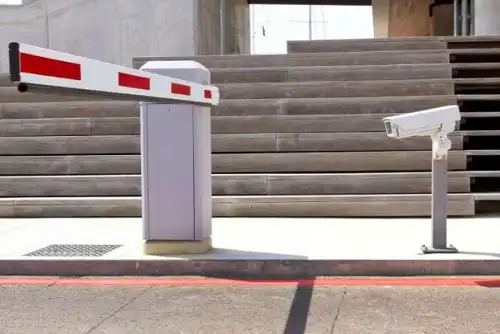
Comparing LPR Camera Systems: Making the Right Choice for Your Parking Lot
Traditional Access Control vs. Modern LPR Solutions
In the past, parking lots used magnetic stripe tickets, RFID cards, or staff checking tickets by hand. There are problems with these methods: paper tickets can be lost or changed, RFID cards need to be remembered and carried with the user, and during busy times, human processes slow things down. By using the car itself as the proof, license plate identification gets rid of these problems. Drivers can enter and leave without touching anything, which cuts down on the time they spend at gates and makes traffic move better.
When you compare operating costs, you can see big benefits. RFID systems need cards to be issued, replaced, and readers to be maintained all the time. Ticket-based methods make trash and use a lot of thermal paper and printer parts. LPR infrastructure requires a bigger starting investment, but it cuts costs by a huge amount over time. As automated systems take over entry/exit clearance, staff can focus on customer service or security tracking, which lowers the cost of labor. As the system builds digital audit trails that stop ticket fraud and unauthorized access, it protects revenue better.
Evaluating System Architecture Options
There are two types of LPR deployments: processing at the edge and processing on the server. In edge systems like the ZOJE-LPR201, identification techniques are built right into the camera hardware. Real-time plate decoding is done by a dual-core processor and CNN hardware acceleration, so no outside computing resources are needed. This design has several advantages: when the network goes down, the recognition system still works; setting it up is easier because there is no need for server infrastructure; and adding lanes is as easy as adding cameras.
In server-based systems, processing is centralized, and cameras stream video to background software that recognizes objects, as with an LPR camera for parking management. This method works well for big facilities with a lot of entry points that would benefit from having analytics and reporting in one place. But it adds to the network's bandwidth needs, the chance of latency problems, and the number of single points of failure. Which architecture to choose relies on the size of your building, the IT infrastructure you already have, and your operational goals. Edge-based solutions are often preferred by smaller sites and OEM brand owners because they are easy to use and reliable.
Essential Features for Different Parking Environments
Commercial parking lots serving retail centres or office buildings prioritize throughput and user experience. Cars can pass at strolling speeds with non-stop free-flow admission. Predictive triggers and fast recognition allow this. Integration with incentive and mobile payment mechanisms simplifies customer tasks. Inbuilt 18.5-inch high-brightness LCD screen helps customers see whether the plate is read successfully and provides transaction details.
Airport and transit hub parking must operate properly even with many automobiles. Because it can distinguish over 150 car brands and 1500 models, the technology allows vehicle class-based pricing. Multiple approach pathways in congested venues may be handled using wide-angle recognition that can handle catch angles up to 70 degrees. You can monitor and manage many sites from the cloud and sync blacklist and whitelist data across regional databases.
Residential and gated communities must make entering and exiting simple and managing visitors. The whitelist function allows registered residents enter immediately, while the unknown vehicle feature flags them for security. Full entry/exit records are created by tracking plate images and timestamps. Locals may allow visitors in in advance using intercoms and smartphone applications. Custom firmware lets property managers alter sensitivity levels and define access controls for various community spaces.
Procurement Guide: How to Buy LPR Cameras for Parking Management
Evaluating Manufacturers and Suppliers
Find the finest LPR camera supplier by considering their technical expertise, customisation capabilities, and long-term commitment. Successful parking lot automation firms deploy their solutions in numerous generations to demonstrate maturity. Look for certified suppliers. ISO 9001:2015 quality management ensures structured manufacturing controls, while CE and FCC compliance ensures target market regulator acceptance.
Customization determines how much a product is theirs for brand owners and OEM partners. White-label applications should encompass hardware, firmware, starting screens, packaging, and documentation. Quality suppliers defend your market position by consenting to regional exclusivity agreements and intellectual property protections. ZOJE offers significant OEM customization, allowing firms to modify their appearance while giving technical support throughout the product.
Technical support infrastructure distinguishes trustworthy merchants. Respondent pre-sales engineering helps configure systems for each location. Detailed installation instructions and remote professional help ensure deployment commissioning goes successfully. Post-sales assistance is crucial as your client base expands. Maintaining your system requires 24-hour expert hotlines, software updates, and easy-to-find replacement parts. Annual supplier tech team visits demonstrate commitment to partnership success and allow us to discuss product roadmap alignment.
Understanding Pricing Components and MOQ Flexibility
Several variables impact parking LPR solution prices. The major expense is camera hardware, which depends on sensor quality, processing power, and housing characteristics. Integrating screens like the 18.5-inch outdoor LCD in entire terminal units makes them more functional but costs more. Server-based solutions and sophisticated analytics may need software license. However, edge-based devices sometimes include identification software in the hardware cost. Installation and setup are additional, particularly for complex multi-lane procedures.
Brand owners entering new markets or testing product-market fit might consider minimum purchase quantities for LPR camera for parking management. Rigid MOQs demand large capital inputs before confirming local market necessity. Leading LPR camera vendors enable 100–500 unit trial sales to evaluate the market without taking on too much inventory risk. This flexibility is particularly important when starting out in countries with limited parking and diverse preferences.
Volume price tiers boost growth and profitability. Suppliers frequently reward dedication and scale with standard rates for first orders, bulk reductions at 500 units, and better pricing for yearly purchase arrangements. Understanding these processes helps you budget and bargain. Requesting full quotations that include hardware, customisation, and tooling expenses clarifies and helps you estimate the cost of your branded product.
Logistics and Certification Considerations
When buying from another nation, logistics are more challenging, affecting cost and time to market. You must evaluate cost and speed while picking sea freight vs air freight. On big shipments, sea freight saves money but takes 4–6 weeks, whereas air freight delivers in days at higher rates. Responsibility is defined by incoterms. The buyer pays all import taxes and domestic delivery under FOB conditions, while the seller pays all expenses and procedures to deliver directly to your specified address under DDP terms.
Each market has various certification requirements, which may delay projects if not addressed early. European markets need CE marks to verify health, safety, and environmental compliance. Legal North American installations need FCC certification of radio frequency emissions. Some localities require parking equipment to be fire-safe or environmentally friendly. Find out whether your vendor has certification papers for branded items or if your white-label products require third-party testing.
Packaging influences product protection and brand image. With neutral white-box packaging, you may add your brand with stickers or bespoke outer boxes without redesigning the package. unique packaging with your brand's images, product photographs, and multilingual instructions improves unpacking, but it may need design approval and unique toolsing. While negotiating a product acquisition, discuss packaging options to ensure the product's appearance matches your brand.
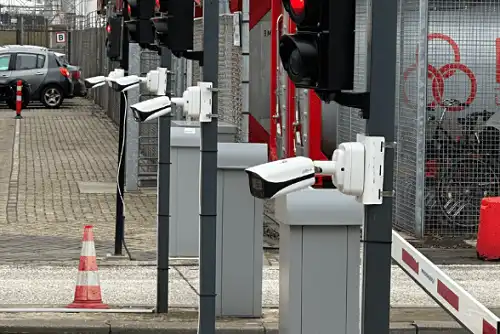
Advantages of Automated Parking Management Using LPR Cameras
From Cost Savings to Revenue Growth and Future-Ready Scalability
Automatic parking management employing license plate recognition improves operations, economics, and user experience. Knowing these advantages will help you choose business strategies and sell LPR solutions to consumers. The ZOJE-LPR201 shows how contemporary LPR technology may improve facilities with its many features and reliable performance.
Better traffic flow is immediately noticeable. Traditional ticketing systems require cars to stop, receive tickets, and wait for gates to open, so people must wait in line. This process speeds up at peak periods, producing gridlock on public streets and anger. LPR devices that operate continuously may scan plates as cars go ahead, eliminating artificial bottlenecks. Facilities report 60–80% throughput gains during peak hours, which boosts customer satisfaction and parking capacity without expanding.
Eliminating operating expenses is costly. Labour expenses drop, thus facilities that require workers at every entry and exit may centralize monitoring or eliminate personnel for routine jobs. Thermal paper, tickets, and RFID cards are no longer needed or tracked. Because LPR cameras have fewer moving parts than ticket machines or card readers, maintenance is cheaper. The low-maintenance ZOJE-LPR201 works consistently in temperatures from -20°C to +60°C. These savings build up annually, and medium- to large institutions generally pay back the system investment in 18–24 months.
Full digital control with an LPR camera for parking management protects and increases income. LPR systems provide unchangeable entrance and exit records with time-stamped images. Users cannot "swap" tickets to avoid payments while the system tracks license plates. Customers no longer argue over missing ticket prices. Dynamic pricing is achievable when the system automatically calculates prices depending on vehicle type, time of day, or promotional activities. LPR helps businesses gather and determine pricing more correctly, increasing sales by 15–25%.
More than regulating access, there are safety and security alternatives. Real-time checking for stolen autos, police complaints, and unauthorized visitors. Integration with security camera networks enables you capture everything by linking surveillance video with vehicle movements. The technology analyzes parking patterns, peak use periods, and hotel occupancy to inform business decisions and maintenance. Rapid automobile accounting helps first responders and facility management evacuate everyone.
Technology evolves, but scalability and future-proofing protect investments. By changing their firmware, modern LPR cameras may obtain new features without being replaced. Working with new smart city initiatives, mobile payment systems, and electric vehicle charging networks is achievable with cloud connectivity. The modular architecture enables the system be built in phases, beginning with the primary entries and adding subsidiary ones as funds allow. By offering many secondary growth options, the system can adapt to changing operational demands and prevent obsolescence, extending its lifespan and ROI.
Conclusion
To choose the best LPR camera for parking management, you need to think about how well it works technically, how customizable it is, how reliable the provider is, and the total cost of ownership. Professional-level solutions like the ZOJE-LPR201 give brand operators the 99% accuracy in recognition, offline functionality, and strong OEM support they need to compete in local markets. When parking lots switch from standard entry control to clever license plate recognition, throughput goes up, costs go down, and users have better experiences. Long-term success after the initial equipment purchase is guarantyd by judging manufacturers based on their technical support infrastructure, compliance with certifications, and approach to partnerships.
FAQ
1. What recognition accuracy can I expect in real-world conditions?
Professional LPR systems can recognize more than 99% of things when they are set up and setup correctly. Performance is affected by the shape of the frame, the lighting, and the state of the plate. High-quality cameras have wide dynamic range sensors and smart fill lights that keep the picture clear in rain, fog, and other lighting conditions. The ZOJE-LPR201 uses starlight-level CMOS cameras and adaptive image processing to give consistent results in a wide range of settings. It can handle car speeds of up to 40 km/h without losing accuracy.
2. How does the system handle network outages or connectivity issues?
Edge-based LPR cameras run recognition algorithms directly on the hardware of the device, so they don't need to be connected to the internet to do simple access control tasks. The ZOJE-LPR201 has front-end recognition and onboard storage via TF card slots that can hold up to 512GB. This lets the system work without internet while transaction data is being buffered. When connectivity is restored, records that were buffered automatically sync with management software. No matter how reliable the network infrastructure is, this architecture makes sure that parking operations don't stop.
3. What customization options are available for OEM partnerships?
Full OEM programs cover how the hardware looks, how the software interacts with it, the packing, and the instructions. You can change the logo's placement, the housing's color, and the logo on the startup screen. You can change the language used in the display, the way menus are organized, and the way functions work by customizing the firmware. ZOJE offers competitive minimum order quantities (MOQs) starting at 100 units for market validation. They also protect your regional exclusivity through non-compete agreements and offer technical support throughout the product lifecycle.
Partner with ZOJE for Your LPR Camera Needs
ZOJE is ready to support your brand of parking tools with complete LPR camera systems made just for OEM partnerships. Our ZOJE-LPR201 model has 99% recognition accuracy, can work offline, and has a lot of customization choices, from how the hardware looks to how the software interacts with it. We know what brand owners in Europe, the Middle East, and South America need because we've been making parking systems for a long time and have ISO 9001:2015 certification and many technical patents. Our flexible approach lets us take trial orders as low as 100 units, so we can test the market without having to commit too much inventory.
We offer full OEM support, including neutral packaging, sharing of certification documents, and technical help 24 hours a day, seven days a week. Our tech team comes to your office once a year to talk about product growth and market needs. This way, we can make sure that our solutions change to meet your business's needs. Delivery times are flexible to fit your project needs; standard products are sent out within 7 days, and custom solutions are sent out within 15 days. ZOJE has the technical know-how, customization options, and relationship dedication to help you succeed, whether you need LPR camera for parking management systems for a pilot project in a single location or a regional rollout. Get in touch with our team at info@zoje-tech.com or visit zoje-parking.com to talk about your needs and get a quote from a reliable LPR camera source.
References
1. Johnson, M. & Williams, R. (2022). Intelligent Transportation Systems: License Plate Recognition Technologies and Applications. Academic Press.
2. Chen, H., Zhang, L., & Wang, Q. (2021). "Deep Learning Approaches for Automatic License Plate Recognition in Complex Environments." Journal of Intelligent Transportation Engineering, 15(3), 287-304.
3. International Parking & Mobility Institute. (2023). Emerging Technologies in Parking Management: A Comprehensive Guide. IPMI Publications.
4. Rodriguez, A. & Silva, P. (2022). "Cost-Benefit Analysis of Automated Parking Access Control Systems." Smart Cities Infrastructure Journal, 8(2), 156-173.
5. European Committee for Standardization. (2021). Technical Specifications for Optical Character Recognition in Transportation Applications. CEN Technical Report TR 17892.
6. Zhang, Y., Kumar, S., & Anderson, T. (2023). "Comparative Performance Analysis of Edge-Based vs. Server-Based LPR Systems in Multi-Lane Parking Facilities." Parking Technology Review, 12(1), 45-62.

Send Inquiry
You may like



Related Industry Knowledge
- How to Choose Parking Automatic Payment Station Integrated with LPR System
- Cashless Parking Payment Station vs. Cash: Which Is Best?
- The Benefits of Entrance Outdoor Parking Guidance Display Screen for Parking Operators
- Best In-Ground Geomagnetic Parking Sensor Buyer’s Guide 2026
- Cashless Pay Stations Are Important for Car Park
- Top Benefits of Folding Arm Barrier Gate for Low Clearance
- Everything You Need to Know About Self-Service Kiosks
- Is Tempered Glass Full-Height Turnstile Durable?
- License Plate Recognition vs ANPR: Key Differences
- License Plate Recognition for Logistics and Fleet Control