
Cashless Parking Payment Station vs. Cash: Which Is Best?
2026-08-26
When evaluating modern parking infrastructure, the decision between cashless parking payment station technology and traditional cash-based systems significantly impacts operational efficiency, user satisfaction, and long-term profitability. For procurement managers overseeing shopping malls, airports, residential complexes, office areas, and commercial parking facilities across the United States, the answer is increasingly clear: cashless solutions deliver measurable advantages in transaction speed, security, and cost reduction. Digital payment terminals reduce processing time from 15-200 seconds per transaction to just 3-5 seconds, while eliminating theft risks and labor-intensive cash collection. This comprehensive evaluation examines both systems through the lens of B2B procurement needs, helping you make informed infrastructure decisions.
Introduction
The way people pay for parking is an important part of managing business and urban spaces because it has a direct effect on how much money is made, how much it costs to run, and how happy the customers are. When purchasing managers, engineers, and distributors look at infrastructure investments for places with a lot of foot traffic, like airport terminals that handle thousands of transactions every day or shopping mall parking decks that serve a wide range of customers, picking the right payment system becomes very important. Traditional parking meters that take cash have been used for decades, but new digital technologies promise to make things run more smoothly, make things easier for users, and cut costs by a large amount. This study looks at both automatic payment stations and old cash systems in detail. This lets businesses make smart buying decisions that meet the needs of current infrastructure. Knowing what each approach can do technically, how much it will cost, and how it will affect operations gives facility managers the power to find solutions that meet both current needs and the needs for future growth.
Understanding Cashless Parking Payment Station Technology
Automated payment systems of today are highly advanced machines that combine hardware and software in a way that makes them work without being watched in tough conditions. Near Field Communication (NFC), mobile wallet support (Apple Pay, Google Pay, Samsung Pay), reading QR codes, and EMV-certified card readers make it easy to make purchases without touching anything. A normal advanced terminal, like the ones made by ZOJE, runs on Android-based systems (Android 4.0 and up) and has industrial-grade mini PCs that make sure it works well even when it's busy.
Hardware Components and Integration Capabilities
More than one subsystem works together to make up the actual structure of modern payment booths. There is a 17-inch capacitive tablet with easy-to-use tools that can help customers pay in more than one language. Receipt printers keep track of transactions, and available CCTV tracking lets you keep an eye on things. These stations sync real-time data with current parking management platforms, license plate recognition systems, and barrier gate controls, so they can automatically check people in and out at entry and exit points. The parking ecosystem works as a whole because all of its parts talk to each other using RESTful APIs and MQTT protocols to report on their state.
Security Architecture and Compliance Standards
When handling sensitive financial data in unattended payment environments, security is still the most important thing. Modern stations have tamper alarms that go off when someone from the outside tries to get in without permission. This protects both income and the purity of the equipment. Standards for encryption that are in line with PCI-DSS (Payment Card Industry Data Security Standard) protect data privacy while transactions are being processed. With Point-to-End Encryption (P2PE), card information is never stored on devices without being encrypted. This lowers the risk of fraud. Strong construction with cold-rolled steel or stainless steel enclosures rated IP65 keeps out dust and water, and IK10 ratings prove they are resistant to vandalism. These all-around security measures protect against both digital and physical threats, which gives procurement teams peace of mind about the technology's readiness and dependability.
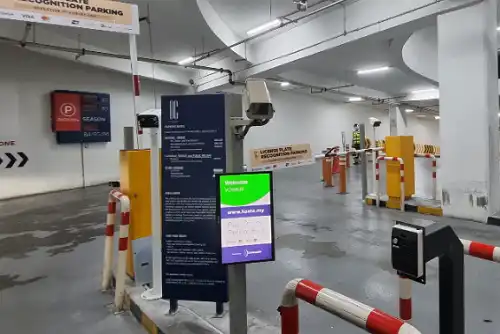
Limitations of Traditional Cash-Based Parking Payment Systems
Legacy parking meters are hard to run, which affects both keeping money coming in and keeping customers happy. Handling cash is complicated because there are many places where it can go wrong. For example, actual collection needs to be done on a regular basis with a guarded car, internal processing needs to include time-consuming counting and reconciliation, and storage leaves the door open to theft. Mechanical coin acceptors and bill validators need to be serviced often because they get stuck, get out of line, and wear out parts over time.
Operational Inefficiencies and Hidden Costs
During busy times, transaction speeds at cash-based machines slow down. Users have to find exact change, put in bills or coins one at a time, and wait for mechanical validation, which takes 15-20 seconds per transaction on average, compared to 3–5 seconds for contactless payments. This slowdown makes customers angry and lowers the facility's throughput capacity. The cost of labor for collecting cash goes beyond just transporting it; workers have to check amounts, look into problems, and keep detailed custody records. Over time, these hidden costs add up to a lot more than the initial equipment cost savings that cash methods might seem to give.
Transparency and Accountability Challenges
Compared to digital records, cash transactions are harder to check. To match up real money with usage data, you have to do things by hand, which can lead to mistakes. Without automatic tracking, it's hard to figure out what caused the income loss, whether it was broken equipment, theft, or mistakes in operations. With cash-based infrastructure, facility managers still can't see real-time revenue, so they have to wait for physical collection cycles to get a sense of how the finances are doing. This delayed understanding makes it harder to use dynamic price strategies and respond quickly to business problems.
Key Benefits of Cashless Parking Payment Station Systems in B2B Procurement
Moving to digital payment infrastructure produces measurable improvements in many areas of operations. With automated processing, there is no need to handle cash by hand at all, which cuts down on work needs and the costs of wages. Facility managers can check on the status of equipment, change pricing parameters, and make financial reports without having to go to the site in person. Maintenance costs go down a lot because electronic payment units don't have as many mechanical parts that can break as coin acceptors and bill validators do. All of these benefits turn parking operations from time-consuming, cash-based tasks into efficient, data-driven profit centers using a cashless parking payment station to make businesses more profitable and improve the customer experience.
Here are the core advantages that modern terminals provide to facility operators:
- Enhanced User Experience Through Payment Flexibility: modern payment kiosks accept a variety of payment methods, such as credit cards, IC cards, QR codes, and mobile bank connections. This adaptability makes it easy for people traveling internationally at airports, tech-savvy workers in office buildings, and shoppers with little cash on them to get what they need. The easy-to-use touchscreens help people complete transactions quickly, cutting down on wait times and increasing general happiness.
- 24/7 Unattended Operation With Reduced Staffing Needs: Digital terminals work nonstop without constant supervision, which makes them perfect for parking lots for homes and businesses that are open outside of normal business hours. The industrial-grade parts can handle extreme temperatures and weather, so they will keep working reliably no matter what the weather is like. Built-in climate control systems with LED lights and fans that adjust to the temperature make tools last longer and work consistently.
- Revenue Protection and Complete Auditability: Getting rid of real money eliminates theft risks and chances for internal theft. Every exchange creates a digital record that can be checked by anyone and shows real-time income. It is easier to do statistical analysis, reconciliation, and regulatory reporting when payments are recorded automatically. With remote monitoring, you can always see the state of payments and find any problems before they affect operations or income collection.
- Alignment With Sustainability and Smart City Initiatives: digital notes sent by SMS or email cut down on paper trash and costs for supplies. Designs that use less energy, like ones that can be powered by solar panels for installations on the street, have less of an effect on the environment. Integration with smart city platforms lets prices change based on how full the parking lot is, which helps demand management strategies that cut down on traffic jams and make the best use of parking resources.
Comparing Cashless and Cash Payment Systems: Decision Criteria for Procurement
To choose between payment infrastructures, you need to do a lot of research that goes beyond the initial purchase price. Some things to think about when making a capital investment are the cost of the equipment, the cost of installation, and any possible financing options, like leasing programs or discounts for buying in bulk for deployments at multiple sites. Digital monitors usually cost more up front than simple mechanical meters, but the total cost of ownership estimate for a cashless parking payment station needs to take into account the costs of running the equipment over its entire life.
Cost-Benefit Analysis for Long-Term Value
The costs of running each method are very different. For infrastructure that relies on cash, there are ongoing costs for armored car services, labor for handling cash, bank deposit fees, and regular upkeep for mechanical parts. Digital systems get rid of all collection services and lower the number of repair visits by using computer parts with longer service intervals. Improvements in transaction speed directly affect the facility's processing capacity. This is a very important factor for airports and shopping areas with a lot of traffic, where fewer lines make customers happier and allow for higher parking turnover rates. To figure out return on investment (ROI), procurement teams should look at the total costs over five years for both methods. They will usually find that digital infrastructure is more valuable, even though it costs more at first.
Integration Compatibility and Infrastructure Requirements
Technical compatibility affects how and when something can be deployed. Modern digital payment terminals can connect to networks both wired and wirelessly, so they can work with existing network infrastructure or use cellular data connections when hardwired options are not an option. Integrating with well-known parking management software systems needs API compatibility and protocol support. Reliable makers like ZOJE offer flexible solutions that support OEM and ODM partnerships. During the supplier evaluation process, facility-specific needs like integrating a license plate recognition system, connecting a mobile app, and synchronizing barrier gates must be checked to make sure a smooth operational deployment.
Supplier Evaluation and Partnership Criteria
Choosing a reliable maker has a big effect on the long-term success of your business. Different providers set themselves apart by providing a wide range of services, such as installation help, staff training programs, and quick expert support. Capital investments are protected by warranties. For example, ZOJE offers two-year comprehensive warranties backed by 24/7 global technical support at info@zoje-tech.com. Delivery times affect project schedules; standard products ship in 5–7 days, while customized solutions take 10–15 days. Suppliers with multiple patent certificates and ISO 9001:2015 badges show a dedication to quality and the technical skills needed for infrastructure to work reliably.
Implementation and Maintenance Considerations
A thorough site assessment that looks at installation times, power needs, data connectivity options, and government permits is the first step to a successful deployment. In shopping malls and office buildings, the electrical infrastructure and network connections are usually easy to get to. However, installations in residential areas or on the street may need wireless setups or solar power alternatives. Coordinating with providers, whether they are from the United States or another country, like ZOJE in Shenzhen, affects project wait times and the availability of installation support.
Routine Maintenance and Troubleshooting Protocols
Digital payment machines don't need to be maintained as often as mechanical cash systems, but setting up regular check times keeps them running at their best. Changing the paper in the receipt printer, cleaning the touchscreen, and updating the software are the major upkeep tasks. When problems happen, they can be fixed quickly so that there is less downtime. Modern systems have diagnostic tools that can be accessed from afar, so expert staff can find problems without having to go to the site right away. Professional-grade units have a feature called "Store and Forward" that protects revenue during network outages by saving encrypted transaction data locally so that it can be uploaded automatically when connectivity is restored.
Staff Training and User Experience Optimization
Comprehensive training programs make sure that new employees know how to use the system, fix simple problems, and help customers properly. Multilingual interface support makes it easier for people of all backgrounds to use computers in airports and city shopping areas, which lowers the number of people who get lost or abandon their transactions. Accessible design principles, such as touchscreens that can be used with gloves and high-brightness displays that can be seen in direct sunlight, make devices easier to use in a wider range of environments and with a wider range of user abilities.
Conclusion
When you look at the differences between automatic digital terminals and standard parking meters that take cash, it's clear that cashless parking payment station cashless infrastructure is better in terms of operations, finances, and strategy. Legacy systems require less money up front, but a total cost of ownership study shows that digital solutions are more valuable because they remove the need to handle cash, require less maintenance, improve security, and make customers happier. When choosing suppliers for shopping malls, airports, apartment complexes, office spaces, and commercial parking lots, purchasing managers should give more weight to companies that offer full technical support, the ability to make changes, and a track record of reliability. Moving to digital payment infrastructure isn't just an update to technology; it's also a smart investment in making operations more efficient and making sure that facility management is ready for the future.
FAQ
1.What payment methods do modern terminals support?
Credit cards, IC cards, QR codes, and mobile wallets like Apple Pay, Google Pay, and Samsung Pay can all be used at modern payment kiosks. This wide range of accepted payments makes sure that it works with the interests of all kinds of customers, from tourists from other countries to people who live in the area. This increases the number of successful transactions and lowers customer service issues related to payments.
2.How secure are digital payment transactions against fraud?
Professional terminals meet PCI-DSS requirements and have End-to-End Encryption built in, which makes sure that card data is never stored on devices without being encrypted. When someone tries to get in without permission, tamper alarms go off, and added CCTV tracking adds another layer of security. These multiple layers of security protect against both digital dangers and physical damage, keeping money and customer financial information safe.
3.What happens during network connectivity interruptions?
"Store and Forward" functionality in more advanced units stores encrypted transaction data in secure memory partitions so that it can be sent again when the power goes out. As soon as connectivity is restored, the system sends the stored data to payment gateways instantly, making sure that no money is lost. Because of this, digital terminals can be used in places where network coverage isn't always stable, and all transactions can still be fully tracked.
Upgrade Your Parking Operations With ZOJE's Advanced Payment Solutions
ZOJE's specialized knowledge will help procurement managers who are looking for reliable suppliers of cashless parking payment stations find complete solutions. Our engineering team in Shenzhen, China, has been providing customized payment infrastructure for both OEM and ODM partnerships since 2012. They are ISO 9001:2015 certified and have multiple technical patents to back this up. Our terminals work with Android, accept multiple forms of payment (credit cards, QR codes, and mobile wallets), have tamper alarms, can optionally connect to CCTV, and can run 24/7 without being watched. Standard goods ship in 5 to 7 days, while personalized options only take 10 to 15 days. Every installation comes with a full two-year guarantee and access to expert help around the world at all times. Contact our team at info@zoje-tech.com to talk about the specific needs of your facility and find out how our tried-and-true solutions can change the way you run your parking lot for better efficiency, safety, and customer satisfaction.
References
1. Smith, J. & Anderson, K. (2022). Modern Parking Infrastructure: Technology Integration and Operational Efficiency. Urban Transportation Press.
2. National Parking Association. (2023). Digital Payment Systems in Commercial Parking: Industry Analysis and Best Practices. NPA Research Division.
3. Chen, L., Martinez, R., & Thompson, P. (2021). "Cost-Benefit Analysis of Cashless Payment Infrastructure in Multi-Site Parking Operations." Journal of Transportation Management, 45(3), 112-128.
4. International Parking Institute. (2023). Security Standards for Unattended Payment Terminals: Compliance and Implementation Guide. IPI Technical Publications.
5. Williams, D. & Roberts, S. (2022). "User Experience Factors in Parking Payment Systems: Comparative Study of Cash and Digital Interfaces." Facilities Management Quarterly, 38(2), 67-82.
6. American Society of Civil Engineers. (2023). Smart City Infrastructure: Integration of Digital Payment Systems in Urban Parking Management. ASCE Infrastructure Series.

Send Inquiry
You may like



Related Industry Knowledge
- Why Entry Ticket Dispenser and Card Reader System Is Essential for Smart Parking
- How Does Radar Vehicle Presence Sensor for Barrier Gate Work
- Top Benefits of Folding Arm Barrier Gate for Low Clearance
- How Anti-Collision Flap Turnstile Gate Works Safely?
- OEM Tempered Glass Full-Height Turnstile Guide
- LPR Server Buyer’s Guide for High-Durability Needs
- Best ANPR Solutions for Public Parking Efficiency & Flow
- Intelligent Plate Recognition Parking vs Manual Parking Systems
- What Is a High-Performance License Plate Recognition Camera?
- Smart Ticketless ANPR Parking System vs Ticket Parking System