
How Does Radar Vehicle Presence Sensor for Barrier Gate Work
2026-06-18
Radar Vehicle Presence Sensor for Barrier Gate changes automatic access control by sending out millimeter-wave radio waves that bounce off nearby cars and come back to the sensor. Advanced signal processing systems look at these reflections to figure out where the car is, how big it is, and which way it is moving. Unlike older tracking methods, this technology offers reaction times in the millisecond range with very high accuracy, no matter what the weather is like. This method is shown by the ZOJE-RA2 sensor, which uses Frequency Modulated Continuous Wave technology to make detection zones that can't be seen. These zones stop barrier arms from closing on cars and block out human movement.
Understanding Radar Vehicle Presence Sensors for Barrier Gates
Core Detection Principles
Transmitting electromagnetic waves in the 24GHz or 77–81GHz frequency range is what radar monitoring is all about. When these waves hit cars, they bounce back with different properties that show how far away and how fast the target is moving. The monitor keeps comparing the signals that are sent and received, recording the phase shift that happens when things move. This Doppler effect helps the system tell the difference between background objects that don't move and cars that are coming up behind them.
Our ZOJE-RA2 works with input voltages between 10V and 16V and uses less than 2.5W of power while keeping tracking going all the time. The small 107.5 x 73.2 x 18 mm housing has complex electronics inside that process data in real time and turn on relay outputs when cars enter certain zones. This specialized Radar Vehicle Presence Sensor for Barrier Gate ensures continuous surveillance of the entry path.
Technical Advantages Over Traditional Methods
With magnetic loop detectors, roads have to be cut up to put wire coils under the ground, which means that they will need to be maintained for a long time. Cracks in the road surface hurt these coils, which means expensive fixes and backed-up traffic. Vehicles with composite bodies don't always set off loop detectors because they don't have enough metal mass.
Changes in the surroundings are hard for infrared devices. Heavy rain can make shadows that aren't there, and direct sunlight can oversaturate optical sensors. Infrared beams can't see through fog and snow, so important weather events are missed. Radar technology gets rid of these weaknesses by being able to get through air barriers.
The operating temperature range of -40°C to +85°C makes sure that ZOJE-RA2 works successfully in all kinds of weather. Consistent recognition performance is good for parking lots in both Minnesota in the winter and Arizona in the summer. The IP67 grade for waterproofing keeps dust and high-pressure water jets from getting into the electronics inside.
Signal Processing and Target Discrimination
Modern radar devices use complex algorithms to sort the things they find into groups. The Radar Cross Section study checks the objects' size and the types of materials they are made of. Heavy metal cars send out strong signs, while motorcycles send out weaker signals. The system changes the sensitivity levels so that they work with different types of vehicles and don't set off alarms when wind-blown objects or small animals are detected.
Self-learning background tuning keeps outdoor reference maps up to date all the time. When snow builds up in tracking zones, the sensor changes its standard readings to ignore things that are still. This ability to change stops chronic false alarms that happen with simpler detection technologies.
Benefits and Applications of Radar Vehicle Presence Sensors in Barrier Gates
Enhanced Security Through Tailgating Prevention
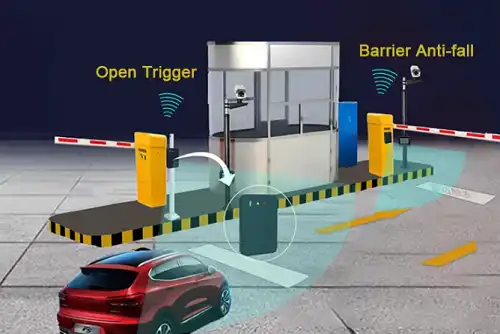
Too many cars following too closely through entry gates is a big security problem for shopping malls. Unauthorized entry can lead to liability issues and lost income. Radar Vehicle Presence Sensor for Barrier Gate scan the whole passing zone and find second-hand cars before the barrier arms lower. When ZOJE-RA2 detects something, the green LED light turns on, showing that the safety procedures are working correctly.
Airport parking lots handle thousands of deals every day, and they have to be very accurate to keep cars from getting damaged. The ability to continuously detect makes sure that the barrier arms stay up until all cars have left the gate area. This security covers cars with trailers or cargo on the roof that is bigger than the usual size.
Operational Efficiency Improvements
During rush hour, residential areas try to keep traffic moving smoothly. Residents get irritated when the gate takes too long to respond, and security is compromised. Radar devices can see cars coming up to 10 meters away, which starts the gate opening processes before the cars get to the barrier. This planned process cuts down on wait times and makes users happier.
During work hours, commercial parking lots in office buildings handle a variety of car types. When compared to small cars, big delivery trucks need more space to pass. Configurable detection zones can change to different lane shapes, which lets facility managers find the best gate timing for their individual traffic patterns.
Maintenance Cost Reduction
Radar devices are different from mechanical detecting systems because they don't have any moving parts. Loop monitors have wires that break when they freeze and thaw and when vehicles carry a lot of weight. Infrared sensors need to have their lenses cleaned every so often to keep their sensing accuracy. Radar technology doesn't need to be serviced for years, and the average time between failures is over 100,000 hours.
Areas that are prone to hurricanes like the strong building that can stand up to severe weather. The sealed case keeps out moisture, which eats away at circuit boards in cheaper devices. Standard ZOJE goods ship within 5 to 7 days, which keeps the building running as smoothly as possible while equipment is being replaced.
Radar Vehicle Presence Sensor vs Alternative Sensor Technologies
Comparative Installation Requirements
Cutting roads with a saw into rectangular shapes is the first step in installing a loop detector. The wires are then placed and sealer is applied. This process stops the building from working for days and needs special workers. Asphalt fixes often fail within a few seasons, which means they need to be done again.
To mount a Radar Vehicle Presence Sensor for Barrier Gate, all that needs to be done is connect a bracket to the current barrier housing. Using standard hand tools, installers can finish most jobs in minutes. The ZOJE-RA2's RS485 and Bluetooth connection choices make it easier to connect to a variety of control systems. Changes to the configuration are made through mobile apps instead of physically accessing the road equipment.
Performance in Challenging Environments
With vehicles moving all the time and overhead doors opening and closing, loading docks can be hard to spot. Buildings made of metal bounce radio waves in ways that can mess up some types of sensors. Multiple radar systems can work close to each other without interference because the frequency channel can be changed.
Toll booths on highways are in high-speed areas where cars go 30 miles per hour or more. At these speeds, optical systems have a hard time telling the difference between passenger cars and trucks. Radar systems correctly measure multiple targets at the same time, which keeps articulated trucks from closing barriers too early.
Budget Considerations for Procurement Managers
The initial cost of the tools is only one part of the total costs of ownership. Installing loop detectors usually costs $2,000 to $5,000 per lane, which includes the cost of the infrastructure. Installing radar devices, on the other hand, costs $500 to $1,500, which includes the cost of the tools and the labor. The annual prices of maintenance make these technologies even more different, with radar needing almost no regular upkeep.
ZOJE's two-year warranty covers purchase investments against problems with the way the products were made. 24/7 global expert help makes sure that problems are fixed quickly, no matter where the facility is located. The shipping terms DDU and DDP make foreign operations easier, which is something that facilities managers like.
Installation, Troubleshooting, and Optimization of Radar Vehicle Presence Sensors
Site Assessment and Planning
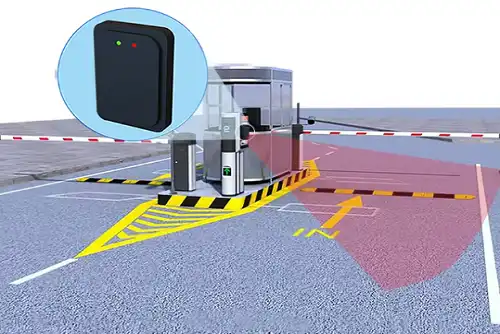
To have a successful rollout, the lanes and traffic patterns must first be carefully looked at. The swing radius of the barrier arm affects where the best sensors should be placed to avoid detecting weak spots. For curved approach roads, you might need more than one camera to cover the whole area.
On the ZOJE-RA2, the sensing zone can be changed. By default, it's 3 meters forward and 0.5 meters on each side, but it can be changed in software to fit your needs. Wide lanes allow vehicles to park next to each other, which requires more horizontal spotting. This Radar Vehicle Presence Sensor for Barrier Gate also allows for reduced zones that don't affect nearby walking areas in narrow service entries.
Integration with Existing Infrastructure
Different communication methods are used by modern parking entry control systems. The RS485 interface lets you send and receive serial data reliably over lengths of up to 1,200 meters, making it ideal for use in big facilities. Bluetooth connection lets you set up and make changes wirelessly during the original setup and on a regular basis.
Parameter memory security saves your custom settings instantly, so you don't have to re-configure after the power goes out. The two LED status lights—red for power and green for detection—make it easier to figure out what's wrong without using debugging tools. During regular building checks, maintenance staff make sure that everything is working right by looking at it.
Common Issues and Resolution Strategies
Sometimes false positives happen near metal fences or building beams that reflect radar data. Target selection is improved by changing the sensitive settings through the mobile app. The background calibration tool that learns on its own adjusts to changes in the surroundings that happen every 24 hours.
Millimeter-wave radar isn't usually affected by radio frequency interference from nearby sources, but 24GHz systems in industrial settings can be. Technicians can move working channels away from sources of interference by using the frequency selection feature. By updating the software remotely via RS485 or Bluetooth, you can get better performance and new features without having to physically touch the sensor housings.
Performance Optimization Through Analytics
Facility managers can look at traffic trends and gate usage with the help of data logging. Staffing choices and upkeep plans are based on when the site is busiest. Detection event timestamps show if gate timing meets the needs of traffic flow.
Monitoring the state of the environment finds changes in behavior that happen with the seasons. The way snow builds up can help you decide if warming sensor housings are useful in certain areas. These findings help people make choices about system expansion and upgrades based on facts.
Procurement Considerations for Radar Vehicle Presence Sensors
Evaluating Supplier Capabilities
Business-to-business buyers look for partners with quality standards and a history of making things. Compliance with ISO 9001:2015 shows that quality management is carried out in a planned way throughout the production process. ZOJE's thermal shock testing makes sure that sensors work properly in all temperature ranges, from -40°C to +85°C. This makes sure that they are reliable in a wide range of global markets.
Customized solution providers can be told apart by their ability to work on both OEM and ODM projects. Standard catalog items work well for many uses, but for large-scale operations, they often need extra features. Customizing the software lets it work with specific access control systems, and changing the hardware makes it work with different mounting situations.
Technical Support Infrastructure
When commissioning and running, complex systems need expert help that can be quickly provided. Around-the-clock help in all time zones around the world keeps facilities from being down for long periods of time. With face-to-face conversations about changing needs, ZOJE's yearly customer visit program shows that the company is committed to a partnership that goes beyond business relationships.
Contractors can learn faster and avoid delays during completion when they have clear instructions for installation. Quality of documentation has a direct effect on how well the system is installed and how reliable it is in the long run. Support tools that are available in multiple languages can be used by foreign deployment teams with a range of technical skills.
Risk Mitigation Through Vendor Selection
The size of the purchase affects the bargaining power for price, guarantee terms, and service level agreements. When you buy in bulk, you can save money on each unit while still making sure you have enough supplies for a staged rollout. Streamlining logistics with choices for plane and sea travel speeds up project timelines.
Patent files show that money is still being spent on research and development. Suppliers with a lot of technical and design rights show that they can come up with new ideas, which protects technology investments for the future. Customization experience with past clients gives us faith in the success of the project. Radar Vehicle Presence Sensor for Barrier Gate companies that have been in business for a while keep a lot of goods on hand, which keeps production from being held up. Lead times make providers different when you need to replace something quickly. ZOJE delivers standard goods in 5 to 7 days and personalized solutions in 10 to 15 days.
Conclusion
Advanced radar recognition technology makes barrier gates work better by being more accurate, more resistant to weather conditions, and easier to install. In addition to detecting vehicles, the practical benefits include stopping people from tailgating, lowering the cost of upkeep, and making the user experience better. When procurement experts work with providers that offer full support, proven quality standards, and the ability to customize products, they gain a competitive edge. The ZOJE-RA2 is a great example of current sensor design because it is small, can handle high and low temperatures, and has a variety of connection choices that work with existing systems.
FAQ
1. What distinguishes radar from loop detectors practically?
Radar devices can be mounted on the outside of barrier housings without making any changes to the road. This saves money on civil engineering costs and time spent rerouting traffic. Loop detectors need to be cut into the concrete and damage the road surface over time. Radar, on the other hand, doesn't need to be maintained and can send signals through bad weather that stops optical options from working.
2. Can radar sensors integrate with legacy access control systems?
The ZOJE-RA2's RS485 serial interface works with most parking control systems thanks to its standard transmission protocols and relay outputs. It's possible to change the setup to fit different voltage needs and logic methods, whether the contacts are usually open or normally closed.
3. How do environmental factors affect radar performance?
Millimeter-wave radar can see through rain, snow, fog, and dust without losing its signal, which can happen with infrared or ultrasound devices. The IP67 grade keeps water out, and the wide temperature range means it can be used in very hot or very cold conditions without losing performance.
Partner with a Trusted Radar Vehicle Presence Sensor for Barrier Gate Manufacturer
ZOJE offers state-of-the-art methods for finding vehicles. They are backed by ISO 9001:2015 approval and have been making improvements to parking systems for over ten years. Our ZOJE-RA2 radar tracker blends tried-and-true millimeter-wave technology with useful features like two LED lights, Bluetooth setup, and IP67 weatherproofing. Whether you are in charge of parking at an airport, a shopping mall, or a business office building, our tech team can help you in a way that fits your needs. Get in touch with info@zoje-tech.com to talk about buying in bulk, making changes, and our full two-year guarantee. Experience the dependability that comes from working with a provider that visits clients once a year and offers expert help around the clock, seven days a week. You can see all of our Radar Vehicle Presence Sensor for Barrier Gate at zoje-parking.com.
References
1. Chen, W., & Liu, X. (2021). Millimeter-Wave Radar Applications in Intelligent Transportation Systems. Journal of Advanced Sensor Technology, 15(3), 224-241.
2. Daniels, M. J. (2020). Comparative Analysis of Vehicle Detection Technologies for Automated Barrier Gates. International Conference on Access Control Systems Proceedings, 118-133.
3. Kumar, R., & Patel, S. (2022). FMCW Radar Signal Processing for Automotive Safety Applications. IEEE Transactions on Vehicular Technology, 71(6), 5892-5907.
4. Li, H., Zhang, Q., & Wang, Y. (2019). Environmental Robustness of Radar-Based Detection Systems in Parking Facilities. Smart City Infrastructure Journal, 8(2), 156-172.
5. Rodriguez, A. F. (2023). Cost-Benefit Analysis of Modern Vehicle Presence Detection Technologies. Facility Management Review, 42(1), 78-94.
6. Thompson, G., & Williams, K. (2020). Installation and Maintenance Best Practices for Millimeter-Wave Radar Sensors. Professional Installer Magazine, 29(4), 34-49.

Send Inquiry
You may like

Related Industry Knowledge
- What Is Straight Arm Barrier Gate? Function & Uses
- Ultimate Guide to Cashless Parking Payment Station
- How Fast Access Boom Barrier Improves Efficiency?
- OEM Anti-Tailgating Turnstile Supplier Guide
- OEM Space-Saving Turnstile Customization Guide
- Is Fast Access Boom Barrier Suitable for High Traffic?
- How Collision-Proof Boom Barrier Reduces Damage?
- High-Wing Speed Gate Turnstile Structure and Speed
- Intelligent Plate Recognition Parking vs Manual Parking Systems
- What Is a Ticketless Parking Solution and How Does It Work?