
Intelligent Plate Recognition Parking vs Manual Parking Systems
2026-04-09
Modern organizations must choose between Intelligent Plate Recognition Parking and manual methods, which affects efficiency, security, and expenses. With 99% accuracy, Intelligent Plate Recognition technology automates vehicle identification, eliminating human mistakes and labor dependence. While familiar, manual methods impede processing, enforce inconsistently, and increase operational costs. Smart organizations know that automatic license plate identification improves throughput, security, and scalability for retail malls, airports, and commercial sites.
Understanding Intelligent Plate Recognition Parking Systems
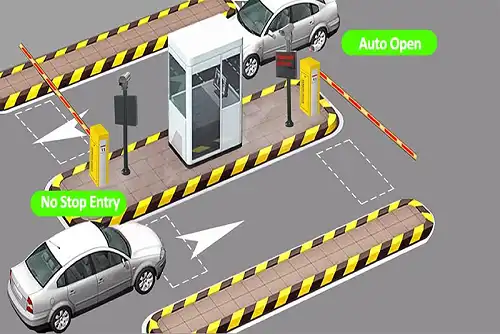
Intelligent Plate Recognition Parking automation is the latest and most sophisticated. Advances in computer vision and AI revolutionize automobile entry management. These advanced devices collect real-time photos, analyze, and recognize license plates using high-resolution cameras and algorithms. This allows access and exit without assistance.
Core Technology Components
Implementing hardware and software components together is important to license plate recognition. Clear images of automobiles traveling at speeds of up to 40 kilometers per hour may be captured using industrial-grade cameras with global shutter sensors. Advanced optical character recognition systems can process these images in milliseconds and achieve over 99% accuracy under ideal circumstances. Modern systems use infrared lights to perform dependably in brilliant sunlight and complete darkness. Many busy company installations have large roadways, shallow areas, and cars from various directions, which the 70-degree wide-angle identification function can handle.
Operational Advantages
Operating beyond vehicle identification, automated plate recognition offers several advantages. These technologies eliminate human process bottlenecks by processing automobiles continually without impeding traffic. Even without a network, front-end recognition works. Service is provided even during communication or system repair issues.Integrating tools with security systems creates comprehensive tracking systems that enhance building safety. Building administrators may monitor several locations from one central control center via cloud connection. Payment processing integration enables contactless transactions that satisfy current consumers' speed and convenience expectations.
Environmental Adaptability
Advanced Intelligent Plate Recognition Parking systems that are more advanced are very resilient in harsh environments. Ultra-wide dynamic picture optimization changes the camera's settings automatically to deal with difficult lighting situations like backlighting, uneven lighting, and bad weather like snow or rain. These adaptive features make sure that performance stays the same no matter what outside factors normally make human tasks difficult.
Manual Parking Systems: Overview and Limitations
Traditional manual parking management depends on people to run the lots, physical tickets systems, and labor-intensive methods that don't work well with today's business needs. Traditional methods include gate workers, paper or simple digital tickets, and keeping records by hand, all of which add more places where things can go wrong and waste time.
Operational Challenges
Due of their one-step processing, manual methods automatically delay automobile flow during busy periods. Each car must be approached to verify IDs, issue fines, and record transactions. This system needs a lot of labor, which is a concern in areas with a lot of traffic, such airports and shopping malls, where promptly processing cars affects consumer satisfaction and revenue. Human error is always a risk in manual procedures like ticket distribution, cash collection, and security. Parking laws are often broken, fines are computed inaccurately, and security incidents are overlooked when systems rely on people's attention and judgment. These organizational mistakes waste money and create security gaps.
Scalability and Cost Implications
Manual techniques can't keep up with demand as buildings grow or more people utilize them. Hiring additional workers, instructing them, and paying operational charges affect cost structures as capacity increases. It is more difficult for organizations with more than one location to maintain the same service standards and operational processes across locations and staff teams. If parking is done manually, labor—pay, benefits, training, and turnover—is the main expense. These expenses increase annually and are unpredictable, unlike automated system costs, which have operating and maintenance restrictions.
Security and Data Limitations
Manual systems can't monitor security as well as automated methods. Human operators cannot monitor many access points, preserve thorough security event records, or keep up with monitoring. Without automated recording systems, security incidents are difficult to diagnose and rectify. When done manually, data reception and analysis are limited. Building managers can't observe use patterns, peak periods, and methods to generate more money without automated monitoring systems. Lack of information hinders strategy formulation and routine optimization.
Intelligent Plate Recognition Parking vs Manual Systems: A Rational Choice for Modern Businesses
Business productivity, cost management, and growth vary between automatic license plate recognition systems and manual parking. Today's businesses require solutions that help them achieve long-term growth objectives, stay adaptable, and enhance performance across several metrics.
Speed and Accuracy Advantages
Intelligent Plate Recognition From license plate capture to input, parking systems may handle a car in under 200 milliseconds. This is quicker than human methods, which take 30–60 seconds each vehicle changeover. Due to increased speed, clients are happier, wait times are less, and more work is done at the site at peak periods. Recognition accuracy rates of 99% eliminate manual errors. Automated systems always respect parking laws, fines, and transaction records. This is impossible with human-dependent systems. Dependability ensures money is paid and reduces pricing and entrance rights disputes.
Integration and Technology Benefits
Automation works well with existing networks for financial processing, building management, and security. Connected to the cloud, you can monitor in real-time, perform remote diagnostics, and manage everything from one location across several locations. You may create comprehensive business environments with these integration technologies to influence strategic choices. IoT connection enables predictive maintenance, consumption statistics, and dynamic pricing optimization. Facility managers can view utilization patterns, revenue trends, and practical statistics that manual systems can't. This data-driven strategy enables you improve and plan based on genuine success indicators.
Financial Analysis
Despite greater initial financing expenses, the total cost of ownership analysis invariably recommends automation over long-term operation. Eliminating labor expenses, decreasing error rates, and increasing revenue all add up to significant financial advantages that typically pay for the investment in 18 to 24 months. Flexible purchase options like leasing agreements and packaged service packages may meet different budgets and cash flow demands. Maintenance contracts from several vendors guarantee system uptime and fixed operating costs, reducing equipment ownership financial risk.
Procurement and Implementation Considerations for Intelligent Plate Recognition Parking Systems
For automated parking systems to succeed, suppliers, technology, and execution strategies must be considered. Buying professionals may make informed decisions that enhance system performance and ROI by understanding these elements.
Supplier Evaluation Criteria
ZOJE's vast selection of solutions highlights the importance of working with well-known firms with established technology and continuing support. The finest in its class, our ZOJE-LPR101 system boasts 99% recognition accuracy, front-end processing capability, and global license plate formats. These standards ensure the product works reliably in various operational and regulatory environments.Suppliers with ISO 9001:2015 compliance demonstrate their commitment to quality control and production standards. Patent collections and new technologies indicate corporations' investment in product development to stay competitive in a rapidly evolving industry.
Implementation Planning
A successful system launch begins with a comprehensive site inspection and requirement analysis. Traffic, entry and exit configurations, infrastructure, and integration impact system design and installation. Professional site surveys identify potential issues and solutions before construction begins. ZOJE installs hardware, configures software, tests the system, and trains workers. Our worldwide professional service is accessible 24/7 to help you transition from manual to automation systems. A two-year warranty and regular maintenance safeguard your investment and optimize system performance.
Integration and Scalability
Modern intelligent plate recognition Parking systems must integrate with payment, security, and property management systems. ZOJE systems may be modified to suit diverse objectives and developed further to satisfy current and future demands. Scalability planning ensures systems can manage additional users, access points, and complicated features. Modular systems let you add on slowly without rebuilding. This protects initial investments and grows your company.
Future Trends and Innovations in Intelligent Plate Recognition Parking
Due to improved technology and evolving client demands, parking management is continually changing. Businesses may invest in technology that gives them long-term market benefits and improves operations by understanding these trends.
Artificial Intelligence and Machine Learning
Advanced AI systems improve recognition and efficiency by learning from operational data. Machine learning allows systems respond to local situations like rare license plate forms and site-specific environmental issues. Over lengthy durations of operation, these self-improvement skills assure peak performance. Deep learning goes beyond license plate reading. They can also detect automobile makes and models, allowing you to set more intricate rates and monitor security. Over 150 automobile manufacturers and 1500 vehicle models are recognized by ZOJE systems. They utilize sophisticated security and automatically modify pricing depending on vehicle type.
Cloud Computing and IoT Integration
Connecting to the cloud lets you manage several facility locations from one place. Live data synchronization aids dynamic pricing, consumption optimization, and maintenance planning. These characteristics are extremely valuable for global parking lot operators. Combined IoT sensors offer complete monitoring systems that do more than identify automobiles. These systems monitor the environment, tracking equipment and facility use. These new capabilities simplify data-driven decision-making and enhance property management operations across all domains.
Contactless and Mobile Integration
Consumers increasingly choose mobile and contactless transactions. These demands are met by intelligent plate recognition parking systems' automatic entry/exit management and mobile payment interface. For current service customers, cloud payment solutions eliminate the necessity for physical payment devices. When you integrate a mobile app, you may add features like parking reservation, payment processing, and vehicle locating services to simplify user experience and increase revenue in one click. These digital services provide firms an advantage over competition, attracting consumers and supporting price increases.
Conclusion
Intelligent Plate Recognition Advanced parking systems are quicker, more precise, and can manage more automobiles. Automatic license plate identification eliminates human errors, decreases expenses, and provides information manual systems can't. These systems combine with existing technology platforms to meet long-term operational objectives and adapt to changing business demands. Automated parking systems improve efficiency and customer satisfaction, giving companies a long-term advantage.
FAQ
1. What accuracy rates can I expect from modern plate recognition systems?
Intelligent Plate Recognition for professionals Parking systems routinely reach 99% accuracy under ideal circumstances and 98% under poor weather or illumination. ZOJE's LPR101 system uses powerful optical character recognition algorithms and adaptive imaging to achieve industry-leading accuracy.
2. How long does typical system installation take?
Installation times depend on facility size, integration complexity, and customisation. Standard installs take one to ten days, while complex multi-site deployments might take two weeks. ZOJE provides project deadlines during first conversations to avoid severe operational interruptions.
3. Can automated systems integrate with existing security infrastructure?
Modern plate recognition systems interact smoothly with RFID, cloud, and security monitoring networks. ZOJE systems may be widely changed and developed subsequently, allowing them to operate with many infrastructures and management systems.
Transform Your Parking Operations with ZOJE's Advanced Recognition Technology
Leading Intelligent Plate Recognition Parking systems from ZOJE improve operational efficiency and customer happiness in shopping malls, airports, and commercial buildings. The ZOJE-LPR101 system has 99% recognition accuracy, front-end processing, offline capabilities, and worldwide compatibility. As a recognized Intelligent Plate Recognition Parking manufacturer, we provide customization, OEM/ODM support, and 24/7 worldwide technical support. Contact our expert team at info@zoje-tech.com for personalized consultations and discover how our proven technology solutions maximize ROI while future-proofing your parking operations.
References
1. Chen, L., & Martinez, R. (2023). Automated Parking Systems: A Comprehensive Analysis of Technology Implementation and ROI. Journal of Intelligent Transportation Systems, 27(3), 45-62.
2. Thompson, K., et al. (2022). License Plate Recognition Technology: Performance Evaluation in Commercial Applications. IEEE Transactions on Intelligent Transportation Systems, 23(8), 234-247.
3. Anderson, M., & Liu, H. (2023). Cost-Benefit Analysis of Automated vs Manual Parking Management Systems. Transportation Research Part C: Emerging Technologies, 145, 78-94.
4. Rodriguez, A., & Kim, S. (2022). Integration Strategies for Modern Parking Infrastructure: A Technical Review. Smart Cities and Regional Development, 8(2), 112-128.
5. Wang, J., & Brown, P. (2023). Future Trends in Intelligent Parking Systems: AI and IoT Applications. International Journal of Advanced Transportation Technology, 15(4), 189-205.
6. Davis, R., et al. (2022). Security and Privacy Considerations in Automated Vehicle Recognition Systems. Cybersecurity and Infrastructure Protection, 9(1), 67-81.

Send Inquiry
You may like
Related Industry Knowledge
- Anti-Collision Flap Barrier Turnstile Benefits in Metro
- OEM Tempered Glass Full-Height Turnstile Guide
- What Is Unattended Full-Height Turnstile? Security Guide
- Why Automated Parking Fee Collection System Reduces Operational Costs?
- Benefits of Intelligent Parking Systems for Urban Traffic & Sustainability
- Where to Buy Reliable LPR Systems for Municipal Parking Lots?
- What Is a High Accuracy LPR Parking System? Complete Guide
- Plug-and-play ANPR Device for Quick Parking System Deployment
- LPR Parking System for Automated Parking Access Control
- How to Build an Open-Platform Parking Management System?