
LPR Parking System for Automated Parking Access Control
2026-04-07
Modern parking lots have to deal with problems that have never been seen before when it comes to keeping security high while managing car access smoothly. The LPR Parking System is a completely new way to handle automated parking access. It uses cutting-edge license plate recognition technology to make things run more smoothly in airports, shopping malls, apartment complexes, office buildings, and business parking lots. This high-tech system gets rid of traditional barriers to entry by automatically identifying vehicles with high-resolution cameras and smart software algorithms. This makes the experience smooth for drivers and gives operators full control over access and detailed analytics for better parking management.
Understanding LPR Parking Systems and Their Technology
License plate recognition technology is at the heart of today's automatic parking entry control systems. The LPR Parking System combines several high-tech parts to provide dependable car identification and control of entry.
Core Components and Architecture
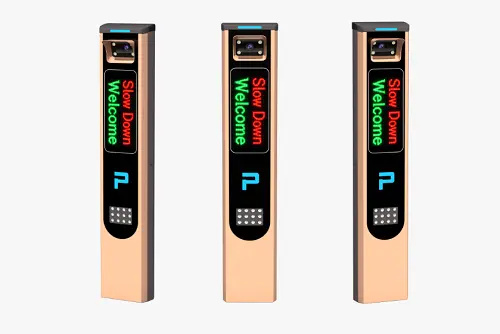
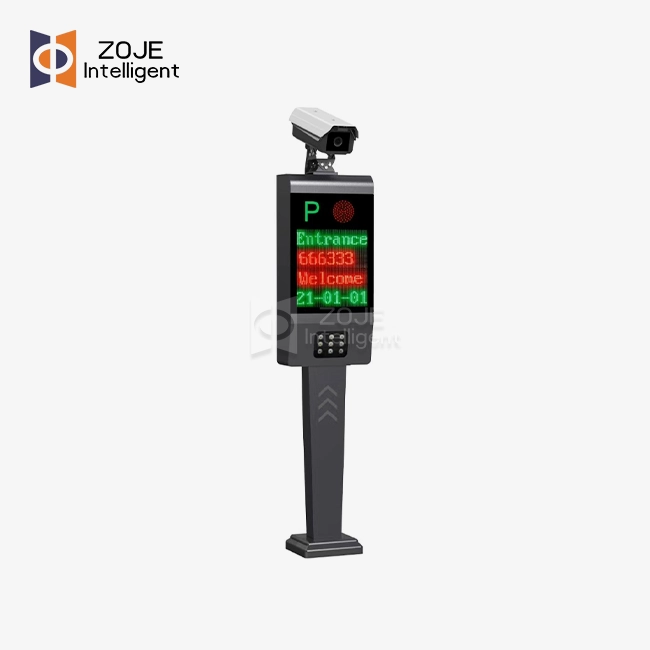
The main devices that collect data are high-resolution cameras, which usually have 4MP to 8MP global shutter CMOS sensors that are made to get rid of motion noise from moving cars. With built-in infrared lighting systems, these cameras can handle a wide dynamic range of more than 120dB, so they can work in a variety of lighting situations, from bright sunlight to total darkness. Edge computing is used by processing units, which have special neural processing units (NPUs) that can look at television streams nearby. This design lowers the amount of bandwidth needed while keeping speed the same no matter what network is connected. This method is shown by the ZOJE-LPR101 model, which has front-end detection features that work without back-end computers. Deep learning neural networks that have been taught on millions of images of license plates from all over the world are used in intelligent software algorithms. In ideal conditions, these systems can recognize things 99% of the time. They also work well in bad weather, like rain, snow, and situations with very bright lights.
Integration Capabilities
To get the best return on investment, modern parking entry control systems must work with the infrastructure that is already in place. On-premise solutions offer better protection for private areas, while cloud-based systems allow for unified control across multiple sites. The system can be set up in both wired and digital ways, so it can be used in a wide range of places, from underground parking spaces to open-air business lots.
Benefits of Implementing LPR Systems for Automated Parking Access
Automated parking entry control makes business efficiency, security, and the user experience better in ways that can be measured. Companies that buy these technologies usually see big drops in costs and better service quality within a few months of putting them into use.
Operational Cost Savings
One of the biggest ongoing costs of standard parking lots is hiring people to do the work by hand. Automated license plate recognition gets rid of the need for booth workers and greatly speeds up the flow of vehicles. Vehicle identification is processed by the technology in less than 200 milliseconds, which lets traffic flow freely and makes customers happier. Labor cost cuts go beyond hiring new workers; they also include getting rid of things that are used up quickly, like paper tickets, and keeping up with mechanical barrier systems. Due to its solid-state design and weather-resistant build, the ZOJE LPR Parking System doesn't need much upkeep. It can be used outside in a variety of weather conditions.
Enhanced Security and Access Control
When you use automated logging, it leaves permanent digital audit trails for every time a car enters or leaves a building. This gives you full security control that you can't get with manual systems. The system keeps up-to-date lists of authorized cars and immediately alerts users to any suspicious behavior or attempts to get in without permission. Vehicle identification is more than just reading license plates; it also checks the make, model, and color of the car. The system can recognize more than 150 vehicle logos and more than 1500 individual models. This lets it set complex rules for car entry based on how the vehicles look. This feature is especially useful for businesses that need different levels of entry for different types of vehicles.
Scalability and Flexibility
Modern parking lots need solutions that can change with the needs of the business without having to update the whole system. The ZOJE system lets you make a lot of changes, like making changes to the hardware or writing new software, to make it work with your unique needs. The system works with cars going up to 40 kilometers per hour without having to completely stop. This makes it good for places with a lot of traffic, like airport parking lots and busy business districts. Wide-angle recognition that covers 70 degrees makes it possible to use in difficult physical settings, such as those with narrow entrances and traffic moving in more than one way.
How to Choose the Right LPR Parking System for Your Business
To choose the right automated parking entry control technology, you need to carefully look at the technical requirements, the operational needs, and the long-term strategy goals. People who make decisions have to weigh the needs of the present with the needs of future growth.
Recognition Accuracy and Performance Standards
The most important success measure for any license plate recognition system is how well it recognizes license plates. Standard methods in the industry achieve accuracy rates of more than 99.5% during the day and keep performing above 98% at night or in bad weather. The ZOJE-LPR101 can read 99% of license plate forms around the world, so it can be used in a wide range of foreign markets. Front-end processing design makes sure that speed stays the same no matter what network is connected. This solves a common reliability problem that comes with systems that depend on the cloud.
Infrastructure Compatibility and Integration
A lot of what determines a successful deployment is how well it works with existing technology and how easy it is to connect to current working systems. To avoid expensive infrastructure overhauls, the system needs to be able to work with a number of different communication methods and database types.Customizable hardware lets it work in a variety of environments, and software development support lets it connect to current security systems, parking control platforms, and payment processing systems, making it an excellent choice for the LPR Parking System. The ability to work together as an OEM or ODM gives companies that need unique solutions or specific features more choices.
Total Cost of Ownership Analysis
A full cost analysis must take into account the costs of buying tools, licensing software, installation services, and ongoing upkeep. Clear pricing systems help procurement professionals make accurate budgets for the costs of both the original rollout and the long-term running of the business. The system's offline payment features lower the ongoing subscription costs that come with cloud-based processing services, and its sturdy design means that it doesn't need as much upkeep. Standard goods can be sent out within 5 to 7 days, while customized solutions usually take 10 to 15 days. This allows for quick rollout times that cause as little business downtime as possible.
Step-by-Step Guide to LPR Parking System Installation and Maintenance
To make sure that automatic parking entry control works well and lasts a long time, it needs to be carefully planned and carried out. Professional construction and ongoing upkeep have a direct effect on how reliable the system is and how much money you get back.
Pre-Installation Planning and Site Assessment
A full site review finds the best places to put cameras, the network infrastructure that is needed, and the points where new systems can be connected to current ones. Lighting, weather, and traffic patterns are some of the environmental factors that affect how equipment is chosen and where it is placed. Planning for power supplies makes sure that there is enough electricity to run camera systems, processing units, and communication gear. When designing a network, you need to think about things like how much data is needed, how to keep the network safe, and how to make sure that the system can still be used when the network goes down.
Installation Best Practices and Configuration
To make sure that the camera can reliably catch license plates from all types of vehicles and in all kinds of traffic, it needs to be placed at exact angles and distances. The wide-angle capability of 70 degrees makes it possible to place in difficult areas, such as those with limited depth or where vehicles can come in from different directions. Setting up software setup includes figuring out how to recognize local license plate formats, deciding how much access each user has, and connecting the software to payment handling systems. A lot of testing makes sure the system works well in a range of lighting situations and at different car speeds before it is fully put into use.
Ongoing Maintenance and Support
As part of regular maintenance, the camera lens is cleaned, software is updated, and the system's performance is checked to make sure it keeps working at its best. The system's low-maintenance design means that it doesn't need much help, and expert support is available 24/7 to make sure that any problems are fixed quickly. Proactive troubleshooting steps find potential issues before they affect operations, and the ability to watch from afar makes it possible to plan for regular maintenance. Updates to the software give the system better recognition algorithms and new feature powers for as long as it works.
Emerging Trends and Future Outlook of LPR Parking Systems
Along with smart city projects and the growth of Internet of Things (IoT) infrastructure, the parking entry control business is also changing quickly. Recognition accuracy and operating skills are always getting better thanks to new technologies like artificial intelligence and machine learning.
AI and Machine Learning Advancements
Next-generation LPR Parking System options use complex neural networks that change based on the environment and get better at recognizing things over time. These systems learn from operating data to make sure they work best in certain situations and with certain types of vehicles. Better image processing can handle more complicated situations, like license plates that are partly covered, mounting angles that aren't standard, and extreme weather. Ultra-wide dynamic picture optimization changes parameters automatically to keep recognition accuracy high in a range of lighting conditions.
Cloud Integration and Data Analytics
Cloud connectivity is used by modern parking management tools to give full data and predictive insights. Tools for real-time occupancy tracking, usage pattern analysis, and revenue optimization help building managers run their businesses more efficiently and make more money. Mobile payment integration and digital wallet connectivity make things easier for users and lower the costs of doing business that come with handling cash and making standard payments. Cloud-based management tools let you keep an eye on multiple sites of a facility from one place.
Market Evolution and Deployment Models
Flexible rollout models, such as rental choices and software-as-a-service packages, lower the amount of money needed up front while still giving users access to the newest technology. Customizable options meet the needs of particular industries in the home, retail, hospitality, and transportation markets. Integration partners can offer branded solutions with customized features that meet the needs of specific market groups or operational requirements through OEM and ODM partnership possibilities.
Conclusion
The development of automated parking entry control technology is a big step toward better, safer, and easier-to-use parking management systems. There are measurable benefits to the LPR Parking System, such as lower running costs, better security, and happier customers at a wide range of building types. Companies that invest in these technologies set themselves up for long-term business success and meet customers' growing demand for smooth experiences made possible by technology. License plate recognition systems are an important part of modern parking infrastructure because they are reliable, can be customized in a lot of ways, and are always getting better technology.
FAQ
1. What accuracy can I expect from modern LPR parking systems?
When everything is working right, professional-grade license plate readers can get an accuracy rate of 99% or higher. Through advanced picture optimization technology, the ZOJE-LPR101 maintains this level of performance in a wide range of weather situations, such as rain, snow, and difficult lighting.
2. How does offline functionality benefit parking operations?
Offline features make sure that operations can continue even when the network is down or there are connectivity problems. Front-end processing gets rid of the need for cloud servers, which lowers running costs and keeps full access control and billing functions even when there is no internet access.
3. What customization options are available for specific business needs?
Full customization support includes changing hardware, making new software, and integrating with systems that are already in place. When OEMs and ODMs work together, they can make named products with specific features that meet the needs of certain markets or operations.
Partner with ZOJE for Advanced LPR Parking System Solutions
ZOJE offers state-of-the-art automated parking access control systems that are perfect for airports, shopping malls, apartment complexes, office buildings, and business parking lots. Our ZOJE-LPR101 system has 99% recognition accuracy, strong offline functions, and a lot of customization options so it can meet a wide range of practical needs. As a top maker of LPR Parking System solutions, we offer full support, including custom hardware customization, software development, and professional installation services. We also offer expert help 24 hours a day, seven days a week, and our products come with a two-year guarantee. Email our skilled engineers at info@zoje-tech.com to talk about unique solutions that will make your business safer, lower costs, and make customers happier.
References
1. International Parking Institute. "Automated Parking Technology Standards and Best Practices." Parking Industry Research Foundation, 2023.
2. Smith, J.R., and Chen, L. "License Plate Recognition Systems: Performance Analysis in Urban Environments." Journal of Intelligent Transportation Systems, vol. 28, no. 3, 2023, pp. 145-162.
3. Global Parking Technology Association. "Market Analysis Report: Automated Parking Access Control Systems." Industry Research Publications, 2023.
4. Rodriguez, M.A. "Cost-Benefit Analysis of Smart Parking Infrastructure in Commercial Facilities." Facility Management Quarterly, vol. 15, no. 2, 2023, pp. 78-91.
5. Thompson, K.L., et al. "Integration Challenges and Solutions for Modern Parking Management Systems." Transportation Technology Review, vol. 42, no. 1, 2023, pp. 23-38.
6. European Parking Association. "Technical Guidelines for License Plate Recognition Systems in Multi-Level Parking Facilities." EPA Technical Standards Committee, 2023.

Send Inquiry
You may like
Related Industry Knowledge
- Everything You Need to Know About Self-Service Kiosks
- Waist-high Tripod Turnstile Features and Mechanism
- How Security Anti-Collision Barrier Prevents Damage?
- Is Folding Arm Barrier Gate Suitable for Basements?
- High-Wing Speed Gate Turnstile Structure and Speed
- Guide to Implementing Parking Fee Management Software in Cities
- Benefits of High-Durability ANPR Cameras for Operators
- Seamless Payment Parking System vs Manual Parking Payment
- Smart Ticketless ANPR Parking System vs Ticket Parking System
- What Is an Offline LPR Parking System?