
Cashless Pay Stations Are Important for Car Park
2026-06-16
There is more and more pressure on modern parking lots to make payments faster and easier while also keeping costs low. A Cashless Parking Payment Station solves these problems by getting rid of the need to handle cash and combining several electronic payment methods into a single, strong station. These high-tech automatic systems can handle deals with credit cards, mobile wallets, and QR codes in just three to five seconds, compared to the fifteen to two hundred seconds that it takes for traditional cash systems. In addition to being fast, they allow for full auditing of all transactions, real-time visibility of revenue, and seamless integration with license plate recognition and barrier gate systems. This makes them essential for shopping malls, airports, apartment complexes, office districts, and commercial parking operators looking to gain a competitive edge.
What Are Cashless Parking Payment Stations and How Do They Work?
A basic change in how parking lots gather money is represented by Cashless Parking Payment Stations. In contrast to older meters that use coins and bills, these smart machines act as the financial link between owners and users, processing all transactions through safe electronic channels. Depending on how the building is set up and how traffic needs to move, they can be used as either Pay-on-Foot machines in the lobby or Pay-in-Lane stations at the exit gates.
Core Components and Technologies
System performance depends on various hardware design factors. An industrial-grade micro PC running Android 4.0 or above drives transaction logic and communication protocols. The responsive, bright seventeen-inch tablet assists customers through speedy payments. EMV card readers handle chip and contactless transactions, whereas Apple, Google, and Samsung Pay employ NFC devices. QR readers allow digital wallets and coupon validation. Thermal receipt printers create paper receipts, however most contemporary machines prefer SMS or email to avoid maintenance and environmental harm.Cold-rolled steel powder-coated. IP65 dust and water resistance, IK10 damage resistance. Tamper alarms safeguard money and components against strangers accessing the box. Optional CCTV provides visual tracking. In difficult weather, climate control systems with four internal blowers and temperature sensors optimise operation. This prolongs part life and assures good performance in sunny airport parking lots or shaded shopping center garages.
Transaction Workflow and User Experience
When a driver pulls up to a Cashless Parking Payment Station, they either scan their parking ticket or use the touchscreen to enter their license plate number. The system talks to the parking management software to figure out fees based on the time of entry, the rate structure, and any validations that apply. The user chooses how they want to pay: by tapping a contactless card, reading a QR code from their mobile wallet, or entering a chip card. Within seconds, the transaction goes through PCI-DSS-compliant secured pathways. This makes sure that cardholder data never stays on the device without being encrypted. After a payment is made, the system sends a digital or paper proof and permission to leave to the barrier gates, so the person can leave right away without having to wait for more verification.
Integration Capabilities and Backend Systems
Modern Cashless Parking Payment Stations link to existing infrastructure using RESTful APIs and MQTT protocols, allowing for real-time data syncing with central management software. When paired with license plate recognition cameras, this combination lets entry and exit points do routine checks. The system lets prices change automatically based on the number of guests or special events. Rate changes can be made directly, without the need for a worker to visit. The "store-and-forward" feature saves encrypted transaction data in a buffer during network failures. When connection is restored, the data is automatically uploaded in batches, so there is no loss of income during temporary problems.
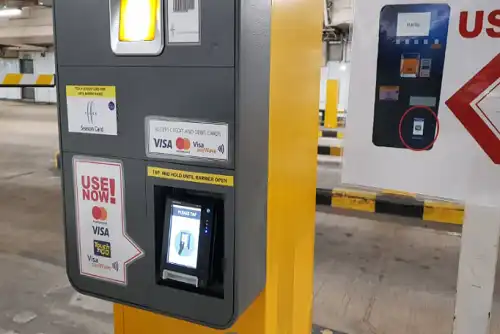
Why Cashless Pay Stations Are Crucial for Modern Car Park Management
Traditional parking systems that use cash have a lot of secret costs that make them less profitable and harder to run. Professionals in the field call the problems that come up with armored car collection services, manual counting methods, coin jam upkeep, and theft risks the "Cash Handling Triad." This is a group of security holes, high running costs, and machine breakdowns that make it hard for facilities to do their jobs.
Operational Efficiency and Labor Savings
Cashless Parking Payment Stations are open 24 hours a day, seven days a week without control, which drastically reduces the need for staff. Facilities no longer need workers to take payments, balance cash, or give out change. This approach for unsupervised operation cuts labor costs by a large amount and frees up staff to do customer service and security tasks that make the overall experience of visitors better. The server management system keeps track of payments, makes statistical analysis easier, makes reconciliation reports, and lets you check on the state of payments from afar. Managers can find possible problems before they affect operations by scheduling repair work for times when it's not busy so they don't have to deal with emergencies when they happen.
Revenue Protection and Financial Transparency
Digital transaction handling makes it possible to check every detail, which is something that cash systems can't do. Each purchase leaves an electronic trail that includes the date, time, amount, method of payment, and parking session that goes with it. This openness gets rid of the risk of internal theft and lets you see real-time income through cloud-based tools. Operators can keep an eye on collection rates across multiple sites, find places that aren't doing well, and look at how people prefer to pay to make the best use of hardware setups. When cash isn't handled, it doesn't need to be stored safely, deposited every day, or investigated for cash variances, all of which require management time and attention.
Enhanced Data Analytics for Strategic Decisions
Cashless payment methods create a lot of info that isn't just about money transactions. When people are most likely to use the parking lot, how long people usually stay there, how often different payment methods are used, and how often people redeem their validations. This data helps with making smart choices about pricing, capacity growth, marketing partnerships, and staffing plans. Shopping malls can look at which store validation programs bring in the most parking, and airports can find the best rate levels by using real stay length ranges instead of guesses. This information helps municipal parking officials change curb-side rates on the fly during special events, so they can make the most money during times of high demand while keeping entry open during normal operations.
Comparing Cashless Parking Payment Stations: Features and Market Leaders
To choose the right Cashless Parking Payment Station, you need to carefully look at the technical requirements, the vendor's skills, and the overall cost of ownership. To make sure their investment lasts, procurement pros have to balance short-term budget limits with long-term operational needs.
Critical Features to Evaluate
A reliable Cashless Parking Payment Station should support EMV chip cards, NFC payments, QR code transactions, and integration with parking apps to meet diverse user preferences. Durable hardware is equally important, requiring weather-resistant enclosures, high-brightness touchscreens, anti-glare glass, and industrial-grade processors capable of operating in extreme temperatures. Strong software capabilities, including license plate recognition integration, barrier gate control, dynamic pricing, validation processing, reporting tools, and remote diagnostics, help reduce downtime and improve operational efficiency.
Vendor Landscape and Solution Comparison
The global parking payment market includes established European suppliers and emerging Asian manufacturers. Established brands emphasize extensive deployment experience, proven reliability, and broad support networks, while newer providers often compete through cost efficiency, flexible customization, and modern manufacturing capabilities. Compared with hybrid systems that accept both cash and digital payments, fully cashless solutions reduce maintenance complexity, shorten transaction times, lower failure rates, and provide stronger long-term returns despite requiring some user adaptation during implementation.
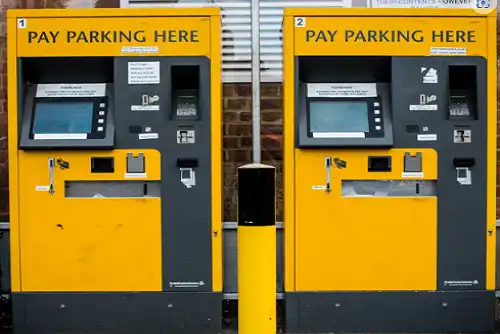
Procuring Cashless Parking Payment Stations: A B2B Buyer's Guide
Technical needs, price limits, vendor skills, and long-term help all need to be balanced in order for procurement to work well. A structured review method helps businesses choose options that fit with their growth goals and operational responsibilities.
Assessing Site-Specific Requirements
Expected transaction volume strongly influences hardware selection and system requirements. High-traffic locations require industrial-grade components, network redundancy, and fast transaction processing to avoid congestion. Existing infrastructure also affects system selection. Organizations using license plate recognition, validation programs, or solar-powered installations must ensure compatibility with these technologies. Scalability remains critical, allowing future growth through software upgrades and modular hardware expansion rather than complete system replacement.
Procurement Models and Pricing Structures
Organizations typically choose between direct purchase, leasing, or subscription-based service models. Direct purchase offers lower long-term costs for stable operations, while leasing reduces upfront investment and may include maintenance benefits. Subscription models combine hardware, software, support, and payment processing into predictable recurring costs. Pricing varies according to features, durability, and integration capabilities. Buyers should request detailed quotations covering equipment, software, warranties, support, and customization options to accurately compare total ownership costs.
Installation and After-Sales Support
Successful deployment extends beyond equipment delivery. Site preparation includes electrical connections, networking, mounting infrastructure, and barrier gate integration. Technical commissioning covers payment processing setup, software integration, transaction testing, and staff training. Strong after-sales support is essential, including service response commitments, software updates, replacement part availability, and technical assistance. Comprehensive warranties and ongoing customer engagement demonstrate a vendor's commitment to long-term partnerships and continuous operational success.
Conclusion
Cashless Parking Payment Stations have gone from being a luxury to a necessity for running a competitive facility. They get rid of the costs of handling cash, speed up transaction processing, make income more clear, and give strategic choices data-driven insights. People are happier in shopping malls because they can quickly pay and identity check. During busy travel times, airports don't have any problems. Residential and office buildings lower their costs of doing business and give people easy ways to pay. Commercial parking lots make the most money by changing prices and enforcing rules efficiently. As the number of people using electronic payments grows and users' standards for ease of use rise, businesses that still use cash-based systems risk falling behind the competition. When businesses are thinking about investing in parking infrastructure, they should look for solutions that offer flexible payment options, strong building, full integration capabilities, and a commitment to long-term operational success and user happiness.
FAQ
1. What security measures protect cashless parking payment stations from fraud and data breaches?
Modern payment kiosks have multiple layers of protection that meet PCI-DSS requirements. End-to-end encryption makes sure that user data is encrypted from the card reader to the payment handler and never stays on the device without being encrypted. Tamper alarms go off when someone tries to get into a system without permission. This can alert security staff and possibly stop the system's functions. New security holes are fixed by regular patches, and malware can't be installed by safe boot methods. Optional CCTV integration keeps an eye on areas where transactions happen, discouraging scam attempts and giving proof in case of a disagreement. These measures keep Cashless Parking Payment Stations safe from scams and data breaches.
2. Can these stations integrate with our existing parking management software?
Different manufacturers offer different ways to connect their products, but most professional-grade systems work with common protocols like RESTful APIs, MQTT messages, and database synchronization. When you're bidding, be sure to include the name of your present parking management system and ask for technical paperwork that proves it will work with the new system. A lot of companies offer customization services to make parts for proprietary systems that work with other systems. Usually, the integration syncs data about entries and exits, checks the state of payments at barrier gates, sends transaction records for reporting, and lets price structures be set up remotely.
3. What happens when network connectivity fails during peak usage periods?
Quality Cashless Parking Payment Stations have offline features that keep them working when the network goes down. The store-and-forward design saves encrypted transaction data in safe local memory and uploads groups automatically when connectivity is restored. During outages, the system keeps handling payments by using rate information and car records that are saved locally. This backup makes sure that no money is lost and that users can still access the system even when the network goes down for a long time.
Transform Your Parking Operations with ZOJE's Advanced Payment Solutions
Upgrading to a more modern payment system will make your facility run better right away and set it up for future growth. ZOJE has been making specialized parking systems since 2012 and has a wide range of Cashless Parking Payment Station options for airports, shopping malls, apartment complexes, office buildings, and business parking companies all over the United States. Our systems have tools that are built on Android, flexible choices for recycling cash, receipt printers, and the ability to accept credit cards, QR codes, and mobile wallets as forms of payment. Your investment is safe with tamper alarms and, if you choose, CCTV tracking. Complete OEM and ODM customization makes sure that the answer fits your brand and technical needs perfectly. Standard goods ship in five to seven days, but customized setups only take ten to fifteen days, which cuts down on the time it takes to set up. Every unit comes with a full two-year guarantee and 24/7 global technical help, so your business will never have to deal with long periods of downtime. Our dedication to quality and new ideas is shown by our ISO 9001:2015 certification and numerous invention certificates. As a provider of Cashless Parking Payment Stations with a lot of experience, we visit our customers around the world once a year. We like talking to you in person to better understand your changing needs and improve our relationship. To set up a free meeting and get a unique price quote, email our team at info@zoje-tech.com.
References
1. International Parking & Mobility Institute. (2022). Emerging Payment Technologies in Parking Management: Industry Best Practices.
2. Smith, J. & Anderson, K. (2023). The Economics of Cashless Parking Systems: Cost-Benefit Analysis for Commercial Facilities. Urban Infrastructure Quarterly, 18(3), 45-62.
3. National Parking Association. (2021). Payment Technology Standards and Procurement Guidelines for Parking Operators.
4. Chen, L. et al. (2023). Digital Payment Adoption in Transportation Infrastructure: A Comparative Study. Journal of Smart Cities, 7(2), 112-128.
5. European Parking Association. (2022). Technical Specifications for Automated Parking Payment Systems: A Procurement Framework.
6. Roberts, M. (2023). Revenue Control Systems in Modern Parking Facilities: Technology Integration and Performance Metrics. Facilities Management Review, 29(4), 78-94.

Send Inquiry
You may like

Related Industry Knowledge
- Parking Management Barrier Gate Features & Integration
- What Is Folding Arm Barrier Gate? Structure & Uses
- Bridge-Style Tripod Turnstile Benefits in Office Security
- How Unattended Access Control Turnstile Works?
- Waist-high Tripod Turnstile Benefits for Public Areas
- Is Fast Access Boom Barrier Suitable for High Traffic?
- Best Collision-Proof FlapTurnstile for High Traffic
- Why Automated Parking Fee Collection System Reduces Operational Costs?
- What Is Ticketless Vehicle Access Control in Smart Parking?
- What Is a Parking Management Camera and How Does It Work?