
How to Choose Parking Automatic Payment Station Integrated with LPR System
2026-08-27
Choosing the right parking automatic payment station integrated with LPR system requires understanding how License Plate Recognition technology transforms traditional parking operations into streamlined, automated workflows. These advanced terminals eliminate physical tickets by capturing license plate data at entry, creating digital records that automatically calculate fees and process payments at exit. The selection process hinges on evaluating recognition accuracy, payment versatility, environmental durability, and seamless integration with your existing infrastructure. Modern solutions like the ZOJE-LPR101 achieve 99% recognition rates while supporting offline operations and customizable configurations tailored to shopping malls, airports, residential complexes, office parks, and commercial parking facilities across diverse operating conditions.
Understanding Parking Automatic Payment Stations with LPR Technology
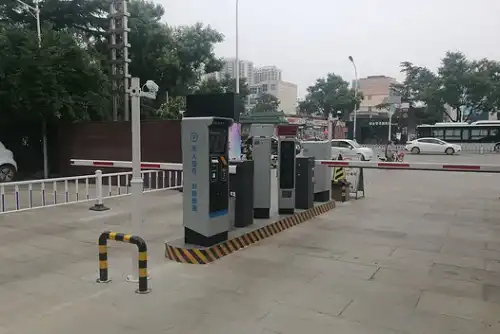
License Plate Recognition technology has completely changed how we control who can get into parking lots and collect payments. At its heart, a parking automatic payment station integrated with LPR system uses high-resolution cameras with optical character recognition algorithms to quickly read license plate information as cars drive into the building. Paper tickets or proximity cards are no longer needed because of this digital identification. It creates a virtual record that follows the vehicle throughout its parking session.
The design of the system usually includes cameras at entry and exit points, an industrial-grade computer processing unit inside a weatherproof booth, and centralized management software that figures out fees based on length of stay and rate structures. When a car gets close to the exit, the system compares the license plate to the record of the entry, figures out how much is owed, and shows payment options on a built-in touchscreen.
How LPR Technology Enhances Operational Efficiency
The automation that these systems provide leads to measurable gains in a number of performance measures. Automobiles can move through traffic much more quickly since they don't have to stop to get paper tickets. The time it takes to process an entry drop from 15-20 seconds per vehicle on average to just 2-3 seconds. This makes the lines much shorter during rush hours.
Another important benefit is that it protects revenue. Traditional ticket-based systems are vulnerable to fraud, such as ticket switching between early and late flights, which costs facilities a lot of money. With LPR technology, each transaction is linked directly to the vehicle's unique ID, so these schemes can't work. Facilities that use these systems report 8–15% higher profits just from stopping leaks that weren't found when operations were done by hand.
Data analytics tools give management teams a new level of understanding into how things are used. The system keeps track of when people enter and leave, how they pay, how long stays vary, and trends in occupancy. This information lets you make choices about pricing, staffing, and capacity planning that are based on facts, which wasn't possible with older technologies.
Technical Components That Drive Performance
Several specialized parts work together in modern parking automatic payment stations parking automatic payment station integrated with LPR system that are integrated with LPR systems. The recognition cameras have sensors with 2 to 5 megapixels and a wide dynamic range. This lets them take clear pictures in a variety of lighting situations, such as direct sunlight, darkness at night, and headlight glare.
Processing happens at the edge, which means that the character recognition is done on the camera or a nearby industrial PC instead of sending the images to a server in another location. This front-end architecture makes sure that recognition happens within milliseconds, no matter what the network conditions are, and it lets the system keep running even when the internet goes down. This method is shown by the ZOJE-LPR101, which can do offline billing and keep operations locally during connection drops so they are ready to go when the connection is restored.
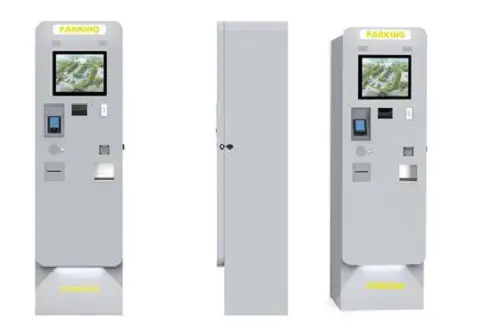
The payment terminal part combines several ways to make a transaction into a single unit. Bill validators and coin mechanisms accept cash payments. EMV-certified card readers handle credit and debit card transactions with end-to-end encryption that meets PCI-DSS security standards. And NFC modules let you use Apple Pay, Google Pay, and local platforms like WeChat Pay to pay with your phone.
Environmental safety features allow outdoor use all year. Rain, snow, and road salt can't damage enclosures made of 2 mm cold-rolled steel that have been powder coated. Temperature ranges for climate control systems, which include heaters and ventilation fans, are usually between -20°C and +60°C. Ingress protection grades of IP64 or IP65 stop dust from getting in and water harm from direct spray.
Comparing LPR-Integrated Payment Stations with Other Payment Methods
Figuring out how LPR-integrated solutions stack up against other technologies can help you see what their strategic value is in various operational settings. Each method has its own pros and cons that affect the user experience, operational costs, and the safety of income.
Manual Payment Collection: Traditional But Inefficient
For manual toll booths to work, there needs to be staff at both entry and exit places. Attendants hand out tickets, take payments, and give out change. They also deal with problems like lost tickets or payment issues. This method gives you the most options for how to handle unusual scenarios and gives you instant human customer service.
When there are a lot of people, the problems become clear very quickly. Labor costs keep going up because facilities need more than one shift to cover 24 hours a day, seven days a week. People make mistakes that cost money by giving out the wrong change, not adding up fees correctly, or not recording transactions. During busy times, lines get longer because each car takes an average of 30 to 45 seconds to be processed. Theft by employees is always a problem that needs to be found and stopped with tracking systems and regular checks.
Barcode and Ticket Systems: Partial Automation
Paper tickets with barcodes printed on them are a step toward automation. At the entrance, tickets are given to vehicles, which then insert them into payment machines at the exit. The barcode is connected to a computer record that shows the time of entry and the fees that were generated.
When compared to fully manual operations, these systems require less staff and allow for basic transaction tracking. But they bring about new operational problems. Along with thermal printer upkeep, ticket stock is a constant consumable cost. When facilities lose tickets, they have to either charge the highest prices (which annoys real users) or accept direct claims about entry times, which lets fraud happen. It is still possible to swap tickets between vehicles, so people who leave early can use tickets from people who arrive late and only pay a small fee.
RFID Access Cards: Reliable but Limited Scope
RFID cards or tags let you get in without touching anything, which makes them perfect for membership-based facilities. People who have a monthly contract get cards or transponders that are placed on their vehicles and instantly identify them at entry and exit gates, so they don't have to stop.
This technology works really well for closed-user populations, like employee parking or housing complexes where all authorized users can be given credentials ahead of time. When done right, recognition is almost 100% reliable, and deals are completed in less than two seconds.
The problems show up when you try to help temporary users. Giving temporary credentials to guests adds to the work of managing the system, and losing credentials means getting new cards and updating the database. Facilities that serve a variety of people need separate systems to handle people with credentials and random guests. This makes the infrastructure more complicated and expensive.
Mobile App Payments: Complementary Rather Than Competing
Smartphone apps that let people put their license plate number and pay for parking ahead of time have become popular, especially in cities. These sites are definitely helpful for tech-savvy people who like to do business online.
These mobile options don't compete with LPR payment machines; instead, they work with them without any problems. The parking automatic payment station integrated with LPR system can read license plates that have already been paid for through apps, allowing for automatic exit without the need for the driver to deal with the payment station. Users who haven't pre-paid or who go over the time they bought can still complete transactions at the payment terminal, so all users are covered, no matter what they want.
The combination gives you the most options, letting you make money from all kinds of users while making things easier for customers who are already digitally engaged. Operators can use the ZOJE system's analytics to see how many people are using each payment method and then make changes to their infrastructure to match.
Key Criteria for Choosing the Right LPR-Integrated Parking Payment Station
When choosing a parking automatic payment station integrated with LPR system that will work reliably for years of continuous use, you need to look at a lot of technical and operational factors. The following criteria make up a complete framework for evaluating decisions about procurement.
Recognition Accuracy Under Real-World Conditions
Recognition accuracy should be evaluated under real-world conditions, not only controlled tests. Reliable systems maintain performance with dirty plates, poor lighting, rain, and different vehicle speeds. The ZOJE-LPR101 uses deep learning and wide dynamic range imaging for stable recognition, supports multiple license formats, and processes vehicles quickly with recognition times under 200 milliseconds, making it suitable for busy facilities.
Integration Capabilities with Existing Infrastructure
Parking systems often require upgrades that integrate with existing infrastructure. Compatibility with standards like ONVIF, TCP/IP, RS485, and APIs enables connection with third-party systems. Cloud and edge computing improve scalability and reliability, while modular hardware allows future upgrades such as new payment methods or access controls without replacing the entire system, reducing costs and improving flexibility.
Payment Method Versatility
Flexible payment systems support diverse user needs through cash, cards, and mobile options. Cash handling, EMV chip security, NFC payments, QR codes, and PCI-DSS compliance ensure convenient and secure transactions. Supporting multiple payment methods improves accessibility across regions and user groups. The ZOJE-LPR101 integrates these options through a clear, sunlight-readable interface.
Environmental Durability and Climate Resilience
Outdoor equipment requires strong resistance to temperature, moisture, dust, vandalism, and UV exposure. Reliable systems should operate across extreme climates with effective thermal management and protection ratings. Features such as sealed enclosures, reinforced structures, tamper detection, and durable coatings help prevent damage, maintain appearance, and ensure long-term performance in challenging environments.
Vendor Reliability and Support Infrastructure
Reliable vendors require strong technical capabilities, certifications, innovation, and support systems. ISO 9001:2015, CE, and FCC certifications demonstrate quality and compliance, while patents indicate technological advancement. Comprehensive support, including 24/7 assistance, warranties, on-site service, training, and maintenance, ensures stable operation and long-term value throughout the product lifecycle.
Practical Steps to Evaluate and Procure LPR Parking Payment Stations
A structured process that matches technical skills with operational needs and keeps costs and deadlines in check is needed for procurement to go well.
Assessing Your Operational Requirements
Defining facility needs requires evaluating traffic patterns, layout, user preferences, environmental conditions, and existing systems. Peak usage determines capacity requirements, while site measurements guide equipment placement. Payment methods should match user types, and equipment must withstand local conditions. Reviewing current networks and access systems ensures smooth integration with new solutions.
Developing Comprehensive RFQs
Effective RFQs should provide clear technical, service, and commercial requirements while allowing suppliers to offer expert solutions. Specifications should cover recognition performance, payment systems, environmental durability, integration needs, support expectations, training, pricing, and delivery schedules. Requesting customer references from similar facilities helps verify supplier capabilities and ensures accurate evaluation of total ownership costs.
Conducting Pilot Testing and Demonstrations
Specifications and seller presentations are useful for getting information, but seeing how well something works in real-world situations similar to your building is the only way to be sure.
On-site demonstrations at the vendor's offices or at the locations of current customers let you check the accuracy of the recognition, the flow of payments, the clarity of the user interface, and the responsiveness of the system in different situations. Ask for demonstrations that include situations that are relevant to your building, like dirty plates, operation at night, or a rain simulation if the system is going to be used outside.
Pilot runs in a small part of your building give you the most trust before committing to the whole thing. Direct performance comparison using real traffic and users is made possible by installing a parking automatic payment station integrated with LPR system in one lane and keeping the old systems in place in the others. Pilot times of 30 to 60 days gather enough information about different conditions and usage trends to help people make smart choices.
During the evaluation process, key performance indicators should include the number of correct recognitions, the average transaction time, the percentage of system uptime, the distribution of payment methods used, and user feedback from surveys or comment cards. Write down any problems you have and check how quickly the seller responds to them. This will give you an idea of the level of help you'll get after the purchase.
Negotiating Contracts and Service Agreements
Effective contracts should address pricing models, installation, acceptance criteria, warranties, service response, and future expansion options. Buyers should evaluate total ownership costs across different payment structures and ensure responsibilities are clearly defined. Comprehensive agreements covering support, customization, scalability, and upgrade options help reduce risks, protect investments, and build successful long-term partnerships.
Case Studies and Industry Insights
Parking automatic payment stations integrated with LPR systems have real-world benefits that can be seen and felt in a wide range of settings.
Shopping Mall Success: Throughput and Revenue Gains
A California shopping center improved parking efficiency by installing LPR payment stations across six exits. Exit times dropped from 42 seconds to 7 seconds, reducing weekend waits and increasing customer satisfaction by 34%. The system also prevented ticket misuse, generating $18,000 additional monthly revenue, while automated validation simplified store promotions and improved the overall parking experience.
Airport Implementation: Complex Pricing and Security
An international airport upgraded its parking system with customized LPR stations to support complex pricing, security integration, and multi-jurisdiction license plates. The solution provided offline operation, automatic data synchronization, and 99.3% recognition accuracy. It reduced average exit times from 3.2 minutes to 28 seconds, improving efficiency and traveler experience while maintaining reliable parking operations.
Industry Trends Driving Adoption
Automated parking payment systems are gaining popularity as labor costs rise, contactless payment demand increases, and sustainability goals encourage ticketless solutions. Market growth is supported by advancements in LPR technology and changing accessibility requirements. Modern automated stations provide convenient, inclusive features such as adjustable touchscreens, voice guidance, and visual assistance for diverse users.
Emerging Innovations Shaping the Future
Future parking systems will benefit from AI recognition, cloud management, predictive maintenance, and advanced analytics. These technologies improve accuracy, simplify multi-site operations, optimize pricing, and provide valuable usage insights. Smart city integration helps reduce congestion, while combining license plate recognition with EV charging enables seamless parking and payment experiences through unified transactions.
Conclusion
Choosing a parking automatic payment station integrated with LPR system is a smart move that will pay off in business efficiency, income protection, and happy customers for years to come. The best answer strikes a mix between accurate recognition, a variety of payment options, durability in harsh environments, and the ability to work with sellers who offer strong support. The evaluation process should go in a planned way, with an operational requirements assessment, a thorough RFQ, hands-on testing, and a careful negotiation of a contract. Automation, contactless transactions, and data-driven management are becoming more popular in many industries, including shopping malls, airports, apartment complexes, office buildings, and commercial parking lots. These technologies are becoming more important for strategic reasons in all of these places. When you work with experienced makers that offer customization options and global support, you can be sure that the solution you choose will be able to adapt to evolving needs while delivering reliable performance throughout its operational lifespan.
FAQ
Q1: What is the typical delivery time for the ZOJE-LPR101 system?
Standard models are sent in 5-7 days, bespoke configurations generally in 10-15 days. We retain strategic stocks of materials for emergency project requirements.
Q2: Does the system work when the internet is down?
Yes. The ZOJE-LPR101 adopts front-end edge processing, with dual-core CNN-accelerated processor, which can realise offline recognition and billing regardless of the network environment.
Q3: What payment methods does the system support?
The terminal takes cash (bill validators and coin mechanisms), EMV-certified credit/debit cards, NFC mobile payments (Apple Pay, Google Pay, WeChat Pay) and QR codes, providing maximum flexibility to accommodate varied customer preferences.
Maximize Revenue with ZOJE-LPR101 Smart Parking
Ready to cut exit times by 85% and eliminate ticket fraud? The ZOJE-LPR101 parking automatic payment station integrated with LPR system delivers 99% recognition accuracy with front-end edge processing—unaffected by network delays or outages. This all-in-one solution supports cash, cards, QR codes, and mobile payments, operates reliably from -35°C to +70°C with IP54 protection, and recognizes over 150 vehicle logos and 1,500+ models for automated vehicle-type billing.
ZOJE, ISO 9001:2015 certified since 2012, offers 5-7 day standard delivery, full hardware/software customization, OEM/ODM support, and a two-year warranty with 24/7 global technical service. Our team conducts annual on-site client visits worldwide—because we believe in face-to-face partnerships. Successfully deployed at Saudi Arabia's largest shopping mall and Djibouti's Ambouli International Airport, each lane processes 5,000+ vehicles daily.
Contact our technical team: info@zoje-tech.com.
References
-
ZOJE Intelligent Technology. (2026). LPR All-in-one Machine - LPR 101 Product Page.
-
ZOJE Intelligent Technology. (2026). One-Stop Solution for Digital and Intelligent Parking Management.
-
ZOJE Intelligent Technology. (2026). Integrating Ticketing & LPR: ZOJE Delivers Parking Solution for Djibouti Airport.
-
ZOJE Intelligent Technology. (2025). Business Trip to the Middle East.
-
ZOJE Intelligent Technology. (2025). How Can ANPR Parking Systems Succeed in Diverse Global Markets?
-
ZOJE Intelligent Technology. (2025). Smart Parking Makes Cities Better.

Send Inquiry
You may like


Related Industry Knowledge
- What Are 24/7 Unattended LPR Parking Operations?
- Smart Parking Guidance & LED Display Systems Explained
- The Ultimate Buyer's Guide to Outdoor Parking Guidance LED Signage
- How barrier radar sensors prevent injury accidents?
- Traffic Control Barrier Gate Features and Design
- High-Wing Speed Gate Turnstile Structure and Speed
- Uses of Efficient Parking Solutions for Urban Mobility
- Benefits of a City Parking Lot Management System in 2026
- Why License Plate Recognition Camera Improves Parking Security?
- What Is a Regional ANPR System and How Does It Work?