
Uses of Efficient Parking Solutions for Urban Mobility
2026-04-17
Managing the facilities for getting cars in and out of towns today is harder than ever. Efficient Parking Management Solutions use license plate recognition technology, Internet of Things (IoT) monitors, and cloud-based tools to make parking easier in places like airports, shopping malls, residential areas, office districts, and business lots. Because these smart systems make it easier for everyone to get around cities, they cut down on traffic jams, stop money from leaking out, and change how cars deal with parking lots.
Understanding Efficient Parking Management Solutions
What Are Efficient Parking Management Solutions?
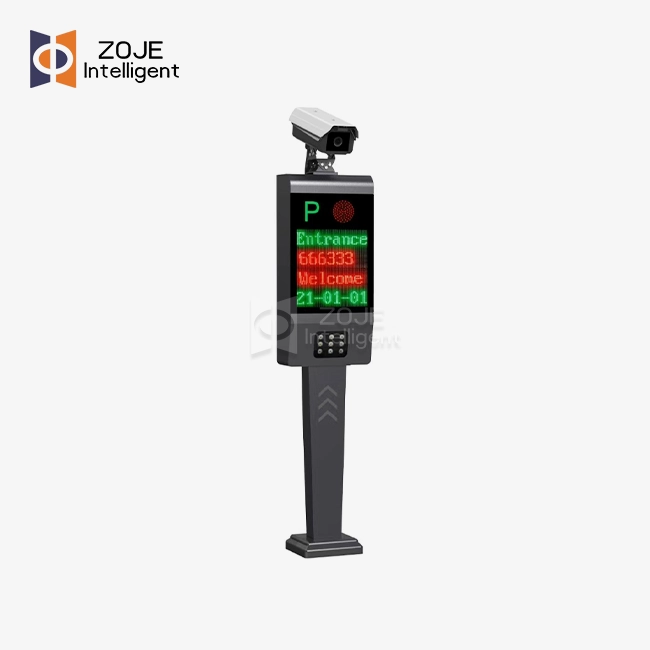
These systems integrate LPR cameras, barrier gates, payment kiosks, and management platforms to automate entry, exit, and billing. Modern setups replace tickets with real-time usage data, using edge computing, cloud-based tools, and mobile apps for contactless payments, ensuring smoother user experiences. Devices like ZOJE B0X-B30-IV support harsh environments and multi-language web access.
Core Technologies Behind Modern Parking Systems
LPR cameras use advanced visual algorithms and embedded computers. ZOJE B0X-B30-IV stores 1.2 million records, cycles data every 30 days, and supports multi-language B/S access. These systems handle small office lots to large airport terminals, adapting to diverse parking scenarios with high reliability and operational flexibility.
How Data Collection Enhances Operational Efficiency?
Real-time data recording—plates, times, durations, fees—turns Efficient Parking Management Solutions from reactive to proactive. Detailed analytics identify peak usage, optimize pricing, and detect anomalies. Advanced platforms can manage three- to ten-lane operations, improving traffic flow while reducing staff needs and operational costs.
Benefits of Implementing Efficient Parking Solutions in Urban Mobility
Streamlining Traffic Flow and Reducing Congestion
Automated LPR systems accelerate entry/exit, eliminating ticket delays. Free-flow access reduces wait times, prevents backups at malls, and eases congestion at airports, allowing quicker processing for arriving passengers.
Maximizing Revenue While Minimizing Operational Costs
Automated fee collection prevents losses from lost or fake tickets and supports flexible pricing, including visitor rates, monthly passes, and VIP tiers. Reduced staffing needs and continuous operation lower costs while ensuring efficient revenue management.
Environmental and Sustainability Contributions
Real-time occupancy monitoring and mobile apps guide drivers to available spots, reducing fuel use and emissions. Modern systems align with city sustainability goals, supporting property managers and urban planners in lowering carbon footprints.
Enhancing User Experience and Satisfaction
Whitelist entry, automatic barrier access, and visual records improve security and convenience for offices, malls, and residential areas. Multilingual interfaces ensure accessibility, while smooth operation enhances overall user satisfaction, especially during peak periods like holidays.
Comparing and Selecting the Right Parking Management System for Your Business
Identifying Common Pain Points in Traditional Parking Operations
Procurement managers face inefficiencies from underused space, outdated ticket systems, and high labor costs. Efficient Parking Management Solutions help address these issues by automating entry, exit, and payment processes, using real-time data to optimize space usage, reduce staffing needs, and improve overall operational efficiency. Manual tasks increase mistakes, maintenance of ticket and payment machines is costly, and peak demand at airports and malls worsens delays and revenue loss. Real-time usage tracking is critical to address these issues.
Critical Features for 2026 and Beyond
Modern parking platforms need scalable design, cloud-based management, remote monitoring, automatic updates, and real-time data analytics. Seamless integration with security and IT systems avoids silos. Proven global deployment, open-source development, and strong processing support multiple lanes and peak loads, ensuring flexible, future-proof operations.
Evaluating Providers and Support Models
Long-term success depends on reliable providers offering pre-sales consultations, professional installation, staff training, and 24/7 support. At least two years of warranty and annual on-site visits ensure maintenance, feedback, and continuous improvement, helping facilities maximize performance and user satisfaction over time.


Implementation Best Practices for Efficient Parking Management in Urban Settings
Conducting Comprehensive Site Assessments
A careful study of the surroundings is the first step to a successful deployment. Technical teams have to check the lighting throughout the day. For example, cameras in underground parking garages need to be very sensitive to low light and have a wide dynamic range so they can handle the big difference between the dark areas inside and the bright areas outside. Geometrical factors are very important: sharp turns that are close to camera places make plate capture less accurate, so cameras need to be placed strategically, and there may need to be more than one unit per lane. The weather affects the housing requirements. For example, outdoor installations at airports need weatherproof shelters with an IP67 rating and construction that is IK10 vandal-resistant to handle harsh conditions and possible tampering.
Coordinating Installation and Minimizing Disruption
Facility managers have to weigh the needs for installations against the needs for ongoing activities. Electrical work, network wiring, equipment mounting, and software setup are all coordinated by detailed project timelines so that operations are interrupted as little as possible. Phased rollouts let you try and improve things before they are fully deployed. Managing traffic temporarily during installation keeps things safe and clear. Zoje can deliver standard products within 5–7 days and unique configurations within 10–15 days, which speeds up projects and eases schedule stresses compared to competitors who need months to make products.
Designing for Future Growth and Technological Evolution
To protect investments, design needs to look to the future. Adding lanes or combining new building areas shouldn't require replacing the whole infrastructure when modular systems are used. Software systems that offer regular updates make it possible to use new features such as predictive repair algorithms and analytics powered by AI. Over time, being able to log data becomes more and more useful for building history databases that let you do complex trend analysis and optimization methods that you couldn't do with smaller data sets. Advanced systems can store up to 1.2 million records, which means that years of thorough past data can be kept for auditing and making operations better.
Future Trends and Innovations in Parking Management Solutions
Integration with Smart City Ecosystems
More and more, getting around cities rests on systems that share data across municipal platforms and are tied to each other. Parking infrastructure is an important part of these networks because it tells guidance apps what spaces are available in real time, works with public transportation to make multimodal trips easier, and gives information about occupancy patterns to city-wide traffic control algorithms. Standardized APIs and data sharing methods in the cloud make these integrations possible, turning separate parking lots into ecosystem members that work together.
AI-Driven Operational Optimization
Predictive analytics and dynamic price methods made possible by AI make Efficient Parking Management Solutions better. Machine learning algorithms look at past trends to predict changes in demand. This lets managers make changes to hiring and schedule repairs for times when demand is low. Dynamic pricing changes rates instantly based on how full the rooms are in real time, bringing in more customers during off-peak hours and making the most money during high demand. Predictive maintenance algorithms look for early warning signs that equipment is breaking down and schedule fixes before they become too expensive or problematic to use.
Expanded IoT Applications and Sensor Networks
A lot of low-cost IoT devices make it possible to watch spaces more precisely than just at entry and exit gates. Each parking spot has an occupancy tracker that gives accurate real-time information about how many spots are available. Drivers can use mobile apps or digital signs to find open spots. Environmental devices check the air quality inside buildings and make changes to the flow to keep things healthy. Integration with charging infrastructure for electric vehicles handles power transfer and bills, getting parking lots ready for the growing number of electric vehicles that are changing how people get around.
Conclusion
Intelligent technology is changing the way parking works in cities, and it's having positive effects on the environment, operations, and the economy. License plate readers like ZOJE's B0X-B30-IV platform show how built-in processing power, strong data management, and adaptable charging options can meet a wide range of needs in places like airports and shopping malls. To be successful, you need to carefully choose your provider, do a full site review, and commit to scalable designs that change as technology does. As cities get more crowded and pressures to be more environmentally friendly grow, Efficient Parking Management Solutions will become more and more important to the smooth running of urban transportation systems.
FAQ
1. How do automated parking systems reduce operational costs compared to traditional manual operations?
Multiple time-consuming tasks can be done automatically by platforms. Attendants don't have to hand out tickets, collect payments, or balance cash boxes by hand anymore, which means that 60–70% less staff is needed in most sites. Hardware longevity decreases maintenance expenses; systems with five-year uptime guarantees require minimal intervention compared to mechanical ticket dispensers prone to paper jams and mechanical failures. By using automatic tracking and payment enforcement to stop revenue leakage, 10-15% of gross revenue that was lost to ticket fraud and human mistake can often be recovered. Payback times are usually less than 18 months when lower labor costs, less upkeep, and better income capture are all added together.
2. What advantages do cloud-based systems offer over on-premise solutions?
Cloud architectures provide several compelling benefits. With remote access, building managers can keep an eye on multiple places from a central dashboard, so they don't have to make regular site trips. New features and security fixes can be added to software automatically, without the need for IT staff to be on-site. Scalable computer resources automatically adapt to changes in demand, so you don't have to buy new gear when you add new facilities or when traffic spikes. In multiple data centers, data backup and disaster recovery happen all the time. This protects against problems with local equipment or natural disasters. The B/S architecture gets rid of the need to run client-side software on all control workstations. This makes IT operations a lot easier.
3. What criteria should procurement managers prioritize when selecting parking system providers?
Integration problems can be avoided by making sure that new technologies work with existing infrastructure. Check to see if there are APIs available for linking to current security systems and business software. Service dependability is very important. Look into service promises, insurance terms, and customer references from deployment settings that are similar to yours. How fast problems are fixed depends on how responsive customer service is—24/7 access with multilingual teams is key for foreign operations. Customization features make sure that the system can adapt to specific operating needs instead of causing changes to the way work is done to fit software that isn't flexible. How stable the vendor's finances are and how big their market share show if they will support the system for as long as it works. Long-term relationship value is usually higher for providers who show commitment by visiting the customer's place once a year.
Partner with ZOJE for Advanced Parking Management Solutions
ZOJE is an expert at providing cutting-edge parking infrastructure that is specifically designed for business and complicated urban settings. We promise that our B0X-B30-IV LPR System will work for five years and can be set up in a variety of ways to work with three to ten lanes at the same time. As a maker of Efficient Parking Management Solutions with products used in 20 countries, we know how to deal with different regulatory settings and practical problems. You can change both the hardware and the software to make sure it works perfectly with your needs, whether you're in charge of airport gates, shopping center parking, or office tower access control. Contact our expert team at info@zoje-tech.com to set up a one-on-one meeting and system presentation. We offer full installation instructions, full documentation, and 24/7 global help, all backed by a two-year guarantee. Standard goods are delivered in one week, and custom versions are delivered in fifteen days. This keeps your projects on track.
References
1. Walker Parking Consultants. "Parking System Technologies: Comparative Analysis of Automated Solutions." Urban Infrastructure Journal, 2023.
2. International Parking and Mobility Institute. "Smart Parking Implementation Guide for Commercial Properties." IPMI Technical Standards, 2024.
3. U.S. Department of Transportation. "Parking Management and Operations in Smart Cities." Federal Highway Administration Report, 2023.
4. National Association of Commercial Property Managers. "Revenue Optimization Through Automated Parking Systems." NACPM Industry White Paper, 2024.
5. Urban Land Institute. "Sustainable Parking Solutions and Their Environmental Impact." ULI Development Standards, 2023.
6. Smart Cities Council. "Integrated Transportation Systems: The Role of Intelligent Parking Infrastructure." Municipal Technology Review, 2024.

Send Inquiry
You may like


Related Industry Knowledge
- Everything You Need to Know About Self-Service Kiosks
- Ultimate Guide to Cashless Parking Payment Station
- How Folding Arm Barrier Gate Saves Space in Garages?
- Is Unattended Access Control Turnstile Reliable?
- LPR Parking System for Automated Parking Access Control
- Integrated ANPR Unit for Automated Vehicle Access Control
- What Is Ticketless Vehicle Access Control in Smart Parking?
- How to Set Up Local Database Parking Control?
- How to Build an Open-Platform Parking Management System?
- Best High Accuracy LPR Parking System Solutions in 2026