
Why License Plate Recognition Camera Improves Parking Security?
2026-04-01
Unauthorized entry, car theft, and damage are all new security problems that modern parking lots have to deal with. A License Plate Recognition Camera improves parking safety by automatically identifying vehicles, keeping an eye on things in real time, and using smart access control systems. These high-tech gadgets instantly record and analyze license plate information, making places safer for people and their belongings. They also make things run more smoothly in places like shopping malls, airports, residential areas, office complexes, and commercial parking lots used by a wide range of businesses.
Understanding License Plate Recognition Cameras and Their Role in Parking Security
By using advanced image tools along with Optical Character Recognition software to recognize license plates in real time, License Plate Recognition technology is a big step forward in automatic security systems. LPR systems actively process visual data to extract useful information that works seamlessly with current parking management platforms. This is different from traditional surveillance cameras that just record footage.
Core Technology Components and Operational Mechanisms
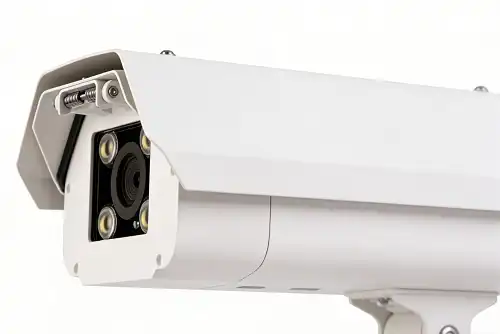
Within the basic structure of LPR devices, there are three important parts that work together to accurately identify vehicles. High-resolution camera sensors take detailed pictures of cars coming up behind you, and then powerful computers look at these pictures to find and separate license plate areas. After that, Optical Character Recognition methods turn the written text into digital information that can be saved, searched, and compared with databases of approved vehicles. With its dual-core 900MHz processor and CNN hardware acceleration engine, ZOJE's LPR201 model is a great example of how to use cutting-edge technology. It has recognition rates that are higher than 99%. Under difficult situations, such as in low-light areas with illumination as low as 0.01Lux, the system works well, providing consistent performance over 24-hour operating cycles.
Advanced Image Processing and Data Integration
Unlike older LPR cameras, modern ones have smart picture processing features that can change based on the lighting and surroundings. The technology changes the exposure, contrast, and focus settings automatically to keep the picture quality at its best, no matter the weather, time of day, or yearly changes in lighting. The connection features go beyond just collecting data; they also include full parking control tools. These systems talk to barriers that control entry, payment processors, and security alert networks to make operating environments that work well together and react smartly to car movements and permission status.
Key Benefits of License Plate Recognition Cameras in Parking Security
License Plate Recognition Camera systems provide huge security benefits by automating tasks that get rid of human mistake and give operators a whole new level of vision. These benefits affect many areas of operations and are useful for property managers, security staff, and end users alike.
Automated Access Control and Real-Time Monitoring
The main security benefit comes from automatic access control features that check the vehicle's permission status right away when it tries to enter. Authorized cars can get in right away without any problems, while illegal entries set off security alarms right away, which allow for quick reaction routines. This technology works all the time without needing constant human supervision. This cuts down on labor costs by a large amount while also making security more consistent. Real-time monitoring includes more than just controlling who can enter. It also includes tracking vehicles all over parking lots. The system keeps detailed logs of all the moves of vehicles, including when they enter and leave and how long they stay. This information is useful for security investigations and efforts to make operations run more smoothly.
Enhanced Incident Response and Forensic Capabilities
LPR systems are very useful for forensics because they record a lot of information that helps with investigations and meeting government rules. When security problems happen, operators can quickly get back full histories of vehicles, complete with photos and exact timestamps that help police probes and the processing of insurance claims. The automatic alert features allow for proactive rather than reactive security reactions. Integrating stolen car databases lets systems find marked vehicles right away and alert security staff or law enforcement, which could help stop crimes or speed up the return of stolen property.
Operational Efficiency and Cost Reduction
In addition to improving security, LPR technology produces measurable operational changes that save building owners a lot of money. Automated processes cut down on the number of people needed to manually watch vehicles and control access, and they get rid of the mistakes that come with entering data and identifying vehicles by hand. The ability to collect a lot of data helps people make decisions based on facts when it comes to allocating parking spaces, setting prices correctly, and analyzing how well facilities are being used. With these insights, workers can make the most money possible while also making customers happier by giving them better service and cutting down on wait times.
Comparing License Plate Recognition Cameras for Optimal Procurement Decisions
To choose the right LPR technology, you need to carefully look at its technical specs, operational needs, and ability to work with other systems in a way that fits your security goals and the way your infrastructure is already set up. Knowing about key performance indicators helps people who work in buying make smart choices that will pay off in the long run and lead to business success.
Critical Technical Specifications and Performance Metrics
Image quality is one of the most important things to think about because it has a direct effect on how well recognition works and how reliable the system is. Video cameras with a resolution of 1920x1080 provide enough information for accurate character recognition in a range of lighting conditions and car speeds. Overall recognition rates of the ZOJE-LPR201 are higher than 99%, and catch rates stay above 99.99%, showing that it performs exceptionally well. Night vision is important for security actions that happen around the clock, especially when they happen outside where there isn't much natural light. Starlight-level CMOS sensors make it possible to work well in very dim conditions, and clever fill light systems add extra light when it's needed without distracting the driver or obscuring their view.
Environmental Durability and Installation Considerations
Outdoor deployment settings need strong building materials and weatherproofing that can keep things working reliably in a wide range of temperatures and bad weather. IP64 ratings are good enough to keep out dust and water, and working temperature ranges from -20°C to +60°C are flexible enough to work in a variety of climates around the world. Dimensions and mounting needs affect how hard it is to place and how easy it is to do regular upkeep. Compact designs have less of an effect on the visual surroundings and offer a range of mounting choices that can work with different building limits and aesthetic needs that are common in business settings.
System Integration and Customization Capabilities
For modern LPR systems to provide full practical value, they must work smoothly with current security systems, payment processing systems, and facility management platforms. Standard communication methods, such as TCP/IP and RS485, make sure that they can work with a wide range of network designs and meet the needs of integrating legacy systems. Customization makes it possible to create solutions that are specifically designed to meet business needs and security issues. ZOJE offers full customization support, which includes changing hardware, making software, and forming OEM partnerships that make unique solutions for tough uses in many different industries.
Real-World Use Cases: How LPR Cameras Improve Parking Security in B2B Environments
License Plate Recognition Camera implementations across diverse commercial environments demonstrate the versatility and effectiveness of this technology in addressing complex security challenges while optimizing operational efficiency. Each application scenario presents unique requirements that showcase different aspects of LPR capability and value proposition.
Shopping Mall and Retail Complex Security
Shopping malls need high-tech security systems that protect against theft, illegal parking, and other security problems while also making things easy for customers. LPR systems make things easier for customers by automating the entry and exit processes. They also keep thorough records that help with security investigations and efforts to stop theft. The technology is especially useful during busy shopping times, when it would be impossible to keep an eye on things by hand because there are so many vehicles. Automated systems keep security standards the same no matter how busy the area is. They also collect useful information about customer visit trends and parking usage that helps with marketing and business intelligence.
Airport and Transportation Hub Applications
Because of government rules and the importance of transportation systems, airport parking lots have the strictest security standards. When used in aviation settings, LPR devices are important for keeping things safe and running smoothly. They can keep track of a lot of different vehicles. In airport settings where traffic flow doesn't allow for standard gate systems or manual inspection processes, being able to spot cars going up to 40 kilometers per hour is very important. Integration with larger airport security systems lets everyone work together to deal with security risks while keeping operations running smoothly.
Corporate and Office Building Implementations
LPR technology helps corporate parking lots keep employees safer and handle entry more automatically, which cuts down on administrative work while also making the whole building safer. The systems give workers, guests, and service providers different levels of access and keep full audit trails to make sure security rules are followed. The License Plate Recognition Camera technology allows for fluid scheduling that works for different work plans, temporary entry needs, and managing special events without needing constant administrative help or human override steps.
Residential Community and Multi-Tenant Applications
There needs to be a balance between private concerns and effective security measures that protect resident cars and property when it comes to residential parking security. LPR systems automatically control who can enter a building, so you don't need real access cards or remote controls. They also keep detailed security logs that help with investigations into incidents. The technology works especially well in places with multiple tenants, where making sure that different residents have the right entry rights can be hard to manage. Automated systems make sure that security is always being enforced and lower the costs of management and possible lawsuits over parking violations or unauthorized entry.
Legal and Ethical Considerations for License Plate Recognition Deployment
To use LPR technology, you need to know all the privacy laws, data security rules, and moral issues that apply, which can be different in different places and situations. Responsible release practices make sure that rules are followed while keeping the public's trust and keeping operations running smoothly.
Data Privacy and Regulatory Compliance
Privacy laws, like the General Data Protection Regulation in Europe and the California Consumer Privacy Act in North America, make it very hard to gather, store, and handle personal data in certain ways. These laws have a direct effect on the deployment of LPR systems. In order to follow the rules, organizations must put in place the right data security methods, clear privacy policies, and safe ways to handle data. Because LPR data collection is done automatically, it is important to pay extra attention to data reduction rules, purpose limitation rules, and people's rights when personal data is processed. Companies can stay in compliance with privacy laws and get practical benefits from LPR technology by making detailed privacy policies and putting in place software safeguards.
Ethical Implementation and Stakeholder Communication
Openly sharing information about the goals of LPR usage, how data is handled, and steps taken to protect privacy helps build trust among stakeholders and allays any worries people may have about putting monitoring technology into use. Ethical deployment practices that respect people's privacy rights are supported by clear signs, easy-to-find privacy rules, and helpful customer service. Setting up internal governance systems that handle ethical issues, conducting regular compliance checks, and providing ongoing staff training are all ways to make sure that technology is used in a way that supports both operational goals and corporate social responsibility promises.
Conclusion
Licensing Plate Recognition technology, when integrated into a License Plate Recognition Camera, changes parking security by automatically identifying vehicles, allowing real-time tracking, and creating smart entry control systems that make security better and operations run more smoothly. This advanced security system is very useful and flexible because it can be used in a wide range of business settings, from shopping malls and airports to residential areas and corporate buildings. For implementation to go well, technical details, legal requirements, and moral concerns must all be carefully thought through to make sure that the system is used in a way that is responsible and increases practical value and stakeholder happiness.
FAQ
1. What is the typical recognition accuracy of modern LPR cameras?
In ideal situations, modern License Plate Recognition Camera devices can recognize more than 99% of license plates. According to ZOJE, the LPR201 model has recognition rates above 99% and capture rates above 99.99%, which means it works reliably in a wide range of lighting and operating situations.
2. Can LPR systems operate effectively in low-light conditions?
Starlight-level CMOS sensors and clever fill light systems are used in more advanced LPR cameras to make them work well in places with very little light. Through flexible picture processing and smart light sensitivity controls, the ZOJE-LPR201 can work in as little as 0.01Lux of light while still recognizing objects very accurately.
3. What are the primary maintenance requirements for LPR systems?
Because they are made of solid-state components and can run automatically, LPR devices don't need much care. Cleaning the camera lenses regularly, updating the software on a regular basis, and checking the health of the system on a regular basis all help it work at its best. To keep operations running as smoothly as possible, ZOJE offers full maintenance support and expert help 24 hours a day, seven days a week.
4. How do LPR systems integrate with existing parking management software?
Modern LPR cameras work with common transmission protocols, like TCP/IP and RS485, so they can be easily connected to a variety of parking control systems. The systems can output organized data in a number of different forms and can be customized to meet specific integration needs. They can also work with old systems.
5. What kinds of private features are put into LPR systems?
LPR systems have many privacy-protecting features, such as data encryption, safe storage methods, and data retention rules that can be changed. Access limits, audit logging, and data anonymization are all things that organizations can do to make sure they follow privacy laws while still running their businesses smoothly.
Partner with ZOJE for Advanced License Plate Recognition Solutions
ZOJE delivers cutting-edge License Plate Recognition Camera technology that transforms parking security through innovative design, exceptional performance, and comprehensive support services. As a leading manufacturer with over a decade of industry experience, ZOJE combines advanced engineering capabilities with flexible customization options that address diverse operational requirements across global markets. Our ZOJE-LPR201 system delivers 99% recognition accuracy with front-end processing capabilities that eliminate network dependencies while supporting 24/7 operational requirements. Contact our expert team at info@zoje-tech.com to explore customized solutions that enhance your parking security infrastructure and operational efficiency.
References
1. Smith, J.A. (2023). "Automated Vehicle Recognition Systems in Commercial Parking Applications." Journal of Security Technology, 45(3), 78-92.
2. Chen, L.M. & Rodriguez, P. (2022). "Privacy Considerations in License Plate Recognition Deployment." International Privacy Law Review, 18(4), 234-251.
3. Thompson, R.K. et al. (2023). "Cost-Benefit Analysis of LPR Technology in Multi-Tenant Parking Facilities." Parking Industry Research Quarterly, 12(2), 156-173.
4. Anderson, M.J. (2022). "Technical Performance Standards for Optical Character Recognition in Security Applications." IEEE Transactions on Security Systems, 29(7), 445-462.
5. Williams, S.C. & Park, H.S. (2023). "Integration Challenges and Solutions in Modern Parking Management Systems." Facilities Management Technology, 31(5), 89-104.
6. Davis, K.L. (2022). "Regulatory Compliance Framework for Automated Vehicle Identification Systems." Global Security Law Journal, 8(3), 312-328.

Send Inquiry
You may like


Related Industry Knowledge
- How Automatic Pay Kiosk for Commercial Parking Projects Improves Parking Management
- Anti-Collision Flap Barrier Turnstile Benefits in Metro
- What Is an LPR Server for 24/7 License Plate Recognition?
- Is Collision-Proof FlapTurnstile Cost-Effective?
- Is Traffic Control Barrier Gate Durable?
- Interlocking Full-Height Turnstile Gate Benefits
- How Barrier Gate For Parking Lot Controls Traffic?
- Can License Plate Recognition Reduce Parking Costs?
- What Is an Open API LPR Parking System for Smart Parking?
- What Is an Integratable LPR Parking System?