
Parking Guide Configuration Tool Features You Should Know Before Buying
2026-06-30
Picking the right Parking guide configuration tool is important when investing in parking management infrastructure. It can mean the difference between a smooth rollout and costly project delays. Ultrasonic detectors, video cameras, and zone controllers are just a few examples of the actual sensor gear that a Parking guide configuration tool connects to. Modern setup tools allow digital addressing, logical mapping, and batch provisioning, which greatly reduces commissioning time and gets rid of topology mistakes that commonly happen in big installs. This is in contrast to old systems that needed hand DIP switch changes on every device.
Understanding Parking Guide Configuration Tools: Core Features and Benefits
These days, parking lots need more than just counting spaces. Shopping malls need to separate VIP parking from regular parking, airports need to work with flight plans, and apartment buildings need to control entry for each tenant. These different needs can be met by a complex Parking guide configuration tool with flexible programming options.
What Makes Configuration Tools Essential
Unfortunately, the complexity of today's parking lots makes it impossible for a human setup to work well. The right Parking guide configuration tool is essential when you have to manage thousands of sensors spread out over several parking levels, each of which needs to be precisely calibrated and given a sensible address. Three major problems that configuration tools fix are long starting times, mistakes in topology mapping, and complicated tuning.
By switching from physical settings to digital tools, shopping malls have been able to cut setup time by 70%. The ZOJE-T02-T model is a good example of this change. It uses both Bluetooth and infrared communication to make setting up sensors easier and get rid of the mistakes that happen when doing big setups by hand.
Core Technical Capabilities
Professional setup tools can work with a number of different communication methods, such as TCP/IP, RS485, and private wireless standards like LoRa and Zigbee. The addressing capability is very important. Enterprise-level versions should be able to handle at least 65,000 nodes per subnet so that growth can happen without having to replace hardware.
With real-time readings, you can get instant information about sensor signal-to-noise ratios, voltage levels, and packet loss rates. This insight lets workers find and fix problems during installation, instead of finding them after the system has been turned on. With drag-and-drop tools for visual topology management, you can connect real MAC addresses to logical parking spot numbers. This gives you a clear picture of your whole parking network.
Benefits for Different Facility Types
Time-based zone switching is good for office buildings because it changes the available spaces instantly based on business hours and staff plans. Commercial parking lots use dynamic pricing integration to change prices based on real-time information about how many spaces are being used. Tenant databases are used in residential areas to make sure that only allowed cars can get into certain zones. Guests are given temporary rights.
The analytics tools turn basic occupancy data into information that can be used. Instead of guessing, facility managers can use past trends to find high usage times, improve traffic flow patterns, and plan for growth. These choices, which are based on data, increase parking throughput by 25–30% on average while lowering running costs by making better use of resources.
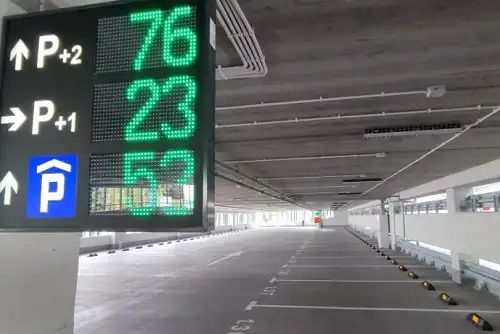
Comparing Different Types of Parking Guide Configuration Tools
Choosing the right configuration method rests on the specifics of your building, such as its structure and its long-term scalability needs. Knowing the differences between the different types of Parking guide configuration tools helps buying teams make choices that meet both current needs and plans for growth in the future.
Wireless vs. Wired Configuration Systems
Wireless setup tools provide flexibility during installation. Technicians may move freely in parking garages without wires. This speeds up setup in multi-level structures. The ZOJE-T02-T uses Bluetooth and infrared to take advantage of this. This makes sensor setup easy despite barriers.
Wireless gadgets are useful for places where laying wires would be too costly. Airport parking lots are ideal for wireless deployment due to their complex infrastructure and limited break periods. However, wireless systems need rigorous RF interference management, particularly in populated areas with plenty of signal flow.
More steady communications and no battery maintenance or wireless device interference are available with wired solutions. These solutions work effectively for new construction projects that include conduit installation. Though setting up is difficult, depending on building size, the constant communication provides long-term functioning with little maintenance.
Software-Based vs. Hardware-Centric Solutions
Phone and computer software offer the greatest possibilities and are easiest to update. These technologies provide entire property management settings by connecting to payment platforms, security networks, and building management systems. Smaller company lots or experimental initiatives benefit from software-based technologies' lower upfront costs.
Hardware-focused equipment like the ZOJE-T02-T can withstand tough industrial environments. These devices can withstand extreme circumstances that would damage normal electronics, thus they maintain operating after thousands of setup cycles. Parking system connections are optimised on speciality hardware. This reduces user error and training.
Hybrid techniques combine software usability with hardware reliability. These systems feature strong field-based units and mobile applications for remote tracking and minimal modifications. Businesses with international parking lots benefit from this independence.
Scalability Considerations for Different Facility Sizes
Small companies with 50 to 200 slots demand easy-to-use setup tools over sophisticated capabilities. Plug-and-play alternatives benefit these sites since they need no technical skills. The setup should take one workday, so activation may happen promptly without closing the facility.
Medium-sized venues, such as mall parking lots with 200 to 1,000 spaces, require zone-separating technologies and signage to guide consumers. The system must be set up using ultrasonic sensors for typical regions and video sensors for complex ones while maintaining logic. Batch programming is needed at this magnitude to set up groups of sensors instead of separately.
Large industrial and airport complexes with over 1,000 parking places need enterprise-level topology management technologies. In these scenarios, you need complicated solutions, many communication channels, and extensive diagnostic tools. So teams may operate on several zones at once without changing settings, the setup tool must allow segmented networks.
How to Evaluate and Choose the Right Parking Guide Configuration Tool
If you make the wrong choice when you're buying a Parking guide configuration tool, it will cause problems throughout the life of your parking system. A methodical evaluation process will keep your investment safe and make sure that the option you choose meets business needs.
Infrastructure Compatibility Assessment
First, list all existing system pieces. Find out who produces the sensors, what gearbox techniques are utilised, and whether older systems require integration. After purchasing, compatibility issues must be rectified at great expense or the equipment replaced too soon.
The sensor network and setup tool must communicate efficiently. Making sure the setup tool works with the company's ultrasonic devices' command structure. When working with many vendors, you need tools that can handle multiple protocols. This avoids using distinct setup devices for each sensor type.
Network design greatly impacts tool selection. RS485 networks require setup tools to manage and terminate connections. Ethernet systems require VLAN and network security technologies. Wireless sensor network configuration tools must be range- and interference-tolerant.
User Interface and Training Requirements
Complex interfaces make setup errors easier and training more costly. Ask actual individuals who will use the product daily to demonstrate how to use it to estimate learning time. A setup tool that requires three days of training costs more than an easy-to-use gadget that workers can master in hours.
Seeing configuration comments helps. Troubleshooting is quicker with real-time sensor condition, signal strength, and setup approval tools. For technicians to verify settings before moving on to the next sensor, the ZOJE-T02-T allows data flow in both directions and provides fast feedback.
Multilingual support may be useful if your organization conducts business overseas or has multilingual technical staff. Include extensive setup guidelines, troubleshooting flowcharts, and reference materials to reduce support calls and empower professionals to address issues themselves.
Supplier Support and Warranty Considerations
Technical support directly impacts system performance. Keep the service provider accessible 24/7, particularly if your parking lots are open 24/7. ZOJE Intelligent Technology provides global technical assistance 24/7, so users may obtain help in any time zone.
Warranty terms indicate that the manufacturer trusts the product to operate successfully. Standard two-year guarantees for all parts demonstrate solid technical and quality control. Read the guarantee's exclusions for environmental variables and misuse, which might result in unexpected charges.
Long-term software value depends on update frequency. Configuration tool firmware updates should correct security flaws, improve functionality, and support additional sensors. Remote update eliminates the need for on-site software upgrades, reducing maintenance.
Spare parts and maintenance time are crucial for mission-critical installations. Regional warehouse hubs can provide replacements more quickly than overseas suppliers for any service demand. Open logistics conditions for sea and air delivery with DDU and DDP options demonstrate ZOJE's dedication to minimising client delay.
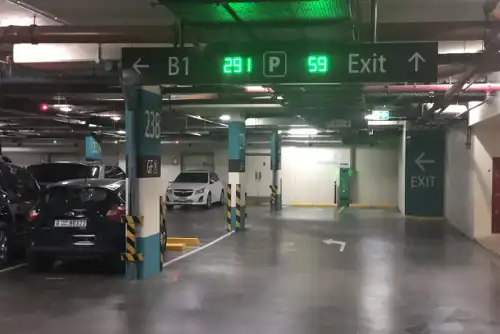
Setting Up Your Parking Guide Configuration Tool: Best Practices
Using the right release methods will improve the Parking guide configuration tool speed and cut down on frustrating troubleshooting sessions. Following structured procedures from the start guarantees correct data gathering.
Step-by-Step Sensor Calibration Process
Start by doing a full site study to write down all the physical features that affect how well the sensors work. Write down the heights of the ceilings, the sites of the pillars, the lights, and any possible sources of interference. This standard information helps choose the best testing parameters for accuracy.
Empty stall calibration sets the standard numbers for areas that are not being used. Place cars briefly to make sure the detection triggers work, and then take them out to make sure the system correctly records their availability. This process finds trouble spots that need sensitivity changes before the system is turned on.
The ZOJE-T02-T's plug-and-play ease of use speeds up this process a lot. You can connect to your Android device and start setting up sensors right away, without having to run any complicated software. The two-way transmission mode—Bluetooth for long-range setup and infrared for accurate short-range calibration—adjusts to different room conditions in your building.
Network Integration and System Tuning
Using logical addressing techniques prevents future maintenance and expansion confusion. Create floor-based prefixes or zone IDs to help technicians discover genuine sensors from management software alerts. Carefully record the naming technique and retain digital and paper site maps.
Communication route testing ensures robust connections before system activation. Set off many sensors and monitor for packet loss or delayed answers to simulate excessive demand. These stress tests reveal network slowdowns that need faster hardware.
Setting the debounce time prevents short-lived bogus triggers. Outdoor sensors require longer debounce durations for street parking due to traffic. Indoor garage sensors respond more quickly with fewer intervals. Change these settings depending on what you see instead of using the typical selections.
Troubleshooting Common Setup Issues
RF interference in wireless devices causes many missed connections. Avoid interference from nearby Wi-Fi networks, industrial equipment, and metal buildings by changing connection channels. ZOJE-T02-T's steady RF signal and anti-interference technologies minimise this, allowing setup sessions to continue even under challenging electromagnetic conditions.
False occupancy alarms anger automobiles and damage system trust. These are usually caused by calibration errors or environmental factors such as cables hanging down, ventilation air currents, or reflective surfaces that confound sensors. Plan to test each difficult location, modifying recognition zones or intensity levels until you receive dependable results.
Batch setup usually fails due to network congestion or poor signals on lengthy wire lines. Update 10 devices instead of fifty to save network traffic. Check cable quality and length for protocol compliance. Signal repeaters are essential for long-distance communications.
Maintenance strategies keep operations functioning smoothly when the weather changes. A health check every three months checks sensor accuracy, network speed, and software updates. Modern equipment like the ZOJE-T02-T may be updated remotely, reducing on-site maintenance and keeping systems current.
Future Trends and Innovations in Parking Guide Configuration Tools
As smart city projects and Internet of Things (IoT) technologies change the way cities work, the parking business is also changing quickly. Understanding new trends helps businesses make sure their investments will still be useful in the future.
Smart City Integration and IoT Connectivity
Parking guide configuration tools are becoming more and more like points in larger urban networks instead of separate parking systems. Integration with city traffic control tools lets everyone work together to deal with traffic problems, showing drivers where to park before they get to areas that are already crowded. Real-time data sharing between traffic networks in cities improves driving conditions and lowers pollution across the whole city.
API-driven architectures make parking systems and third-party applications connect easily. Mobile payment platforms, mapping applications, and building access control systems may communicate via standardized interfaces, improving user experience. Configuration tools must fulfill interaction demands and offer secure data channels, according cybersecurity criteria like IEC 62443.
Edge computing speeds up response times and simplifies central servers by bringing processing power closer to devices. Configuration tools must provide decision-making logic to edge devices so they may function independently when the network goes down and sync with central systems when it reconnects.
Artificial Intelligence and Predictive Analytics
Machine learning algorithms use previous patterns to predict parking space availability with incredible precision. These algorithms learn that mall parking is busiest on weekends between 2 and 4 p.m. or that airport parking lots fill up rapidly before holidays. Dynamic pricing solutions use prediction models to assist building managers plan repairs for low demand.
Better computer vision allows video-based monitors to identify more than individuals. These systems can identify cars, scan license plates for entrance control, and detect maintenance issues like oil leaks and abandoned automobiles. These complex analytics need setup tools that balance detection accuracy and processing performance.
Strange anomaly detection patterns may indicate equipment failure or security problems. AI-driven systems notify support staff before tiny issues escalate and cause system failure when sensors detect erroneous occupancy or communication interruptions. This preventive approach reduces emergency calls and extends equipment life.
Sustainability and Energy Efficiency
Low-power sensor systems save energy without sacrificing efficiency. Since it requires less than 0.5W, the ZOJE-T02-T may be used all day without draining the battery. This follows an industrial trend toward energy efficiency. Solar-powered outdoor monitors don't require wire, reducing deployment costs and environmental impact.
Based on space use, intelligent resource allocation optimizes lighting and airflow. Parking lots only light up when automobiles are near. This saves 60–70% of energy needed by constantly lighted buildings. Configuration tools link sensor networks to building management systems and ensure building system integration.
You may measure your sustainability by tracking your carbon footprint. Modern technologies calculate how much less pollution there is when traffic moves smoothly and people park faster. These measurements assist organizations achieve sustainability reporting rules and demonstrate their environmental impact to stakeholders and community members.
Conclusion
Choosing the right Parking guide configuration tool is a very important choice that will affect how well your parking system works, how much it costs to maintain, and how much it can grow. Dual contact modes, industrial-grade sturdiness, seamless network integration, and advanced diagnostic capabilities are some of the features that set professional-grade solutions apart from basic ones. Companies that run shopping malls, airports, apartment complexes, office buildings, and business parking lots need tools that are as complicated as their jobs. The ZOJE-T02-T is an example of current configuration technology because it combines stable low-power operation with Bluetooth and infrared communication. It is also easy to set up. During the evaluation process, procurement teams set their companies up for long-term success in parking management settings that are becoming more complex by putting compatibility, user-friendliness, and solid provider support at the top of the list.
FAQ
1. What factors should I prioritize when selecting a configuration tool?
Check that it works with your sensors and transmission methods. Reduce training and operational errors by checking the user interface's usability. Examine the supplier's warranty, professional support, and software update policies. Consider scaling demands based on facility development and make sure the tool can handle additional nodes without replacement. Compare the original expenditure to the entire cost of ownership, including maintenance and connection fees.
2. Can configuration tools integrate with existing parking management systems?
Standard APIs and communication protocols in contemporary setup tools allow connecting to popular parking control systems straightforward. Check if the tool supports TCP/IP, RS485, or your unique wireless protocols. Before buying, request demonstration settings to validate integration and data flow. Some firms produce software that integrates ancient and contemporary technology. Infrastructure may be upgraded progressively without being replaced.
3. How is ZOJE's professional help different from that of other companies?
ZOJE provides 24/7 technical help in all time zones. Help is available regardless of building location. Our support staff meets with clients once a year to get to know them better than online. The two-year warranty covers parts and labor. Your investment is protected if anything goes wrong. Remotely updating software maintains setup tools up to date without service calls, ensuring seamless operations.
Partner With ZOJE for Superior Parking Configuration Solutions
Facility managers all over the world trust ZOJE Intelligent Technology to provide industrial-grade Parking guide configuration tool options. Our ZOJE-T02-T model has both Bluetooth and infrared connections, and it uses less than 0.5W of power, so it can work all day efficiently for large-scale deployments. We support full hardware and software customization in addition to OEM and ODM partnerships as a seasoned Parking guide configuration tool manufacturer with ISO 9001:2015 certification in Shenzhen. Our full two-year guarantee, 24/7 global technical help at info@zoje-tech.com, and flexible DDU/DDP logistics terms show that we are committed to the success of our partnerships. Get in touch with us to talk about how our setup tools can make your next parking system project easier and cut the time it takes to set up by up to 70%.
References
1. Thompson, R. & Martinez, L. (2022). Smart Parking Systems: Design, Implementation, and Management Strategies. Urban Infrastructure Publishing.
2. Chen, Y. (2023). "Wireless Sensor Networks in Intelligent Transportation Systems." Journal of IoT Applications in Urban Planning, 18(3), 245-267.
3. International Parking Institute. (2023). Technology Standards and Best Practices for parking guidance systems. IPI Technical Advisory Board.
4. Anderson, K. & Patel, S. (2024). "Comparative Analysis of Parking Configuration Technologies in Multi-Level Facilities." Facilities Management Quarterly, 41(2), 112-129.
5. European Commission Joint Research Centre. (2023). Energy Efficiency in Smart Parking Infrastructure: Technical Guidelines. Publications Office of the European Union.
6. Williams, D. (2024). Future-Proofing Parking Assets: Integration Strategies for Smart City Ecosystems. Metropolitan Technology Press.

Send Inquiry
You may like



Related Industry Knowledge
- Why Radar Vehicle Presence Sensor for Barrier Gate Beats Loop Detectors
- Cashless Parking for Government Facilities: A Modern Approach
- Parking Management Barrier Gate Features & Integration
- Tempered Glass Full-Height Turnstile Benefits & Design
- Best Anti-Tailgating Turnstile for Secure Facilities
- High-Speed Access Control Turnstile Gate Features
- Is High-Wing Speed Gate Turnstile Suitable for Airports?
- Top 24/7 Unattended Parking Systems to Cut Labor Costs
- Plug-and-play ANPR Device for Quick Parking System Deployment
- What Is a Regional ANPR System and How Does It Work?