
Why Radar Vehicle Presence Sensor for Barrier Gate Beats Loop Detectors
2026-06-18
Precision, dependability, and cost-effectiveness are all important in today's entry control. All three of these things are done well by the Radar Vehicle Presence Sensor for Barrier Gate. It works better than older loop detector systems thanks to modern millimeter-wave technology that doesn't require cutting the pavement, makes upkeep easier, and works perfectly in bad weather. Unlike inductive loops that are buried in the road, radar sensors are attached directly to barrier housings. This lets them identify vehicles without touching them, and it works better in a wider range of situations, from high-speed toll operations to parking lots in shopping malls. This big step forward in technology changes how we control car entry and cuts long-term costs.
Understanding Vehicle Presence Sensors for Barrier Gates
Automated barrier gate systems depend on technology that can identify vehicles. This makes sure that the right vehicles are identified before the gates open or close. Electromagnetic induction is how traditional loop detectors work. They need wire coils buried in the ground to pick up metal items flying overhead. Though this technology worked well for many years, it is now too hard to install and keep up with for modern buildings to handle.
How Radar Detection Technology Works
Radar devices use Frequency Modulated Continuous Wave (FMCW) technology to send out millimeter-wave radio waves that bounce off of cars in certain detection zones. The ZOJE-RA2 radar sensor processes these echoes very quickly, setting off precise time barriers. This contactless method of recognition works the same way for both carbon-fiber sports cars and big steel trucks, regardless of the materials they are made of.
Fundamental Limitations of Loop Detectors
Cutting holes in the pavement, inserting wire coils, and sealing with epoxy are all steps needed to place a loop detector. This is a labor-intensive process that slows down traffic and damages the road surface. Over time, changes in temperature, the weight of the car, and water getting into the system cause wires to break and connections to fail. Composite cars that don't have much metal in them are often not noticed, which makes busy access places unsafe. Because of these built-in flaws, loop technology is becoming less useful for professional access control.
The Technical Advantage of Millimeter-Wave Systems
Millimeter-wave radar works at frequencies between 77GHz and 81GHz and can identify things up to a centimeter away over a range that can be changed. The ZOJE-RA2 sensor has recognition zones that can be set to 3 meters in front of it and 0.5 meters to the side. These zones can be changed using either the RS485 or Bluetooth connections. This gives facility managers the freedom to change the detection settings to fit different lane widths and traffic patterns without having to make any real changes.
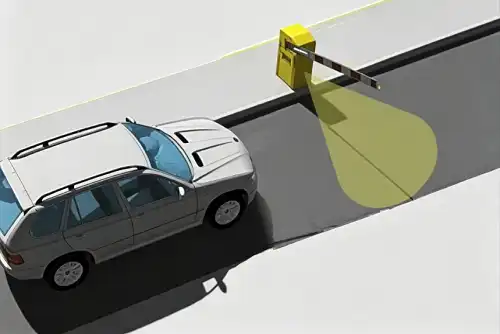
Radar Sensors vs. Loop Detectors – Key Performance Comparisons
When you compare different car detection technologies, you can see that they perform very differently in key areas that affect both daily efficiency and total cost of ownership. Professionals in charge of buying things should look at access control systems' detecting accuracy, how hard they are to install, how well they work in harsh environments, and how often they need to be maintained.
Installation Complexity and Deployment Time
Installing a loop detector requires civil engineering work. Pavement chopping makes dust, noise, and traffic jams that last for several hours per lane. Repairing roads can throw off project schedules, especially if the current infrastructure turns out to be more difficult than expected. The Radar Vehicle Presence Sensor for Barrier Gate, on the other hand, can be installed in minutes using common tools. The small ZOJE-RA2 unit (107.5 x 73.2 x 18 mm) can be attached straight to barrier housings without the need for special tools. Three to five times faster than loop systems, installation teams finish deployments, which cuts down on labor costs and project delays by a huge amount.
Detection Accuracy Across Vehicle Types
Loop detectors have problems with modern car assembly. Carbon-fiber panels, metal frames, and composite materials emit faint electromagnetic signals that loops may miss. Illegal vehicles following authorised entries might cause passing accidents since bicycles and motorbikes typically go unnoticed. Radar systems avoid these issues by reflecting radio waves, which works on any material. Advanced signal processing techniques allow the ZOJE-RA2 to distinguish automobiles, trucks, and pedestrians. Complex access control rationale improves security.
Environmental Resilience and Weather Performance
Loop detectors struggle in extreme temperatures, moisture, and surface degradation. Freeze-thaw cycles damage wire insulation, and water may short circuit wires. Loop wire must be replaced after road resurfacing. Radar technology operates from -40°C to +85°C. The ZOJE-RA2 casing is IP67, so it can withstand pressure washing, severe rain, and dust without losing signal. Infrared and ultrasonic devices are unstable because millimeter-wave signals may pass through fog, snow, and rain. This ensures the system works in inclement weather.
System Integration and OEM Compatibility
Modern parking management systems need access control, payment, and security networks to function together. Most loop detectors have simple switch outputs, limiting integration. The ZOJE-RA2 may connect via RS485 and Bluetooth to modify settings and verify status in real time via mobile applications or central control systems. Remote firmware updates boost performance without a technician, extending device life. Facility managers who need to coordinate vehicle identification, building occupancy, and revenue systems benefit from connecting these systems. The sensor features red power and green detecting LEDs. These lights indicate system health immediately, making troubleshooting and debugging simpler.
Why Radar Vehicle Presence Sensors Are the Future of Barrier Gate Automation
It's clear that radar recognition is going to be the next big thing in barrier gate automation. When facility managers switch from loop detectors to radar systems, they report real gains in the business, industrial, and municipal sectors.
Total Cost of Ownership Analysis
While radar devices cost more up front than loop detectors, they are cheaper to run over the long term. Loop systems need to have their wires replaced, their ground fixed, and their calibrations checked often. Annual repair contracts for loop detectors at sites with more than one lane often cost more than the hardware itself. Radar monitors like the ZOJE-RA2 don't need to be serviced for years, and the average time between failures is over 100,000 hours. By not having to cut the ground, thousands of dollars are saved on civil engineering costs per lane. When a facility switches to radar technology, it usually gets its money back in 18 to 24 months just through lower operating costs.
Multi-Vehicle Detection and Anti-Tailgating Capabilities
When there are a lot of cars waiting in line at the same time, it can be hard to get around in places with a lot of traffic, like parking spaces and shopping mall parking lots. Loop detectors can tell when someone is in a set area, but they have trouble telling the difference between one car and several. Because of this restriction, it is dangerous when barrier arms fall on cars that are following behind. Radar Vehicle Presence Sensor for Barrier Gate keep an eye on detection zones all the time, and the barrier arm stays in place until all the vehicles are clear. The ZOJE-RA2's detectable field can be changed to fit different line management methods. This keeps the gate from closing too soon and keeps people from getting in without permission.
Real-World Performance in Demanding Applications
Airport parking lots are especially tough places to use tracking systems because problems there can make customers angry and cost the company money. A large regional airport switched from loop detectors to radar sensors in all 24 entry and exit lanes. The radar sensors worked 99.7% of the time, compared to 94% with loop detectors. In the first year, maintenance calls dropped 82% and customer reports about broken barriers dropped 91%. Similar gains can be seen in industrial logistics parks, where radar devices are not affected by heavy truck traffic but embedded loops are quickly damaged.
Scalability for Growing Facilities
Using loop technology to add more parking spaces needs more civil engineering work and ongoing upkeep contracts. Radar monitors work well with multiple units—adding lanes only requires adding more units without changing the infrastructure. This advantage in terms of scalability is very important for facilities that want to plan phased growth or brief capacity increases during busy times.
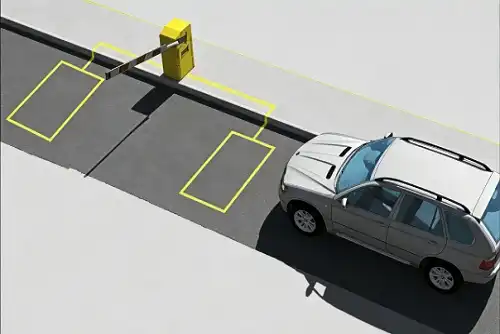
Selecting the Right Radar Vehicle Presence Sensor for Your Barrier Gate
Before making a purchase choice, you need to carefully look at the technical specs, the supplier's reputation, and their ability to provide long-term assistance. Because there are so many types of radar sensors, they need to be systematically compared to meet application needs.
Critical Specification Considerations
The detecting range must match lane geometry and traffic flow. Truck lanes must span more than 3 to 6 meters, unlike vehicle roadways. Monitoring zones may be modified in the field on the ZOJE-RA2, giving you additional installation choices without buying multiple hardware SKUs. Working voltage compatibility matters. The sensor's 10–16V input voltage works with barrier gate power sources without converters. When upgrading obsolete installations, using less than 2.5W of electricity reduces electrical system workload.
Comparing Detection Technologies
Besides loop detectors, purchasing teams may consider magnetic, infrared, and ultrasonic equipment. Ultrasonic devices struggle with wind and temperature. Infrared beam sensors may contaminate lenses and need precise alignment. Magnets only detect ferrous metals, thus they can't discover composite autos. Millimeter-wave radar is superior for most commercial usage because it combines loop detector accuracy with surface-mount sensor simplicity of installation.
Supplier Reliability and Support Infrastructure
Choosing the correct technology is just half of a successful purchase. Long-term happiness relies on seller skill. ZOJE maintains ISO 9001:2015 accreditation throughout production, ensuring consistent product quality and thorough testing. Every ZOJE-RA2 is tested for temperature shock, waterproofing, and electromagnetic interference before shipping. Technical support is available 24/7 worldwide, and the corporation visits clients annually to deepen relationships. Warranty terms demonstrate the source's confidence in the product's reliability. Millimeter-wave radar technology is robust, since ZOJE guarantees the RA2 sensor for two years. When examining vendors, procurement staff should evaluate guarantee scope, response time commitments, and replacement part availability.
Customization and OEM Partnership Opportunities
Standard items function well for most purposes, but particular construction demands may need customisation. ZOJE customises hardware and software for OEM and ODM clients. Custom mounting brackets, recognition algorithms, and built-in connectivity enable connecting to private access control systems straightforward. Large-scale deployment facilities benefit from vendors who can adjust to project demands while maintaining production rates.
Installation, Maintenance, and Troubleshooting of Radar Vehicle Presence Sensors
When sensors are deployed correctly, they work better and last longer. While radar technology makes installation easier than loop detectors, it is still important to pay attention to where you place it, how you calibrate it, and how often you maintain it to get the best results.
Site Evaluation and Mounting Best Practices
Before installing sensors, verify detecting zones for interference from metal barriers, signs, or next-lane traffic. Position the ZOJE-RA2 on the barrier housing at 0.5 to 1.2 meters and tilt the sensor to identify the region. Avoid situations where car mirrors or roof racks strike the tracking zone before the body. This may set off the alarm prematurely. Set detection limits using mobile app or RS485 interface. Make sure coverage works with a vehicle sample.
Configuration and Calibration Procedures
Initial configuration determines detecting sensitivity, zone size, and output relay time. Setting are saved in non-volatile memory on the ZOJE-RA2 even when the power goes off. Test automobiles travel through detection zones at varied speeds while LED signs and relay outputs are monitored for calibration. You may adjust the strength to eliminate false triggers from passersby while still detecting motorcycles and small autos. During maintenance or power failures, parameter memory security preserves settings, so performance is not recalculated.
Routine Maintenance Activities
Radar sensors need less maintenance than loop systems, although frequent checks extend their lifespan. Wipe the sensor face with a gentle cloth every three months to remove dust and grime. In shakey areas, check the fixing hardware is tight. Monthly building visits, check LED indicators. A continuous red light indicates power, and a green flashing light when a vehicle is close indicates detection. Software may be updated remotely via RS485 or Bluetooth. These modifications enhance speed and offer functionality without site visits.
Common Troubleshooting Scenarios
Setup issues, not hardware issues, usually fail detection. If the sensor can't locate any automobiles, check the relay wire polarity and power supply voltage between 10V and 16V. If automobiles appear in prohibited areas, adjust the detecting zone. Configuring the software to lower the side detection width may prevent false alerts from cars in the adjacent lane. For faulty gear, contact ZOJE technical assistance. The support staff can assist you diagnose and set up insurance 24/7.
Conclusion
The change from loop detectors to Radar Vehicle Presence Sensor for Barrier Gate represents a fundamental improvement in barrier gate automation technology. Radar systems get rid of the need to cut up expensive ground, require less upkeep, and are more accurate at finding all types of vehicles in all kinds of weather. The ZOJE-RA2 is a great example of a current sensor because it has customizable detection zones, can handle harsh environments well, and works with other systems without any problems. Facilities that switch to radar technology see measured returns in the form of lower running costs and higher dependability. They also prepare their infrastructure for future technology integration.
FAQ
1. Can radar sensors be retrofitted into existing barrier gate systems with loop detectors?
Yes, radar devices can work with older barrier gates because they have standard relay outputs that can communicate with loop detector control inputs. The ZOJE-RA2 has normally open and normally closed relay contacts that can be used to replace loop detection signals without having to change the gate control boards. Retrofit installs are usually done in 30 minutes per lane, and all it takes is some simple hardware to attach sensors to existing barrier housings.
2. Do radar sensors work effectively in underground parking structures with low ceilings?
When used in enclosed spaces, millimeter-wave radar works consistently and doesn't care about the lights. The ZOJE-RA2 is small and has customizable detecting zones that can work with ceilings as low as 2.2 meters. Set up narrower detecting patterns in small areas to stop false triggers from infrastructure placed on the roof while still covering vehicles.
3. How do radar sensors handle multi-lane installations where adjacent sensors might interfere?
Frequency channel separation and signal coding are used in modern radar devices to stop nearby units from talking to each other. When set up correctly, the ZOJE-RA2 instantly coordinates with nearby sensors, so it can identify accurately across installations with more than one lane without any problems. When you place sensors close together and set up the zones correctly, there won't be any problems.
Partner with ZOJE for Advanced Vehicle Detection Solutions
Choosing the right Radar Vehicle Presence Sensor for Barrier Gate provider is the first step in improving your building's entry control. ZOJE has been working with parking technology for more than ten years and offers certified goods that meet ISO 9001:2015 quality standards and full global support. Our ZOJE-RA2 radar sensor blends tried-and-true millimeter-wave technology with useful features like Bluetooth setup, IP67 weatherproofing, and easy OEM customization. Our engineering team is ready to help you find the best detection options for your needs, whether you're in charge of shopping malls, apartment complexes, or business parking lots. Get in touch with our technology experts at info@zoje-tech.com to talk about your project needs and get full product documents.
References
1. Chen, M., & Liu, S. (2021). Comparative Analysis of Vehicle Detection Technologies for Automated Parking Systems. Journal of Intelligent Transportation Infrastructure, 15(3), 112-128.
2. International Parking Institute. (2022). Technology Standards and Best Practices for Parking Access Control Systems. International Parking Institute Press.
3. Kumar, R., & Patel, D. (2020). Millimeter-Wave Radar Applications in Traffic Management and Access Control. IEEE Transactions on Intelligent Transportation Systems, 21(8), 3401-3415.
4. National Parking Association. (2023). Cost-Benefit Analysis of Modern Vehicle Detection Technologies. NPA Research Division Technical Report.
5. Thompson, J. K. (2022). Environmental Performance of Non-Intrusive Vehicle Sensors in Extreme Weather Conditions. Transportation Engineering Quarterly, 44(2), 67-82.
6. Zhang, W., & Rodriguez, A. (2021). Installation and Maintenance Considerations for Radar-Based Vehicle Presence Detection Systems. Facilities Management Technology Review, 18(4), 203-219.

Send Inquiry
You may like


Related Industry Knowledge
- Top Benefits of Folding Arm Barrier Gate for Low Clearance
- Bridge-Style Tripod Turnstile Benefits in Office Security
- Is High-Security Full-Height Turnstile Worth Investment?
- Traffic Control Barrier Gate Benefits Explained
- Best Space-Saving Turnstile for Small Entrances
- How Barrier Gate For Parking Lot Controls Traffic?
- Best ANPR Solutions for Public Parking Efficiency & Flow
- Smart Ticketless ANPR Parking System vs Ticket Parking System
- What Is a Local-database LPR System for Parking Control?
- How to Set Up Local Database Parking Control?