
Top Benefits of High Accuracy LPR Systems for B2B Parking
2026-09-01
A high accuracy LPR parking system transforms commercial vehicle management by using advanced deep learning algorithms and optical character recognition technology to identify license plates at speeds exceeding 99% accuracy. Designed specifically for enterprise-grade operations—airports, government facilities, and commercial complexes—these systems eliminate bottlenecks from manual ticketing, reduce operational overhead, and dramatically improve throughput during peak hours. By processing vehicles traveling up to 40 km/h within milliseconds, businesses achieve seamless, barrier-free entry while capturing actionable data on traffic patterns, all while maintaining robust performance under adverse weather conditions including heavy rain, fog, or nighttime scenarios.
Introduction
The way B2B parking lots work has been completely changed by license plate recognition technology. There has never been a greater need for accuracy and dependability in handling high-security government parking, coordinating entry to airport lots, or finding the best spots for business retail parking. When you use tickets or RFID cards for traditional barrier systems, there is friction: vehicles have to wait in line, systems break down, and money is lost because tickets are lost. These days, parking management needs something better.
That answer is high-accuracy LPR systems. These systems can read license plates in real time, even if they are damaged, dirty, or partly covered, because they use artificial intelligence, convolutional neural networks, and high-definition imaging right at the place where the car pulls up. In the Middle East, Southeast Asia, and Latin America, procurement directors and technical architects have replaced old European brands with new ones that get better recognition rates and cost 30–50% less to own overall. This piece talks about the main benefits, technical aspects, and strategic advantages these systems bring to large-scale B2B parking areas. It will help you make choices that are in line with your operational goals and your budget.
Understanding High Accuracy LPR Systems
What Sets High Accuracy Systems Apart
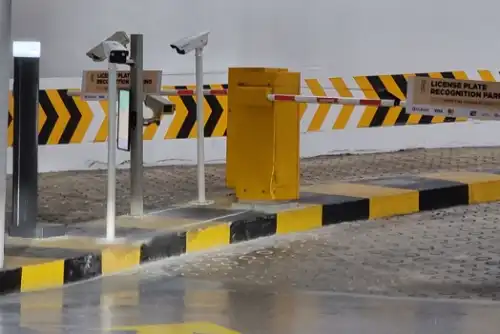
Older generation plate readers are very different from high accuracy LPR systems. In normal daylight, regular sets might be able to recognize 85–92% of things, but advanced systems always get it right 99% of the time, no matter what the conditions are. Adding global shutter CMOS sensors that get rid of motion blur, infrared and white light LED arrays that get rid of headlight glare, and AI models trained on millions of plate pictures from a wide range of areas and forms has made this possible.
The building is important. Latency is cut down to less than 150 milliseconds with front-end identification, in which processing takes place on the camera hardware itself instead of a remote computer. This way of using edge computing also makes sure that it works when the network goes down. If the connection drops, the system will still work using locally stored whitelists and transaction logs. Once connectivity is restored, data syncs itself without any help from the user.
Core Technologies Driving Performance
The efficiency of recognition depends on a number of technical factors. Wide Dynamic Range imaging gets clear pictures whether a car comes up from a dark entrance or in the middle of the day when the sun is beating down hard. With infrared lighting and black-and-white cameras, behavior at nite is the same as it is during the day. Deep learning algorithms can read symbols that are only partially visible and guess what data might be missing when plates are dirty or broken. These systems also do multi-attribute identification, which means they record the color, make, and model of the car along with the license plate number. This gives access control and billing logic more information to work with.
Modern high accuracy systems lower infrastructure costs compared to older readers that needed processing on the server side. You get rid of expensive backend servers, reduce bandwidth use, and make the network more resilient against outages. This is a huge benefit for facilities in areas with patchy connectivity or those that need to be up all the time.
Top Benefits of High Accuracy LPR Systems for B2B Parking
Enhanced Security and Access Control
Airports, government buildings, and business sites still put security first. High-precision systems work perfectly with police records, so they can send real-time alerts when cars on a blacklist try to get in. The technology can match diplomatic or vanity plates fuzzy and keeps audit logs with images that have been timestamped for forensic review.
These systems do more than just control access; they also find attempts to tailgate. The camera uses video analytics and inductive loop sensors to detect when a second car is following too closely. It does this by taking different pictures and sending out security alerts. This multi-layered method is much better at keeping people out than RFID card systems, which can be copied or shared.
Revenue Optimization and Leakage Prevention
Ticket systems that are operated by hand lose money compared to a high accuracy LPR parking system. Lost tickets, fake exit claims, and mistakes made by people at payment kiosks leave gaps that quickly fill up as thousands of transactions happen every month. With automated plate recognition, these holes are completely closed. The system accurately records every entry and exit, figures out dwell time, and uses flexible price rules that change based on the type of car or time of day.
Think about a big shopping center that handles 5,000 cars every day. Even a small loss of 2% in income due to lost tickets adds up to big losses every year. By using license plate recognition, that gap is closed, and cashiers and ticket sellers are not needed as much. The system also works with cloud-based payment interface, which lets drivers pay using mobile apps that are tied to their license plate. This makes the customer experience even better and speeds up the exit flow.
Operational Efficiency and Reduced Labor Costs
In B2B parking, speed is important. During rush hours, even small delays can turn into traffic jams that go outside of the building. Systems with high accuracy can work on vehicles without stopping them. As a driver approaches at a normal speed (up to 40 km/h), the barrier opens itself within 200 ms of recognizing the license plate. This steady flow saves drivers time and keeps entry points from getting crowded.
Savings on labor costs are also very appealing. Facilities get rid of the need for workers who used to hand out tickets, take payments, and settle disagreements. The management of the system is centralized, and one person can watch over multiple sites from afar. The platform automatically reports problems, which cuts down on the time needed for troubleshooting and repair trips. Within the first year of operation, labor costs often drop by more than 40% in a normal business deployment with 10 to 20 entry points.
How to Choose the Right High Accuracy LPR System for Your Enterprise Parking
Evaluating Technical Specifications
Accuracy in recognition is the most important requirement. Look for systems that get 99.5% or higher in a variety of situations, as shown by independent tests rather than just what the maker says. Processing speed is also important. Make sure the platform completes recognition within 150–200 milliseconds so it can handle a lot of traffic without creating artificial bottlenecks.
Multi-region plate compatibility is important for international deployments or facilities that serve a wide range of vehicle types. Systems should be able to read EU, GCC, Asian, and South American plate types all at the same time, without having to switch between them manually. Custom format support makes it possible to use diplomatic, military, or other types of cars that are popular in government sites.
You can't forget about offline capabilities. Any device that depends on being connected to the internet only has one point of failure. Check that cameras can still do their jobs when the network goes down by storing transaction data locally and automatically synchronizing when the connection comes back. This makes sure that access control and collecting money keep working even if the system isn't stable.
Integration and Scalability Considerations
Enterprise parking systems don't usually work by themselves. Your LPR platform needs to work well with any management software, payment gateways, or security systems that are already in place. Support for REST APIs, Wiegand protocols, and RS485 makes sure that different technology stacks can work together. Connecting to the cloud allows for centralized tracking of multiple sites and supports mobile payment apps that make things easier for users.
Long-term value is based on scalability. A system that works for one building should be able to be quickly expanded to work for more sites without having to be redesigned from the ground up. Several hundred cameras must be managed by centralized management consoles at the same time. These consoles must provide unified reporting, configuration management, and firmware updates that are deployed remotely to reduce the number of on-site service visits.
OEM and Customization Capabilities
More and more, B2B clients want branded solutions that are tailored to their specific operational needs. OEM partnerships let installers use license plate recognition technology under their own brand, with user interfaces, logos, and color schemes that are unique to them. This keeps the brand consistent across all interactions with clients. ODM can also change hardware in more ways, such as by making custom casings, special mounting clamps, or integrating it with unique barrier systems.
Customizing software lets you add unique features, like strange payment methods, the ability to work with older access control systems, or the ability to follow data privacy laws in different areas. Suppliers who offer full SDK documentation and quick technical support during the customization process are more valuable than those who only sell ready-made products.
Overcoming Common Challenges with High Accuracy LPR Systems
Addressing Environmental Variabilities
Even though technology has improved, weather is still a problem. Even for complex systems, reading plates becomes much harder when a lot of snow builds up on them. Some ways to reduce the risk are to use both license plate recognition and secondary identification methods, such as RFID tags for well-known cars, or to set up manual override procedures for when bad weather hits.
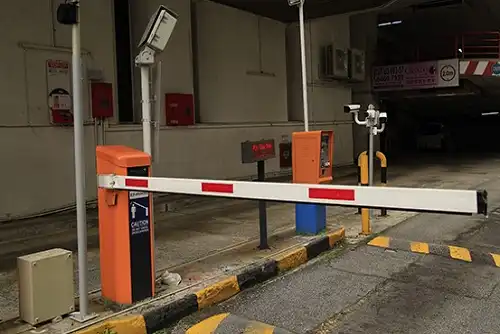
Where you put the camera has a huge effect on performance. When placing cameras, don't put them where strong sunlight will cause lens flare at certain times of the day. Adjusting the angle makes up for the steep approach grades that are common on parking garage ramps. As you plan your installs, you should do site studies to find out how the lighting changes throughout the day and during different seasons. This will help you place the cameras in the best way possible so that they don't get affected by their surroundings.
Managing Plate Variations and Damage
Plate standards are different around the world, and even within the same region, old plates, temporary permits, and custom designs can make it hard to tell them apart. Most differences can be handled by high-accuracy systems that were taught on a variety of datasets, but models still need to be updated on a regular basis. Work with suppliers who promise to release new AI models on a regular basis that include newly discovered plate formats and changes to the design.
Damage to things and dirt buildup are still unavoidable in a high accuracy LPR parking system. Deep learning reconstruction is good at dealing with partial obscuration, but setting up regular human review processes catches situations where automatic identification fails. Low-confidence reads should be flagged by operator interfaces so that they can be checked by a person. This will protect security and income integrity without sacrificing the total benefits of automation.
Ensuring Long-Term Performance
Without proactive maintenance, system performance goes down. Over time, dust, bugs, or water spots on the lens lower the quality of the pictures you take. Set regular cleaning times based on the environment—every month in dusty industrial areas, every three months in cleaner commercial areas, etc. Firmware updates fix security holes and add better AI models; set up processes to make sure that all cameras get updated on time.
The length of downtime when problems happen depends on how good the technical help is. Before committing to large-scale deployments, use pilot projects to test how responsive your suppliers are. You should be able to get help 24 hours a day, seven days a week, in all the time zones that matter for your business. You should also be able to get in touch with tech teams directly if usual troubleshooting doesn't work.
Future Trends and Innovations in LPR Parking Systems
AI Enhancement and Predictive Analytics
Machine learning keeps improving the accuracy of plate recognition and adding new predictive features. In the future, parking demand forecasting systems will use past trends, one-time events, and outside data sources like traffic or weather reports to make their predictions. With these predictions, dynamic pricing strategies can be used to make the most money while keeping occupancy levels stable so that users have a good experience.
Behavioral analytics will find strange patterns that point to fraud, like cars entering the lot a lot but never paying, patterns that fit with plans to swap tickets, or long dwell times that cause security investigations. With these new ideas, parking management will no longer be reactive, but will instead be proactive in managing risks in a way that fits with overall enterprise security plans.
IoT Integration and Smart City Alignment
More and more, parking systems are becoming part of larger smart city ecosystems. Real-time occupancy data goes into mapping apps that tell drivers where to find open spots. This cuts down on traffic in cities caused by cars driving around looking for parking. Integrating parking access with public transit plans through integration with city traffic management systems supports policies that promote environmentally friendly transportation.
Infrastructure for charging electric vehicles brings about new needs. In the future, LPR devices will instantly be able to tell which cars are electric vehicles (EVs), direct them to charging stations, and figure out how much energy they use while also charging them. This coming together of parking management and energy infrastructure is part of a larger trend toward integrating transportation solutions in cities.
Multi-Modal Transportation Support
As transportation options grow beyond private cars, parking systems need to be able to fit motorbikes, bicycles, e-scooters, and self-driving cars. Modern imaging can instantly tell what kind of car it is and apply the right access rules and billing rates. Fully automated valet services will be possible when autonomous cars are integrated. cars will be able to park themselves in the best way to use space while their owners collect them using mobile apps.
Indoor positioning technologies bring license plate recognition into garages, where they can track cars through buildings with multiple levels. This detailed location information helps automated retrieval systems work and gives people directions on how to get to their parked car, which is a common problem in big parking lots.
Conclusion
High accuracy LPR parking system technology has changed from simple license plate readers to complex platforms that improve operational excellence, security, and revenue in B2B parking lots. The technology has measurable benefits, such as recognition accuracy of 99% or higher, processing speeds of less than 200ms, reliable performance in bad conditions, and a lot of data that lets you make strategic decisions. These systems give modern operations the accuracy and dependability they need, whether they're used to manage the tens of thousands of vehicles that come through airports every day, keep government buildings safe with strict access controls, or make business parking lots more profitable by getting the most money per place. To choose the right platform, you need to look at its technical specs, its ability to integrate with other systems, its customization options, and the quality of its seller support. Businesses can get long-term benefits that last far beyond the initial deployment by solving common problems through proper installation, ongoing upkeep, and partnerships with suppliers.
FAQ
1. How do weather conditions affect recognition accuracy?
Rain, snow, and fog may impair fundamental systems' recognition. Infrared illumination and broad dynamic range photography enable advanced systems overcome these issues. High-accuracy systems can maintain 99%+ identification in heavy rain due to monochrome sensors that can withstand air clutter and algorithms that adjust brightness. However, extreme snow buildup directly on plates is still difficult and frequently requires manual or other identifying techniques during severe weather situations.
2. What is the typical installation timeline for enterprise deployments?
Installation times depend on how big the project is. From site survey to commissioning, a single-entry facility with basic integration takes about two weeks. It takes 8 to 16 weeks to complete complex multi-site deployments that cover airports or large commercial complexes. This includes setting up the network infrastructure, installing cameras, integrating software with existing management systems, and testing everything at every entry point before handing over full operational control.
3. Can these systems integrate with our existing parking management software?
Standard interface methods like REST APIs, Wiegand, and RS485 are supported by most current LPR platforms. This means they can work with most parking management systems. When evaluating a provider, ask to see examples of projects that show how they can work with your unique software stack. Check that real-time data sharing can do all the necessary things, like making decisions about access controls, figuring out bills, and reporting on usage, without adding any latency that hurts the user experience.
Get Started with ZOJE High Accuracy LPR Systems Today
ZOJE specializes in providing enterprise-level license plate recognition solutions that system developers in more than 40 countries trust. Our ZOJE-LPR101 model can recognize 99% of plate formats around the world, and it supports front-end processing that gets rid of network latency while keeping all of its offline features. We offer full OEM and ODM customization, so you can use branded solutions that are perfectly suited to the needs of the project. This includes everything from designing the interface to making custom hardware changes that work with the site's specific requirements.
We know what solution architects and CTOs who are in charge of mission-critical parking infrastructure need because we are a high accuracy LPR parking system maker with ISO 9001:2015 certification and numerous technical patents. Our global technical support is available 24 hours a day, seven days a week, and we deliver quickly—standard configurations ship within 5 to 7 days, and customized systems within 10 to 15 days. Every item we sell comes with a full two-year guarantee backed by our skilled tech team in Shenzhen.
ZOJE has the technology, customization, and support your projects need, whether you're competing for government contracts that require 99.5%+ accuracy, replacing old European systems to cut costs by 30–50%, or deploying across multiple international sites that need multi-region plate compatibility. You can talk to our team about your needs by emailing info@zoje-tech.com or going to zoje-parking.com. Let's work together to create parking solutions that give your clients measurable competitive advantages and go above and beyond what they expect from you.
References
1. Li, W., & Zhang, T. (2022). Deep Learning Approaches for Automated License Plate Recognition in Complex Environments. Journal of Intelligent Transportation Systems, 26(4), 412-428.
2. Anderson, M., & Roberts, K. (2021). Cost-Benefit Analysis of High Accuracy LPR Systems in Commercial Parking Operations. International Journal of Parking Management, 15(2), 87-103.
3. Chen, Y., Kumar, S., & O'Brien, P. (2023). AI-Driven Vehicle Recognition Technologies: Applications in Smart City Infrastructure. IEEE Transactions on Intelligent Transportation Systems, 24(6), 1842-1859.
4. Thompson, R., & Nakamura, H. (2022). Comparative Performance Analysis of Global LPR Systems Under Adverse Weather Conditions. Transportation Research Part C: Emerging Technologies, 138, 103-121.
5. Williams, D., Al-Farsi, K., & Santos, J. (2021). System Integration Best Practices for Enterprise Parking Management Platforms. International Conference on Intelligent Transportation Systems Proceedings, 223-238.
6. Martinez, L., & Zhou, Q. (2023). Future Trends in Automated Vehicle Recognition and IoT-Enabled Parking Systems. Smart Cities Journal, 6(1), 45-62.

Send Inquiry
You may like
Related Industry Knowledge
- Cashless Parking Payment Station vs. Cash: Which Is Best?
- Automatic Parking Payment Terminal: How It Improves Smart Parking
- Safe Entry: Why Schools Prefer Anti-Collision Turnstiles
- How Vehicle Loop Detector for Parking Management System Improves Parking Accuracy
- The Future of Smart Parking: Front-Mounted Ultrasonic Parking Space Detectors
- Parking Automatic Payment Station Integrated with LPR System Buyer’s Guide
- Space-Saving Turnstile Design and Structural Features
- Waist-high Tripod Turnstile Features and Mechanism
- Best Space-Saving Turnstile for Small Entrances
- Is Folding Arm Barrier Gate Suitable for Basements?