
Automatic Parking Payment Terminal: How It Improves Smart Parking
2026-08-25
Automatic parking payment terminals are revolutionizing how we manage parking facilities. An automatic parking payment terminal with touch screen serves as the cornerstone of modern smart parking infrastructure, eliminating manual cashier booths while offering intuitive user interfaces that accept multiple payment methods. These terminals work around the clock to process transactions through cash, credit cards, and QR codes, dramatically reducing wait times and operational costs. Facilities ranging from busy airports to residential complexes rely on this technology to streamline revenue collection, improve customer satisfaction, and gain valuable transaction data that informs better management decisions.
Understanding Automatic Parking Payment Terminals with Touch Screens
Traditional parking kiosks have given way to smart payment stations, which is a big change in how parking works. Modern automated pay stations have touch screens that are tough enough for use in factories. They also have complex backend systems that process payments, check tickets, and talk to central management platforms in real time.
Core Technology Components
The most important part of these systems is their Android-based operating system (version 4.0 and up), which makes it possible to run custom parking apps without any problems. The touch screen interface has high-brightness panels that are over 1,000 nits bright, so it can be read in bright sunlight. The screens are usually between 10.4 and 21.5 inches. Projected Capacitive (PCAP) technology makes sure that the device works well even when gloves are worn or when it's wet.
Professional-grade computers are different from user devices because they can connect to other devices. Coin receivers and change tools that can be customized handle cash deals accurately, while note receivers handle different bill amounts. Tokenization and encrypted transmission are two ways that EMV-certified card readers keep sensitive financial information safe. Thermal receipt printers record transactions right away, showing customers that they have paid.
Advanced Security Features
When paying without being watched, security is still very important. Our terminals have multiple layers of security. For example, tamper alarms go off when someone from the outside tries to get in without permission, which deters theft and vandalism. Optional CCTV monitoring adds the ability to visually watch and record all exchanges so that problems can be solved. The tough case made of 2.0 mm cold-rolled steel meets IP65 standards for protecting against dust and water, and the IK10-rated hardened glass can handle attempts to break it.
Along with PCI-DSS-compliant encrypted payment handling, these safety steps keep your information safe. Credit card information is not stored locally; all sensitive data is sent directly to payment gateways through secure SSL/TLS tunnels. This design reduces weak spots and keeps transactions safe even when the network goes down, because the system stores data locally and syncs it automatically when connectivity is restored.
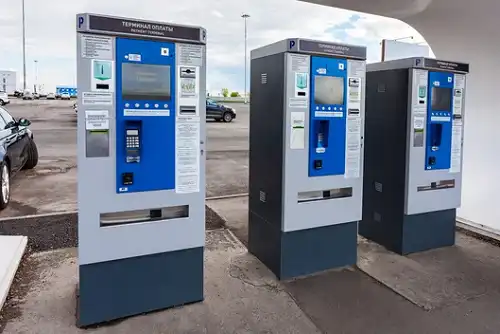
Benefits of Using Touch Screen Automatic Payment Terminals in Smart Parking
Putting in touch-enabled payment kiosks has real benefits for both operational speed and user experience. When parking lot owners put these systems in place, they usually see immediate improvements in the speed of transactions, the number of happy customers, and the amount of money they collect.
Operational Efficiency Gains
The most immediate financial benefit comes from lower labor costs. Multiple cashier jobs are eliminated by a single automatic parking payment terminal with touch screen, which works nonstop without breaks, shifts, or additional costs for staff. After automation, running costs dropped by 40–60% at facilities that serve shopping stores and office areas. This is because human error was eliminated and the risk of handling cash was reduced, which added to the savings.
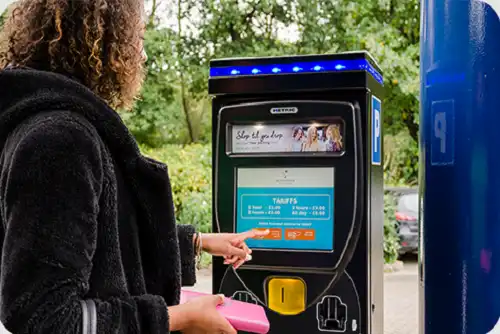
When customers self-serve at multiple spots instead of waiting in line for limited cashier windows, transaction flow goes up by a lot. This scalability is especially helpful for airports that handle thousands of transactions every day. Touch interfaces help users through complicated validation workflows that include flight information, merchant discounts, or license plate verification without the need for staff to step in. During busy times, the system keeps running at a steady level, so there aren't any of the slowdowns that happen with human processes.
Enhanced User Experience
These days, people expect all services to have easy-to-use digital platforms. Touch screens that can display multiple languages make them useful for a wide range of people at foreign airports and tourist spots. Users can easily switch between languages with just one tap. Clear visual prompts walk even first-time users through the payment process. Bright, anti-glare screens show parking times, fees, and validation choices, even in direct sunlight.
Different customers have different payment preferences. For example, travelers who don't have local currency can use international credit cards, tech-savvy shoppers can scan QR codes from their phones, and some people still prefer to pay with cash. This variety of payment options makes sure that no customer has trouble completing transactions. This increases customer satisfaction and encourages people to return to commercial parking facilities.
Data-Driven Management
In smart parking environments, these machines do more than just take payments. They also collect data. Central management systems get information about transactions automatically. This gives them real-time information about occupancy rates, income, and peak usage trends. Parking managers use this data to set dynamic pricing strategies, which mean that rates change based on demand to make the most money while also encouraging people to use space efficiently.
Digital audit trails that record the timestamps of all transactions and user interactions make compliance monitoring better. The system alerts support teams to hardware problems before they cause downtime by flagging trends that don't make sense and could be signs of fraud. This proactive method protects income lines and keeps service available in residential areas and businesses that need to be open 24 hours a day, seven days a week.
Comparing Automatic Parking Payment Terminals with Other Payment Solutions
When procurement professionals look at parking payment infrastructure, they have to choose between manual systems that have been used for a long time, mobile-only solutions, and hybrid approaches that use both manual and automated terminals. Knowing the pros and cons of each choice makes sure that it fits with the needs of the facility and the types of people who will be using it.
Automated Terminals vs. Manual Operations
Manual checkout booths need to be staffed all the time, so the costs stay the same no matter how many transactions happen. During times of low traffic, fewer employees are needed, but wages stay the same. On the other hand, automated payment stations are easy to expand. One terminal can handle changing demand without adding to the cost, and during busy times, facilities can add more units without making long-term promises.
Another important difference is accuracy. Human cashiers sometimes get fees wrong, give out the wrong amount of change, or fail to properly confirm discount codes. These mistakes can't happen with automated systems because they use software calculations that are checked at every step of the process. There are no longer any cash discrepancies, reconciliation is easier, and revenue loss from mistakes or theft is greatly reduced.
Touch Terminals vs. Mobile-Only Payment
Mobile payment apps are useful for smartphone users who are good with technology. Younger people like being able to pay using familiar interfaces without having to get out of their cars. However, this method leaves out people who aren't as comfortable with mobile technology, like older users, international visitors who are worried about roaming, and anyone whose device battery runs out or has connectivity problems.
Regardless of personal device ownership or technical proficiency, an automatic parking payment terminal with touch screen is accessible to everyone. Payment stations in public places also serve as obvious service points where customers who aren't sure how to finish a transaction can get help from a screen, which cuts down on customer service calls. Combining mobile options with physical terminals allows both tech-savvy and traditional users to use the system, which increases the number of payments that are completed.
Terminal-based methods are also better for some activities because they are safer. Even though mobile payments encrypt data well, users are sometimes worried about app permissions, sharing data, or payment platforms they aren't familiar with. Physical terminals give the impression that an institution is trustworthy, especially if they have logos and security certifications from well-known payment networks. People who pay high-value or long-term parking fees often find it easier to pay at stations where they can print papers to prove their transactions.
Installation, Software Options, and Troubleshooting Guide
To successfully set up payment terminals, you need to carefully plan how to prepare the spot, set up the software, and do regular upkeep. Before making final decisions about buying, technical teams should learn about these execution issues.
Site Preparation Requirements
Placement affects both how easy it is for users to get to and how reliable the operation is. Terminals need stable power lines, which are usually 110–240V AC. When power goes out for a short time, battery backup systems keep the terminals running. Connecting to the network through Ethernet, Wi-Fi, or 4G/LTE cellular links allows for real-time handling of transactions and control from afar. When primary connections fail, there is no downtime because there are backup connections.
Environmental factors affect the choice of port and where it is placed. For outdoor sites in city parks, you need weatherproof shelters that can handle temperature changes of -30°C to +65°C and have climate control systems inside to keep parts from breaking. Installing things in shopping malls focuses on how they look, so they often need custom powder coating or stainless steel finishes that go with the building's design. Placing things in a way that is comfortable, at the right height, and with enough lighting makes sure that they are accessible and helps people move easily through payment areas.
Software Integration Options
Parking management tools that work with gate controls, occupancy monitors, and license plate recognition systems work together to make sure that terminal operations run smoothly. Different kinds of software can run on the Android operating system. Some facilities use their own apps made through ODM partnerships, while others use parking management suites that are sold in stores.
Multi-site managers who are in charge of terminals in apartment buildings and office parks need to be able to handle them remotely. All linked devices' real-time state updates, transaction logs, and maintenance alerts are shown on cloud-based dashboards. Administrators can change pricing structures, display languages, or software updates from afar, so they don't have to send techs to each place. This unified control cuts down on routine work and makes sure that all parking networks are set up the same way.
Maintenance and Troubleshooting
Schedules for preventative maintenance help keep unexpected downtime to a minimum. Every three months, the tuning of touch screens should be checked to make sure they work correctly across the whole surface of the screen. Bill validators and coin mechanisms need to be cleaned once a month to keep them from getting clogged up with junk. Depending on the number of transactions, thermal printer heads need to be replaced every 12 to 18 months. Also, ticket paper stocks need to be refilled on a regular basis.
Common problems are usually fixed by following standard troubleshooting steps. Unresponsive touch screens are often a sign of calibration drift. Technicians can access service options that walk them through the steps of recalibration. Problems with network connectivity usually cause payment processing to fail. These problems can be fixed by checking the cable connections or starting up the communication modules again. The system keeps track of detailed error codes that technical support teams can use from afar to fix problems over the phone, without having to go to the site.
Problems with outdoor setups can sometimes be caused by temperature. Internal heaters and fans keep the machine running at its best, but bad weather may cause safe shutdowns. These events are automatically recorded, which lets workers check that regular operations start up again once conditions get better. When facilities know about these trends, they can get ready for yearly problems by strategically placing things or adding extra environmental protection.
Procurement Considerations for B2B Clients
When looking for the best automatic parking payment terminal with touch screen, you need to think about more than just the price. When figuring out the total cost of ownership, you should include the costs of installation, ongoing upkeep, software licensing fees, and the amount of time you expect the tools to last.
Infrastructure Compatibility Assessment
Existing parking systems have a big effect on which terminals can be used. Facilities that already use license plate recognition need stations that can connect to ANPR systems so that ticket approval processes run smoothly. Barcode or RFID readers that work with older gate systems that use magnetic stripe tickets are needed. Whether payment processing is done through existing merchant accounts or through new gateway arrangements affects both how hard it is to set up and how much each transaction costs.
Supplier Evaluation Criteria
Long-term satisfaction is greatly affected by how reliable and helpful the manufacturer is. Established suppliers like ZOJE offer detailed technical documentation, help with installation, and global support networks that are open 24 hours a day, seven days a week. A two-year warranty covers problems with the way the product was made, and extended service agreements let you plan your maintenance budget ahead of time.
Customization is important for places that have specific needs. OEM and ODM services can meet special needs like logos, payment connections, or environmental requirements that aren't covered by standard services. Suppliers who have worked on customized projects before can easily handle complicated requirements, which cuts down on development times and makes sure that local rules or facility standards are followed.
Financial Considerations
Buyers who buy in bulk can get discounts that are useful for operators who put terminals in more than one place. Some manufacturers offer rental agreements that lower the amount of capital that needs to be spent. This is especially helpful for temporary installations that serve construction sites or seasonal attractions. When rolling out on a large scale, it's easier to manage cash flow when payment terms are flexible.
There are different types of installation services, from simple delivery to "turnkey deployments," in which providers prepare the site, install gear, set up software, and train staff. Full-service agreements cost more up front, but they reduce the need for internal staff and make sure that everything is set up correctly. This could speed up the return on investment by allowing for faster deployment and fewer problems during startup.
Conclusion
Today's parking lots need technology that strikes a mix between user comfort and operating efficiency. Automatic parking payment terminal with touch screens achieve this balance by having easy-to-use interfaces that accept a variety of payment methods, strong security that protects both revenue and users, and durable hardware that can work in harsh conditions. When facilities use these systems, they cut down on worker costs, speed up transactions, and make customers happier. Smarter management choices are made based on the data insights that are produced, and the ability to integrate makes sure that the system works with larger smart parking ecosystems. Parking lot owners can be successful in the long term in markets that are getting more and more competitive if they carefully choose suppliers that offer customization support, reliable service networks, and quality standards that have been proven to work.
FAQ
1.How does the touch screen perform in direct sunlight?
Anti-glare films and screens that are brighter than 1,000 nits make it possible to see the screen even in full sunlight. Optical bonding technology gets rid of the air gaps between LCD panels and glass, which makes contrast ratios much better. With these specs, people can read prices and make purchases without any trouble in outdoor settings at any time of the day.
2.What happens if network connectivity fails?
The interface works when it's not connected to the internet, saving transaction data on the solid-state drive of the industrial PC. As soon as connectivity is restored, the system syncs with central computers instantly, making sure that no transaction data is lost. This architecture keeps collecting money even when the network goes down, which is very important for businesses in places where connectivity isn't always reliable.
3.Can users operate the terminal with wet hands or gloves?
Projected capacitive touch screens have software routines that can tell the difference between drops of water and real touches. The system changes its sensitivity to pick up input through winter gloves or work gloves, so it will always work properly no matter the weather or the user's gloves. This feature is necessary for outdoor parking lots that are used all year.
4.How secure are payment transactions?
Card readers that are EMV and PCI-DSS approved encrypt all payment data and send it directly to payment gateways through safe SSL/TLS tunnels. Your credit card number is not saved on the device itself. Tokenization changes private data into meaningless identifiers. This makes sure that even if there is a data breach, the stolen data won't reveal any useful financial information. These multiple layers of security meet the standards for security in the banking business.
Partner with ZOJE for Your Smart Parking Solution
ZOJE has been developing new parking technologies for more than ten years and has provided automatic parking payment terminal with touch screen solutions that are accepted by airports, shopping centers, and cities all over the world. Our ISO 9001:2015-certified production makes sure that the quality is always the same, and our experienced engineering team can change the hardware and software to fit your unique needs. As a major manufacturer and supplier, we welcome both OEM and ODM partnerships. We offer a range of delivery options, such as sea and air transport with DDU and DDP terms. Contact our team at info@zoje-tech.com to talk about how our terminals can change the way you run your parking lot with technology that is designed to be reliable, safe, and give users a great experience.
References
1. Smith, J. and Anderson, M. (2021). "Smart Parking Systems: Technology Integration and Urban Mobility." Journal of Transportation Engineering, Vol. 147, Issue 3.
2. International Parking Institute (2022). "Emerging Technologies in Parking Management: A Comprehensive Industry Report." IPI Research Foundation.
3. Chen, L. (2020). "Automated Payment Solutions in Public Infrastructure: Case Studies and Performance Analysis." Urban Technology Review, Vol. 15, pp. 112-134.
4. National Parking Association (2023). "2023 Parking Technology Survey: Trends and Adoption Rates." NPA Annual Report.
5. Rodriguez, A. and Kumar, P. (2022). "User Experience Design in Self-Service Kiosks: Accessibility and Interface Optimization." Human-Computer Interaction Quarterly, Vol. 29, Issue 2.
6. European Parking Association (2021). "Security Standards for Unattended Payment Terminals in Parking Facilities." EPA Technical Guidelines, Document EPA-SEC-2021-04.

Send Inquiry
You may like

Related Industry Knowledge
- Safe Entry: Why Schools Prefer Anti-Collision Turnstiles
- In-Ground Geomagnetic Parking Sensor for Smart Parking Systems
- Dual-mode Geomagnetic Parking Detector for Smart Parking Systems
- How Vehicle Loop Detector for Parking Management System Improves Parking Accuracy
- What Is Tempered Glass Full-Height Turnstile? Features Guide
- Is Straight Arm Barrier Gate Reliable Outdoors?
- Best Space-Saving Turnstile for Small Entrances
- Best High-Security Full-Height Turnstile for Perimeter
- How to Choose a LPR Server for 24/7 Parking Operations?
- Integrated ANPR Unit for Automated Vehicle Access Control