
What Is Tempered Glass Full-Height Turnstile? Features Guide
2026-06-24
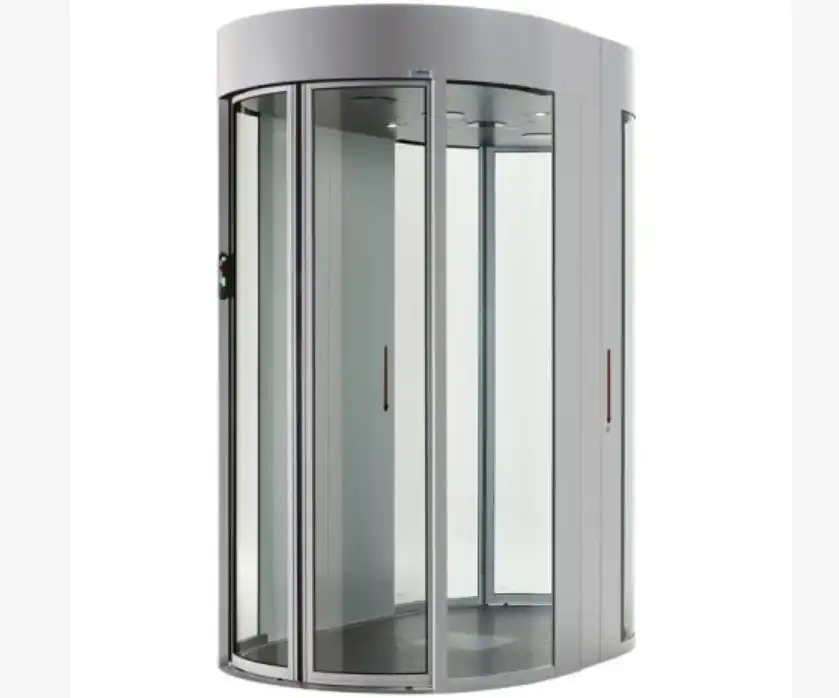
Building managers and procurement experts frequently struggle to find advanced access control systems that provide solid security without losing the elegant elegance modern office spaces desire. A Tempered Glass Full-Height Turnstile for Premium Security provides floor-to-ceiling physical security with a clean, modern style. Traditional tubular steel walls evoke a castle. However, these systems employ toughened glass panels in elegant stainless steel frames. This design prevents tailgating, piggybacking, and climbing over and unites the halls and entrances. The outcome is a high-tech access control system that fits the demanding security standards of US airports, corporate buildings, apartment complexes, retail malls, and commercial parking lots.
Understanding Tempered Glass Full-Height Turnstiles
What Makes Tempered Glass Different from Standard Materials
Most significant is that Tempered Glass Full-Height Turnstiles for Premium Security are composed of toughened safety glass heated specially. During production, the glass is heated to 620 degrees Celsius and immediately cooled. This creates stress patterns inside the material, making it four to five times stronger than tempered glass. Tempered glass splits into tiny, blunt fragments when hit hard over its grade, reducing damage risk. This safety feature makes toughened glass ideal for high-traffic areas where people may accidently touch it.
Tempered glass has several advantages over plastic. Acrylic is transparent but cuts readily and becomes yellow when exposed to UV light. Cleaning tempered glass frequently keeps it clear for decades and prevents scratches. Daily usage from bags, keys, and other points of contact won't degrade the 5–6 Mohs substance. Maintenance staff enjoy how long-lasting it is since the gate appears new years after installation without new panels.
Structural Design and Operational Principles
A full-height gate system prevents unauthorized guests from jumping over or crawling under it from floor to ceiling. 3-4 tempered glass panes are radially arranged around a shaft. This is the turning mechanism. When an allowed user presents a valid credential to the access controller, the servo motor spins the panels 90 or 120 degrees, depending on the arrangement. This turn creates a short route while the adjacent panels strengthen the barrier.
Working loops move swiftly. Now that passage durations are 0.5 seconds, 25 to 30 persons may travel through a lane every minute. After each allowed passing, the mechanism locks to prevent tailgating. Infrared sensor bands monitor the passing zone and can detect other users following the allowed user. The technology terminates the cycle and alerts security of tailgating.
Compliance with International Safety Standards
Purchasing managers must ensure access control investments are secure. Suppliers of reliable tempered glass turnstiles undergo rigorous testing to get CE and UL certifications. These certificates prove the product satisfies electrical safety, mechanical stability, and emergency exit criteria.
EN 12600 pendulum impact tests determine how effectively the glass can withstand high force without shattering. To ensure motor, gear, and electromagnetic brake accuracy, the mechanical drive system undergoes five-million-cycle endurance testing. Salt spray corrosion testing shows that stainless steel parts don't corrode in water or cleaning solutions. These extensive evaluations ensure that the turnstile will operate in many commercial contexts.
Key Features and Benefits of Tempered Glass Turnstiles
Comprehensive Security Capabilities
Full-height barriers prevent unauthorized entry. The floor-to-ceiling design eliminates the most common half-height turnstile and optical hurdle routes. A burglar can't jump over anything waist-high or duck under an infrared beam. Clear toughened glass panels prevent and allow security workers to view both sides of the barrier.
Security also includes anti-tailgating equipment. Main methods unauthorized fans can't follow:
- Multi-beam infrared sensors provide a passage zone-wide tracking grid. A single approved individual passing through and numerous persons seeking to enter at once are distinguished by this grid.
- Weight-sensitive platforms can detect two individuals passing at once if they perceive odd load patterns.
- Directional logic programming ensures the rotor will move ahead when sensors detect one eligible individual in the defined passing region.
- Automatic alarm activation triggers an automated notice, allowing security to act promptly.
These safety measures create a regulated access environment for high-risk regions including airport restricted zones, government buildings, banks, and data-handling research institutes.
Aesthetic Value and Architectural Integration
Modern company design emphasizes open, light-filled, professional and innovative facilities. Traditional metal cage turnstiles establish visual borders that impede space flow and make openings feel unwelcoming, therefore this design approach doesn't function. This issue can be fixed by using transparent toughened glass turnstiles, which offer safety without blocking views. Glass panels brighten corridors and entrances. Modern architectural finishes complement the stainless steel frame.
Visual advantages go beyond clarity. Minor frosted patterns, business logos, or ornamental films may make tempered glass panels stand out and help customers remember your brand. With this level of customisation, the Tempered Glass Full-Height Turnstile for Premium Security may become an integral feature of the design rather than a last-minute addition. Office building developers love this feature when they have to create Grade-A lobby rooms that fulfill premium renters' security and luxury standards.
Advanced Access Control Integration
When used with various entrance control systems, modern toughened glass turnstiles are strong. Each turnstile's control board has common connections like dry contact relays, RS485 serial communication, and TCP/IP network access. The turnstile works with most identification readers and fingerprint devices since it is globally compatible. Facility managers may pick the optimal entrance mechanism for their security requirements and users without worrying about compatibility.
RFID proximity cards are utilized for simple access control, fingerprint scanners for medium-security, and facial recognition systems for high-security, frictionless authentication. The device may also connect to elevator destination control systems to immediately transfer approved users to the proper floors while tracking all building visitors. Combining data helps fulfill safety regulations and provides facility usage statistics.
Durability and Long-Term Reliability
Access control technology buyers need to know it will perform properly for years. A gate made of 316-grade stainless steel and toughened glass can withstand extreme circumstances. Stainless steel won't rust along the shore or in humid areas. Tempered glass panels retain their structure and clarity even when subjected to UV radiation or temperature fluctuations.
Mechanical reliability is achieved by precision engineering of the driving system. Compared to carbon brush motors, brushless servo motors provide steady power without maintenance. Sealing bearing systems prevents dust and dampness from wearing them out quicker. An electromagnetic closing mechanism can be used millions of times without failing. Over the life of the equipment, these engineering decisions will save maintenance costs and improve system availability.
Comparison and Decision-Making for Procurement
Tempered Glass Versus Steel-Based Alternatives
Purchasing managers must understand how gate materials operate in practice before choosing one. Industrial settings, prisons, and outdoor perimeter security employ steel full-height turnstiles, the strongest. However, they look awful and hinder sightlines. This means they shouldn't be utilized in corporate lobbies, airports, or other areas where openness and friendliness are crucial.
Tempered glass looks prettier and provides similar forced entry security. Openness aids operations. Through the barrier, security can monitor both sides of the stop. This function eliminates the need for extra cameras and staff. Because it requires fewer security manpower over time, glass may be cheaper for the entire system.
Full-Height Versus Half-Height Turnstile Selection
A waist-high or tripod gate, or half-height turnstile, is a cheaper technique to manage access. They manage access well in low-security areas like gyms, stadiums, and amusement parks when the purpose is to count people rather than preventing break-ins. Jump over or crawl beneath these obstacles if you like.
Completely isolating the region from floor to ceiling eliminates this vulnerability. Security is the key factor in choosing half- or full-height turnstiles. In situations with sensitive data, valuable items, or limited access, only full-height systems can provide strong security. Given the consequences of a security breach, the minor cost difference between half-height and full-height options is negligible.
Evaluating Total Cost of Ownership
Purchase price is only fraction of overall cost. An in-depth procurement analysis must include installation costs, maintenance expenses, energy utilization, and service life. Tempered glass turnstiles from reputed manufacturers are cost-effective over time since they require little maintenance.
Glass panels need regular cleaning to stay clear. Just glass cleaner and cotton towels are needed for this simple task. When properly installed, mechanical parts last for years without adjustment. Modern systems utilize just 100 to 150 watts while functioning and considerably less when inactive. Compared to manned security stations or less durable barrier systems that require parts updated periodically, the cost per passing transaction is very inexpensive over 10 to 15 years.
Smart Technology and Return on Investment
New gate systems include intelligent features that make them safer and more efficient. Real-time tracking alerts security managers to break-in attempts, mechanical issues, and unusual traffic patterns. Integration with building control systems offers all building entrance points a complete view.
Passage record analyses inform staffing, peak traffic, and room utilization strategies. These discoveries have benefits beyond access control. Buying teams consider ROI not only from cost savings from fewer security people but also from strategic gains from gathering data.
Procurement and Installation Guide for B2B Buyers
Selecting the Right Supplier
Project success depends on provider relationship. Certified manufactures having a track record outperform low-priced vendors. Purchasing teams should prioritize ISO 9001:2015-certified suppliers. This indicates that providers follow standard production techniques and strive for improvement. Patents demonstrate invention, not imitation.
Quality and service abilities of Tempered Glass Full-Height Turnstile for Premium Security are equally crucial. Full-service technology vendors who are available 24/7 and respond fast reduce downtime. Instead of settling on standard designs, customization lets the turnstile be modified to meet the project. ZOJE, which has worked with OEM and ODM partners, may assist with complex projects that require particular changes.
Lead Times and Delivery Logistics
How realistically individuals estimate how long it will take to create and ship things determines project timetables. Standard turnstile installs take 5–7 business days when all parts are in stock. Custom solutions with specific finishes, sizes, or connections take 10–15 days. Working with suppliers early in the planning phase prevents scheduling conflicts for large projects with mass sales.
Shipping requires meticulous planning. Professional freight forwarding helps ship large turnstiles across borders. Good vendors provide flexible logistical conditions like DDU and DDP. DDP conditions make buying easier by including customs clearance and import taxes in the price. This avoids hidden fees and procedures for the buyer.
Installation Requirements and Site Preparation
Professional construction ensures system functionality and longevity. The place must be prepared beforehand. Drill holes for anchor bolts, move electrical tubing to the turnstile location, and leave enough room around the equipment for the door to swing open. The average full-height turnstile requires 1200–1500 mm length and 900–1000 mm broad each lane. People need extra room on either side to move through comfortably.
Simple electrical demands include 110–220V AC electricity at 15–20 amps per lane. Ethernet connections allow access to access control servers and tracking systems. During installation, technicians adjust sensor arrays, program control logic based on security standards, and verify all emergency escape functionalities to fulfill fire code. The average two-person team takes four to six hours to construct a single-lane device.
Contract Negotiation and Payment Terms
When buying overseas, consider payment security and risk allocation. When a turnstile project is ordered, a 30–40% deposit is needed. The remainder is required before shipping. Letter of credit agreements safeguard both parties by requiring shipment verification before payment.
Read warranty terms carefully. Comprehensive coverage should last at least two years and include clear claim-filing and assistance instructions. Leading manufacturers provide excellent customer assistance instead of employing legal methods to avoid warranty obligations. This attention to client satisfaction displays faith in the items and distinguishes trustworthy suppliers from others.
Maintenance Tips and Long-Term Security Advantages
Routine Maintenance Procedures
A turnstile's lifespan depends on regular, modest maintenance. Weekly glass panel cleaning using standard glass cleaner and lint-free cloths. This simple procedure maintains the screen clean and prevents fingerprints, dust, and other buildup that might cheapen the device. Wipe stainless steel parts using metal cleaners that protect the oxide layer that prevents corrosion.
Mechanical checkups should focus on safety monitors and drive system parts every three months. Technicians ensure the servo motor operates promptly and doesn't vibrate. They ensure electromagnetic locks operate and infrared sensors have proper detection coverage. Lubrication points should be checked annually using manufacturer-recommended oils. Simple maintenance prevents tiny issues from worsening and causing crashes and downtime.
Troubleshooting Common Issues
Even with good engineering, routine issues might arise. Knowledge of frequent issues and how to address them helps support workers restore service fast. Contact between the access controller and turnstile control board frequently causes the gate to not move when credentials are displayed. Checking the control panel for trouble codes and tightening wire connections usually finds the problem.
Sensors behave strangely when dirt or other objects block the infrared beam. Wiping sensor lenses with a soft, dry cloth fixes most identification issues. If the rotor rotates slowly or grinds, the bearings or drive belt may need to be changed. In-house support personnel can diagnose certain issues, but complex mechanical or electronic issues should be submitted to factory-trained technicians with the necessary diagnostic equipment and genuine parts.
Technology Upgrades and System Evolution
As threats evolve and access control technology advances, security demands grow. A well-designed turnstile foundation can accommodate modifications without replacing equipment. The turnstile control board is backward compatible with multiple identifying technologies, therefore replacing RFID readers with biometric devices requires only minor connection adjustments. Software upgrades can add or improve functionality as security improves, making the system more useful.
Integration skills also evolve. Many turnstiles from years ago may be upgraded with network connectivity modules. These modules enable new remote tracking and data analytics. This upgrading approach saves technological expenditure and lets security operations employ contemporary methods. Instead of replacing functional equipment, steadily improving capabilities shows prudent money management and the importance of choosing quality systems from long-term product support firms.
Performance Consistency Over Time
Their biggest benefit is that toughened glass turnstiles may stay operating as securely as new for years. Mechanical barriers are solid blocks that don't shatter, unlike optical turnstiles, which require precise infrared alignment. The glass pieces will always be structurally sound if not impacted forcefully. If maintained, the servo motor and drive system will turn correctly for millions of rotations.
This stability distinguishes it from cheaper barrier systems that may allow passage when sensors or mechanical pieces drift. Security managers who maintain buildings secure are comforted by the fact that the entrance control system will still perform properly in 10 years. High-quality tinted glass full-height turnstiles are worth the greater initial cost due to their durability.
Conclusion
Entry control equipment selection will impact the building's security, efficiency, and attractiveness for years. Tempered Glass Full-Height Turnstile for Premium Security provides unmatched safety and style for shopping malls, airports, apartment complexes, office buildings, and corporate parking facilities. Floor-to-ceiling physical barriers, anti-tailgating technology, and glass building provide limited entrance spaces that don't seem like steel cages. These systems are cost-effective and can adapt to changing security tactics with modest technological changes because to their fast transit times, worldwide integration compatibility, and low maintenance.
FAQ
1. Can tempered glass withstand deliberate vandalism attempts?
Security turnstiles employ tempered glass, which is four to five times stronger than conventional glass. Pendulum impact tests demonstrate resilience to huge pressures. Instead of deadly pieces, the glass splits into little, dull cubes if hit hard enough. This keeps people safe while the frame stays intact and shields them until repairs are performed.
2. How does the system operate during power failures or emergencies?
Contemporary turnstiles have fail-safe emergency exits. When the power goes out or the fire alarm sounds, the electromagnetic locks quickly disengage, turning the glass panels allowing easy escape. This ensures emergency exits are clear of impediments per fire codes. Battery backup solutions provide emergency unlocking and access control during brief power outages.
3. What passage throughput can facilities expect during peak periods?
A 0.5-second full-height, single-lane tempered glass turnstile lets 25 to 30 permitted persons pass through screening every minute. With two lanes, this capacity nearly doubles. These throughput rates can manage a lot of traffic while preventing tailgating with single-user access control. This allows the devices to be employed in busy settings like corporate offices during shift changes.
Partner with ZOJE for Your Access Control Project
ZOJE provides bespoke Tempered Glass Full-Height Turnstile for Premium Security to shopping malls, airports, residential projects, office buildings, and business parking operations nationwide. Our engineers have worked with OEM and ODM partners to create turnstile installations that integrate with your security system. A five-million-cycle endurance test and salt spray rust resistance test are performed on every system. Our products come with a two-year guarantee, experienced assistance 24/7, and 30-minute online debugging reaction times. Unique solutions ship in 10–15 days, while ordinary products require 5–7 days. Contact Us at info@zoje-tech.com to discuss your project with a trusted Tempered Glass Full-Height Turnstile for Premium Security manufacturer that offers cutting-edge access control systems.
References
1. Anderson, M. (2021). Physical Security Systems Handbook: The Design and Implementation of Electronic Security Systems. Butterworth-Heinemann Publishing.
2. International Association of Professional Security Consultants. (2020). Access Control Technologies: Comparative Analysis of Barrier Systems for Commercial Facilities. IAPSC Technical Report Series.
3. National Fire Protection Association. (2022). NFPA 101: Life Safety Code - Requirements for Emergency Egress in Access Control Systems. NFPA Standards Council.
4. Patterson, R. & Liu, J. (2019). Architectural Security: Integrating Physical Protection with Contemporary Design. Wiley Architecture Press.
5. Security Industry Association. (2023). Best Practices for Specifying and Installing Full-Height Turnstiles in Commercial Environments. SIA Technical Guidelines.
6. Thompson, K. (2020). Facilities Management: Access Control System Selection, Procurement, and Lifecycle Cost Analysis. Taylor & Francis Professional Publishing.

Send Inquiry
You may like
Related Industry Knowledge
- Everything You Need to Know About Self-Service Kiosks
- What Is Glass Full-Height Turnstile? Structure & Uses
- How Bridge-Style Tripod Turnstile Improves Access Control?
- Waist-high Tripod Turnstile Benefits for Public Areas
- How Slim Speed Gate Turnstile Saves Installation Space?
- How Folding Arm Barrier Gate Saves Space in Garages?
- Top Outdoor ANPR Cameras Built for Harsh Parking Conditions
- Guide to 24/7 Unattended LPR Parking Operations Deployment
- Plug-and-play ANPR Device for Quick Parking System Deployment
- How to Customize Localized Plate Recognition for Regional License Plates?