
Why Ticketless Parking Systems Are Becoming Standard
2026-09-01
The parking industry stands at a transformative crossroads. Traditional ticket-based systems—once considered adequate—now frustrate operators and users alike with slow throughput, revenue leakage, and mounting operational costs. The smart ticketless ANPR parking system has emerged as the definitive solution, leveraging Automatic Number Plate Recognition technology to eliminate physical tickets entirely. By recognizing vehicles through their license plates at entry and exit points, these systems deliver seamless access, reduce fraud, and generate actionable data insights that drive strategic decision-making for commercial real estate developers and parking operators worldwide.
The Limitations of Traditional Parking Systems
Managing a parking lot with traditional ticket machines causes a lot of problems that have a direct effect on your bottom line. Paper-based workflows cause real problems with efficiency that spread through your whole operation.
High Operational Costs and Maintenance Burdens
Ticket-based infrastructure needs to keep spending money on consumables. Thermal paper rolls need to be refilled often, and automatic feeders often get stuck or break down. Maintenance teams spend a lot of time fixing printer problems and changing parts that are worn out. The cost of labor goes up because employees have to physically match up paper records with real revenue, which leaves room for mistakes and theft.
Revenue Leakage Through Fraud and Disputes
Situations where tickets are lost lead to endless arguments and lost revenue. Drivers say they lost their entry ticket, which forces staff to make decisions that often lead to undercharging. Bad users can take advantage of your system by swapping tickets between cars, and fake tickets printed on home printers make even less money. Without photographic proof, settling payment disputes takes a long time and hurts relationships with customers.
Congestion During Peak Hours
People have to stop, roll down a window, get a ticket, and wait for the barrier to move. This causes lines that get longer and longer during rush hours. Each car needs 15 to 20 seconds at the entry point, which makes lines that go out onto the streets. This traffic hurts your business's image and sends potential customers to other places that are easier to get to.
Limited Data Collection Capabilities
Paper tickets aren't very useful for analysis. To figure out things like occupancy patterns, average dwell times, and customer behavior, you have to enter and interpret data by hand. Without real-time information on how many parking spaces are being used, owners can't figure out the best price strategies or guess what repairs will be needed. This means they miss important chances to make more money and provide better service.
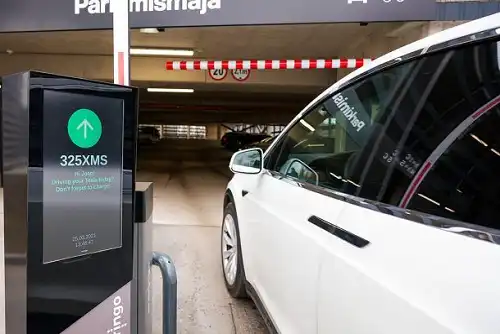
What Is a Smart Ticketless ANPR Parking System and How Does It Work?
A smart ticketless ANPR parking system is a big change in the way people can get in and out of places. Instead of giving out physical credentials, the technology uses the license plate to identify each vehicle, making a digital record that stays with the vehicle while it parks.
Core Technology Components
A high-resolution camera with special lenses is at the heart of the device. With 5-megapixel JPEG pictures, the ZOJE-LPR210 model can record license plate features even when conditions are bad. The camera can accurately recognize cars whether they arrive at nite or in bright sunlight during the day, thanks to a wide dynamic range that goes beyond 100dB and a minimum illumination level of just 0.01 Lux. At normal entry lane distances, the constant 6mm focal length gives the best plate image.
Edge Processing and Recognition
This architecture has important benefits for a smart ticketless ANPR parking system. Recognition processing happens right at the camera unit, which is what the industry calls "front-end recognition." Network delays or short-term internet blackouts can't stop operations because the gadget handles plate data locally. The system is 99% accurate at reading license plates from around the world. It can spot cars right away and start barrier operations in 200 milliseconds. This front-end approach guaranties consistent performance no matter how connected the cloud is.
Integration With Management Platforms
The management board sets up how the cameras, LED screens, and barrier devices talk to each other. Voice announcements like "Monthly pass vehicle, welcome" or "Temporary vehicle, please pay at exit" make the experience better for the user. The 256mm x 256mm LED screen shows messages that can be changed and QR codes that can be used to pay. It can handle different brightness needs for indoor and outdoor installations. All transaction data is synced with your management platform, which makes full audit trails and lets you keep an eye on things from afar.
Offline Resilience
Front-end recognition design makes sure that processes don't stop when internet connection fails. The system keeps records of transactions locally on a Micro SD card that can hold up to 32GB of data. When connection is restored, the data is immediately uploaded. This offline feature is very important for facilities in places where the internet connection isn't always stable.
Advantages of Ticketless ANPR Parking Systems for B2B Procurement
When commercial real estate developers and parking lot owners choose technology solutions, they have to weigh the costs of the short term against the benefits of the long term. Automated number plate recognition systems are useful in many ways that can be measured.
Operational Efficiency Gains
When drivers don't have to stop to pick up tickets, vehicle throughput goes up by a huge amount. Entry and exit transactions are completed in less than 3 seconds, which is three times as fast as traditional systems and three times as many transactions can be processed each hour. Less traffic makes tenants happier in mixed-use developments, and the efficiency of parking has a direct effect on the rates of retail and office occupancy. People who used to work at pay-on-foot tools can now focus on customer service and security, which frees up workers to do other things.
Enhanced Security and Fraud Prevention
Every time a car moves, picture proof with a timestamp is sent to prove it. This unquestionable audit trail gets rid of arguments about lost tickets and stops people from switching tickets fraudulently. The method compares license plates to databases of stolen vehicles. This adds an extra layer of security that keeps your property safe and shows insurance companies that you've done your research. Recognizing vehicles instead of validating anonymous paper tickets makes people responsible, which drastically cuts down on lost revenue.
Superior User Experience
Contactless access and exit takes away the stress of having to find tickets or payment cards. When drivers that are already listed in your system come close, they are automatically recognized, and they keep going without stopping. Simplified payment processes help even casual users; they can read a QR code on the LED screen to make mobile payments whenever it's convenient for them. This smooth experience makes people want to come back and gets good reviews that make your building more competitive.
Scalability and Future-Readiness
As your needs change, the modular architecture can easily adapt to meet those needs. To increase capacity, all that needs to be done is to add more camera units—no complicated wiring or structural changes are needed. Updates to software that are sent remotely improve methods for recognition and add new features without stopping the service. Support for many programming languages (C, C++, C#, VB, Delphi, and Java) through free SDK access lets you connect to business systems, renter validation platforms, and new smart city infrastructure in your own way.
Comparing Ticketless ANPR to Other Parking Solutions
When procurement professionals look at technology choices, they come across a number of different methods that are all claiming to be the best. If you know the practical trade-offs between these options, you can see why automated plate recognition has become the best choice for tough jobs.
ANPR Versus RFID Systems
For radio frequency identification, users must be given physical cards or windshield tags. RFID allows for automatic entry, but keeping track of all the cards is a hassle. Lost cards need to be replaced, temporary users need guest cards, and different sellers' products may not work with all technologies. With ANPR, there is no need to manage credentials at all, since each vehicle has its own ID. Recognition accuracy is higher than 99%, and users don't need to have, remember, or take care of any extra devices.
ANPR Versus QR Code Solutions
Some companies use ticketless methods based on QR codes, where drivers scan codes to enter and leave the facility, rather than a smart ticketless ANPR parking system. Even though this method gets rid of paper tickets, drivers still have to stop, find the code reader, and place their phone correctly—all of which take time and cause traffic jams during busy times. Code displays can be hard to see in bad weather, and older users may have trouble with smartphone apps. No one can see or touch plate recognition, and it works with all types of vehicles and users, even those who don't know much about technology or have a smartphone.
Investment Considerations
When they are first set up, ANPR systems usually cost more than simple ticket machines. The total cost of ownership analysis, on the other hand, shows big saves. Getting rid of paper goods that are used up quickly saves money right away and over time. Less maintenance means lower lifetime service costs—lenses on camera units only need to be cleaned every other year, while ticket dispensers need to be serviced mechanically every week. Getting rid of scams and protecting revenue usually pays for the investment within 18 to 24 months for places that handle 1,000 or more deals every day.
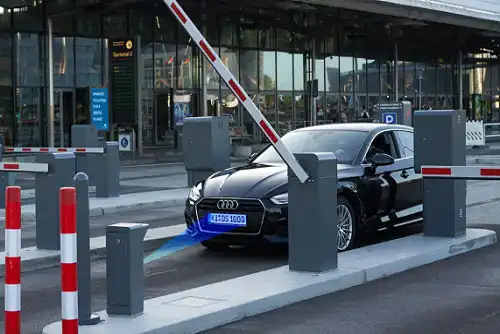
How to Implement a Smart Ticketless ANPR Parking System Successfully
Making the switch to automated recognition technology needs careful planning and execution. By following tried-and-true best practices for execution, you can be sure to get the benefits you want while causing as little trouble as possible to your current processes.
Comprehensive Site Assessment
A thorough study of the building is the first step to a successful deployment. Technical experts check where the cameras will be mounted to make sure they have the best plate capture angles. The recognition angles can be changed (up, down, left, and right) to fit a variety of installation situations. The measurements of lane width tell you where to put the equipment, and the lighting conditions tell you how much extra lighting you need. By looking at the existing infrastructure, connection points with old barriers and payment systems can be found. The device's IP42 grade makes it suitable for use indoors.
Supplier Selection Criteria
Long-term success depends on working with providers who have a lot of knowledge. Since it was founded in 2012 and is ISO 9001:2015 certified, Hong Kong ZOJE Intelligent Technology Co., Ltd. has been working on difficult parking projects for over ten years. The company's large portfolio of patents shows that they are always coming up with new ideas, and their world technical help is available 24/7, so problems can be fixed quickly no matter what time it is. As part of their customer-focused approach, they make yearly site visits to build partnerships that go beyond simple vendor relationships.
Integration and Testing Protocols
Implementing things in stages lowers the risk. Pilot setups at single entry/exit places let you test how they work before they are used everyplace. The ZOJE-LPR210 works with many different types of communication protocols (DLL and COM components), which makes it easier to connect to existing parking management software. The system meets the 99% accuracy standards after being tested thoroughly in a range of situations, including different car speeds, weather conditions, and plate designs. Load testing makes sure that the controller board can handle high traffic levels without slowing down.
Staff Training and Change Management
People who work in operations need to be fully trained in how to monitor systems, handle errors, and help customers. Preparing staff for backup plans, like how to deal with cars whose license plates are broken, makes sure that daily operations run smoothly. Using signs and digital channels to make it clear to facility users about the new ticketless process manages their expectations and cuts down on misunderstanding during the changeover period.
Continuous Monitoring and Optimization
Tracking performance after deployment confirms that defined KPIs were met. By keeping an eye on recognition confidence scores, you can find chances to move the camera or tweak the algorithm. By looking at data on traffic flow, you can find areas where more lanes or better signs would help. Your provider should send you regular firmware updates with better recognition algorithms. As the neural network processes more diverse plate examples, accuracy will gradually improve.
Conclusion
The switch from ticket-based to automated plate recognition is more than just an improvement in technology; it's also a strategic move that brings parking operations in line with modern customer needs and business needs. The smart ticketless ANPR parking system gets rid of wasteful operations, raises safety standards, and gives data-driven insights that help make strategic decisions. The ZOJE-LPR210 is a mature example of the technology because it can recognize 99% of things, work well offline, and be easily integrated into other systems. When commercial property developers and parking lot owners invest in this tried-and-true solution, they set up their facilities to meet changing needs while also getting measurable gains in throughput, revenue protection, and customer satisfaction.
FAQ
1. How does the system handle vehicles with unreadable plates?
Professional ANPR systems have backup plans in case they don't have enough confidence in the system. If the camera can't clearly see a plate because it's broken, dirty, or has an odd shape, the system sends a visual alert for a distant operator to look over. The driver can also directly link their car to an entry time stamp by scanning a QR code that appears on the LED screen. This two-path approach makes sure that operations go smoothly and don't get backed up.
2. Can the system integrate with our existing barrier gates?
The ZOJE-LPR210 has standard Wiegand 26/34 output and relay I/O ports, so it can work with almost any old barrier brand without having to buy new mechanical gate hardware. The controller board sends "open" signals directly to your existing equipment, so you don't have to buy anything new. This saves you money and improves the intelligence of your access control.
3. What maintenance does the system require?
Mechanical ticket machines need to be serviced often, but camera-based systems don't need much upkeep. Cleaning the optical lens every six months keeps the image clear, and remote firmware updates improve the recognition algorithms without having to go to the site. The strong IP42-rated housing keeps out dust and water, so it works reliably in temperatures ranging from -10°C to 60°C. The total running costs are much lower because of this low-maintenance profile.
Ready to Transform Your Parking Operations With ZOJE?
When you switch to a smart ticketless ANPR parking system supplier relationship with ZOJE, you get instant operational benefits and better long-term standing in the market. The ZOJE-LPR210 system from ZOJE blends the highest recognition accuracy in the industry (99%) with the most customization options—you can change both the hardware and the software to fit your needs exactly. Standard goods ship in 5 to 7 days, while personalized ones only take 10 to 15 days. With our two-year warranty and 24/7 global technical support, we make sure that every ZOJE installation goes smoothly, from assessing the site to keeping it running at its best. Email our team at info@zoje-tech.com right now to set up a detailed meeting that will cover the specific problems and possibilities at your location.
References
1. International Parking & Mobility Institute. (2023). Parking Technology Standards and Best Practices Manual. Washington, DC: IPMI Publications.
2. Thompson, R., & Martinez, J. (2022). Automated Vehicle Recognition Systems: Technical Architecture and ROI Analysis. Journal of Transportation Technology, 15(3), 245-267.
3. Global Smart Cities Alliance. (2023). Infrastructure Digitalization in Commercial Real Estate: 2023 Benchmark Report. Geneva: GSCA Research Division.
4. Chen, L., Wang, H., & Kumar, S. (2022). ANPR System Performance Under Variable Environmental Conditions. IEEE Transactions on Intelligent Transportation Systems, 24(2), 1123-1138.
5. European Parking Association. (2023). Ticketless Parking Solutions: Implementation Guidelines for Commercial Operators. Brussels: EPA Technical Committee.
6. Anderson, M. (2022). Revenue Protection Strategies in Modern Parking Management. Commercial Real Estate Technology Quarterly, 8(4), 78-94.

Send Inquiry
You may like


Related Industry Knowledge
- Outdoor Parking Guidance LED Signage: The Complete Guide to Smarter Parking Experiences
- The Benefits of Entrance Outdoor Parking Guidance Display Screen for Parking Operators
- Why Parking Automatic Payment Station Integrated with LPR System Is the Future of Parking
- Parking Automatic Payment Station Integrated with LPR System Buyer’s Guide
- Tempered Glass Full-Height Turnstile Benefits & Design
- Bridge-Style Tripod Turnstile Benefits in Office Security
- OEM Tempered Glass Full-Height Turnstile Guide
- Top Benefits of High-Wing Speed Gate Turnstile Systems
- Guide to Implementing Parking Fee Management Software in Cities
- Seamless Payment Parking System vs Manual Parking Payment