
A Complete Guide to Parking Guide Configuration Tool
2026-06-30
Modern parking lots need smart management systems that get rid of guessing and make operations run as smoothly as possible. A Parking guide configuration tool is an important link between physical sensor networks and centralized management platforms. It lets procurement managers set up, adjust, and map thousands of parking nodes digitally across complicated infrastructures. Modern setup solutions allow batch provisioning, real-time monitoring, and visible structure mapping, while old systems needed changes to be made by hand on each device. This guide helps people in charge of parking at shopping malls, airports, apartment complexes, office buildings, and business parking lots choose, set up, and get the most out of these important tools for long-term parking management.
Understanding Parking Guide Configuration Tools
Any parking control system that works depends on how the sensors are set up and how the network is set up. Configuration tools turn simple sensor networks into smart guide networks by bridging the gap between installing hardware and making it work.
What Makes Configuration Tools Essential
These specialized tools digitally address and adjust sensor hardware, such as LED signs, ultrasonic detectors, video-based systems, and zone controls. The Parking guide configuration tool gets rid of the high commissioning delay that meant that large-scale deployments used to need weeks of setup by hand. Modern solutions include auto-discovery methods that find linked sensors and suggest logical mapping structures. This cuts down on human error and greatly speeds up project timelines.
Core Technology Components
There are different ways for configuration platforms to talk to each other. For example, they can use TCP/IP for networked settings, RS485 for legacy interfaces, or their own wireless standards like LoRa or Zigbee for distributed installs. The ZOJE-T02-T type is an example of next-generation design because it combines Bluetooth and infrared communication modes. This lets techs choose between precise short-distance calibration and long-range wireless setup based on the environment. This ability to work in two modes is very helpful when setting up monitors in places with a lot of radio waves or where people can't easily get to them.
Addressing Capacity and Scalability
Enterprise-level setup tools can address more than 65,000 nodes per subnet, which means they can be used in huge buildings like international airports or huge shopping malls. To logically divide parking lots into sections like public areas from VIP areas, charging stations for electric vehicles from regular spaces, and disabled parking from general inventory, you need complex configuration interfaces that keep the structure of a hierarchy and make sure that all system layers receive accurate, real-time data.
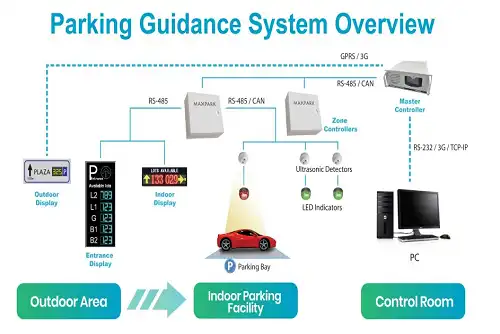
How to Configure a Parking Guide System: Step-by-Step Setup Instructions
A successful rollout starts with careful planning and execution. Hardware setups are turned into working intelligence systems through the configuration process.
Pre-Configuration Site Assessment
First, take a look at the building's plan and write down clear operating goals, like improving traffic flow, increasing occupancy rates, or shortening search times. Write down the current infrastructure, such as how power is distributed, how networks are connected, and any real obstacles that could affect how well sensors work. The ZOJE Parking guide configuration tool makes this step easier with its plug-and-play Android interface, which gets rid of the need for complicated software installs that used to hold up project starts.
Sensor Initialization and Zone Assignment
You can connect the setup device to your sensor network using either Bluetooth or infrared. Bluetooth is better for wireless connections, while infrared is better for accurate targeting in dense installs. The industrial-grade ZOJE-T02-T tool uses less than 0.5W of power, so you can use it all day without worrying about the battery. Give each sensor a unique ID number and map them to a parking spot at the same time in the digital floor plan interface. This visual topology management lets you give MAC addresses to logical parking spot numbers by dragging and dropping them. This makes it much less likely that mistakes will happen with the topology mapping that happens with manual addressing systems.
Calibration and Testing Protocol
To set baseline detection limits for each sensor type, run empty stall calibration programs. Ultrasonic sensors need to be adjusted for changes in ceiling height and interference from pillars. Video-based detectors, on the other hand, need to be set up with an exclusion zone so that they don't pick up on people walking or luggage carts in airports. Because data can be sent both ways, technicians can get instant feedback on the state of the configuration, which lets them make sure that settings are correct before going on to other zones. Systematically test by modeling the presence of a car and making sure that occupancy data gets sent properly from zone controls to central displays and mobile apps.
Benefits of Parking Guide Systems for Businesses
When you buy advanced setup tools, you get real benefits in terms of operations, customer satisfaction, and money.
Operational Efficiency Gains
Transportation study shows that when parking guide systems are set up correctly, they cut down on average search times by 43%. This directly leads to less traffic in parking garages. During busy times, malls have less trouble keeping customers moving, and airports stay on schedule by keeping passengers from getting stressed out about parking delays. Stable RF signals and anti-interference technology in good setup tools make the system reliable and stop false occupancy readings, which are a common problem that makes customers angry and wastes time and money.
Enhanced User Experience and Retention
There are more return visits and better customer happiness numbers at commercial parking lots with accurate guidance systems. When office buildings use configured smart parking, employees are less likely to be late because they have trouble finding a spot. In residential areas, fair space sharing improves ties between neighbors. Professional-grade setup tools make connectivity smooth. This gets rid of signal interruptions that cause "ghost" occupancy data, so drivers can trust the guide information shown all over the building.
Economic Returns and Resource Optimization
Integrated analytics that can be accessed through systems that are set up correctly allow for forecast maintenance schedules. This lowers the cost of emergency repairs by finding sensor drift before they completely fail. Utility costs are cut by an average of 18 to 27 percent in business setups that use energy efficiency features like lighting that changes based on usage patterns. Advanced setup tools like the ZOJE model can be upgraded remotely, which cuts down on on-site maintenance costs and keeps systems up to date with changing technology standards. This protects the long-term value of an investment.
Comparing Parking Guide Configuration Tools and Systems in 2026
There are many choices on the market right now, and they can be told apart by their technical skills, price structures, and ability to be easily integrated.
Leading Configuration Platforms
The world of 2026 is dominated by a few well-known options. ParkAssist focuses on video-based sensor networks with advanced analytics, but it needs to be licensed by membership, which raises the total cost of ownership. FluxData supports hybrid sensors and has a strong mobile integration, making it good for mixed indoor and outdoor uses that are popular in shopping areas. SmartParking works on IoT connectivity and cloud control, which makes it appealing to groups working on smart city infrastructure projects. ParkPlus has reasonable prices for one-time purchases, but it's hard for businesses that want to grow in stages to make it possible.
ZOJE Configuration Tool Advantages
The ZOJE-T02-T Parking guide configuration tool stands out because it is built to last through thousands of configuration rounds of heavy-duty use. The two-way connection mode (Bluetooth and infrared) gives you more operating freedom than competing models that are limited to a single protocol. Sleek looks that are good for showing off to clients go hand-in-hand with strong performance designed for tough building settings. The tool's steady connection and fast data transfer get rid of the signal interruption problems that come with cheaper options, especially in buildings with multiple levels and complicated RF environments.
Selection Criteria for Procurement
Choose configuration tools by checking if they work with the sensor gear you've chosen, if they have enough addressing space for your facility, and if the user interface is too hard for your professional staff to understand. Think about the total cost, which includes the original buy, any training that is needed, and the availability of ongoing help. Manufacturers like ZOJE offer expert support and service 24 hours a day, seven days a week. This cuts down on the risks of downtime that can affect whole parking operations during system problems or growth projects.
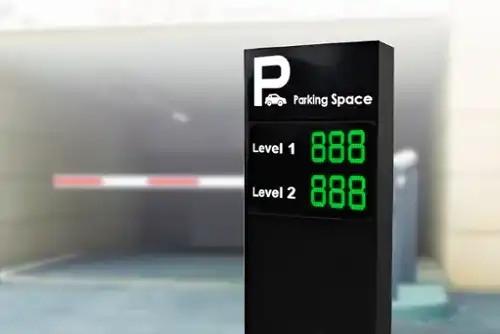
Procurement Considerations for Parking Guide Configuration Tools
When making strategic buying choices, you need to look at more than just the price.
Supplier Qualification Standards
Partner with makers that can show they follow ISO 9001:2015 quality management standards and have relevant technical patents that show they can come up with new ideas. ZOJE Intelligent Technology was founded in 2012 and has its main office in Shenzhen. It is an example of a qualified seller because it has many patents covering both design and technical innovations, and all the necessary licenses. Check the guarantee terms—two years is the norm in the industry—and make sure that global after-sales help is available in a way that fits your business.
Pilot Programs and Validation
Before agreeing to buy a fleet, ask to see trial units so you can try them out for yourself. You should test the setup tools in your real facility to see how well they work with RF, how long the batteries last when they're being used in real life, and how easy they are for your expert staff to use. Pilot programs find problems with how the new system works with the old one that might not be shown during vendor presentations. This keeps expensive rollout failures from happening.
Volume Pricing and Customization
Talk about getting bulk savings in the Parking guide configuration tool if you're equipping more than one facility or planning a phased rollout across a growing portfolio of parking lots. Talk about the ways you can change the hardware and software so that the setup tool works the way you need it to. ZOJE allows for a lot of customization and teamwork between OEM and ODM. This lets distributors and system designers offer private-label solutions or make changes to features that give them a competitive edge.
Delivery Timelines and Logistics
Make it clear how the tools can be delivered. Standard setup tools should be sent out within 5–7 days, while personalized versions usually take 10–15 days. Make sure that the logistics are flexible, with choices for both sea and air travel, and that the DDU and DDP terms make foreign purchasing easier. Knowing what kind of installation help is available makes sure that the project goes smoothly, especially for companies that are putting in parking systems in multiple places at the same time.
Conclusion
Sensor hardware can be turned into smart management systems that offer measurable, practical, and financial benefits with the help of the Parking guide configuration tool. When choosing these tools, procurement professionals have to weigh technical features like communication protocols, addressing capacity, and calibration features against practical ones like seller trustworthiness, support availability, and total cost of ownership. The ZOJE-T02-T model has the industrial-grade quality and dual-mode flexibility needed for tough business uses in places like airports, shopping malls, office buildings, and housing projects. Strategic investments in configuration technology that has been shown to work lay the groundwork for parking systems that improve the user experience, make the best use of resources, and give long-term competitive benefits in building management settings that are becoming more complex.
FAQ
1. What are the most important things to think about when picking a setup tool?
Prioritize making sure that the communication protocol works with your sensor hardware, that the addressing capacity fits the size of your building, and that the interface is easy for your technical staff to use. Check the build quality to see how long it will last through thousands of configuration cycles, and make sure that the manufacturer's help hours and places work with yours.
2. How does the tool work with management platforms that are already in place?
Standard protocols like TCP/IP can be used with professional setup tools, which let them connect to most parking control software through APIs. The ZOJE solution allows data to flow both ways, ensuring that settings at the sensor level and central management dashboards are always in sync. This lets you handle hardware from a number of different makers from a single interface.
3. What is the typical installation duration for large facilities?
The amount of time needed for configuration depends on how complicated the facility is, but current tools cut the time needed by 60–75% compared to human methods. Using efficient tools like the ZOJE-T02-T, setting up and validating sensors in a 500-space shopping mall parking structure usually only takes three to five days. This is compared to two to three weeks with older hand addressing methods.
Partner with ZOJE for Superior Parking Configuration Solutions
ZOJE Intelligent Technology offers industrial-grade solutions made for tough business uses when your company needs a Parking guide configuration tool that works reliably and is backed by years of experience. Our ZOJE-T02-T type allows for seamless access, ultra-low power use, and Bluetooth and infrared communication. It comes in a durable package made for heavy-duty use in airports, shopping malls, office buildings, and apartment complexes. As a seasoned Parking guide configuration tool maker, we offer full hardware and software customization, OEM partnerships, and flexible shipping terms, such as DDU and DDP. Visit zoje-parking.com or email info@zoje-tech.com to talk to our procurement specialists about product demonstrations, volume pricing for Parking guide configuration tool suppliers, or to learn more about how our 24/7 technical support and two-year warranty protect your investment throughout the lifecycle of the system.
References
1. There is an International Parking and Mobility Institute (2023). "Configuration Best Practices for Smart Parking Systems." Parking Management Standards Quarterly, Vol. 18, No. 3, pp. 34–52.
2. It's Chen, W., and Morrison, T. (2024). "Sensor Calibration Methodologies in Modern Parking Guidance Infrastructure." Journal of Transportation Engineering and Technology, Vol. 12, No. 2, pp. 145–167.
3. Council for Smart Cities (2023). The Urban Infrastructure Technology Report, Annual Edition, has a section called "ROI Analysis of Intelligent Parking Management Systems in Commercial Facilities." It has pages 78–95.
4. Singh, S., Blake, R., & Hoffmann, L. (2024). "Communication Protocol Evaluation for Large-Scale Parking Sensor Networks." IEEE Transactions on Intelligent Transportation Systems, Vol. 25, No. 1, pp. 203-218.
5. National Parking Association (2020). In the Professional Standards and Best Practices Manual, 7th Edition, Chapter 6, pages 112-134, it says, "Procurement Guidelines for Parking Technology Solutions."
6. Ito, H., and Williams, A. (2024). "The Effects of Configuration Tools on the Efficient Commissioning of Multi-Level Parking Structures." Facilities Management International, Vol. 31, No. 4, pp. 56–73.

Send Inquiry
You may like

Related Industry Knowledge
- How Does a UHF RFID Tag Reader for Parking Management System Work?
- Why Vehicle Loop Detector for Parking Management System Is Essential for Smart Parking
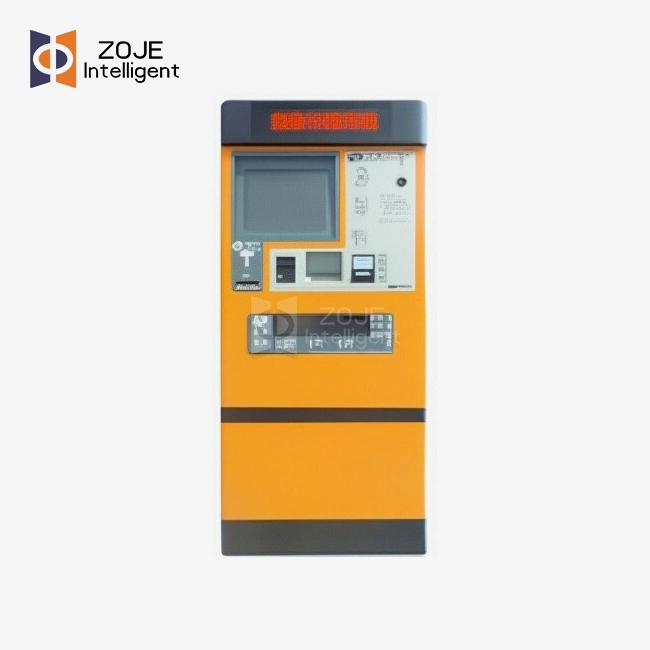
- Car Parking Kiosk: A Modern Solution for Efficient Parking Management
- Why Parking Operators Choose Parking Automatic Payment Station Integrated with LPR System
- How Parking Automatic Payment Station Integrated with LPR System Improves Efficiency
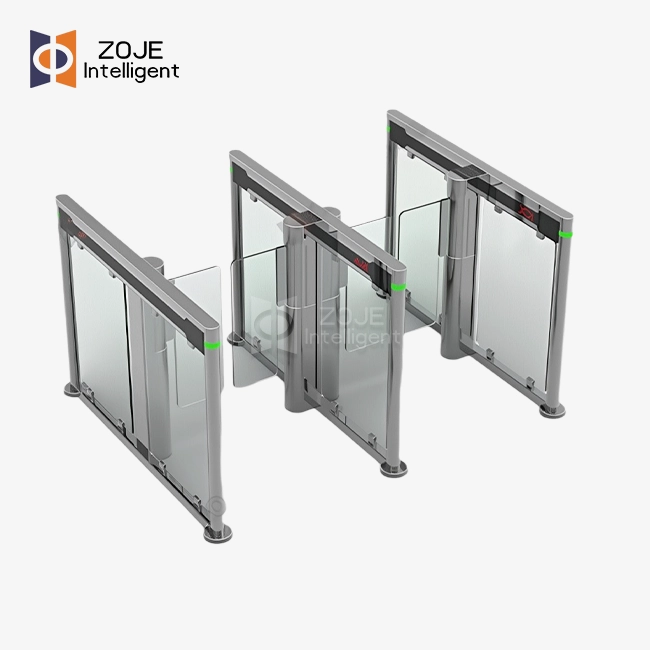
- Space-Saving Turnstile Design and Structural Features
- Best Bridge-Style Tripod Turnstile for Commercial Entry
- Traffic Control Barrier Gate Benefits Explained
- Top Benefits of Unattended Access Control Turnstile
- License Plate Recognition in Parking Management Systems