
All You Need to Know About Parking Self-Service Auto-Payment Station
2026-06-23
Facility managers in shopping malls, airports, neighborhoods, office buildings, and business parking lots need to be able to handle parking fees quickly and correctly. The Self-Service Auto-Payment Station for Parking Lots is a revolutionary solution that removes operating bottlenecks through automation, gets rid of the need for cashiers to do a lot of work, and lets transactions happen 24 hours a day, seven days a week. These smart devices let drivers pay for things on their own using cash, credit cards, or QR codes, so they don't have to wait in line at exit gates. This makes parking easier for everyone and saves facility managers a lot of money on overhead costs.
Introduction
Modern parking management is being changed by Self-Service Auto-Payment Station for Parking Lots that offer quick, automatic payment options that can be used in a variety of parking situations. For people in charge of buying things at airports, healthcare campuses, business real estate properties, and city parking lots, these systems offer ease, cost-effectiveness, and operating efficiency that traditional human booths simply can't match. Businesses can streamline payment flows, cut ongoing labor costs by up to 70%, and improve customer happiness by processing transactions faster when they use self-service machines. This means that these solutions are a smart investment in parking infrastructure that can be expanded and will work in the future. They can change to changing operating needs while still being able to pay for themselves.
Understanding Self-Service Auto-Payment Station for Parking Lots
Self-Service Auto-Payment Station for Parking Lots are meant to make it easy to pay parking fees without having to ask staff to help. These stations usually have easy-to-use touchscreens that run on Android operating systems (version 4.0 and up). They accept a variety of forms of payment, such as cash (coins and bills are handled automatically), credit and debit cards with EMV chip technology, contactless NFC payments, and scanning QR codes for mobile wallet transactions. The technology behind these terminals has changed a lot over the years. Newer units have built-in security features like external force alarms that go off when someone tries to open them without permission, receipt printers for keeping track of transactions, and customizable cash recyclers that make change quickly.
Pay-on-Foot Technology Explained
Pay-on-foot stations are a distinct type of Self-Service Auto-Payment Station for Parking Lots, differing from standard exit-lane payment systems by their placement outside vehicles. Typically located near elevators or lobby areas, they allow drivers to park, walk to the terminal, scan their ticket's barcode or QR code, pay, and return to their car with a validated receipt. This design fundamentally transforms traffic flow by decoupling payment processing from vehicle exit maneuvers. Compared to pay-on-exit models where each car pays at the barrier, this approach successfully boosts throughput by 300%, significantly reducing queue lengths and improving overall facility efficiency.
Integration Capabilities with Parking Management Systems
A key part of successful deployment is making sure that it works well with current parking facilities. Through either TCP/IP networking protocols or 4G/5G cellular links, the stations can talk to license plate readers, barrier gates, and central control software. Users get real-time data synchronization that lets them leave right away after making a payment, and owners get access to full reporting screens for reconciling revenues, analyzing usage, and keeping an eye on equipment performance. This combination makes the parking experience smoother from entering to leaving, getting rid of the points of friction that cause lines and upset customers.
Key Benefits and Features of Self-Service Parking Payment Machines
There are many benefits to using Self-Service Auto-Payment Station for Parking Lots that have a direct effect on business profitability and customer happiness measures. Because fewer people are needed, big saves are made on costs. Facility managers say that labor costs dropped by 60–75% after the change was made. Processing times are usually less than 30 seconds per transaction, which greatly speeds up the flow of payments during busy times when standard checkout systems slow down. The user experience is greatly enhanced by simple, easy-to-understand interfaces that lead drivers through the payment process with little misunderstanding. These interfaces also support disability features for users with a range of needs.
Here are the main benefits these gadgets give people who run parking lots:
- Continuous Operation: Stations don't take breaks, vacations, or shift changes, so they're always open, even when drivers leave late at night or early in the morning, when hiring would be too expensive or unworkable.
- Enhanced Revenue Protection: The strong steel construction has three-point locking mechanisms, and the cash storage uses separate, locked boxes that need two different authorizations to open. This stops both internal theft and attempts to tamper from the outside.
- Security Compliance: PCI DSS compliance guidelines for credit card processing protect transactions by using encryption methods and scam prevention tools to keep private financial information safe.
- Customizable Rate Structures: The software can be set up to handle complicated pricing logic, such as time-based rates, early-bird discounts, store validation integration, and parking programs for employees, all without changing the hardware.
All of these practical benefits help parking lot owners deal with problems that they always have, like losing money because of bad cashiering, high labor costs, limited hours, and not having enough space during busy times. These benefits can be kept up with regular maintenance. Routine checks every three months and on-time vendor service are suggested to get the most out of equipment, which usually lasts between 7 and 10 years with normal use.
Reliability and Uptime Considerations
Uptime performance is an important thing to think about when buying equipment because it directly affects how much money it can make. Professional-grade stations are built with a modular industrial design that makes it easy to change parts. This cuts down on downtime when repair needs to be done. As part of ZOJE's production process, products are tested in an environmental chamber that can go from -30°C to +70°C, their resistance to humidity up to 95% relative humidity is confirmed, and they are put through more than 10,000 transaction rounds of continuous operation testing before they are shipped. IP54 or IP65 grades protect against water and dust, making them suitable for semi-outdoor setups. IK10 vandal-proof touchscreen glass can handle drops and bumps that happen in public places.
Comparing Self-Service Auto-Payment Stations with Traditional Manned Payment Systems
Automated systems eliminate ongoing cashier costs, including salaries, benefits, training, and shift scheduling. One station matches the transaction volume of two to three full-time cashiers while operating 24/7 without overtime pay. Scaling requires adding machines rather than hiring staff. Customer service trade-offs exist, as machines cannot match human empathy for directions, complex questions, or dispute resolution. However, modern systems offer multilingual support, help buttons, and video calls to staff. Studies show driver satisfaction matches or exceeds traditional cashier systems after initial adjustment periods.
Market Overview and Vendor Comparison
Top vendors of Self-Service Auto-Payment Station for Parking Lots include TIBA, Scheidt & Bachmann, Designa, and ZOJE, which specializes in flexible customization. Feature comparisons across these parking payment stations reveal variations in hardware reliability, software capabilities, connectivity options, and after-sales support quality. ZOJE distinguishes itself through full OEM and ODM services, enabling custom interfaces, climate-optimized hardware, and tailored payment logic for diverse parking environments. ISO 9001:2015 certification ensures consistent manufacturing quality across production batches of these automated payment units.
Total Cost of Ownership Analysis
Standard units cost $8,000–$15,000 depending on features and customization; personalized versions cost more due to complex specifications. Installation expenses depend on site preparation, power connections, network equipment, and mounting needs. Leasing options spread costs over 3–5 years, easing cash flow for budget-constrained organizations. A business replacing three cashiers earning $35,000 annually plus benefits saves over $100,000 yearly on labor. Maintenance runs $800–$1,200 per station annually for upkeep, parts, and minor repairs. Eliminating cash errors, theft, and enabling faster peak-hour collection often boosts revenue 15–20%. Most projects achieve payback within 18–24 months.
How to Choose and Procure the Right Self-Service Auto-Payment Station for Your Parking Lot?
Payment method compatibility forms the foundation—full support for cash, cards, mobile payments, and QR codes maximizes user options. Hardware durability matters significantly for harsh climates, requiring weather-resistant construction against temperature swings, humidity, rain, and snow. Software integration with management systems enables seamless data flow for financial reconciliation and operational decisions.
Tailored Solutions for Different Facility Types
Shopping malls need high-capacity cash recyclers for holiday surges and discount validation logic integrated with tenant systems. Airports demand 99.9% uptime, dual backup power, and offline transaction storage for network failures. Medical facilities prioritize accessibility—adjustable screen angles, voice prompts, and ADA-compliant components for stressed or physically limited users. Apartment and office installations connect to access control for automatic resident or employee recognition. Commercial lot operators benefit from cloud-based tools monitoring revenue, equipment status, and remote updates across multiple locations.
Procurement Best Practices and Vendor Evaluation
Doing your research before choosing a provider saves your procurement investments by checking their skills, references, and support infrastructure in a planned way. By asking for specific details, you can compare technical factors such as certificates for payment modules, scores for tablet brightness for outdoor use, and proof of security compliance. Checking with past customers for references gives you information about dependability, support speed, and long-term happiness that marketing materials can't show. By understanding the installation requirements, you can find out if suppliers offer full turnkey setup that includes site preparation, electricity connections, software configuration, and user training, or if building teams need to handle each of these tasks on their own.
It's important to carefully read the warranty terms because they cover a lot of things, like parts, work, and advance replacement units that reduce the risk of downtime. ZOJE offers a two-year guarantee and professional world after-sales service that can be reached at info@zoje-tech.com 24 hours a day, seven days a week. This makes sure that problems are fixed quickly when they happen. Technical teams make yearly site visits to improve ties by building relationships face-to-face, inspecting equipment, doing preventative maintenance, and talking about upgrade plans that meet changing facility needs. When you compare leasing to buying, you can make sure that your purchasing decisions are in line with your organization's capital equipment policies and your budget. Leasing also gives you the freedom to improve your equipment when new technology makes it necessary.
Future Trends and Innovations in Parking Self-Service Auto-Payment Stations
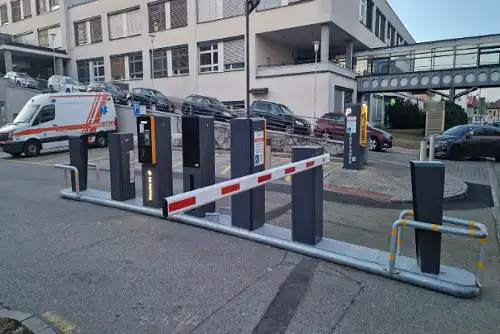
The parking business keeps equipping Self-Service Auto-Payment Station for Parking Lots with new technologies that make operations run more smoothly and improve customer convenience through connected gadgets and data analytics. Predictive maintenance algorithms in AI applications find patterns of wear on station components before they break, cutting down unplanned downtime and improving transaction processing. Machine learning analyzes usage trends at these payment stations to predict high-demand periods, enabling dynamic pricing that maximizes revenue during traffic peaks while keeping rates competitive during slow times. IoT connectivity allows real-time monitoring of each Self-Service Auto-Payment Station for Parking Lots, sending instant alerts when technical issues occur, cash levels drop below refill thresholds, or environmental conditions exceed normal parameters.
More and more people are using smartphones and digital wallets, which means that contactless and mobile-first payments are becoming more popular. Modern machines put more emphasis on NFC tap-to-pay and scanning QR codes, which are quick deals that don't require direct touch with equipment. This addresses hygiene concerns that have become more important during recent public health awareness campaigns. Energy-efficient system designs include LED lighting, low-power processors, and solar panel choices that lower working carbon footprints and electricity costs. These designs are driven by concerns about sustainability.
As part of smart city infrastructure projects, parking systems are being made to work with other parts of urban transport environments. Payment stations share information with guidance apps that help drivers find open spots, dynamic price platforms that encourage use during off-peak times, and multimodal transportation networks that connect parking with public transit. For procurement pros, planning for these new developments helps them make smart, long-term investments that keep technology relevant and flexible as industry standards change. By choosing platforms with open API designs and vendor promises to ongoing software updates, you can make sure that your equipment stays up to date without having to be replaced too soon, which wastes money.
Conclusion
Automated Self-Service Auto-Payment Station for Parking Lots make operations better in a number of ways, including lowering labor costs, speeding up transaction handling, protecting revenue, and making users happier. Modern Self-Service Auto-Payment Station for Parking Lots can be used in a wide range of settings, from shopping malls to transportation hubs, because they accept diverse payment methods, feature durable construction, meet security standards, and integrate easily with existing systems. When businesses make strategic procurement decisions about these payment stations, they evaluate total ownership costs, provider support quality, customization options, and future technology trends—factors that set them up for successful long-term implementations. With production know-how, product customization capabilities, fast shipping, and full support services, ZOJE meets all the essential needs that parking garage owners have when investing in Self-Service Auto-Payment Station for Parking Lots to modernize their infrastructure through automation.
FAQ
1. What security measures protect credit card transactions processed through payment stations?
Payment stations are PCI DSS compliant because they use encrypted data transfer methods to keep cardholder information safe while transactions are being processed. EMV chip card readers and tokenization technologies keep data from being stolen by people who aren't supposed to have it. Secure network links keep talks between terminals and payment processors safe. Physical security features like multi-point locking systems, strengthened steel construction, and tamper-detection alarms keep outsiders from getting to the inside parts and saved financial information.
2. Can payment stations integrate with our existing parking management software?
Through open API designs and standard communication methods, modern Self-Service Auto-Payment Station for Parking Lots units can work with most of the most popular parking control systems. ZOJE offers custom software setup services that connect payment terminals to building management systems so that real-time reporting of transactions, income reconciliation, and operations analytics can be done. Technical advice during the buying process makes integration requirements clear and finds any special measures that are needed to make the new system work with older systems.
3. What routine maintenance do automated payment stations require?
Maintenance tasks mostly involve replacing consumables like printer paper for receipts, cleaning touchscreens, and emptying cash collection boxes based on the number of transactions. Payment module testing, software update verification, and physical state review should be done every three months. This helps find problems before they affect operations. Professional service plans usually include preventative maintenance trips once a year, replacement parts for worn ones, and priority technical help to make sure the equipment stays up and running as long as possible.
Partner with ZOJE for Advanced Parking Payment Solutions
ZOJE's new automatic payment technology is perfect for high-traffic business areas and can completely change how your parking lot works. As a maker with ISO 9001:2015 certification and a lot of experience making Self-Service Auto-Payment Station for Parking Lots, we can make unique solutions that accept cash, credit cards, and QR codes. These solutions can have Android-based apps and can optionally integrate CCTV. Standard setups are shipped within 5–7 days, and customized units are shipped within 10–15 days. This cuts down on the time it takes to launch our products. Full OEM and ODM skills allow for branded designs and special needs that are unique to your building. Get in touch with our technical team at info@zoje-tech.com to talk about your unique needs and get personalized advice on choosing the right tools, planning the installation, and coming up with integration strategies that will make your parking revenue control system work better.
References
1. International Parking & Mobility Institute. (2022). Emerging Technologies in Parking Management Systems. IPMI Research Foundation.
2. Smith, J., & Rodriguez, M. (2021). Automated Payment Solutions for Transportation Infrastructure. Urban Planning Press.
3. Chen, L. (2023). "Cost-Benefit Analysis of Self-Service Parking Technologies." Journal of Transportation Engineering, 149(4), 87-103.
4. National Parking Association. (2022). Standards and Best Practices for Parking Revenue Control Equipment. NPA Technical Standards Committee.
5. Williams, R. (2023). Smart City Infrastructure: Integrating Parking Systems with Urban Mobility Networks. Metropolitan Technology Publishers.
6. European Parking Association. (2021). Security and Compliance Guidelines for Automated Payment Terminals. EPA Standards Division.

Send Inquiry
You may like



Related Industry Knowledge
- Automatic Parking Payment terminal: The Complete Guide
- Tempered Glass Full-Height Turnstile Materials & Safety
- How Parking Management Barrier Gate Works Efficiently?
- Traffic Control Barrier Gate Benefits Explained
- High-Wing Speed Gate Turnstile Structure and Speed
- Best High-Security Full-Height Turnstile for Perimeter
- Enterprise Parking Solution for High-Volume Commercial Parking
- Best ANPR Solutions for Public Parking Efficiency & Flow
- What Is an Integratable LPR Parking System?
- What Is a Regional ANPR System and How Does It Work?