
Compliance-ready and Regional ANPR System: Offline or Cloud?
2026-09-02
When choosing between offline and cloud deployment for license plate recognition, the answer depends on your regulatory environment and operational priorities. A compliance-ready and regional ANPR system designed with front-end processing capabilities offers the best of both worlds—meeting stringent data privacy requirements through offline operation while maintaining optional cloud connectivity for analytics. This approach addresses the critical pain point faced by European and North American integrators: ensuring GDPR compliance, avoiding data sovereignty violations, and maintaining uninterrupted performance regardless of network conditions.
Understanding Compliance-Ready and Regional ANPR Systems
What Defines a Compliance-Ready ANPR Solution
A truly compatible platform for recognizing vehicles uses Privacy by Design concepts all the way up to the hardware level. This means that the design of the system has features that reduce the amount of data that is stored, encrypted storage methods, and rules that can be set up to automatically get rid of old data. For example, systems used in all EU member states must show that they follow GDPR by having a documented data flow plan, the ability to handle consent when needed, and the ability to respond to data subject access requests within the time limits that are set.
Certifications like CE marking, FCC compliance, and RoHS compliance are good starting points, but more knowledgeable buyers look at more in-depth technical paperwork. Is role-based access control possible with this system? Can it make audit logs that can't be changed? These questions show if a seller knows about compliance issues or if they are just selling generic tools with vague regulatory promises.
Regional Adaptations That Matter for Accuracy
Professional-grade tools are different from consumer-level goods in terms of where they are used. Formats for license plates are very different. For example, German plates have different sizes and fonts than UK plates, and Arabic script recognition is needed for markets in the Middle East. A regional ANPR system uses localized OCR libraries that were trained on datasets specific to each state. This makes sure that the recognition engines can correctly handle blue EU plates, reflective North American tags, and special formats like foreign or temporary registrations.
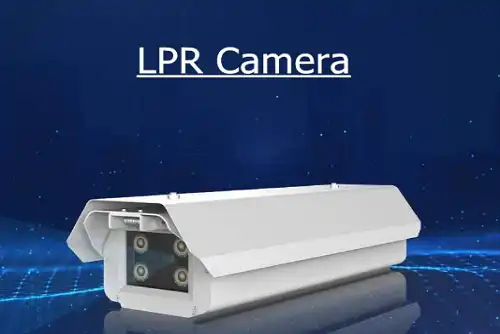
The ZOJE-LPRC101 HD all-in-one license plate reader shows this idea by being able to recognize license plates from all over the world with 99% accuracy across a wide range of plate syntaxes. The gadget has a special Hisilicon processor that is designed to do character recognition jobs well. It also has a 1/3" Progressive Scan CMOS camera that takes clear pictures even in 0.01 Lux lighting, which is important for overnight operations at entry points with no staff.
Offline Versus Cloud Architecture Fundamentals
The deployment model has a big effect on both compliance and operational characteristics. Offline systems do all of their processing at the edge device, where they store data locally on integrated SD cards (the ZOJE-LPRC101 supports up to 32GB) or send results directly to on-premises servers via RS485 serial interfaces or Ethernet connections. This architecture doesn't depend on the internet, so network latency doesn't slow things down and operations can continue when connectivity goes down.
Cloud-based options send images to remote servers to be processed and stored, which allows for centralized management across multiple installations. This model makes real-time analytics dashboards and software updates easier, but it also increases the risk of data transmission, which is against regulations that don't allow cross-border transfers of personal data. For example, many European government projects explicitly ban cloud storage unless the provider shows that they follow data residency guaranties and Standard Contractual Clauses.
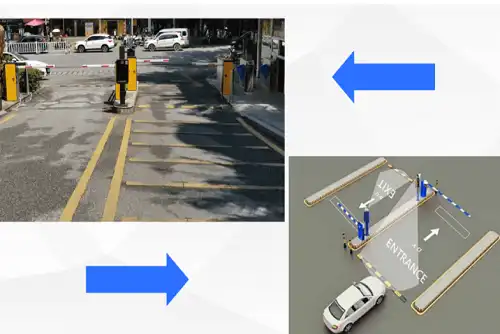
Comparing Offline and Cloud-Based Compliance-Ready Regional ANPR Solutions
Offline Systems: Data Control and Reliability
Front-end recognition platforms like the ZOJE-LPRC101 do all the work of identifying vehicles within the camera unit, so they don't need any backend software. This design choice has three strategic benefits: data never leaves the physical installation site, so it meets the strictest data localization requirements without having to negotiate complicated legal agreements; system performance stays the same no matter what the network conditions are; this is important for parking lots in places with unreliable connectivity or government installations with strict security protocols that don't allow internet-facing devices; and it makes it easier to keep track of all the networks that are connected.
The third benefit is that it is easy to use. Installations only need a power supply and a local network connection to connect the access control hardware. The ZOJE-LPRC101 works reliably in temperatures ranging from -35°C to +70°C and has IP65 environmental protection, so it can be left outside without worrying about the weather. It also doesn't need much maintenance because it only uses 7.5W and has 4KV surge protection to handle electrical disturbances that are common in industrial settings.
There are some problems with centralized visibility. If you can't connect to the cloud, you'll have to go to each site you want to monitor or set up a separate server infrastructure on-site. You can't analyze historical data without having enough space on your local computer and the time it takes to extract the data by hand.
Cloud-Based Models: Scalability and Intelligence
Cloud deployments are great for managing large installation networks that need centralized oversight. Centralized platforms collect data from hundreds of recognition points, which lets you look at traffic patterns, get alerts for preventative maintenance, and easily manage software versions. Machine learning models trained on pooled datasets get better at recognizing plates over time, especially for new vehicle models or plate conditions that aren't common.
Although this architecture makes compliance more difficult, sending data to cloud servers is considered processing and is subject to rules about encryption standards, data processor agreements, and breach notification procedures for a compliance-ready and regional ANPR system. Businesses must make sure that cloud providers offer data residency options in the right places and keep certifications like SOC 2 or ISO 27001, and internet connectivity becomes a single point of failure; bandwidth limits can cause traffic jams during peak times.
Performance Metrics in Real-World Conditions
Recognition accuracy in difficult conditions is what sets good systems apart from average ones. The ZOJE-LPRC101 maintains 99% plate recognition rates across vehicles traveling 0–40 km/h thanks to its 70-degree wide-angle coverage and ultra-wide 120dB dynamic range. This specification is very important when installations have to deal with mixed lighting, like morning sun glare changing to shadow, or nighttime conditions with intermittent vehicle headlights making exposure difficult.
The device's electronic shutter (1/25 to 1/30,000 seconds) stops motion blur that makes characters less clear, and adaptive image optimization changes settings in real time for front-lit and back-lit situations. These features go beyond simple OCR to include vehicle classification, which tells the difference between small cars, medium busses, and freight vehicles, allowing different access control or toll charging based on vehicle categories. Recognizing over 150 automotive logos and 1,500 models adds contextual data that is useful for security applications and parking analytics.
How to Choose the Right Deployment Mode for Your Business Needs
Assessing Regulatory and Compliance Requirements
First, make a list of the data protection laws that apply in the place where you do business. For example, projects in Europe must show that they are compliant with GDPR Article 25 (data protection by design), while some markets in the Middle East require data to be processed locally and not anywhere else. Next, look over the tender specifications to see what certifications are required. For example, some government contracts require CE marking, and airport installations may need extra testing for electromagnetic compatibility.
Find out how long data has to be kept by local laws or contracts. For example, systems that deal with police inquiries may need to keep data for a longer time, while parking management apps may only have to keep data for 24 to 48 hours. Offline systems with local storage make it easier to show that these rules are being followed than cloud platforms where data is stored by third-party processors.
Evaluating Operational Infrastructure and Connectivity
Check out the installation sites' current network infrastructure. Places with fiber connections and multiple internet circuits can reliably support cloud architectures, while remote facilities or underground parking structures with low bandwidth are better for offline processing. Think about your business continuity needs—if you need to keep letting vehicles in during network outages, front-end recognition becomes necessary instead of optional.
Check how much IT support your company has. Cloud platforms often come with managed services from vendors, which reduces the need for internal support but adds to ongoing operational costs. Offline systems need configuration know-how up front but not much ongoing IT support, especially with reliable hardware like the ZOJE-LPRC101 that doesn't need to be serviced for long periods of time.
Calculating Total Cost of Ownership
Over a five-year period, compare the costs of capital expenditure and operational expenditure. Offline systems have higher initial hardware costs but don't have to pay for cloud subscriptions or data transmissions. The ZOJE-LPRC101's low 7.5W power consumption keeps electricity costs low even in large installations, and its two-year warranty and 24/7 global technical support mean that project budgets don't need to include as much money for maintenance.
Cloud deployments move costs toward monthly fees that are more predictable, but these fees add up over time, especially when managing large camera networks. There are also hidden costs, such as bandwidth upgrades to support video streaming and possible data egress fees when extracting historical records for compliance audits. Licensing models vary—some vendors charge per camera, others by processed transactions—so it's important to carefully model against expected usage volumes.
Exploring Procurement Pathways for Compliance-Ready Regional ANPR Systems
Identifying Qualified ANPR System Suppliers
Reputable providers show they know how to comply by having certified quality management systems. For example, ISO 9001:2015 accreditation means that the company has set up processes to ensure consistent product quality. Look at the patent portfolios of the vendors; companies like ZOJE that have multiple technical and design patents show that they are investing in research and development rather than just reselling equipment. Look at the case study portfolios for projects that match your use case, especially when it comes to regional plate format support and regulatory environments.
Responding quickly to requests during the evaluation of procurement shows how good the operational partnerships are. Suppliers who offer detailed technical documentation, compliance certification packages, and sample data processing agreements make tender submissions go more smoothly. ZOJE's annual site visits to customers are an example of relationship-based service models that support long-term partnerships that go beyond just selling equipment.
Customization Capabilities and Integration Flexibility
Check to see if the suppliers are willing and able to change the hardware and software parts of your project for a compliance-ready and regional ANPR system. For example, the ZOJE-LPRC101 has a lot of configuration options, such as different lens configurations (6mm prime or 2.8-12mm electric zoom), a choice of video compression formats (H.264 profiles and MJPEG), and different image output resolutions (from CIF to 1080P). This lets you make the system work best with your installation space and bandwidth.
It's important to look for devices that have a lot of different ways to connect. For example, the ZOJE-LPRC101 has Ethernet (10/100M adaptive), RS485 serial communication, and configurable IO terminals (2-input/2-output) that let it work with gate barriers, traffic lights, and building management systems. System integrators can make their products stand out while still using proven recognition technology thanks to support for secondary development and OEM/ODM arrangements.
Delivery Timelines and After-Sales Support Structure
Project schedules require reliable delivery promises. ZOJE's standard product delivery within 5-7 days and customized solutions within 10-15 days meet the tight installation timelines that are common in government contracts. Check the warranty terms—full two-year coverage with global support channels protects against extended downtime. Check to see if vendors offer installation guidance documentation and remote troubleshooting to keep on-site service costs to a minimum.
Check to see if the suppliers you're considering offer flexible logistics arrangements that work with the way you buy things. DDP (Delivered Duty Paid) terms make it easier to clear customs and estimate costs for international projects, while DDU options help buyers who already have a system in place for importing save money.
Future Trends and Best Practices for Compliance-Ready Regional ANPR Systems
Edge Computing and Enhanced Privacy Protection
Newer systems have more and more neural processing units, which allow for advanced AI inference to happen directly in the camera hardware. This approach combines cloud-level intelligence with offline architecture benefits—advanced features like recognizing vehicle makes and models, analyzing driver behavior, and predicting maintenance can all happen locally without sending raw video offsite. Privacy is also protected by on-device data anonymization, which removes any information that could be used to identify a person before it is sent over the network.
New privacy laws, like California's CCPA and the evolving enforcement patterns of GDPR, stress the importance of minimizing data. Systems built around edge processing naturally meet these needs by processing only essential information and immediately getting rid of unnecessary imagery after extracting relevant metadata.
Hybrid Deployment Models for Operational Flexibility
A lot of forward-thinking companies use hybrid architectures that use both offline reliability and optional cloud connectivity. Devices work on their own using local processing and storage, and they sync with cloud platforms on a regular basis for centralized fleet management and aggregated analytics. This model keeps operations running even when connectivity goes down.
The ZOJE-LPRC101 is very flexible because it can work offline or connect to the cloud if needed. Installations can start out in pure offline mode to meet strict compliance requirements and then selectively turn on cloud features as regulations become clearer or when specific analytical needs justify the extra complexity.
Continuous Regulatory Monitoring and Vendor Collaboration
Data protection laws are always changing as governments try to keep up with new privacy concerns and technological advances. To stay in compliance, you need to keep an eye on how the laws change and talk to your suppliers about how to align your roadmap. Work with vendors who show they know how to comply by joining industry groups, helping to create standards, and being open about how to keep your certification.
This collaborative approach is made easier by ZOJE's customer-first philosophy, which is shown in their yearly on-site visits. Direct discussions about regulatory changes, new requirements, and planned product enhancements help procurement teams predict future needs instead of having to deal with compliance gaps when urgent retrofit situations arise.
Conclusion
You can choose between offline and cloud architectures for a compliance-ready and regional ANPR system based on your organization's regulatory requirements, operational constraints, and risk tolerance. Offline systems offer unmatched data sovereignty, operational reliability, and compliance simplicity—important benefits for government projects and installations in places with strict data localization requirements. Cloud platforms, on the other hand, offer centralized management and advanced analytics that work well with large, distributed networks that have reliable connectivity infrastructure. The ZOJE-LPRC101 is a mature front-end recognition solution that can recognize 99% of plates around the world accurately and can operate independently or as part of a larger network architecture. To make a good purchase decision, you should carefully consider the vendor's compliance expertise, customization options, and long-term support commitment.
FAQ
1. How do offline ANPR systems handle data compliance without cloud oversight?
Offline vehicle recognition platforms meet compliance standards by processing and storing data locally, which eliminates concerns about cross-border data transfer. Devices like the ZOJE-LPRC101 store captured information on built-in SD cards with configurable retention policies that delete data after certain periods of time, meeting data minimization requirements. The system creates audit logs locally, which provide records that can't have been changed for regulatory reviews without needing to be connected to the internet or have an agreement with a third-party data processor.
2. Can regional plate recognition accuracy match cloud-based systems?
Modern edge devices have recognition rates that are the same as or better than cloud architectures. The ZOJE-LPRC101 achieves 99% accuracy with dedicated Hisilicon recognition processors and localized OCR libraries optimized for specific geographic plate formats. Processing happens in 50 milliseconds, which is faster than cloud systems that need network transmission latency. It can handle lighting conditions that make cloud-based systems less accurate because they get compression artifacts during image transmission because of its wide dynamic range (120dB) and adaptive illumination.
3. What customization options exist for compliance-focused projects?
Manufacturers with a lot of experience, like ZOJE, offer a lot of ways to customize both hardware and software to meet specific compliance needs. For example, firmware can be changed to enforce specific data retention policies, access control protocols can be changed to fit the needs of each jurisdiction, and reporting formats can be changed to meet regulatory documentation standards. OEM and ODM agreements let system integrators rebrand solutions while using certified compliant hardware, which speeds up market entry for specialized applications that need to meet both technical and regulatory requirements.
Partner with a Trusted Compliance-Ready and Regional ANPR System Manufacturer
ZOJE specializes in delivering turnkey license plate recognition solutions engineered specifically for regulatory-intensive environments, offering a compliance-ready and regional ANPR system. Our ZOJE-LPRC101 front-end processor combines 99% recognition accuracy across worldwide plate formats with offline operation that satisfies the strictest data sovereignty requirements—eliminating GDPR compliance risks and cross-border data transfer complications that derail government procurement processes. As an ISO 9001:2015 certified manufacturer with comprehensive patent portfolios and global deployment experience, we offer complete hardware and software customization supporting OEM partnerships and project-specific adaptations. Our team provides 24/7 technical support and conducts annual customer site visits to ensure long-term success of your intelligent transportation and access control implementations. Contact our compliance specialists at info@zoje-tech.com to discuss your project requirements and receive detailed technical documentation demonstrating how our offline-capable, compliance-ready systems accelerate your procurement timeline while mitigating regulatory risks. Discover complete product specifications and integration capabilities at zoje-parking.com.
References
1. European Union Agency for Cybersecurity (ENISA). "Privacy and Data Protection in Intelligent Transport Systems." Technical Report on ITS Security Standards, 2023.
2. International Organization for Standardization. "ISO/IEC 15408: Common Criteria for Information Technology Security Evaluation." International Standard for Security Functional Requirements, 2022.
3. National Institute of Standards and Technology (NIST). "Framework for Improving Critical Infrastructure Cybersecurity: Automatic license plate recognition systems." Cybersecurity Framework Implementation Guidance, 2023.
4. Transportation Research Board. "Data Privacy and Security in Connected Vehicle Systems." NCHRP Research Report on Compliance Best Practices, 2023.
5. European Data Protection Board. "Guidelines on Video Surveillance and Automated Number Plate Recognition under GDPR." Official Regulatory Guidance Document, 2024.
6. Institute of Electrical and Electronics Engineers (IEEE). "Standards for Edge Computing in Intelligent Transportation Systems." IEEE 1609 Working Group Technical Specifications, 2023.

Send Inquiry
You may like

Related Industry Knowledge
- How to Choose Parking Exit Card and Ticket Validation Machine for High Traffic Areas
- What is a UHF RFID Tag Reader for Parking Management System?
- Parking Exit Card and Ticket Validation Machine Buyer’s Guide for Facility Managers
- Parking Guide Configuration Tool Features You Should Know Before Buying
- What Makes Automatic Pay Kiosk for Commercial Parking Projects Reliable?
- Why Parking Operators Choose Parking Automatic Payment Station Integrated with LPR System
- What Is Security Anti-Collsion Barrier? Key Features
- What Is Anti-Collision Flap Turnstile Gate? Working Principle
- How Straight Arm Barrier Gate Controls Traffic Flow?
- How High-Speed Access Control Turnstile Gate Works?