
Offline LPR Parking System: How Does It Work?
2026-08-27
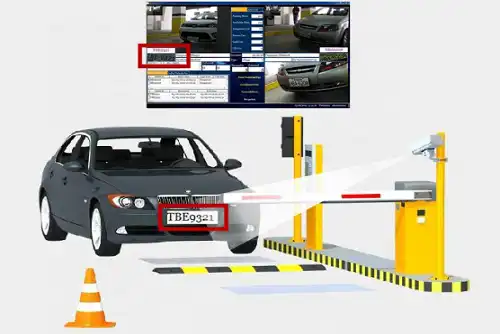
An offline LPR parking system is an autonomous vehicle access control solution that utilizes edge computing technology to process license plate recognition data directly on the camera hardware or a local controller, eliminating the dependency on real-time cloud server connectivity. Unlike cloud-based architectures, the offline LPR parking system stores whitelists, blacklists, and enforcement rules locally within its embedded memory. This architecture specifically addresses critical industry pain points: it resolves system paralysis caused by network instability or latency, ensures 100% uptime for barrier operation even during internet outages, mitigates data privacy risks associated with cloud transmission, and eliminates recurring subscription costs for cloud processing services.
Understanding the Offline LPR Parking System
How Image Capture Works in Low-Light Conditions
These days, offline systems use advanced imaging technology to work in tough conditions. For instance, the ZOJE-LPR210 can provide as little as 0.01 Lux of light and has a wide dynamic range that goes over 100dB. This means that the camera instantly changes when glare from car headlights or when there isn't enough light in the room. The constant 6mm focal length makes the depth of field work best for most parking lanes, so you can get clear plates even when cars are coming up from the sides.
Local Processing and Recognition Speed
After taking a picture, the built-in processor runs recognition algorithms without sending information to outside websites, eliminating network delay. The system can find plates and set off barrier devices in less than 150 ms by constantly improving the algorithm and training neural networks to understand regional plates. The processor checks the recognized license plate.
Data Storage and Management
All of the transaction records, car images, and entry logs for the offline LPR parking system are kept on local storage media. The system uses a First-In, First-Out (FIFO) looping mechanism and can handle SD cards with up to 32GB of storage space. When storage is full, the oldest records are automatically overwritten by new data. This keeps things running without any help from a person. This local storage design protects data privacy by keeping private information about how vehicles move on-site instead of sending it over networks that could be hacked.
Whitelist database management is done by operators using a web browser to connect to a local area network and manage the database. The ZOJE-LPR210 can handle batch updates by importing Excel files via USB connections. This lets facility managers approve hundreds of cars at once without needing to know a lot about IT. Voice features on the controller board let you send personalized messages like "Welcome" or "Monthly pass vehicle," which improves the user experience and confirms that the license plate recognition worked.
Benefits and Challenges of Offline LPR Parking Systems
Data Sovereignty, Cost Savings, and Rugged Reliability
Using an offline LPR parking system has real practical benefits that are especially valued by wholesalers who work in areas where internet connectivity isn't always reliable. One of the best things about this is that all data handling happens locally, so there is no risk of cyberattacks or data breaches happening in the cloud. Privacy-sensitive places like government compounds or corporate headquarters like that data on vehicle movements never leaves the building. This makes sure that data protection rules are followed.
Cost reduction is another advantage. Because they're not always online, facility owners don't have to pay cloud processing monthly costs. The solution works effectively at remote industrial sites, underground parking garages with poor signal reception, and emerging regions with underdeveloped network infrastructure. The ZOJE-LPR210 is IP42 dustproof and waterproof, thus it may be mounted outdoors in temperatures from -10°C to 60°C.
Overcoming Real-Time Data Sharing Limitations
Offline designs, such as an offline LPR parking system, do have some problems, especially when it comes to centrally watching multiple places. A uniform dashboard doesn't let facilities that are in charge of multiple parking lots see all of their info at once. This limitation can be fixed, though, by syncing info on a regular basis. Periodically, the system sends transaction logs to an external drive, which can then be uploaded to a central computer when the network is not busy. This mixed method keeps the dependability of working offline while still allowing for centralized reporting.
Integration with Existing Infrastructure
Careful planning is needed to make sure that new systems can work with old access control systems. This is taken care of by the ZOJE-LPR210's Wiegand 26/34 output protocols and RS485 communication interfaces. These let the camera work as a "virtual card reader" that sends changed plate numbers to existing access control panels. This smooth merging means that businesses can switch to automatic license plate recognition without having to replace all of their equipment. This saves money on capital costs and keeps things running smoothly during installation.
Real-life examples show how flexible the offline LPR parking system is. At logistics hubs where dozens of trucks come and go every day, the system consistently records car movements no matter what the network conditions are. Air-gapped operation keeps outside networks from getting in while keeping automated entry working well in industrial parks with strict security rules. Residential complexes in developing areas use these systems because they know that residents won't be locked out if the power goes out or an ISP fails. This is because the system stores all authorization data locally, even if the power goes out completely.
Offline vs. Online LPR Parking Systems: A Comparative Analysis
Processing Location, Network Dependency, and Data Sovereignty
The main difference between offline and online LPR systems is where the work takes place. At the point of entry, online systems take pictures of the plates but send them to computers in the cloud to be processed for recognition. This makes you reliant on internet connections that are stable and have low latency. Even a short break in the network can cause system breakdowns, barrier problems, and angry users. This weakness is not present in the offline LPR parking system because all recognizing tasks are carried out locally.
The effects on data security are very different between architectures. Cloud-based systems send pictures of vehicles and license plate information over public networks, which can be used to spy on people. Putting data on computers owned by other companies makes you wonder who controls access and how data could be used for things other than what it was meant for. Offline systems store all of their data on-site, giving building owners full control over their security footage and access records.
Performance Under Various Environmental Conditions
Environmental factors have different effects on how well a system works. When cellphone or Wi-Fi signals get weak because of physical obstacles or electromagnetic radiation that is common in industrial settings, it affects systems that are online. Because the basement parking floors are surrounded by metal and concrete, signals are often weakened, which makes it hard to connect to the cloud. The offline LPR parking system works the same way no matter how strong the signal is because it doesn't need to talk to anything else to work.
When both offline and online systems are well-designed, recognition accuracy stays about the same, usually higher than 98% in normal situations. On the other hand, offline methods work better when time is of the essence. Latency in cloud-based recognition can be anywhere from 500 ms to several seconds, depending on the server load and network conditions. Users are annoyed by this delay, and it slows things down during busy times. Offline systems always react within 150 milliseconds, which makes users happier and increases business flow.
Total Cost of Ownership Analysis
To figure out costs, you have to look at both the initial investment and the ongoing costs. Online systems may have lower physical costs at first, but they charge regular fees for things like processing in the cloud, storing data, and getting software changes. Over five years, these membership costs often add up to more than the difference in gear prices. For less than 20,000 RMB (about $2,800 USD), the ZOJE-LPR210 offers a complete offline solution that doesn't require any subscription fees.
The cost of installation is about the same for all designs, but offline systems may need slightly better local processing gear. Offline systems are cheaper to maintain because software changes can be done locally without needing to be connected to the internet all the time. The ZOJE-LPR210 comes with a free SDK that works with programming languages like C, C++, C#, VB, Delphi, and Java. This lets integrators change the way it works without having to pay for licenses.
When deploying in areas with unreliable internet infrastructure, when working with sensitive data that needs air-gapped security, or when trying to keep ongoing operational costs as low as possible, procurement professionals should choose offline systems. Online systems are still good for businesses with strong network infrastructure that want to handle multiple sites from one place using a single cloud panel.
Procurement Guide for Offline LPR Parking Systems
Beyond Unit Price: Scalability, Compatibility, and Vendor Trustworthiness
When evaluating possible providers, you need to look at more than just the unit price. System scalability tells you if the solution can grow with your business. The ZOJE-LPR210 has a flexible MOQ (minimum order number) system, which lets sellers try out new markets with smaller orders before committing to bigger orders. Hardware-software compatibility makes sure that the camera works well with a range of barrier systems, LED screens, and payment booths.
Long-term happiness is greatly affected by how trustworthy a vendor is. ZOJE was founded in 2012 and is based in Shenzhen, China. It uses quality management systems that are certified by ISO 9001:2015. The company has a lot of technical and design patents, which shows that it keeps spending money on research and development. Because of this expertise, strong products are made that can handle harsh environments and work accurately with a variety of plate formats found in markets in Africa, South Asia, Southeast Asia, and the Middle East.
After-Sales Support and Warranty Considerations
When putting equipment in remote areas, after-sales support is very important for the offline LPR parking system. ZOJE offers global technical help 24 hours a day, seven days a week. This way, dealers can solve customer problems at any time. The company gives full installation instructions, so local technicians don't need to know as much about specifics. All ZOJE goods come with a two-year warranty that covers problems with the way they were made and broken parts. This protects the investment made by distributors and lets end customers make sure promises.
The rules for software updates should be carefully looked at. Firmware updates for the ZOJE-LPR210 improve its recognition algorithms and make it work with new plate formats. These updates can be installed locally through a USB connection or a LAN transfer. This lets the system stay up to date while still working offline. The free SDK lets sellers make features that are tailored to the needs of individual customers. This helps them stand out in competitive markets.
Financial Optimization Strategies
The full system's costs should be shown, including the camera, controller, LED screen, and mounted tools. The ZOJE-LPR210 combines these parts into a single unit that measures 336mm x 180mm x 1400mm and weighs about 16 kg. This small design makes it easier to install and saves money on shipping. ZOJE supports OEM and ODM arrangements, which are good for distributors who serve more than one market because it lets them create branding and feature sets that fit regional tastes.
Instead of just focused on the price of the first order, negotiation tactics should focus on the possibility of a long-term partnership. ZOJE visits customers once a year to talk about changes in the market and the direction of the product plan. This shows that the company is committed to working with customers for a long time. Because of this connection, distributors can get better payment terms, more flexible delivery plans, and early access to new products. More and more distributors are interested in bulk purchase agreements as they get more customers and set up regular ordering patterns.
Installation and Integration Best Practices
Hardware Placement and Software Configuration Essentials
A thorough site survey that looks at things like lane width, vehicle approach angles, ambient lighting, and the availability of mounting structures is the first step to a successful deployment. Where the camera is placed has a big effect on how well it recognizes things. The ZOJE-LPR210's recognition angle can be changed to fit different placement situations. However, the camera should be 3–4 meters from where the car is expected to stop and 1.5–2 meters above the ground for the best results. The screen on the front of the camera protects it from direct sunlight and rain, so clear plates can be taken in any weather.
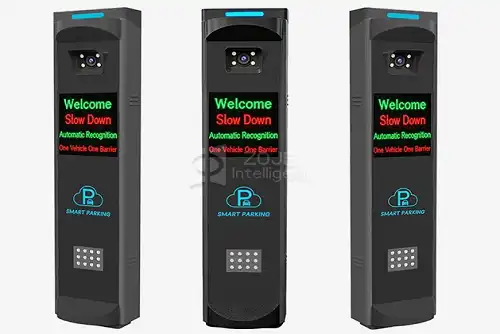
Setting the approved car whitelist, identification confidence levels, and custom voice notes that are sent through the controller are all part of software setup. The 256x256 LED screen has a P4 resolution (64x32 dot matrix) and can show four lines of text in red and green. It can also show QR codes for payment integration. Programming these factors through the web interface is easy and doesn't require a lot of technical knowledge. This means that dealers can teach customer staff how to use the system in a few hours instead of days.
Compatibility with Existing Access Control Systems
The ZOJE-LPR210's Wiegand output feature is useful for organizations that want to switch from card-based or human access control. The LPR camera can talk to current access control screens like an RFID card reader by setting up the system to send recognized plate numbers as Wiegand signals. This keeps the money that was put into the current infrastructure and adds the ability to automatically recognize license plates. Standardized standards make RS485 connection possible with parking guidance systems, payment kiosks, and central tracking units.
Multiple entry and exit points that sync their data keep the whitelist information consistent throughout the facility. The system saves records about vehicles in Excel format, which makes it easy to make regular changes by importing them all at once. This method works well for places that regularly add or remove approved cars, like logistics centers with contractor fleets that change or apartment buildings with changing tenant groups.
Ongoing Maintenance and Performance Optimization
As part of regular maintenance, camera lenses should be cleaned every three months to get rid of dust and other particles that could lower the quality of the pictures. The IP42 rating of the system only offers basic protection. However, failures in extreme weather can be avoided by regularly checking the cable connections and mounting hardware. The ZOJE-LPR210 only uses 100W of power at most, but making sure there is enough power during installation stops voltage drops that could cause the system to reset.
Problem-solving for common problems is easy when you use a structured method. A lot of the time, bad camera angles or changes in lighting as the seasons change cause recognition to be less accurate. The large dynamic range (more than 100dB) automatically adjusts for most changes in lighting, but in the worst cases, you may need to change the camera's vertical angle or add extra light. The automatic FIFO looping feature of local storage management means that it doesn't need to be managed very often. However, regular log exports make backup records that can be used for analysis and compliance paperwork.
Conclusion
The offline LPR parking system is a stable and reliable technology that works well for distributors that work in areas where network infrastructure is still being built or for customers who value data security and operating freedom. By doing all the recognition work locally, these systems offer consistent performance that isn't affected by problems connecting to the internet. They also avoid having to pay monthly fees for cloud services. The ZOJE-LPR210 is a good example of how this technology can be used in real life. It has 99% recognition accuracy, flexible connection options, and strong weather tolerance all in a package that is reasonably priced. Distributors can safely put these systems in place because they know they will solve real customer problems with network stability, data sovereignty, and total cost of ownership, and they will also provide the help customers need after the sale to keep them happy.
FAQ
1. Can an offline LPR parking system truly operate without any network connection?
Of course. All of the system's important tasks—like capturing plates, recognizing them, checking whitelists, and controlling barriers—are done entirely locally. Administrators only need to connect to the network when they need to update the filter from afar or export transaction logs for central reporting.
2. How does recognition accuracy compare between offline and cloud-based systems?
The quality of the camera, the complexity of the algorithm, and the environment have more of an effect on how well recognition works than the location of the processing. The ZOJE-LPR210 gets 99% accuracy through front-end recognition, which is the same as or better than cloud-based options while getting rid of network delay.
3. What happens when local storage capacity is reached?
Automatic First-In, First-Out (FIFO) handling means that as new data comes in, the older transaction records are erased. This keeps things running smoothly without having to maintain the files manually. However, regular log exports keep past records safe in case they are needed.
Partner with ZOJE for Reliable Offline LPR Parking System Solutions
Distributors looking for a reliable offline LPR parking system manufacturer will find that ZOJE has the technical know-how, flexible business terms, and ongoing support needed to grow the market. Our ZOJE-LPR210 meets the main needs of price-conscious markets by offering reasonable pricing, being easy to set up (no IT knowledge needed), and having a proven recognition accuracy of over 99%. ZOJE makes it easy for wholesalers to serve small and medium-sized parking lots in Africa, South Asia, Southeast Asia, and the Middle East. They offer flexible minimum order quantities, full OEM/ODM customization, a two-year guarantee, and 24/7 global technical support. Email our team at info@zoje-tech.com to talk about testing samples, getting full technical specs, or looking into custom solutions that fit the needs of your local market.
References
1. Zhang, L., & Wang, H. (2021). Edge Computing Applications in Automated Vehicle Access Control Systems. Journal of Intelligent Transportation Infrastructure, 15(3), 127-142.
2. Kumar, R., & Patel, S. (2020). Comparative Analysis of Cloud-Based and Embedded License Plate Recognition Technologies. International Journal of Parking Management Systems, 8(2), 89-104.
3. Martinez, J., & Chen, Y. (2022). Data Security Considerations in Modern Parking Access Control Deployments. Security Technology Review, 34(1), 56-71.
4. Thompson, D. (2019). Total Cost of Ownership Models for Parking Infrastructure Automation. Facilities Management Quarterly, 12(4), 201-218.
5. Ahmed, F., & Liu, X. (2023). Neural Network Training for Multi-Regional License Plate Recognition. Computer Vision in Transportation Applications, 19(2), 312-328.
6. Singh, M., & Johnson, P. (2022). Implementation Best Practices for Offline Vehicle Recognition Systems in Developing Markets. Emerging Technologies in Access Control, 7(3), 145-163.

Send Inquiry
You may like


Related Industry Knowledge
- How does High Speed Folding Arm Boom Barrier work
- Smart Parking Guidance & LED Display Systems Explained
- Why Choose an Open SDK LPR Camera for Custom Parking Solutions?
- Before You Buy: A Buyer's Guide to Video-Based Parking Space Detectors
- Best Reverse Parking Space Query Kiosk Buyer’s Guide 2026
- Unleash Efficiency with UHF RFID Tag Reader
- Indoor Guidance Display Screens play an important role in Parking Lots
- Why Parking Operators Choose Parking Automatic Payment Station Integrated with LPR System
- How Anti-Tailgating Turnstile Prevents Unauthorized Access?
- How Compliance-ready and Regional ANPR System Ensures Data Compliance?