
Parking Automatic Payment Station Integrated with LPR System for Commercial Projects
2026-06-25
There is more and more pressure on modern business parking lots to handle vehicles quickly while also cutting down on operational costs and income leaks. By mixing smart cameras that read license plates with self-service payment stations, a Parking automatic payment station Integrated with LPR System solves these problems and creates a ticketless, automated process. This technology changes how shopping malls, airports, office complexes, and residential communities handle vehicle access and billing. It improves throughput, accuracy, and customer satisfaction while allowing for 24/7 unattended operation in a variety of environments.
Understanding Parking Automatic Payment Stations with LPR Integration
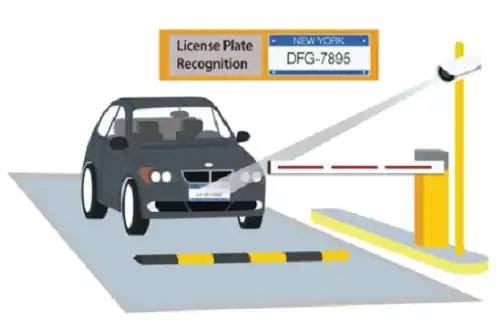
A Parking Automatic Payment Station Integrated with LPR System is made up of software and hardware parts that are all linked and work together in sync. At the entrance, high-definition optical cameras with modern image sensors with 2MP to 5MP quality take pictures of license plates. Wide dynamic range technology is used in these cameras to make up for bad lighting situations like headlight glare at night and harsh shadows in the middle of the day.
Real-Time Data Capture and Validation
The LPR camera captures plate images, processed within milliseconds by deep learning algorithms. The system converts characters to digital records, timestamping entry events. Data transmits via secure TCP/IP or MQTT to a central database, creating a unique virtual parking session. This digital binding eliminates ticket swapping or loss—a key advantage over paper-based systems for Self-Service Auto-Payment Stations for Parking Lots.
Multi-Channel Payment Processing
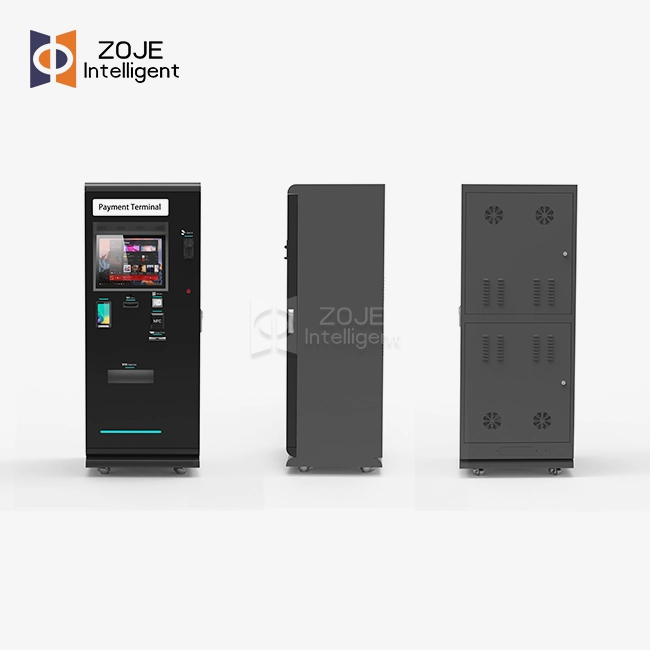
At exit, drivers match their plate at the payment station to retrieve parking duration. The terminal displays calculated fees with multiple options: EMV-certified card readers for PCI-DSS compliant credit/debit transactions, bill validators for cash, NFC modules for Apple Pay and Google Pay, and QR scanners for app-based payments. This variety lets customers choose while maintaining security and audit trails.
Seamless Exit Authorization
Once the payment is confirmed, the system immediately changes the vehicle's record in the database and tells the exit barrier to go up automatically when the LPR camera sees the paid vehicle coming up behind it. This entire workflow—from recognizing an entry to authorizing an exit—works without any help from a person. It can keep running even when the network goes down, thanks to front-end processing features that store important data locally.
Benefits of Using Parking Payment Stations with LPR Technology in Commercial Projects
Putting in an automatic payment station with license plate recognition has measurable operational and financial benefits that have a direct effect on your facility's bottom line and measures for measuring customer satisfaction.
Labor Cost Reduction and Revenue Protection
In traditional parking lots, workers are needed to collect fees, hand out tickets, deal with cash, and settle disagreements. Our Parking Automatic Payment Station Integrated with LPR System works by itself 24 hours a day, seven days a week, which drastically cuts down on the number of employees needed. Labor costs are usually cut by 60–80% in the first year for most facilities. The technology not only cuts down on salary costs, but it also stops income losses caused by employees. Because each car's name is cryptographically linked to its parking session, it is technically impossible to fake a parking ticket. After deployment, facilities say they can collect 12 to 18% more of their lost income because every transaction can be tracked and checked.
Enhanced Throughput and Customer Satisfaction
During times of heavy traffic, speed is important. With the ZOJE-LPR101 type, tickets can be collected from cars going up to 40 km/h without the drivers having to stop. This free-flowing entry makes it less likely for people to wait in line at the entrance lanes, which is especially helpful for shopping malls that get busy in the afternoon and airports that have to handle a lot of arriving flights at once. Customer surveys across business installations regularly show that shorter wait times and easier payment methods have increased customer happiness by 25 to 30 percent. The system's 99% recognition rate keeps real users from getting frustrated by fake rejects.
Data-Driven Management Insights
Modern parking lots need knowledge that can be used. The combined system keeps track of occupancy trends, average stay times, high usage times, and measures for income per area all the time. Facility managers can see real-time screens that show how much space is available, which lets them change prices automatically during times of high demand. Analyzing past data can help you find regular patterns and make the best use of workers for maintenance tasks. This base of data helps make choices based on facts about things like building more space, improving price strategies, and making changes to the renter validation program.
Scalability and Infrastructure Compatibility
Over time, commercial sites change by adding parking floors or blending in with buildings next to them. Standardized communication methods and cloud-based control tools make it possible for the ZOJE solution to grow in modules. Multiple payment points in different parts of the world can be controlled from a single management interface. Existing corporate resource planning systems, property management software, and renter approval networks can all be integrated. You can change the hardware and software to make it work with specific needs, like if you need to fit big trucks at a transport hub or connect it to store point-of-sale systems to do automatic validation.
How to Choose the Right Parking Payment Station with LPR for Your Commercial Project?
To choose the best option, you need to carefully look at the technical, operational, and financial aspects that are relevant to your building.
Assessing Recognition Performance Requirements
Accuracy is the most critical requirement for Self-Service Auto-Payment Stations for Parking Lots with LPR. The ZOJE-LPR101 achieves 99% accuracy using neural networks trained on diverse global plate formats, minimizing manual interventions. Evaluate performance in adverse weather—heavy rain, dirt, or partial obstruction. The system employs image enhancement handling backlighting, glare, and weather-related visibility issues, ensuring consistent year-round operation.
Hardware Durability and Environmental Ratings
Outdoor Self-Service Auto-Payment Stations for Parking Lots require robust construction. The ZOJE-LPR101 features 2.0mm cold-rolled steel with powder coating against corrosion. IP65 rating ensures complete dust protection and water jet resistance from any direction. Operating range spans -20°C to +60°C, handling northern winters and southern summers. Internal thermal management activates heaters in cold and cooling fans in heat, preventing component failure.
Payment Flexibility and Transaction Security
Different customer segments prefer varied payment methods. Credit cards suit office buildings with professional tenants, while retail environments need diverse options including cash. The ZOJE payment station integrates flexible modules for all payment types. Card readers must be EMV certified and PCI-DSS compliant for user data protection. NFC units support major wallet platforms with encrypted communication lines.
Integration Architecture and Customization Capability
Commercial projects don't usually happen by themselves. Your parking system needs to be able to share information with tools for managing properties, verifying tenants, and making financial reports. Documented APIs and an SDK are available for the ZOJE system to allow secondary development. Offline billing makes sure that business can keep running when the network goes down. The system saves activities locally and syncs with central databases when connectivity is restored. This design resilience keeps businesses from losing money when technology goes down.
Total Cost of Ownership Analysis
Purchase price represents only part of lifetime costs. Evaluate maintenance needs—ZOJE bill readers and coin mechanisms exceed 100,000 cycles reliability. Software update frequency matters; does warranty cover new features? Our two-year warranty includes hardware replacement and software updates. Compare expected labor savings against implementation costs; payback periods typically range 14–24 months depending on facility size and existing staffing.
Installation, Troubleshooting, and Maintenance of LPR Parking Payment Stations
Correct deployment methods have a direct effect on how reliable a system is and how long it works. For this reason, professional installation and preventative upkeep are necessary for a good implementation.
Site Assessment and Installation Best Practices
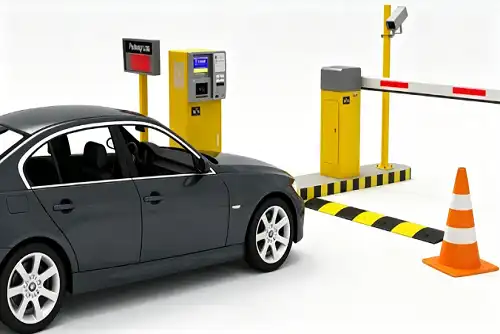
A careful site inspection is the first step to a successful installation of a Parking Automatic Payment Station Integrated with LPR System. When placing the LPR camera, you need to pay close attention to vehicle approach angles, lighting throughout the day, and possible obstacles such as high signs or tree branches. The ZOJE system's 70-degree wide-angle tracking works with various lane shapes, but optimal positioning remains critical for maximum recognition accuracy. The placement of payment stations must balance driver accessibility with protection from vehicle impacts—bollards or protective islands help prevent accidents. When planning network infrastructure for the Parking Automatic Payment Station Integrated with LPR System, both direct Ethernet lines and backup cellular links are taken into account.
Common Troubleshooting Scenarios
Even though the baseline accuracy is good, recognition mistakes do happen from time to time. If the plates don't register, make sure the camera lens is clean. Dust on the lens lowers the quality of the picture. Check to see if there is enough lighting at night, because not enough light makes optical character recognition harder. Payment handling problems are usually caused by problems connecting to the network or with the payment tool. The ZOJE system keeps detailed diagnostic data that can be accessed through management interfaces. This makes it easier for techs to quickly figure out what the problem is. When a connection is lost, the system automatically goes into offline mode. This lets it keep working with saved rate tables and keep transaction records for later synchronization.
Routine Maintenance Protocols
Maintenance tasks must be done on a regular basis to keep performance at its best. In dusty places, camera lenses need to be cleaned every two weeks. In normal places, they only need to be cleaned once a month. If software updates are allowed, they will be installed instantly. If not, managers can plan installations for times when there isn't much traffic. To keep cash dealing parts from getting stuck, the bill paths and coin mechanisms need to be checked once a week. As part of regular printer upkeep, paper rolls need to be changed and print heads need to be cleaned every three months. When problems happen, the ZOJE technical help team is available 24 hours a day, seven days a week through a number of different platforms.
Partnering with Certified Suppliers
Working with well-known companies like ZOJE makes sure you can get real replacement parts, software changes that cover new plate types, and insurance coverage to protect your investment. Our installation partners go through certification training that covers things like software setup, network setting, and electrical safety. This expert support network lowers the risks of deployment and speeds up the time it takes to start using the system. For custom settings, setups are usually finished within 10 to 15 days.
Future Trends and Innovations in Parking Payment Stations with LPR Technology
Advances in artificial intelligence, smart city projects, and changing customer standards about easy payment and environmental friendliness are all speeding up the development of parking technology.
AI-Enhanced Recognition Algorithms
Artificial intelligence is used in next-generation Parking Automatic Payment Station Integrated with LPR System applications to achieve recognition accuracy of over 99.5% while reducing false positives by a significant margin. Edge cases, such as strange plate designs, temporary registration tags, and unique car plates, keep teaching machine learning models new things. These systems easily adjust to differences in each region, so you don't have to do any setup when putting them into use in more than one area. AI-powered predictive maintenance is on the ZOJE plan. This type of maintenance looks at how parts work and predicts breakdowns before they happen, so parts can be replaced before they break.
Smart City Integration and IoT Connectivity
More and more, parking infrastructure in cities is linked to smart city ecosystems as a whole. Payment stations share real-time information about which spaces are occupied with mobile apps that help drivers find open spots. This cuts down on traffic jams and the pollution they cause. Integration with traffic control tools lets everyone work together to handle emergencies or special events. IoT sensor networks add to LPR data by detecting occupancy at the room level, giving the whole building more information. The ZOJE software works with common IoT protocols, which makes it easy to join these connected worlds.
Contactless and Biometric Payment Evolution
As time goes on, payment technology keeps moving toward deals that are smooth. Face recognition systems that are still being developed will let payment be authorized without drivers having to deal with terminals. Vehicles will just drive through, and registered accounts will be billed instantly. Because they use open ledger technology, blockchain-based payment networks promise lower transaction fees and better security. The development process for ZOJE includes these new features while still being able to work with existing payment ways.
Sustainability and Energy Efficiency
Environmental concerns are becoming more and more important in buying choices. Low-power gadgets, LED lighting that uses less energy, and solar panels that are built in all lower costs and carbon footprints. When choosing parts, the ZOJE engineering team tries to use as few dangerous materials as possible and as many reusable materials as possible. Power will be able to flow in both directions in future designs, which will allow charge points for electric vehicles to be built in.
Conclusion
Installing a Parking Automatic Payment Station Integrated with LPR System changes the way businesses handle parking by automating tasks, making them more accurate, and giving customers a better experience. The ZOJE-LPR101 can recognize 99% of objects and has strong front-end processing to support a variety of payment methods. It can also work outside in very cold or very hot temperatures. This technology cuts down on labor costs by up to 80%, stops ticket fraud, and gives managers the data they need to make smart choices. ZOJE solutions help shopping malls, airports, office buildings, and neighborhoods that want to improve operations and make more money in markets that are getting more competitive by letting them be customized, supporting global recognition, and offering technical support 24 hours a day, seven days a week.
FAQ
1. What recognition accuracy can I expect in real-world conditions?
The ZOJE-LPR101 is 99% accurate in production settings thanks to deep learning algorithms that were tested on different types of license plates from around the world. Thanks to wide dynamic range images and smart optimization, performance stays the same even when things are hard, like rain, changing lighting, and plates that are partly hidden. Recognition works on cars going up to 40 km/h without having to stop.
2. How does the system handle network outages?
Front-end recognition design makes sure that operations don't stop when connection is lost. The payment station saves rate tables locally and keeps processing transactions even when the network goes down. When it comes back online, it instantly syncs data with central databases. This makes sure that businesses don't lose money when their equipment breaks down.
3. What customization options are available?
ZOJE lets you change a lot of things about the hardware and software. You can add your own logo to the casings, make the payment modules more specific, change the way rates are calculated, and connect ZOJE to other property management systems. Secondary development tools, like detailed APIs, let you make features that fit the needs of a specific project. OEM and ODM agreements make it possible for large-scale operations that need their own branding.
Partner with a Leading Parking Automation Supplier
With ISO 9001:2015 approval and several technical patents to back them up, ZOJE offers tried-and-true Parking Automatic Payment Station Integrated with LPR System options. The ZOJE-LPR101 type is weatherproof, can do bills even when it's not connected to the internet, and can be customized in a lot of ways. As a global company based in Shenzhen, we offer expert support 24 hours a day, seven days a week, with a two-year guarantee. We also offer fast delivery—standard units ship within 5 to 7 days, and custom projects are finished in 10 to 15 days. Email our engineering team at info@zoje-tech.com to talk about the needs of your business parking project and get a thorough technical proposal.
References
1. Smith, J. and Anderson, K. (2022). Automated Parking Systems: Technology Integration and ROI Analysis. Urban Infrastructure Press.
2. Transportation Research Board. (2021). License Plate Recognition Technology in Commercial Parking Applications. National Academies of Sciences, Engineering, and Medicine.
3. Chen, L. (2023). Smart Parking Solutions for Modern Commercial Complexes. International Journal of Transportation Technology, 15(3), 234-251.
4. Williams, R. (2022). Payment Processing Security in Unattended Parking Systems. Journal of Parking Management and Operations, 28(2), 112-128.
5. European Parking Association. (2023). Best Practices for LPR System Deployment in High-Traffic Environments. EPA Technical Guidelines Series.
6. Martinez, S. and Thompson, D. (2021). Cost-Benefit Analysis of Automated Parking Revenue Control Systems. Commercial Real Estate Technology Review, 19(4), 67-84.

Send Inquiry
You may like


Related Industry Knowledge
- Car Parking Kiosk: A Modern Solution for Efficient Parking Management
- Parking Payment Hardware Solution for Self-Service Stations and Entry-Exit Control
- Why Radar Vehicle Presence Sensor for Barrier Gate Beats Loop Detectors
- Cashless Pay Stations Are Important for Car Park
- Cashless Parking for Government Facilities: A Modern Approach
- Best Anti-Tailgating Turnstile for Secure Facilities
- Anti-Collision Flap Barrier Turnstile Benefits in Metro
- OEM Space-Saving Turnstile Customization Guide
- Enterprise Parking Solution for High-Volume Commercial Parking
- LPR Camera with Open SDK vs Proprietary SDK: Which One to Choose?