
Why Parking Operators Need Automatic Pay Kiosk for Commercial Parking Projects
2026-06-16
Parking lot owners all over the US are under more and more pressure to streamline their businesses, cut costs, and give customers a smooth experience. An Automatic Pay Kiosk for Commercial Parking Projects fixes these problems by letting people pay for things on their own 24 hours a day, seven days a week. It also gets rid of lines at exit gates and drastically lowers the cost of labor. These smart machines can quickly handle payments made with cash, credit cards, and QR codes. They also work well with systems that read license plates and software for managing the back end. Installing self-service payment stations changes the process of collecting money from people who have to do it by hand into an automated, safe, and scalable one that can handle the needs of shopping malls, airports, neighborhoods, office buildings, and commercial parking lots across the country.
Understanding Automatic Pay Kiosks for Commercial Parking
What Makes Self-Service Payment Terminals Essential
The way that business parking lots gather money has changed a lot with the introduction of self-service payment kiosks. Unlike standard booths with staff, these terminals let drivers do deals on their own before going back to their cars. The pay-on-foot plan makes exit lines less crowded during rush hours, which turns a frustrating wait into a quick departure. Nowadays's payment stations are made to last in difficult environments, from the heat of the desert to the cold of the winter. Industrial-grade parts make sure that the machine works reliably all year, and touchscreens that can be read in full sunlight can still be used in the afternoon. These gadgets run on strong operating systems like Android 4.0 and up, which ensure stable performance and easy software changes.
Core Components That Drive Performance
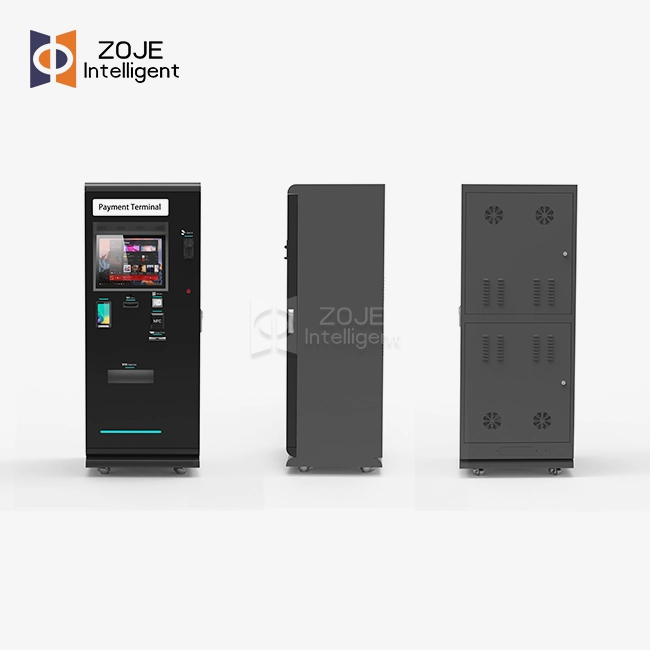
An Automatic Pay Kiosk for Commercial Parking Projects is built around a few key parts that must work together smoothly. Cash handling devices with unique coin receivers and note validators make it possible to recycle, accept payments, and give out change without having to keep restocking. Receipt printers provide instant proof of transactions, which meets the needs of both customers and accounts. Being able to make different kinds of payments is a clear advantage. People can pay with cash, credit cards, or QR codes scanned from mobile apps. The readers must be EMV-certified. This gives customers a choice of options and protects the system against changing payment trends in the future. Built-in warning systems hear when someone tries to get in without permission and send out an alert when external force is applied to the cage. Optional CCTV tracking adds an extra layer of security by recording what's going on around the unit so that problems can be solved and safety checks can be done.
How Integration Transforms Operations
The real power of self-service devices comes from how they can connect to other hardware. These units talk to parking management software all the time, syncing data about entries and exits, figuring out fees based on prices based on time of day, and handling validation codes given by store owners or office building managers. License plate recognition technology makes it possible to park without a ticket; the system instantly figures out how long the parking is allowed for based on the vehicle's license plate number, so there is no chance of losing a ticket. Real-time data is sent to centralized dashboards, which show workers right away how much money they are making, when their equipment is being used most, and at what places. With this information, prices can be changed on the fly, marketing efforts can be more focused, and maintenance can be planned ahead of time so that customers don't have to deal with downtime.
Why Traditional Payment Methods Fall Short: The Shift Towards Automation
The Hidden Costs of Manned Booths
Having people work at payment booths adds a lot of extra work that goes beyond their hourly wages. To keep 24/7 service, operators have to pay for things like perks, training, turnover costs, and complicated schedules. Having human cashiers adds the risk of mistakes during busy times, and handling cash causes security holes and mistakes that take time away from management. During peak hours, when a lot of drivers are swarming around one cashier, long lines form. This makes customers angry and could cost the business money because anxious customers will go to other stores. In mixed-use projects, where bad parking experiences make the whole property look bad, these bottlenecks hurt the ties between tenants.
Security and Accuracy Advantages
Self-service payment machines keep cash safe in secure areas with multi-point locking systems and drill-resistant hardware, so there is no chance of theft. Automated transaction processing takes away the chance of human mistake in price calculation, so charges are always correct, even when there are complicated validation cases or different pricing levels based on time. With cashless payment choices like payment machines, less cash needs to be collected and moved around. This cuts down on the costs of insurance and cash-in-transit fees. Digital records of transactions make full audit trails that make matching transactions and reporting finances easier.
Scalability Matching Demand Fluctuations
Commercial parking lots see big changes in how they are used. Holidays and weekend afternoons are the busiest times for shopping stores, while the busiest times for office buildings are during the week, in the mornings and evenings. At airport lobbies, there are always a lot of people, with rare spikes around flight gates. Automated systems can easily adapt to these changes without adding more work for people. Multiple units can be sent out during expected busy times and gathered together during slower times. This gives operations freedom that isn't possible with set staffing methods. This flexibility is especially helpful in mixed-use projects, where parking habits change throughout the day and week because of the different types of tenants.


Choosing the Right Automatic Pay Kiosk for Your Commercial Parking Project
Payment Modalities and User Experience
To choose the best payment device, you should first know who your customers are. Credit cards and mobile wallets may be preferred by people who like to shop in malls for quick transactions between stores. People who move through airports a lot may like tools that can be used in more than one language. People who work in offices might use monthly passes that are verified by QR codes, and communities that house people can benefit from systems that verify the credentials of tenants. ZOJE's self-service payment systems can handle all of these different types of payments because they have one gadget that can accept cash, credit cards, and QR codes. The operating system is built on Android, which makes it easy to customize the interface. For example, operators can change the language choices, branding elements, and payment flows to fit the needs of each site. Touchscreen navigation makes it easy for even first-time users to finish deals without any help.
Hardware Durability and Environmental Resistance
Strong building is needed in commercial parking lots. When systems are outside, they are exposed to rain, snow, high and low temperatures, and dust and smoke from cars all the time. Interior places get worn down by heavy foot traffic, accidental hits, and the odd attempt at mischief. High-quality Automatic Pay Kiosk for Commercial Parking Projects are made of heavy-gauge steel and have finishes that are resistant to weather and can be used outside. Internal climate control systems keep sensitive electronic parts at the best working temperatures. This makes gear last longer and reduces the number of repair calls. Components that are placed on shock absorbers protect against damage from vibration, and screens that are resistant to impact can handle both accidental touch and intentional tampering.
Software Compatibility and Integration Readiness
The payment mechanism you choose must work with existing technologies. Gate controls, guiding systems, and revenue management platforms can seamlessly share data under standard parking management. Open API design allows license plate recognition cameras to be incorporated, so the system will calculate the proper amount to charge you based on your plate number's entrance and exit timestamps. ZOJE promotes OEM and ODM connections to ensure their solutions meet company demands. Custom software development considers procedural, validation, and reporting demands. Hardware adjustments accommodate mounting or cosmetic demands.
Evaluating Supplier Partnerships
Along with product requirements, a supplier's image and ability to aid affect their long-term success. How well a maker knows commercial parking projects influences how effectively they can recommend configurations and foresee deployment issues. Warranty protection protects your investment against premature component failure. All ZOJE payment kiosks come with a two-year guarantee and 24/7 professional support. Rapid-response service minimises downtime, and skilled technicians may fix a component in 30 minutes. Project deadlines matter when plans are tight. Personalised units take 10–15 days to ship after confirmation, whereas standard setups take 5–7 days. This flexibility helps operators move rapidly on growth or part repair opportunities without extensive lead periods to interrupt operations.
Implementation and Operational Insights for Parking Operators
Site Assessment and Installation Planning
A thorough site evaluation precedes a successful deployment. Physical location must combine consumer comfort and security, positioning units in well-lit, monitored, visible places protected from weather and car strikes. Electrical demands, network connection options, and ADA accessibility all affect placement. The spot's readiness and number of units determine installation time, which is one to two weeks. Preparing the concrete pad, running electricity and data cables and setting up the network while erecting the units speeds up the process. Current gate systems and parking software are incorporated during completion. All components are thoroughly tested before coming online to ensure appropriate communication.
Maintenance Protocols That Ensure Reliability
Self-service devices perform best when maintained. Regular cleaning removes dirt and other obstructions to bill validators, coin devices, and touchscreens. Software updates correct issues, add features, and apply security patches to maintain the system secure and compliant with payment processing requirements. Cash-handling parts require frequent maintenance depending on transaction volume. High-capacity recycling systems extend cash collecting intervals. This reduces business interruptions and armoured car costs. Monitoring systems alert personnel when bill or coin boxes are nearing full so they can service them before they reject payments. ZOJE's worldwide service network provides local support near any facility. Technical staff visit clients once a year to check equipment and gather input for new goods. This face-to-face engagement builds relationships and maximises technology use.
Troubleshooting Common Operational Issues
Well-maintained systems may fail. To satisfy clients, receipt paper jams, network problems, and payment processing slowdowns must be resolved fast. Modern computers have sophisticated diagnostic systems that rapidly discover issues and display clear error codes to assist technicians determine the source. Working offline lets you make money even when the network is unavailable. When connectivity is re-established, transactions are saved locally and synchronised promptly. Even with temporary connectivity issues, this continues money flowing in. Support can fix many issues without visiting the site. They may remotely update software or teach local workers easy fixes.

Future Trends and Innovations in Parking Payment Kiosks
Contactless and Mobile-First Payment Evolution
People are increasingly using mobile payment options without cards or cash. Customers may pay for parking via QR code systems and applications on mobile phones utilising near-field communication technology for rapid tap-to-pay transactions. New payment platforms integrate directly with guidance applications and systems in linked vehicles to let drivers pay for parking without getting out. These seamless travel experiences are the most convenient, and operators that plan forward will win in technology.
Artificial Intelligence and Internet of Things Integration
Smart parking systems employ AI to adjust pricing depending on real-time demand, previous patterns, and local weather and events. Machine learning algorithms detect illogical patterns. These algorithms alert workers before minor issues become major ones.Payment machines linked to the internet of things gather data to smarten the building. Occupancy sensors, environmental monitors, video analytics, and payment data give a complete view of operations that helps operators boost capacity, cut costs, and improve customer experience.
Sustainable Design and Environmental Responsibility
Energy-efficient parts save expenses and help organisations become green. LED lighting, low-power CPUs, and smart temperature management save energy without sacrificing efficiency. Powering distant places with solar panels or backing up the grid when it fails.The circular economy promotes employing recyclable materials and modular design to extend product life and reduce technological waste. Operators are increasingly considering environmental impact while choosing equipment. Green features are becoming a distinction when selecting payment terminal manufacturers.
Conclusion
Moving toward automated payment gathering is no longer a nice-to-have, but a necessity for modern business parking owners. Self-service stations improve speed, security, cut costs, and make customers happier in ways that can be measured. Facilities with advanced machines stay ahead of the competition while laying the groundwork for future innovations as payment technologies change and customer standards rise. Buying Automatic Pay Kiosk for Commercial Parking Projects from reputable companies guarantees steady performance, easy integration, and long-term value that more than covers the initial cost of capital through lower labor costs and higher revenue capture.
FAQ
1. How long does installation typically require?
Installation times depend on the state of the spot and the level of planning. From arrival to full operation, most single-unit operations are finished in one to two weeks. This time frame includes mounting the hardware, connecting the power and network, setting up the software, and trying how well it works with other parking control systems. Multiple-unit projects or places that need a lot of foundation work may take longer than two weeks, but plans are usually kept tight by installing things at the same time. Planning ahead for things like power supply, network connections, and site access speeds up deployment by a large amount.
2. What payment methods do modern kiosks support?
Modern payment systems can handle a variety of transaction choices to make things easier for customers. For some groups, being able to accept cash through bill validators and change devices is still important. Most transactions in many places are handled by EMV-certified machines that accept credit and debit cards. Scanning a QR code lets tech-savvy people pay with their phones and do business through apps. Some more modern units can also accept contactless payments through NFC technology. This lets you use your phone or a contactless card to quickly pay.
3. What maintenance does a payment kiosk require?
Regular maintenance makes sure that equipment works well and lasts longer. Touchscreens, bill validators, and coin systems need to be cleaned regularly so that dirt doesn't build up and cause jams or wrong readings. Updates for software keep it secure and add new features. Service for cash cassettes is based on how many transactions they receive, and recycling methods greatly increase the time between pickups. Hardware checks find worn-out moving parts before they break. Professional service visits usually happen every three months, and online tracking lets you find problems before they happen between maintenance visits.
Partner with ZOJE for Advanced Parking Payment Solutions
To change your parking business, you need to do more than just buy new tools. You need to work with a manufacturer that knows the problems that come with industrial parking and can offer complete solutions. ZOJE has been a producer of Automatic Pay Kiosk for Commercial Parking Projects for over ten years and has designed, built, and supported self-service payment systems used in a wide range of settings around the world. Our production methods are ISO 9001:2015-certified to ensure uniform quality, and our many design patents show that we are committed to coming up with new ideas. Our OEM and ODM skills are very flexible, so we can make solutions that are exactly what you need, whether you run a single spot or a portfolio of properties. Contact our expert team at info@zoje-tech.com to talk about your unique needs and find out how our payment kiosks can help you make more money and make your customers happy.
References
1. Smith, J. & Anderson, R. (2022). Automated Revenue Collection in Commercial Parking Operations: Efficiency Gains and Cost Analysis. Journal of Parking Infrastructure Management, 15(3), 45-62.
2. Transportation Research Board. (2021). Self-Service Technology Adoption in Parking Facilities: A Comprehensive Study. National Academy Press, Washington, D.C.
3. Chen, L. (2023). Payment System Security in Unattended Commercial Environments. International Conference on Electronic Transaction Security Proceedings, 112-128.
4. Miller, D. & Thompson, K. (2022). The Economics of Parking Automation: ROI Analysis for Commercial Operators. Urban Mobility Press, New York.
5. European Parking Association. (2023). Best Practices for Payment Kiosk Deployment in High-Volume Facilities. EPA Technical Guidelines, Brussels.
6. Rodriguez, M. (2021). Future Trends in Parking Payment Technologies: AI, IoT, and Contactless Systems. Smart Cities Technology Review, 8(4), 78-94.

Send Inquiry
You may like

Related Industry Knowledge
- Traffic Control Barrier Gate Features and Design
- Is Parking Management Barrier Gate Worth Investment?
- How Collision-Proof FlapTurnstile Extends Lifespan?
- License Plate Recognition in Parking Management Systems
- License Plate Recognition vs ANPR: Key Differences
- Enterprise Parking Solution for High-Volume Commercial Parking
- Benefits of a City Parking Lot Management System in 2026
- Benefits of Unattended License Plate Recognition Tech
- How Compliance-ready and Regional ANPR System Ensures Data Compliance?
- What Is a Regional ANPR System and How Does It Work?