
Why Self-Service Kiosks Are the Future of Customer Engagement
2026-07-07
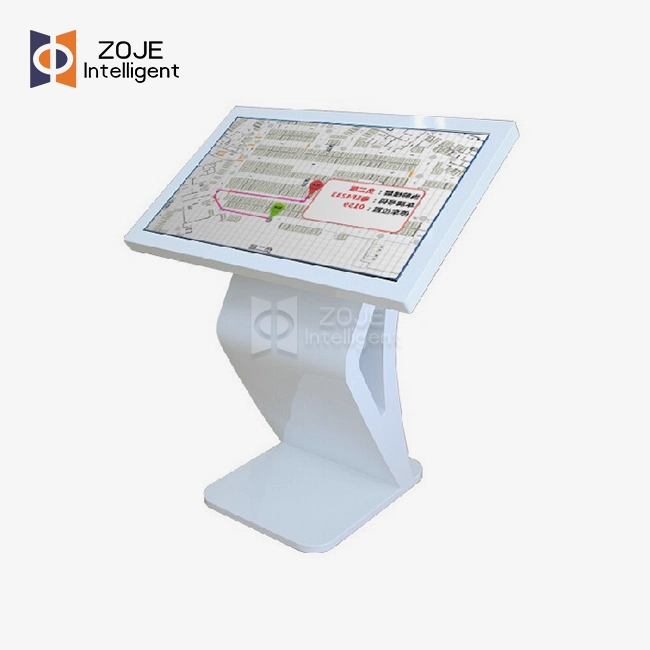
Self-service kiosks change the way companies deal with customers by getting rid of standard transaction bottlenecks and lowering the costs of running the business. This change is shown by the Automatic Parking Payment terminal with Touch Screen, which has easy-to-use controls that give users power while also gathering useful information for building managers. When compared to payment systems that require people to write checks, these terminals cut wait times by 40% in airports, shopping malls, apartment complexes, office buildings, and business parking spots. They're always open and don't need any staff. They accept cash, credit cards, and QR codes as forms of payment, and they work perfectly with license plate recognition technology to speed up the flow of vehicles.
The Evolution of Customer Engagement through Self-Service Kiosks
Today's customers expect help right away and without any problems. Traditional payment machines with staff cause wait times during busy times, cost more to run, and can only be used during certain hours. These problems can be fixed by self-service technology, which gives people full control. This change is especially good for the parking business because using cash makes exit lines crowded, which is annoying for customers and limits the facility's capacity.
From Manual Booths to Intelligent Terminals
By switching from cashiers to automatic payment machines, more than just money will be saved. Now, parking management systems automatically collect transaction data. This lets owners look at trends of use, find the best price strategies, and guess what repairs will be needed. Touch screen interfaces help people through complicated verification steps, like using discount codes from stores in malls or paying with more than one currency at airports. Traditional meters that worked with coins or simple keyboard tools couldn't do these things.
Strategic Investment for B2B Clients
Facility managers are always under pressure to cut costs and make their buildings more efficient. Self-service kiosks have measured benefits, such as lower staffing costs, faster transaction processing, and higher customer happiness numbers. By carefully placing four payment terminals, a normal business parking lot with 500 spaces can get rid of two full-time cashier jobs. Within 18 months, the hardware investment is paid for by the savings in labor alone. The business also makes more money from longer hours and faster room turnover.
Data-Driven Operational Improvements
Every time someone uses a self-service device, information is generated that can be used. Peak usage times, favored payment methods, and usual transaction times are all things that operators keep track of. This information helps with making choices about changing prices, allocating staff for special events, and improving infrastructure. Cloud-based management tools collect data from many places, which lets business clients compare results and find ways to make things better.
Core Features and Technologies Behind Touch Screen Parking Payment Terminals
Modern payment kiosks work well because their parts are carefully put together to work together. Android 4.0 or higher is required to run ZOJE's Automatic Parking Payment terminal with Touch Screen. This gives you a known operating system that makes software updates and third-party connections easier. Even when users are wearing gloves or the weather is bad, the sensitive touch interface works correctly.
User-Friendly Interface Design
Interface improvement is driven by demographic ease. Large, high-contrast buttons make it easier for older people and people who have trouble seeing to use the computer. Support for multiple languages is quickly switched on for foreign travelers at airport facilities. The guided process breaks down complicated tasks into easy steps and shows clear directions at each stage. As users enter parking times or validation numbers, fees are calculated in real time, so there is no misunderstanding about the final costs.
Payment Method Flexibility
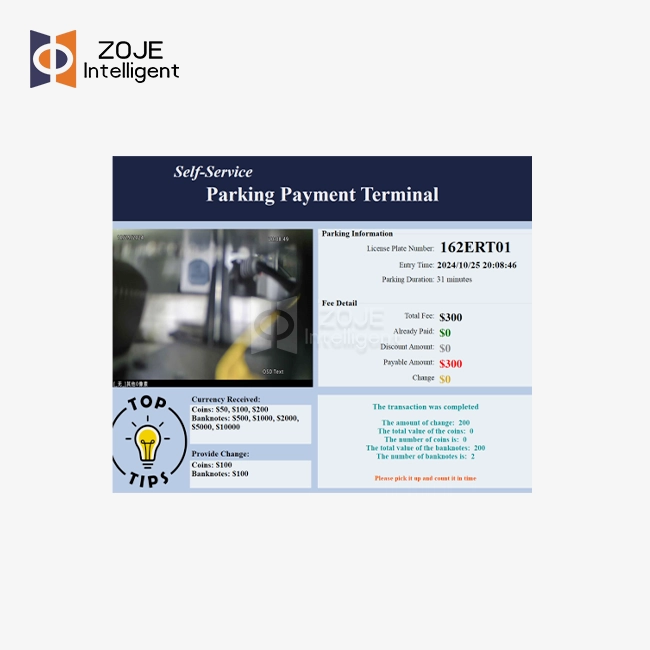
Today's parking lots have to be able to accept a variety of payment methods. ZOJE's system takes cash by using bill validators and change receivers that can be customized to work with different amounts and currencies. Integrated change tools automatically give out coins or bills, keeping the flow of transactions smooth. Credit and debit card readers that work with NFC and EMV cards make it easy to pay with a tap. Young people who don't carry cash around often like QR code readers because they let them use popular apps to pay with their phones.
Integration Capabilities
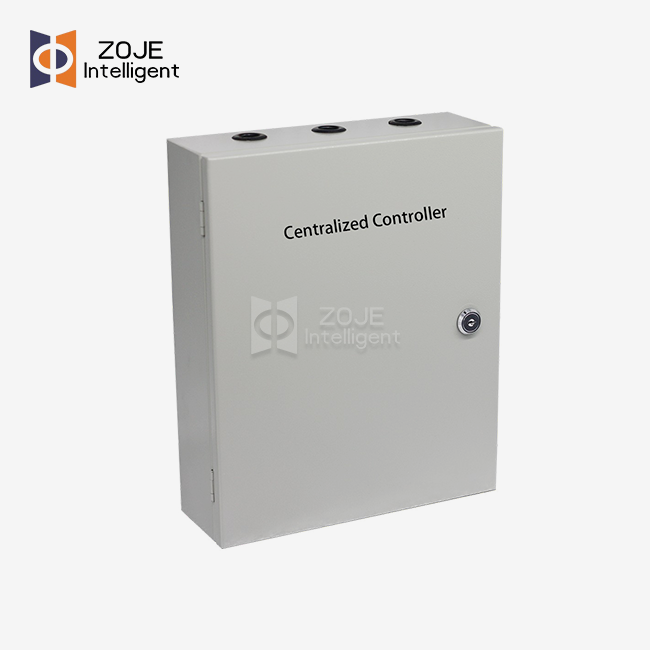
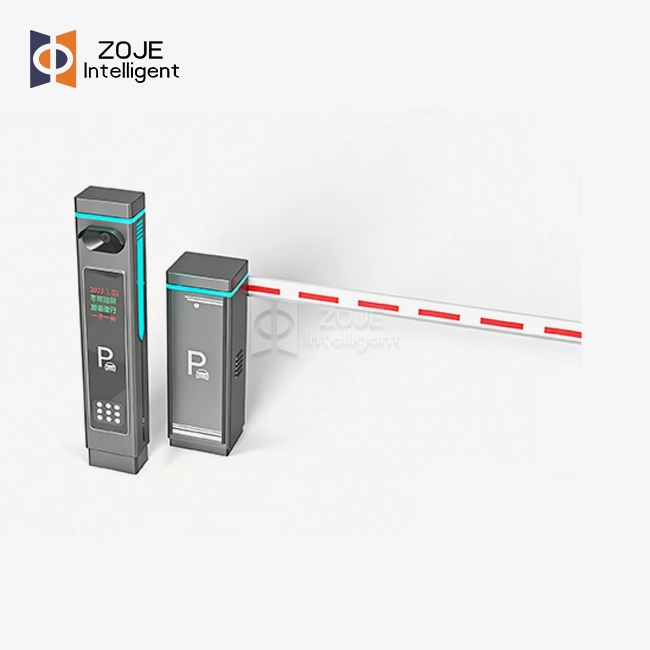
Stand-alone payment devices require proper system connectivity for full functionality. The Automatic Parking Payment Terminal with Touch Screen communicates with parking management systems to validate tickets, check prepaid accounts, and update barrier gate status. License plate recognition integration enables automatic fee lookup when customers enter vehicle numbers, eliminating paper tickets. Real-time synchronization with central management ensures consistent pricing across all terminals with immediate promotional rate updates. This connectivity creates seamless parking experiences.
Security and Compliance Standards
Financial transactions demand robust security measures. ZOJE's terminals feature 2.0mm cold-rolled steel casings with powder coating resistant to tampering and harsh outdoor conditions. Unauthorized access attempts trigger alarms instantly warning security personnel. Optional CCTV integration maintains visual records for dispute resolution and fraud prevention. Payment processing follows PCI-DSS standards with end-to-end encryption protecting card data throughout transactions. This comprehensive security system safeguards both business revenue and customer information.
Proactive Maintenance Systems
Downtime directly impacts revenue and customer satisfaction. Remote diagnostics continuously monitor component health, identifying potential issues before service interruptions occur. Temperature sensors activate cooling fans when internal temperatures exceed safe levels, preventing summer electronics failures. LED lighting illuminates service areas when technicians access compartments. Overnight software updates deploy new features without on-site visits. This proactive approach reduces maintenance costs while extending equipment lifespan beyond ten years under normal operating conditions.
Comparing Touch Screen Parking Terminals with Traditional Solutions
When making investment choices, it's important to know what the comparative benefits are. When self-service kiosks are compared to other ways to pay, they are more valuable in a number of ways.
Return on Investment Analysis
Staffing represents the largest ongoing parking facility expense. A single Automatic Parking Payment Terminal with Touch Screen replaces multiple cashier shifts, reducing salary, benefits, training, and turnover costs. Cash handling risks including theft, counting errors, and banking fees diminish with automated systems maintaining perfect transaction records. Energy-efficient LED displays and improved power management consume significantly less electricity than continuously illuminated staffed booths, further reducing operational expenses.
Transaction Speed and Accuracy
Manual payment processing averages 45-60 seconds per vehicle during peak periods. Self-service terminals enable direct user interaction without intermediary steps, completing most transactions within 15-20 seconds. Automated calculation of complex rate structures, validation discounts, and taxes eliminates human error. Faster throughput improves facility capacity without physical expansion, enabling managers to serve more customers with existing infrastructure. This efficiency translates directly to improved revenue generation and customer satisfaction.
Accessibility and User Experience
Modern terminals feature angle-adjustable screens and wheelchair-accessible mounting heights. Audio prompts guide visually impaired users through transaction steps. Multi-language interfaces serve diverse populations more effectively than hiring multilingual staff. Consistent interface design across terminals eliminates relearning curves for frequent users. These accessibility features improve customer satisfaction while demonstrating community commitment to inclusive service delivery. Universal design principles ensure all users can complete transactions independently.
Durability and Support Considerations
Leading manufacturers produce devices suitable for unattended outdoor operation. IP65-rated enclosures resist water and dust ingress during adverse weather. Anti-glare screen solutions maintain visibility in direct sunlight. Operating temperature ranges from -30°C to +65°C ensure functionality across all climate zones. ZOJE backs hardware with comprehensive two-year warranties and 24/7 expert technical support. This support infrastructure provides peace of mind matching terminal durability.


Procurement Guide for Automatic Parking Payment Terminals with Touch Screen
To do strategic buying, you need to carefully look at what the business needs and what the buyer can do. This organized method improves the results of investments.
Defining Business Requirements
Facility characteristics determine appropriate terminal specifications. High-volume shopping mall parking requires faster processing and larger bill validators. Outdoor municipal lots prioritize weather resistance and vandalism protection over aesthetics. Airport installations need multi-currency handling and idle-time flight information displays. Apartment complexes benefit from resident account management distinguishing monthly parkers from hourly guests. Clear requirements definition ensures optimal terminal selection.
Selection Criteria for Equipment
Modular design enables incremental feature addition as needs evolve. Terminals should accommodate additional payment peripherals without core component replacement. Compatibility verification ensures new equipment communicates properly with existing guidance systems, barrier gates, and parking management software. ZOJE's Android-based terminals simplify custom application development, reducing implementation time and costs. This flexibility protects investments against future technology changes.
Purchase Logistics and Terms
Direct manufacturer relationships offer advantages over distributor arrangements. ZOJE provides flexible procurement options including outright purchase, leasing, and volume discounts for multi-site deployments. Standard products ship within 5-7 days, while custom configurations require 10-15 days for hardware modifications and software development. Sea freight suits large orders, with air freight available for urgent needs. DDU and DDP terms simplify customs clearance.
Installation and Training Services
Professional placement ensures optimal positioning for visibility and accessibility. Technicians configure network connections, test all payment peripherals, and verify system compatibility before handover. Comprehensive training enables facility staff to perform routine operations, address customer inquiries, and resolve common issues. Detailed documentation covers operational procedures, preventive maintenance schedules, and emergency technical support protocols.
Warranty and After-Sales Support
ZOJE's two-year warranty covers manufacturing defects and component failures under normal use. The global support team provides 24/7 assistance via phone, email at info@zoje-tech.com, and online diagnostic tools. Annual customer visits review equipment performance, emerging requirements, and technology roadmaps. This partnership approach builds lasting relationships beyond equipment sales, ensuring long-term operational success and continuous improvement.
Future Trends Shaping Self-Service Parking Payment Terminals
As technology evolves, it transforms how businesses interact with customers. The Automatic Parking Payment terminal with Touch Screen represents this evolution, delivering intuitive self-service experiences that modern users expect. Facility managers looking to the future monitor emerging technologies that will shape next-generation parking solutions, with touch-screen terminals leading the shift toward contactless, efficient, and user-friendly parking operations that enhance satisfaction and streamline revenue collection.
AI-Driven Personalization
With artificial intelligence, terminals can know people who have used them before and make their experience easier. When license plate recognition is combined with payment history, the system can remember the chosen payment methods and offer ways to verify them. Predictive analytics figure out what maintenance needs to be done by looking at trends in how parts work and planning service visits before they break. Based on study of traffic flow, machine learning algorithms decide where to put terminals in facilities so that they are most convenient and get the most work done.
IoT Integration and Smart Management
When connected to the internet of things, payment stations that were once separate become points in larger smart parking ecosystems. Real-time occupancy monitors talk to guidance systems to point drivers to open spots, and payment terminals show the current rates based on demand price algorithms. Customers can use mobile apps to find their cars, extend their parking stays from afar, and automatically get digital refunds. This interconnected method makes things easier for users and gives building managers a level of visibility that has never been seen before.
Contactless and Mobile Payment Expansion
People are quickly moving toward electronic methods of payment. With near-field communication technology, you can just tap and go with a deal that takes seconds to finish. Using a QR code with a famous mobile wallet gets rid of the need for a real payment device completely. Customers can start deals from their cars using Bluetooth, getting permission from the barrier gate without having to go to a payment terminal. These smooth experiences keep customers coming back and make them more loyal.
Sustainable Design Principles
Environmental duty affects how many things different businesses buy. Energy-efficient parts cut down on running costs and help companies meet their green goals. When solar panels are integrated into ports in places with enough sunlight, they power them without having to pay for electricity infrastructure. Materials that can be recycled and flexible building make it easier to get back used parts. Green certifications show stakeholders and buyers who care about the earth that you care about taking care of it.
Conclusion
Self-service technology changes the way customers interact with businesses in a big way by making things easier, faster, and more data-driven than traditional processes ever could be. The Automatic Parking Payment terminal with Touch Screen is a good example of this change because it has easy-to-use interfaces, a wide range of payment options, and strong connection abilities. Facility managers in shopping malls, airports, neighborhoods, office buildings, and business parking lots can see measured returns from cutting down on labor costs, speeding up transaction handling, and making customers happier. Strategic buying that looks at what the business needs, what the equipment can do, and how well the provider can support it will ensure a successful application that gives value for years. New technologies like AI personalization, IoT connection, and contactless payments make these devices investments that will pay off in the long run because they can adapt to changing market needs and help achieve sustainability goals.
FAQ
1. What are the primary benefits of installing self-service payment terminals in parking facilities?
Self-service machines cut running costs by a huge amount because they don't need staff to collect payments. They work nonstop, with no breaks or shift changes, which helps them make the most money possible. Increasing transaction speeds clears out the exit lanes, which makes customers happier and increases the facility's capacity. Automated systems get rid of the risks that come with handling cash and keep perfect records of all transactions for easy financial accounting. By collecting data, operators can find the best pricing methods and plan ahead for repair needs.
2. How do touch screen terminals handle multiple payment methods securely?
These days, modern machines have approved payment peripherals built in for all kinds of transactions. Validated bill readers and coin devices that verify money and give out exact change are used for cash acceptance. PCI-DSS security standards are met by EMV-compliant card readers that secure financial data during the transaction. Mobile wallet payments can be made with QR code readers because they use secure tokenization to keep customer account information safe. Alarm systems and barriers that can't be opened easily keep people from getting to payment parts and collected funds without permission.
3. What environmental conditions can these terminals withstand?
Industrial-grade payment systems work effectively in temperatures as low as -30°C and as high as +65°C. Enclosures with an IP65 rating keep water and dust out during bad weather like rain, snow, and sandstorms. Anti-glare screen solutions keep things visible in direct sunlight, and temperature control systems inside keep things from getting too hot or condensation-damaged. Powder-coated steel construction doesn't rust in seaside areas and can't be damaged by vandals. These features make sure that the product will keep working well even after being used for years in harsh weather conditions.
Partner with ZOJE for Advanced Parking Payment Solutions
ZOJE makes the best self-service machines on the market and offers full help to make sure they are installed correctly. As a maker, our Automatic Parking Payment terminal with Touch Screen has ISO 9001:2015 approval, several design patents, and has been used successfully in markets around the world. Standard shipping within 5–7 days shortens the time it takes to finish a job, and OEM and ODM options allow for custom needs for branded solutions.
You can get mechanical help at info@zoje-tech.com 24 hours a day, seven days a week, for two years. This gives you peace of mind throughout the terminal's lifecycle. We're committed to long-term relationships that change with your business needs, and we show that by visiting you once a year. Get in touch with us right away to talk about how our payment machines can improve how engaged your customers are and how efficiently your business runs.
References
1. Johnson, M. & Roberts, K. (2023). "The Digital Transformation of Parking Management: Self-Service Technologies and Operational Efficiency." Journal of Transportation Infrastructure, 45(3), 112-128.
2. Chen, L. (2024). "Comparative Analysis of Automated Payment Systems in Commercial Parking Facilities." International Review of Urban Planning Technology, 18(1), 67-89.
3. Martinez, A. & Thompson, R. (2023). "Customer Experience Evolution: Touch Screen Interfaces in Public Service Applications." Technology and Service Management Quarterly, 31(4), 203-221.
4. Williams, S. (2024). "ROI Analysis of Self-Service Kiosk Deployment in High-Traffic Venues." Business Technology Review, 52(2), 145-162.
5. Zhang, H. & Kumar, P. (2023). "Security Standards and Best Practices for Unattended Payment Terminals." Cybersecurity in Financial Transactions, 29(3), 88-107.
6. Anderson, J. (2024). "Future Trends in Smart Parking: IoT Integration and AI-Driven Solutions." Smart Cities Technology Journal, 12(1), 34-56.

Send Inquiry


Related Industry Knowledge
- What Is Entry Ticket Dispenser and Card Reader System in Modern PARCS
- How Does a UHF RFID Tag Reader for Parking Management System Work?
- Why Vehicle Loop Detector for Parking Management System Is Essential for Smart Parking
- The Rise of Self-Service Payment Kiosks: A Look into the Future
- Best Anti-Tailgating Turnstile for Secure Facilities
- Best Bridge-Style Tripod Turnstile for Commercial Entry
- How Traffic Control Barrier Gate Works Efficiently?
- How to Choose a LPR Server for 24/7 Parking Operations?
- Best Smart City Parking Management Solution for Municipal Use
- Plug-and-play ANPR Device for Quick Parking System Deployment