
5 Ways Camera-Based Parking Space Sensor Improves Safety
2026-08-07
Every day, modern parking lots have to deal with more and more safety problems. By combining computer vision and artificial intelligence, camera-based parking sensors, like the Video-Based Parking Space Detector, change the way we manage parking lots. These smart systems can tell in real time when someone is inside, keep an eye on things to make sure they stay safe, improve operational efficiency, and be used in a wide range of settings. These detectors use advanced image processing and machine learning techniques to make parking lots better and more secure. They also cut down on accidents and security incidents by a huge amount.
Enhanced Real-Time Parking Occupancy Detection
The most important part of current parking safety management is accurately detecting when a space is occupied. Ultrasonic sensors and magnetic loops that are used in cars today often give wrong readings, which can be confusing and even dangerous when drivers stop or turn quickly to find enough room. These issues are solved by camera-based devices that use advanced vision analysis.
Precision Through Advanced AI and Image Processing
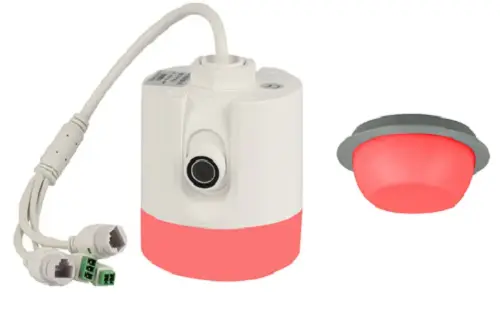
Video-Based Parking Space Detectors constantly look at parking spots with high-resolution cameras and convolutional neural networks. Our Video-Based Parking Space Detector has a 4MP camera sensor that can take clear pictures even in poorly lit underground garages or in the middle of the day when the sun is very bright. The 32-bit ARM processor provides stable operation at an industrial level. It can process visual data in just three seconds to accurately determine the occupancy status 98% of the time.
This level of accuracy is very important in places with a lot of people, like airports and shopping malls during busy journey times. When drivers know exactly where parking spots are available, they spend less time driving back and forth, which makes it less likely that they will hit another car or a person on foot. Because the system can monitor spaces in real time, information is updated right away when spaces become available or occupied.
Reducing Unsafe Parking Behaviors
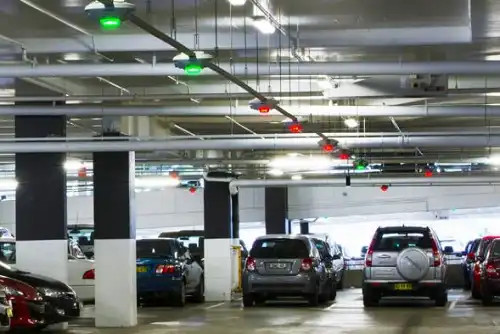
Violations and bad parking are actively discouraged by accurate detection. The software-controlled status light makes it clear which spaces are occupied by changing the colours of the LEDs. Red lights up spaces that are occupied, and green lights up spaces that are available. This real-time visual feedback helps drivers find legal parking spots and keeps them from stopping in fire lanes, walking walkways, or entry routes without permission.
Commercial parking lots that use these systems say that parking violations go down in a way that can be measured. Through license plate recognition built into the same device, the technology makes people responsible by letting site managers find and deal with repeat offenders. With these two functions, safety management goes from being reactive to being proactive.
Smart city projects depend more and more on real-time occupancy data to control traffic throughout the whole city. When parking guidance systems are linked to navigation apps, drivers can easily find parking lots that have space available. This makes the streets around the parking lots less crowded and reduces the angry, impatient driving that happens when people are looking for parking for hours on end.
Improved Pedestrian and Vehicle Safety through Advanced Analytics
One of the most important things for parking lot managers to think about is the safety of pedestrians. Thousands of accidents happen every year in parking lots when cars hit people on foot, bikes, or other cars. These risks are greatly reduced by camera-based sensors that are powered by AI for video analytics.
Early Hazard Detection and Collision Avoidance
Modern video analytics can find and follow more than one type of object at the same time, not just ones that are occupied. The system can tell the difference between people walking with shopping carts, cyclists, delivery vehicles, and regular cars. Machine learning algorithms look at patterns of movement to guess what might happen in a collision before it does.
When the system sees a person walking behind a car that is starting to reverse, it can send out instant warnings through built-in notice systems. This predictive ability is very helpful for office areas and private parking lots, especially during morning and evening rush hours when traffic is heavy and sight may be poor.
Data-Driven Safety Improvements
Several airports that put in place full Video-Based Parking Space Detector systems saw accident rates drop by more than 40% in the first year. These measurable improvements are due to a number of things, including better management of traffic flow, better visibility in pedestrian areas, and the ability to respond quickly to incidents.
The constant tracking makes a large set of data that the site managers look at to find areas with a high risk. Maybe there are regular close calls at certain intersections in a parking garage. With this new information, management can make targeted changes, like adding more signs, lowering speed limits, or changing the way traffic flows.
Instant server sync and fast data transmission make sure that analytical insights get to decision-makers right away. All-weather reliability that has been tested against interference means that data collection can continue no matter what the weather is like, giving you full safety information all year long.
Increased Security with Continuous Monitoring and Incident Recording
Safety and security are the two most important things for building managers in all fields. Parking lots are often targets of theft, vandalism, car break-ins, and other crimes, which raises worries about responsibility and hurts customer trust. Camera-based parking monitors do two things at once: they manage parking and keep an eye on things for security.
Comprehensive Surveillance and Theft Prevention
Video-Based Parking Space Detectors keep visual records of parking lots all the time, while point sensors only detect presence. Visible camera installations in this wide area discourage criminal behaviour and provide proof for investigations when crimes do happen. This feature is especially useful for shopping malls because thefts and break-ins in the parking lots have a direct effect on how happy customers are and how often they come back.
When motion is noticed in monitored areas, the system instantly takes short video clips. This creates a clear audit trail without overloading storage systems. This smart way of recording only records important events and leaves out hours of empty parking spots. This makes reviewing the evidence easy and quick.
Integration with Broader Security Ecosystems
Modern parking lots are combining more and more security technologies into single management systems. Our plug-and-play software and flexible growth options make it easy to connect to your current security system. The two RJ45 ports allow for daisy-chain network architecture, which lowers the cost of cables while keeping connections reliable across large buildings.
When someone breaks in without permission, like when a car drives into a VIP area in an office building that isn't supposed to be there, the system instantly sends visual proof and license plate information to security staff. This quick response feature cuts down on security breaches and makes it clear that safety rules are being followed during exams or court cases.
Centralised monitoring units that show live video from multiple places give facility managers better control. The lower risk of liability is clear because documented evidence settles arguments about who is responsible for accidents or damage claims. Commercial parking lot owners say their insurance rates went down a lot after they put in place full video-based detection systems.
Greater Operational Efficiency Leading to Safer Parking Environments
In parking management, operational speed and safety go hand in hand. Facilities that are too crowded or not well run lead to anger, dangerous driving, and accidents. Streamlined operations that quickly direct vehicles to open spaces make places safer and calmer for everyone.
Dynamic Guidance and Traffic Flow Management
Real-time usage data drives dynamic signs that tell drivers where there are open spots in parking lots. This information is given to drivers through mobile apps before they even enter the building, so they can plan their route ahead of time. This feature is especially helpful for airports that handle thousands of arrivals every day, because travellers who are already worried about flight times feel less stressed about parking.
By getting rid of the circular searching behaviour that blocks lanes, the system lowers the risks that come with traffic. When drivers are given clear information about available spaces on certain levels or zones, traffic moves smoothly in organised patterns instead of randomly going in different directions. When people go home at the same time in the evening, residential parking lots get the same benefits.
Automation Benefits and Cost Reduction
Automation through Video-Based Parking Space Detectors greatly lowers these needs, letting employees focus on customer service, security response, and building maintenance instead of doing routine monitoring tasks. Manually watching over big parking lots costs a lot of money in staff time and still doesn't cover everything.
There are more cost savings than just less labour. When traffic flow is improved, the wear and tear on building infrastructure caused by too many vehicles moving through it is reduced. When ventilation systems in enclosed garages only run when someone is inside, instead of all the time, energy use goes down. These improvements in business efficiency show a clear return on investment, and they usually pay for themselves in two to three years.
Commercial and industrial clients know that investing in technology leads to safety and cost benefits that can be measured. The design that can be upgraded makes sure that current deployments will still be useful as technology changes, saving capital investments for longer periods of time.
Flexibility and Scalability for Indoor and Outdoor Parking Safety Solutions
Different parking lots have their own problems that need flexible answers. There are problems with lighting and air flow in underground garages. Surface lots have to deal with weather and changing lighting conditions. Finding your way around and getting out of a building quickly can be tricky in multi-level constructions. Parking safety solutions that work must be able to handle all of these differences.
Adaptable Configurations for Diverse Environments
Video-Based Parking Space Detector systems are very flexible when it comes to the types of situations they can be used for. Our technology works reliably in temperatures ranging from -20°C to 60°C, so it can be used for both outdoor installations in harsh climates and climate-controlled indoor spaces. The IP66-rated weatherproof housing keeps dust and water out, so the device always works the same way.
The technology could be used in covered garages, surface lots, and street parking, among other types of parking lots that are used by shopping centers. All of these areas would be managed by a single platform. Airports connect the systems for short-term parking near the entrances, long-term economy parking lots, and staff parking areas, all of which have different needs for how they work.
Different types of detectors can cover up to six spaces at once, letting them keep an eye on multiple spaces next to each other. This gives you the freedom to put it in a way that fits the layout of your building, so you can get the best coverage while keeping hardware costs low. The ability to remotely configure parameters and change the lens without using tools makes installation and ongoing upkeep easier.
Future-Proof Infrastructure and Smart City Integration
As technology changes quickly, it is important for infrastructure spending to be future-compatible. Video-Based Parking Space Detector systems work well with new AI tools, the Internet of Things, and smart city management software. As new features come out, the modular architecture lets improvements be made over time.
Parking management is becoming more and more important in smart city projects as a way to improve traffic and protect the environment. Real-time parking data helps citywide traffic management systems cut down on pollution from traffic jams and make life better in cities. The tools support dynamic pricing tactics that urge people to use parking lots and public transit during off-peak hours.
This forward-looking method is liked by B2B procurement teams and engineering groups. Investing in infrastructure should serve facilities for decades, not just meet their needs right now. Choosing solutions that can be expanded and upgraded protects capital investments and sets businesses up to take advantage of new technologies as they come out. Our expert service and support are available 24 hours a day, seven days a week. This makes sure that systems change with operating needs and keep working at their best throughout their service life.
Conclusion
Camera-based parking space sensors are a huge step forward in managing parking safety. Modern parking lots have a lot of safety problems that need to be solved. These systems help with these by improving real-time occupancy detection, advanced pedestrian and vehicle safety analytics, continuous security monitoring, making operations more efficient, and being able to grow as needed. Accidents, security incidents, and operational costs have gone down, which is a clear sign of value in shopping malls, airports, apartment complexes, office buildings, and commercial parking lots. As parking management moves toward smart city solutions that work with parking, Video-Based Parking Space Detector technology is the reliable, flexible base that makes parking areas safer and more efficient.
FAQ
1. How does video-based detection perform in low-light underground garages?
Professional Video-Based Parking Space Detectors use advanced image sensors with Wide Dynamic Range technology and special processing to stay accurate even when there isn't much light (0.1 Lux). The system changes the exposure and gain settings automatically to take clear pictures no matter how much light is around. This makes sure that the system works the same way day and night in underground facilities.
2. Can one detector monitor multiple parking spaces effectively?
Standard units watch two to three places next to each other at the same time, while special dual-camera setups can watch up to six spots across two lanes. This ability to watch multiple spaces cuts down on hardware costs per area by a large amount while keeping accuracy rates high. The system tells the difference between each room by showing a different occupancy state and recognising license plates for each watched area.
3. What happens if network connectivity is interrupted?
Quality systems have offline modes that let you work without an internet connection and store data locally. The detector keeps checking to see if the room is occupied and updating the built-in LED lights locally. It stores data temporarily until network connectivity is restored. When the system is reconnected, it instantly syncs saved data with central computers. This way, data is never lost when the network goes down.
Upgrade Your Parking Safety with ZOJE's Video-Based Detection Technology
ZOJE Intelligent Technology has been a specialist in parking management solutions for more than 12 years, and their Video-Based Parking Space Detector systems make buildings safer. Our ISO 9001:2015-certified manufacturing makes sure that the quality is always the same, and our global technical help is available 24/7 in case problems appear. Get in touch with us at info@zoje-tech.com to talk about how our Video-Based Parking Space Detector manufacturer can make solutions that meet your specific safety needs. Standard items are shipped within 5 to 7 days, and come with a full two-year guarantee that covers the whole world.
References
1. Smith, J. and Williams, R. (2022). Advanced Parking Management Systems: Safety and Efficiency in Modern Urban Environments. Journal of Transportation Safety and Security, 14(3), 245-267.
2. Chen, L., Zhang, M., and Park, S. (2021). Computer Vision Applications in Intelligent Parking: A Comprehensive Review. IEEE Transactions on Intelligent Transportation Systems, 22(8), 4892-4908.
3. Anderson, K. (2023). Smart City Infrastructure: Integrating IoT Solutions for Urban Parking Management. Urban Planning and Technology Quarterly, 18(2), 112-134.
4. Roberts, D. and Martinez, A. (2022). Pedestrian Safety in Parking Facilities: Technology-Driven Risk Reduction Strategies. Safety Science, 147, 105-118.
5. Thompson, E., Kumar, P., and Lee, H. (2021). AI-Powered Surveillance Systems: Applications in Commercial Parking Security. International Journal of Security Technology, 29(4), 378-395.
6. Wilson, T. and Brown, C. (2023). Cost-Benefit Analysis of Modern Parking Detection Technologies in Large-Scale Facilities. Journal of Facility Management, 21(1), 56-73.

Send Inquiry
You may like

Related Industry Knowledge
- Best ANPR System for Smart Parking Management and Security
- Best Video Parking Guidance Zone Controller Buyer’s Guide 2026
- The Benefits of Using a Parking Guidance Display Screen for Parking Garages
- Why Radar Vehicle Presence Sensor for Barrier Gate Beats Loop Detectors
- Cashless Pay Stations Are Important for Car Park
- Is Straight Arm Barrier Gate Reliable Outdoors?
- Is Collision-Proof FlapTurnstile Cost-Effective?
- Guide to Choosing ANPR for Charge Parking Lots That Boost ROI
- Top 24/7 Unattended Parking Systems to Cut Labor Costs
- Smart Ticketless ANPR Parking System vs Ticket Parking System