
The Benefits of Using a Parking Guidance Display Screen for Parking Garages
2026-07-13
Parking lots for new enterprises are hard. Fuel spent searching multi-level buildings damages facility owners. Indoor Parking Guidance Display Screen devices improve efficiency by giving real-time visual information during crucial decision-making. Sensor data and properly placed displays optimise airport, retail mall, office, residential tower, and commercial parking lot area and decrease search times by 50%. Procurement personnel must grasp parking management systems' advantages to make wise purchases that boost operations and customer satisfaction.
Understanding Indoor Parking Guidance Display Screens
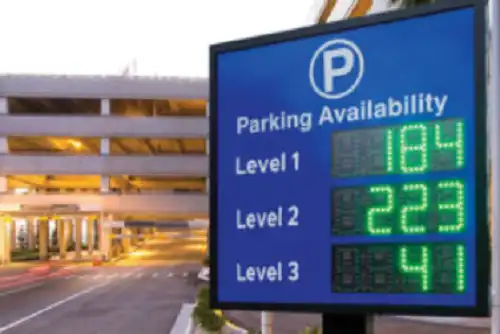
Intelligent parking management systems need indoor parking guidance display screens. Parking garages use these digital devices as dynamic information centers at access ramps, floor transitions, and aisle junctions. They provide real-time occupancy information to vehicles in complicated, multi-level locations, unlike static directional signs.
Core System Architecture
Many parts of the technology are related. Ultrasonic sensors, video cameras, and magnetic loop detectors notify a central control unit of occupied parking places. Zone space is calculated by the processing center from hundreds of detecting stations. Data is sent to strategically placed displays using RS485 daisy-chain networks or TCP/IP Ethernet, depending on facility design.
Display Technology Fundamentals
Bright LEDs guide drivers. Indoor Parking Advice Display screens employ two-color LEDs. Green lights indicate vacant spaces ahead, while red lights indicate filled spaces. Over 20 meters away, five- to eight-inch characters can be read, providing drivers time to respond in traffic. Advanced versions display number counts, directional lines, reserved space, electric vehicle charging stations, and accessible parking symbols using dot-matrix technology.
Operational Intelligence
Behind the scenes, 32-bit ARM processors update data quickly. For 200 milliseconds, this syncs physical occupancy and presented data. This near-instant update stops automobiles from following directions to a zone and finding it full seconds later. Due to their energy economy, these gadgets run on 15–30 watts. This cuts 24/7 display costs.
The Benefits of Using Parking Guidance Display Screens in Parking Garages
Implementing parking guidance display screens leads to measurable gains in a number of operating areas. These benefits range from short-term improvements in the driver experience to long-term strategy benefits for managing facilities and making the most of income.
Enhanced Driver Experience and Reduced Search Time
The main benefit is shorter parking searches. A commercial parking lot research found that real-time training helped drivers find spots 50% faster. This time savings decreases motorist stress and boosts parking facility satisfaction. Indoor Parking Guidance Display Screen reduces turning in rundown garages as cars wait in lanes. Simpler living and environmental protection result from this efficiency. Confined driving and reduced idling minimise carbon monoxide and particle pollution, enhancing driver and building worker health.
Optimized Space Utilization and Revenue Impact
Complex traffic management lets Indoor Parking Guidance Display Screens optimise capacity. Near elevators and lower-level exits, parking parks automatically. Due to capacity constraints, upper floors or isolated areas remain empty despite bustling entrances. By suggesting zones, traffic flows to available places across the building, sustaining occupancy. Hidden rooms may be empty, but overpopulation prevents organisations from turning people away. Rerouting traffic and boosting a 500-spot garage's utility from 70% to 85% provide 75 billable spots without adding space.
Safety Improvements and Emergency Integration
Safety concerns go beyond traffic. Clear, lighted directions prevent visual distractions and pauses. Clear screen instructions help forecast driver speeds and routes. Small parking garages reduce accidents. Shows clever indoor parking instructions Screens link to building-wide emergency networks. This allows screens be utilised immediately during evacuations or security threats. Using existing infrastructure, displays may instantaneously display evacuation routes, emergency instructions, and hazardous situations instead of parking places.
Operational Data and Management Insights
Sensor networks that feed guiding displays provide operational intelligence beyond navigation. Facility managers may see occupancy statistics by day, week, and season. Price, staffing, and maintenance decisions are made easier with this information. Underused locations may need to be reviewed for lighting, signage, and accessibility. However, high-demand locations may be able to afford higher pricing or infrastructure improvements to manage increased traffic.
Choosing the Right Indoor Parking Guidance Display Screen: Key Considerations for B2B Buyers
When buying parking guidance technology, it's important to think about a lot of different technical and business factors. To make the best choices, you need to know how the different system architectures, component specs, and vendor skills fit with the needs and operating situations of each facility.
Display Technology Selection
Simple LED/LCD choice. LED displays are the most common parking aid gadget since they are bright (800 to 1,500 nits) and visible in varied lighting situations. Even with drivers at extreme angles, LED modules may be seen horizontally over 120 degrees. High-quality LED arrays last 100,000 hours. LCD screens are fantastic for full-color displays or rich graphical information, but their lower brightness and viewing angles make them unsuitable for heavy directional guidance.
Communication Infrastructure Compatibility
Compatible system design affects installation and adaptability with planned or existing facility networks. RS485 daisy-chain displays along particular channels are affordable. Lower wire count than star topologies. This works for straight-line parking lots or typical traffic. TCP/IP Ethernet scalability and diagnostics enable remote firmware updates and display node troubleshooting. IP-based display solutions are preferable for buildings with structured cabling networks or plans to link them to building management systems, but they cost more.
Durability and Environmental Specifications
Work is hard in parking garages despite being indoors. Construction must be sturdy due to brake dust, temperature and humidity changes, and vehicle impacts. Nice Indoor Parking Guidance Display Screen devices' IP54 shells protect dust and water. Electrostatically powder-coated cold-rolled steel or aluminium enclosures are durable and professional. While preserving clarity, tempered glass front panels protect LED modules from collisions. Purchase requirements should specifically state lifetime criteria and request evidence of how the product will be evaluated and how long it will last when used continuously.
Vendor Support and Service Capabilities
Technical support and warranty conditions effect ownership costs beyond purchase price. The full-service package should include site assessment, planning for connection to existing parking management systems, expert installation supervision, system calibration, and staff training during commissioning. 24/7 technical support fixes issues promptly after installation, which might be a problem during excessive use. Two-year ZOJE warranties and ISO 9001:2015-certified manufacturing methods reassure procurement teams the system will endure.
Installation and Maintenance Guide for Indoor Parking Guidance Display Screens
System setup that works well needs careful planning and execution, including evaluating the site, installing hardware, setting up software, and following upkeep procedures on a regular basis. Paying attention to these execution details will decide whether guidance systems work as well as they could or become frustrating over time.
Pre-Installation Site Assessment
Equipment purchase and installation need facility assessment. This study maps a parking building's design and ideal display locations at driver-choice crossroads. Traffic flow analysis indicates routes and where traffic may stop and require support. Mounting surfaces, electrical infrastructure, and network connections are physically evaluated. Environmental awareness includes checking screen brightness to meet laws and recognising locations that may be harmed by water, severe temperatures, or autos to take additional care.
Professional Installation Standards
Securely installing gadgets, connecting wires, and communicating data need IT expertise. Display panels should face approaching traffic lanes and account driver sight lines and visual obstructions for optimal viewing angles. Mounting hardware must not affect display stability from vehicle vibrations or small crashes. Overcurrent-protected wires should be installed away from loud lift motors and HVAC systems. Following structured wiring best practices, cabling management solutions safeguard connections and enable services.
System Integration and Configuration
Building is simply the start of feasibility. Recognition sensors, control processors, and displays communicate via software. It manages data refresh, display formatting, and zone identification. Parking management systems may unify operations. Facility operators may verify occupancy and guiding system functionality from one interface. For end-to-end operation, pre-commissioning testing simulates occupancy and screen updates within delay constraints. Recording Indoor Parking Guidance Display Screen system settings and network structure solves problems and planned expansion.
Ongoing Maintenance Protocols
System maintenance is needed for preventive and repair services. Cleaning the screen and air holes frequently boosts brightness and reduces heat. Calibration ensures sensor accuracy. Recalibrate abnormal units. Planned maintenance firmware upgrades improve security and performance. Facility staff may apply troubleshooting tips to address communication difficulties and damaged displays and contact the manufacturer for more complex concerns. ZOJE's 24/7 technical support provides operational assistance quickly.
Future Trends and Innovations in Indoor Parking Guidance Systems
Smart city infrastructure, sustainability rules, and connected vehicle ecosystems are all pushing parking guidance technology to keep improving quickly. When procurement professionals know about new capabilities, they can make investment choices that will still be useful as business needs and technology options change.
Energy Efficiency and Sustainability Integration
Construction technology is increasingly influenced by environmental concerns. New Indoor Parking Guidance Display Screens use ultra-low-power LED modules and smart brightness control to save energy without compromising eyesight. Rooftop solar panels cut grid power use in establishments with roof access. Materials prioritise recycling and environmental friendliness throughout production. Sustainable companies and LEED or BREEAM green building approval criteria identify parking garages and significant structures.
IoT Connectivity and Cloud-Based Management
IoT designs alter more than parking directions. Cloud-connected displays get configuration updates and operational telemetry for remote facility monitoring. Mobile apps and parking structures notify drivers of space before arrival. It helps locate a route and minimise traffic. Using occupancy data, predictive analytics forecasts space availability. Off-peak consumption and peak demand revenues may grow with dynamic pricing. APIs may provide parking data to traffic management systems. Traffic and town congestion improved.
Artificial Intelligence and Automated Guidance
Complex guidance systems using parking behaviour pattern analysis and machine learning are conceivable. AI algorithms assess how long drivers wait in lineups, how close the space is to where they want to go in mixed-use projects, and each driver's preferences learned by using mobile apps frequently to find the nearest empty parking spot. Integration with self-driving vehicle navigation is new. Parking guidance infrastructure directly communicates with vehicle control systems to automate space claims and searches.
Customisation for Complex Environments
More B2B buyers desire facility-specific operations solutions. Using shop use data, super-regional malls must route cars to nearby stores. Airport parking lot displays show flights and available places. This helps visitors locate parking fast based on aeroplane departure times and gate assignments. The designated parking in corporate office buildings has access control and license plate recognition. VIP and elite parking is simplified. With its project experience, ZOJE offers flexible OEM and ODM partnership agreements with innovative solutions.
Conclusion
Modern parking guidance display technology improves productivity, customer pleasure, safety, and income. Indoor Parking Guidance Display Screen is the essential link between complicated sensor networks and drivers who need unambiguous instructions. When buying these systems, procurement specialists should understand the fundamentals, see what the vendor can do beyond the price, and look for new technologies that might affect the system's future. ZOJE's durable hardware, integration options, vast customisation options, and continual support keep parking garages performing better after deployment. As parking management gets harder, sites that work with experienced manufacturers that value innovation and service will flourish.
FAQ
1. How quickly do parking guidance displays update when spaces become available or occupied?
High-quality systems like ZOJE's ZOJE-31 series keep display updates and occupancy changes synchronised within 200 milliseconds. This virtually immediate update ensures drivers obtain current space information instead of outdated information that may direct them to full zones. These displays' 32-bit ARM processors prioritise fresh sensor data to keep guiding accurate during heavy traffic when occupancy levels change fast.
2. What happens if network connectivity to displays is interrupted?
Pro Indoor Parking Guidance Display Screens provide offline fallbacks to prevent false information when connectivity breaks. After losing connection with the central supervisor for longer than a defined period, a monitor flashes dashes or turns off instead of providing occupancy information. This fail-safe architecture prevents cars from following incorrect directions when the system fails, protecting the facility and consumers.
3. Can guidance displays accommodate special parking types like accessible spaces or EV charging stations?
Modern technologies like dot-matrix and full-color screens allow symbol libraries to be more than numbers. Displays might indicate wheelchair symbols for accessible parking, battery icons for electric car charging, or distinctive graphics for restricted areas. The Indoor Parking Guidance Display Screen software helps facility managers create zone kinds and provide visual signs. Drivers can easily identify establishments that fit their requirements without going the wrong way.
Transform Your Parking Operations with ZOJE's Advanced Display Solutions
With over twelve years of smart parking management expertise, ZOJE delivers proven Indoor Parking Guidance Display Screen technology. Our ZOJE-31 line offers high-brightness LEDs for visibility, robust wireless connectivity to eliminate cumbersome wiring, and smooth central controller synchronisation to ensure real-time accuracy. We provide ISO 9001:2015-certified production, two-year warranty coverage, and 24/7 worldwide technical support to facility managers, buying teams, and engineers seeking trusted Indoor Parking Guidance Display Screen suppliers. Please email our team at info@zoje-tech.com to talk about the specific needs of your building and to look into the customisation options that are available for shopping centers, airports, office buildings, apartment complexes and commercial parking lots. Visit zoje-parking.com to learn how our full service package, which includes fast delivery within 5–7 days for standard configurations and flexible OEM partnerships, can help your project succeed from the beginning of planning to long-term operational excellence.
References
1. International Parking & Mobility Institute (2021). Smart Parking Technology: Implementation Guidelines for Municipal and Commercial Facilities. IPMI Technical Report Series.
2. Chen, M. & Rodriguez, P. (2020). "Real-Time Occupancy Detection Systems in Multi-Level Parking Structures: Performance Analysis and User Impact Studies." Journal of Intelligent Transportation Systems, 24(3), 245-262.
3. Urban Land Institute (2022). Parking Infrastructure Design Standards: Technology Integration and User Experience Optimization. ULI Development Guidelines, 8th Edition.
4. National Parking Association (2021). "The Economic Impact of parking guidance systems on Commercial Facility Revenue and Operational Costs." Parking Professional Magazine, Annual Technology Review, 18-31.
5. Zhao, Y., Thompson, K., & Williams, J. (2023). "Energy Efficiency and Sustainability in Smart Parking Infrastructure: LED Display Technology Advancements." Building Services Engineering Research and Technology, 44(1), 78-95.
6. Society of Automotive Engineers (2022). Surface Vehicle Information Report: Parking Facility Guidance Systems Performance Requirements. SAE J2945 Standard Documentation.

Send Inquiry
You may like

Related Industry Knowledge
- Front-Mounted Ultrasonic Parking Space Detector Buyer’s Guide for Parking Operators
- How Radar Vehicle Presence Sensor for Barrier Gate Improves Access Control
- Why Automatic Pay Kiosk for Commercial Parking Projects Boosts ROI
- Why Parking Operators Choose Parking Automatic Payment Station Integrated with LPR System
- Parking Management Barrier Gate Features & Integration
- Interlocking Full-Height Turnstile Gate Structure
- Is Collision-Proof FlapTurnstile Cost-Effective?
- License Plate Recognition for Logistics and Fleet Control
- Where to Buy License Plate Recognition Systems Online?
- Best High Accuracy LPR Parking System Solutions in 2026