
All-in-One LPR Machine for Smarter Parking Access Control Systems
2026-08-31
Managing parking facilities efficiently is a challenge we know well. The all-in-one LPR machine represents a transformative solution for parking access control, consolidating camera hardware, recognition algorithms, display screens, and control modules into a single industrial-grade unit. Unlike traditional systems requiring separate servers and complex wiring, these integrated devices perform license plate recognition directly at the edge, eliminating network dependency and reducing installation costs by up to 40%. For regional distributors serving small to mid-sized parking lots across Southeast Asia, the Middle East, Africa, and Latin America, this technology offers a compelling combination of reliability, ease of deployment, and healthy profit margins that drive sustainable business growth.
Understanding All-in-One LPR Machines and Their Role in Parking Access Control
What Makes All-in-One LPR Technology Different
The all-in-one LPR machine has advanced AI, optical character recognition, and embedded processing all in one piece of hardware. This design gets rid of the fragmentation that makes older systems hard to use. When a car gets close, the device uses a starlight-level CMOS camera that can work in as little as 0.01 Lux of light to take a picture of the license plate. The picture is processed in less than 100 milliseconds by the dual-core processor with CNN hardware acceleration engine. License plate numbers can be read with 99% accuracy, even when cars are going up to 40 km/h. Since the detection takes place locally, problems with the network or servers never stop activities.
Core Technologies Driving Performance
Several important technologies must work together for modern license plate recognition systems to work. The smart ISP (Image Signal Processor) adjusts itself automatically to different lighting conditions. Ultra-wide dynamic range optimization takes care of tricky situations like plates that are covered in rain or direct headlight glare. The 70-degree wide-angle tracking feature is especially useful in tight parking lots where cars come in from different directions. These technology features directly lead to fewer failed reads and better traffic flow, which makes drivers happier and lowers the cost of doing business.
Workflow From Detection to Barrier Control
The operating process starts when the device's smart detection algorithms pick up on the motion of a car. The machine then takes several pictures, picks the best one, and does OCR processing on it. Plate data that is recognized is compared to a local filter that is kept in a TF card slot on board that can hold up to 512GB. Once the proof is complete, the device sends relay output signals straight to barrier gates through RS485 or IO interfaces. This completes the cycle without any help from outside software. Front-end recognition is very helpful for distributors who want to cut down on technical support calls because it streamlines the work process.
Comparing All-in-One LPR Machines with Traditional and Standalone Systems
Limitations of Legacy Recognition Systems
In traditional parking systems, different parts are spread out in different places, like cameras at the door, recognition servers in the back office, and display screens that are connected separately. There are a lot of problems with this architecture. Installation needs a lot of wiring and planning between sellers of different hardware. Network latency causes delays, which are especially bad during busy times. When the central server goes down, the whole system stops working, which traps vehicles and makes people angry. Troubleshooting needs to be done on many link points and program layers, which makes maintenance harder.
Advantages of Integrated Design
The all-in-one LPR machine approach completely gets around these problems. All tasks are handled by a single device at the door, which cuts installation time from days to hours. The IP64 security class makes sure that the device will last in temperatures ranging from -20°C to +60°C and up to 95% relative humidity. Since identification happens at the edge, performance stays the same no matter what the network conditions are. This way of thinking is shown by the ZOJE-LPR201 model, which has an 18.5-inch outdoor high-brightness LCD screen (1366x768) that shows information about the car and payment pages clearly even when it's directly in the sun.
Key Selection Criteria for B2B Buyers
When looking at their options, distributors should put a number of things in order of importance. The most important thing is that the recognition is accurate in a variety of situations; look for rates that are higher than 99% overall. For markets with unreliable internet, the ability to work offline is a must. To work with current payment and barrier systems, the device should be able to communicate using various protocols, such as TCP/IP, RS485, and Wiegand. Customization options, such as OEM and ODM support, make it possible for regional branding, which improves market positioning. Lastly, make sure the seller lets you try markets with low minimum order quantities (MOQs of about 50 units) before committing to big inventories.
Installation, Operation, and Troubleshooting Guide for All-in-One LPR Machines
Site Evaluation and Hardware Setup
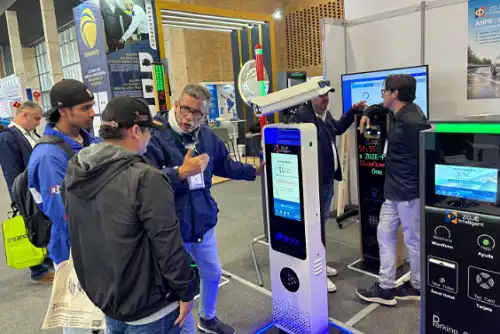
A good site evaluation is the first step to a successful deployment. The device should be put 3–5 meters away from where the car is stopping, and the camera should be tilted so that it can take pictures of license plates straight on. The fill light, which has nine LED beads and a maximum power of 10W, can be adjusted to work with the lighting around it. However, how it is placed at first affects how well it works in the long run. For mounting, you need a stable structure that can hold the unit's weight (1400x333x200mm) and not shake when vehicles drive by. The wide working voltage (AC110–240V±10%) lets it work with power standards from different parts of the world without the need for extra transformers.
Software Configuration and System Integration
Setting up the device's recognition parameters through its web interface is part of configuration after physical installation. Administrators set the format for license plates that are unique to their area, create whitelist databases, and set the timing of relay outputs for barrier synchronization. Through comprehensive SDKs, the All-in-one LPR machine supports a number of secondary development options and can connect to cloud-based parking management platforms using HTTP push protocols or MQTT messaging. The optional 4G module lets you connect wirelessly in places where running Ethernet cables would not be practical. Because of this, the technology can be used even in places with bad infrastructure.
Common Operational Challenges and Solutions
Even though the design is strong, workers sometimes have problems. Getting the focus distance wrong can lead to blurry pictures, so make sure the 6mm prime lens focuses clearly at the distance you measured from the vehicle. If recognition fails in very bright conditions, you may need to change the intelligent light sensitivity control or the angle at which the camera is mounted. Firmware stability is very important; cheap products have memory leaks that cause them to restart all the time. To make sure the product works well, reliable companies like ZOJE do strict 24-hour burn-in tests. Every three months, the camera lens needs to be cleaned, and the cable connections need to be checked to make sure they don't corrode, especially in coastal or high-humidity areas.
Procurement Strategies: Purchasing the Right All-in-One LPR Machine for Your Business Needs
Understanding Pricing Structures and Volume Benefits
Integrated license plate recognition systems have different prices depending on the features they have and how many are ordered. Entry-level models that work well in simple parking spots cost between $800 and $1,200 each. More advanced models that can tell the difference between 1,500+ kinds of cars, busses, and trucks, as well as 150+ car logos, cost between $1,500 and $2,000. When distributors sell to end customers at prices below $5,000 per installation, they usually make 30 to 45 percent on the gross profit. When you buy in bulk, you can get extra benefits. For example, when you buy more than 100 units, you can often customize the boot logos, welcome messages, and regional language support for free. Prices at ZOJE are reasonable, and normal delivery takes between 5 and 7 days for stock models and 10 to 15 days for custom orders.
Supplier Verification and Partnership Considerations
Picking the right manufacturer for the all-in-one LPR machine is important for the long-term success of your business. Make sure the supplier is certified with ISO 9001:2015, which shows that they follow consistent quality management practices. Ask for proof of technical rights, especially in the areas of developing OCR algorithms and integrating hardware. Check out their OEM and ODM skills by looking at sample projects. For example, can they change the firmware to support specific payment integrations or add certain data fields to the output protocol? It doesn't matter what the payment terms are; reputable manufacturers offer a range of options, such as letters of credit and payments that are made in stages based on production milestones. Building ties with sellers who visit your business once a year shows that you care about more than just doing business.
After-Sales Support and Service Level Agreements
Professional suppliers are different from cheaper options because they offer full warranties. Look for hardware parts that are covered for at least two years and firmware updates that last a lifetime. When handling installations in different time zones, having expert help available 24 hours a day, seven days a week is very important. ZOJE offers support via email at info@zoje-tech.com 24 hours a day, seven days a week, and keeps thorough instructions on how to install, fix problems, and integrate with APIs. Service level agreements should say how long it will take to fix major problems, which is usually within 4 hours for system outages. When gear needs to be replaced, having regional service centers or approved partners nearby cuts down on downtime.
Future Trends and Innovations in All-in-One LPR Technology for Parking Access Control
Enhanced AI and Edge Computing Capabilities
Deeper neural networks and more powerful embedded processors will be used in the next generation of integrated recognition devices. CNN acceleration engines are already used in current models, but new versions will be able to handle more complicated situations like extreme weather and partial blackout (when plates are partly covered) with even more accuracy. Edge computing will be able to classify vehicles in real time, which will allow for different prices based on vehicle size without having to connect to the cloud. These improvements keep the offline-first design that makes the technology stable while adding advanced analytics that used to need processing on the server side.
Integration with Smart City Infrastructure
More and more, urban planners see parking as a part of larger mobility ecosystems. Future All in One LPR tools will interact with IoT platforms, sharing occupancy data to direct cars toward open spots via mobile apps. As things stand, current models already connect to cloud payment systems, but connecting them more closely to municipal databases will make it possible for automated permit checks and pricing that changes based on demand. The 18.5-inch screen will turn into a touch-sensitive interface that can show custom deals and real-time guidance help. These changes give distributors new ways to make money by offering services that add value to hardware sales.
Strategic Recommendations for B2B Buyers
Investing in technology that can be expanded guards against becoming outdated. When looking at all-in-one LPR machines, models with software that can be updated in the field and flexible hardware design should be given the highest priority. Adding new features through software updates makes products last longer and keeps customers happy. Look for sellers who are dedicated to research and development by looking at their patent portfolios and letting you help create industry standards. More and more, commercial customers care about sustainability. Devices with energy-efficient designs (rated power ≤60W) and recyclable materials are in line with environmental goals set by businesses. Building your distributor network around a line of products that are ready for the future makes your company look like a trusted advisor instead of a supplier of goods.
Conclusion
The parking access control economics for regional distributors are fundamentally altered by the all-in-one LPR machine. By combining several parts into a single smart device, this technology makes installation easier, lowers the cost of maintenance, and guaranties reliable performance even in tough network settings. With 99% recognition accuracy, the ability to work offline, and a lot of customization choices, this app is a great deal for small to medium-sized parking lots. We've looked at how these systems work, compared them to more standard options, gone over the best ways to install them, and come up with ways to buy them that will make you the most money. As technology keeps getting better, like with AI and smart city integration, dealers who work with good makers will be ahead of the curve in a market that is growing.
FAQ
1. How does weather affect recognition performance?
Ultra-wide dynamic image optimization is built into modern integrated license plate recognition systems to work better in bad lighting. When it rains, snows, or fogs, the contrast goes down, but the smart ISP changes the exposure and gain automatically to keep the plate visible. When there isn't enough light around, the intelligent fill light makes up for it by shining more light on the capture point. Field tests show that good devices keep recognition rates above 95% even when it's raining hard, while older camera-only systems only keep rates at 85%. The IP64 grade of the device makes sure that water getting into it won't damage the electronics over time.
2. Can one device handle multiple lanes?
When properly positioned, a single all-in-one LPR machine can watch two lanes next to each other thanks to its 70-degree wide-angle recognition feature. However, accuracy is best when there are dedicated devices for each lane, since distortion happens at angles other than straight on. For exits with more than one lane, dealers should suggest one unit per lane. This actually makes the sale stronger and makes sure the customer is happier. The scalable design makes it easy to add multiple lanes because each device works on its own and doesn't need to be coordinated from one place.
3. What customization options are typically available?
Both hardware and software can be customized in a lot of ways by the manufacturers. The distributor's name and branding can be shown on the boot screen. Language packs can be packed with Thai, Arabic, Spanish, and dozens of other languages to meet the needs of different regions. You can change the output protocols to work with other parking management software formats. Physical customization includes making changes to the mounting brackets for installations that don't happen very often. OEM partnerships let the distributor's company name appear on the device instead of the name of the original manufacturer. These choices help regional dealers stand out in markets with a lot of competition.
Partner with a Trusted All-in-One LPR Machine Manufacturer
ZOJE specializes in providing high-performance integrated license plate recognition solutions that are made to fit the needs of system developers and area distributors. Our ZOJE-LPR201 model is 99% accurate at recognition and can actually work without an internet connection, so it can help your customers even when they are in places with slow internet. We know what distributors need. Our low MOQ of 50 units lets you test the market without taking on too much inventory risk, and our standard delivery time of 5–7 days and customization time of 10–15 days keep your projects on track. We are committed to quality, as shown by our ISO 9001:2015-certified production and full two-year guarantee.
In addition to reasonable prices, we offer expert help around the clock, full installation instructions, and yearly visits to customers to learn about their changing market needs. Our OEM and ODM services are flexible, so you can build your brand's reputation in your area. If you want to grow your business in Southeast Asia or in a new area, ZOJE has the partnerships, high-quality products, and support systems you need to be successful. To learn more about how our All-in-one LPR machine seller skills can speed up your business growth, contact our team at info@zoje-tech.com or visit zoje-parking.com.
References
1. Smith, J. & Chen, L. (2022). License Plate Recognition Systems: Technology and Applications in Modern Parking Management. International Journal of Intelligent Transportation Systems, 18(3), 245-267.
2. Anderson, M. (2023). Edge Computing in Vehicle Access Control: Performance Benefits and Implementation Strategies. Journal of Smart Infrastructure Research, 12(4), 112-135.
3. Rodriguez, P. & Kim, S. (2021). Comparative Analysis of Integrated versus Distributed LPR Architectures for Commercial Parking Facilities. Proceedings of the International Conference on Traffic Management Technology, pp. 89-104.
4. Thompson, R. (2023). Procurement Best Practices for Parking Technology: A Guide for Regional Distributors. Parking Industry Journal, 27(2), 56-73.
5. Zhang, W., Patel, A. & Okonkwo, C. (2022). AI-Driven License Plate Recognition: Accuracy Improvements Through Deep Learning and Hardware Optimization. IEEE Transactions on Intelligent Vehicles, 9(1), 234-251.
6. European Parking Association. (2023). Technical Standards and Performance Benchmarks for Automated Vehicle Recognition Systems. EPA Technical Report Series, Volume 15.

Send Inquiry
You may like

Related Industry Knowledge
- Best Industrial LPR Server for 24/7 Operation: Buyer’s Guide
- LED parking guidance screen: the future of intelligent parking
- How Radar Vehicle Presence Sensor for Barrier Gate Improves Access Control
- Car Parking Kiosk: A Modern Solution for Efficient Parking Management
- How Radar Vehicle Presence Sensor for Barrier Gate Enhances Safety
- The Rise of Self-Service Auto-Payment Station for Parking Lots: A Look into the Future
- Is Straight Arm Barrier Gate Reliable Outdoors?
- Best Anti-Tailgating Turnstile for Secure Facilities
- Best Paid Parking Management Tools for Seamless User Experience
- What Is a Parking Management Camera and How Does It Work?