
How Radar Vehicle Presence Sensor for Barrier Gate Enhances Safety
2026-06-23
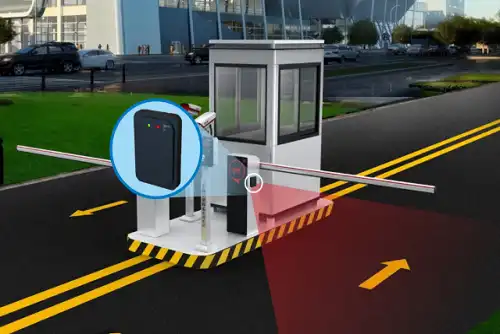
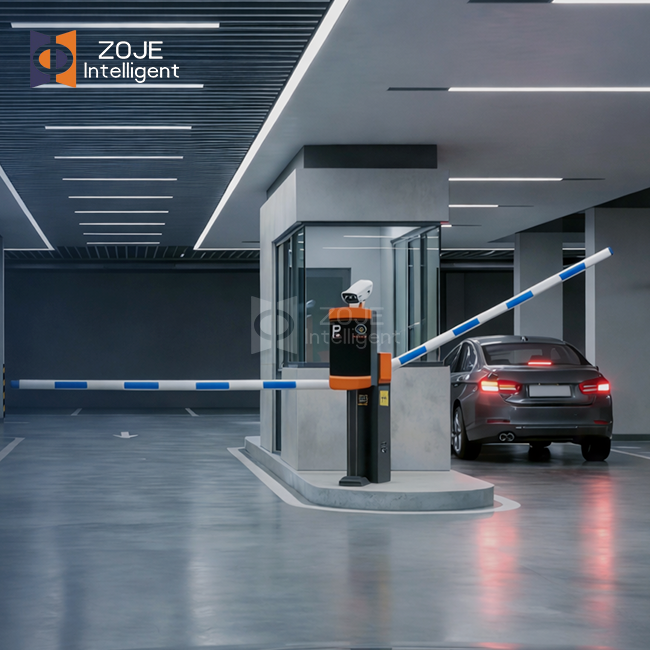
Radar Vehicle Presence Sensor for Barrier Gate: Make barrier gates safer by detecting vehicles and people milliseconds before the gate closes, protecting them from being hit. Radar technology uses millimeter-wave signals to reliably find people within customizable zones, while standard inductive loop detectors can be messed up by weather and composite car materials. This advanced detection feature gets rid of accidents caused by tailgating in commercial parking lots and between barrier arms in areas with a lot of traffic. This cuts down on property damage and liability risks in shopping malls, airports, neighborhoods, office buildings, and commercial parking lots.
Understanding Radar Vehicle Presence Sensor for Barrier Gate
Modern access control needs monitoring systems that work the same way in all kinds of situations. Radar technology completely changes how barrier gates detect and react to vehicles, providing features that older systems can't match.
How Millimeter-Wave Radar Finds Things?
Focused electromagnetic waves are sent out by radar instruments and bounce off of metal and non-metal objects. The ZOJE-RA2 uses Frequency Modulated Continuous Wave (FMCW) technology to send messages in the millimeter wave range that bounce back when they hit cars. The system very accurately figures out distance, speed, and object size by looking at the time delay and frequency change of the signals that are sent back. This constant tracking confirms presence in real time, which lets barrier systems decide in a split second how to operate gates. The technology works regardless of the lights around it, so it works just as well in bright daylight as it does at night.
Main Advantages Over Older Methods of Detection
Radar delivers superior detection reliability for barrier gates. Traditional inductive loops struggle with carbon-fiber vehicles and motorcycles lacking sufficient metal content. Radar systems detect all vehicle types regardless of construction material, ensuring no vehicle goes undetected. Wide detection ranges cover multiple lane widths without additional sensors, typically extending 3 meters forward with adjustable lateral zones. Response times under 30 milliseconds enable immediate barrier arm activation, preventing collisions. Surface mounting eliminates costly concrete cutting, reducing project timelines from days to hours while preserving pavement integrity.
Helping to make access control safer in business settings
Detection reliability translates directly to safety improvements. At shopping mall gates processing hundreds of vehicles hourly, radar prevents tailgating that could cause vehicles to strike descending barriers. Programmable sensing zones adapt to different traffic patterns, creating facility-specific virtual safety perimeters. Office buildings benefit from pedestrian filtering—advanced algorithms distinguish human movement from vehicle presence, enabling security protocols to restrict pedestrian access while allowing authorized vehicles seamless entry. Commercial operators can potentially lower insurance premiums by maintaining safety documentation, as radar systems keep auditable detection logs.
Comparing Radar Vehicle Presence Sensors with Alternative Technologies
It's important to know how different systems work in real life in order to choose the right monitoring technology. Long-term upkeep costs, system reliability, and general safety are all affected by choices about what to buy.
Analysis of Performance Across Detection Methods
Inductive loop detectors require saw-cut holes with buried wire coils beneath the surface. Installation disrupts traffic and weakens pavement. Loop systems cannot detect lightweight motorcycles or composite-bodied vehicles, creating safety gaps. Freeze-thaw cycles damage embedded wires, requiring costly ground-cutting repairs. Infrared sensors are easier to install but fail in adverse weather—raindrops cause false readings, while fog and snow block sensing beams completely. Ultrasonic monitors struggle with temperature changes and wind. Radar Vehicle Presence Sensor for Barrier Gate overcomes these limitations through electromagnetic waves unaffected by lighting, weather, or atmospheric conditions.
How hard the installation is and how much it costs all together?
Traditional loop detector installation at a single-lane barrier typically requires 4-6 hours of labor plus surface restoration materials. Traffic control measures during installation increase project costs. The ZOJE-RA2 mounts directly to existing barrier housing in approximately 20 minutes using basic hand tools and simple wiring connections—no specialized labor or heavy equipment required. Loop detectors incur maintenance costs approximately 15-20% of initial installation over a 5-year operating period due to wire corrosion and pavement degradation. Radar sensors require minimal maintenance beyond occasional housing cleaning.
Resilience to bad weather and dependability in operations
Traditional detection methods face particular challenges in harsh winter climates. Snow accumulation buries ground-level loops, while ice formations disrupt infrared beam patterns. Radar signals penetrate rain and weather conditions without attenuation, maintaining accurate detection during blizzards, hurricanes, and dust storms. Airport security gates operating 24/7 demonstrate radar reliability—systems continue functioning when fog obscures visual sensors and rain scatters ultrasonic waves. IP67 waterproof housing protects internal electronics even during high-pressure washing or flooding, ensuring uninterrupted access control regardless of weather conditions.
Installation and Integration Guide for Radar Vehicle Presence Sensors
Whether radar technology lives up to its full promise depends on how well it is used. Strategic planning and following the right installation steps will guarantee top performance from the start.
Site Evaluation and the Best Placement
Site assessment precedes any detection equipment installation. Accurate lane width measurement affects detection zone configuration. Identify potential interference sources like adjacent metal structures, moving tree branches, or nearby vehicle radar that could degrade signal quality. Mount sensors on barrier housing with clear view of oncoming traffic, approximately 0.8-1.2 meters above ground. Avoid positioning where moving barrier arms could intermittently block detection fields. Separate sensor placement at multi-lane sites prevents cross-channel interference.
How to mount things and basic wiring information?
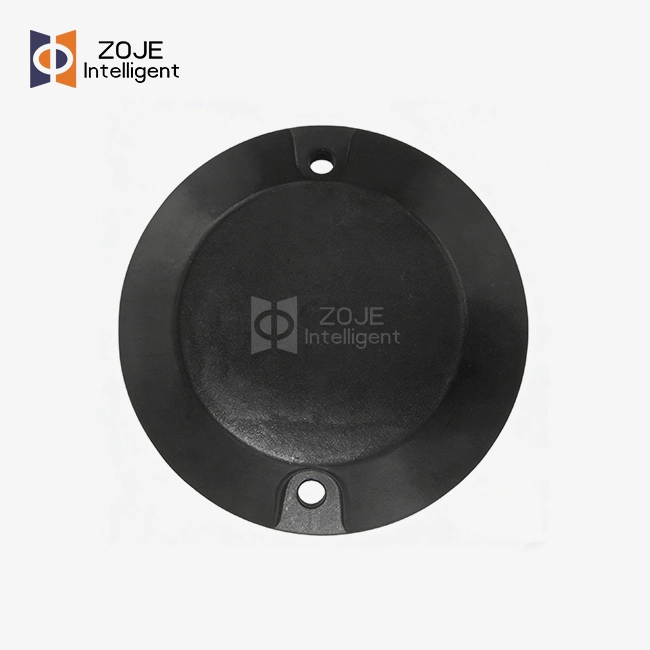
The ZOJE-RA2's compact 107.5×73.2×18mm dimensions fit various barrier housing styles. Secure sensors with stainless steel brackets to prevent misalignment during barrier operation. Run power and data cables through protective conduit for environmental protection. Connect 10-16V DC power supply with correct polarity before powering on. Establish RS485 communication with barrier controller using twisted-pair wiring with proper termination resistors. LED indicators—red for power status, green for detection confirmation—provide instant visual feedback during initial testing.
Solutions for Common Problems
Signal confusion sometimes occurs with multiple radar sources operating simultaneously. Adjust frequency channels through configuration tools to eliminate cross-talk with adjacent sensors. Calibration drift rarely affects quality radar units but periodic verification using test vehicles at known distances confirms detection triggers function at expected ranges. Environmental factors like moving signs or vegetation in the sensing field may occasionally cause false detections. Adjust detection zone boundaries to exclude these peripheral areas while maintaining adequate vehicle coverage. The ZOJE-RA2's parameter memory protection instantly restores configuration after power outages.
Procurement Considerations for Radar Vehicle Presence Sensors
To choose the right detection tools, you have to weigh the technical specs against the working needs and budget of your building. Making smart choices about Radar Vehicle Presence Sensor for Barrier Gate procurement will pay off in the long run by improving safety and lowering total cost of ownership. Proper selection ensures reliable vehicle detection, reduced maintenance, and enhanced access control performance across diverse facility types.
Important Criteria for Selection
Procurement professionals prioritize detection range—ensure sensors cover required distances without excessive overshoot into adjacent lanes. The ZOJE-RA2 offers configurable zones from 0.5-3 meters forward for various lane layouts. Environmental suitability is crucial for outdoor installations—verify operating temperature ranges match climate extremes. The -40°C to +85°C range covers Arctic cold to desert heat. Detection accuracy impacts safety success—look for sub-30ms response times and proven target classification distinguishing vehicles from pedestrians. Power consumption affects operating costs.
Evaluation of Suppliers and Quality Control
Supplier reliability significantly impacts project success beyond technical specifications. ZOJE maintains ISO 9001:2015 certification demonstrating systematic quality management. Verify potential suppliers conduct comprehensive testing including thermal shock, IP67 waterproof verification, and electromagnetic interference testing. Request Mean Time Between Failures data—reputable manufacturers document MTBF exceeding 100,000 hours through accelerated life testing. OEM/ODM capabilities indicate manufacturing flexibility for custom applications. Patent portfolios demonstrate genuine innovation beyond rebranded products.
Terms of the warranty and support after the sale
Two-year warranties represent industry standard for quality radar sensors. Review warranty terms carefully—comprehensive coverage includes parts and labor, while limited coverage may exclude installation costs. After-sales support accessibility proves critical during field issues. ZOJE provides 24/7 technical support through multiple contact methods for prompt barrier gate issue resolution regardless of time zone. Annual customer visits demonstrate commitment to long-term partnerships. Volume pricing for multi-site deployments should be balanced against actual needs to avoid excess inventory.
Real-World Impact: How Radar Sensors Enhance Barrier Gate Safety?
The measured safety gains that radar detection brings are shown by real-world experience in a wide range of settings. The technology's value can be measured with industry data and business measures.
Safety improvements in business settings that can be proven
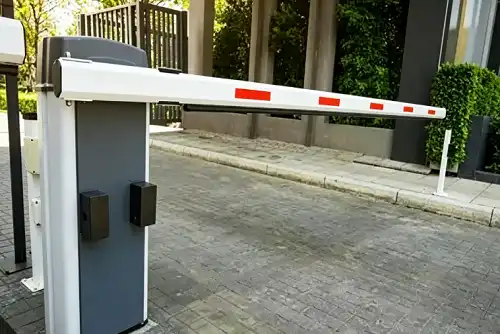
A shopping mall network replaced legacy loop detectors with Radar Vehicle Presence Sensor for Barrier Gate at 47 sites, recording 89% reduction in barrier-arm collisions over 18 months compared to previous three-year average. Customizable zones prevented tailgating during peak holiday periods. An airport parking facility switched from infrared to radar, resolving morning fog reliability issues. Radar Vehicle Presence Sensors for Barrier Gates achieved 99.7% uptime over 12 months regardless of weather, compared to 87% with previous technology, reducing complaints and emergency service calls.
Gains in operational efficiency
In addition to improving safety, radar devices also make traffic move more smoothly by responding faster and more accurately. A corporate office park that handles 1,200 daily vehicle entries saw average gate cycle times drop by 2.3 seconds per vehicle after radar was installed. This meant that drivers no longer had to wait for 46 minutes every day. Less time spent at entry gates meant less traffic on nearby public streets during morning rush hours. A gated neighborhood with 350 homes got rid of fake alarms that used to cause annoying gate openings. This cut down on chances for people who weren't supposed to be there to get in and saved power by stopping pointless gate cycles. Because the radar system could block human movement while still finding cars, walking residents could approach gates for keypad entry without setting off early opening alarms. This improved security without blocking legal access.
Using New Technologies Together
At the moment, radar research is mostly focused on better target recognition and smart automation integration. Modern signal processing algorithms can now tell the difference between different types of vehicles, like small cars, SUVs, and trucks. This lets facilities with limited space set size-based entry limits. When license plate recognition systems are integrated, they create multi-factor identification. Radar confirms the location of the car, and cameras confirm the driver's identity, adding more layers of security. Continuous performance tracking through cloud connectivity allows predictive maintenance, letting facility managers know about slowing down detection before problems happen. With these new features, radar technology is becoming an important part of smart building entry control systems. This means that long-term investments in infrastructure can keep up with changing security needs. The ZOJE-RA2 can remotely update its software, which means that installed sensors can get better performance and new features without having to be physically replaced. This protects capital spending by making the sensors last longer.
Conclusion
In conclusion, Radar Vehicle Presence Sensor for Barrier Gate provides significant improvements in safety through reliable all-weather detection, quick reaction times, and precise vehicle identification that conventional technologies cannot match. Getting rid of the need to modify the pavement cuts down on building costs and project timelines while keeping the purity of the surface. Operational data from business parking lots, airport infrastructure, and residential areas shows that accidents have gone down and traffic flow has gotten better. To choose sensors that meet specific practical needs, procurement professionals should look at things like detection range, environmental requirements, and provider qualifications. The ZOJE-RA2 is a great example of what modern radar can do because it has customizable detection zones, IP67 weather protection, and a variety of connectivity choices that make it easy to use in a wide range of barrier gate applications.
FAQ
1. Can radar devices still work well when the weather is really bad?
Radar works best in rough places where visual and sound sensors don't work. Millimeter-wave transmissions can pass through rain, snow, fog, and dust without being weakened much. This means that they can still be accurately detected during blizzards, thunderstorms, and dust storms. With a working range of -40°C to +85°C, the ZOJE-RA2 can work in very cold places like the Arctic and very hot places like the desert. The IP67 grade for waterproofing makes sure that the electronics inside are safe during pressure washing, heavy rain, and short-term floods, which would damage less-protected equipment.
2. Compare radar and loop detectors in terms of how easy they are to maintain.
Freeze-thaw cycles damage ground and embedded cables, so loop detectors need to change their wires every so often. For maintenance, more cuts have to be made in the sidewalk, which causes traffic problems. Radar devices don't need much upkeep other than cleaning the housing every so often, and there are no hidden parts that could break down in bad weather. The solid-state design doesn't have any moving parts or parts that wear out and need to be replaced. This means that it costs about 85% less to maintain over its lifetime than loop systems.
3. How long do places think good radar devices will last?
Reputable makers record Mean Time Between Failures of more than 100,000 hours, which is about 11 years of nonstop running 24 hours a day, seven days a week. The ZOJE-RA2 goes through a lot of strict quality checks, such as being screened for temperature shock and electromagnetic interference. Actual service life usually goes beyond MTBF estimates as long as sensors are protected from the surroundings and mounting gear stays in place.
Partner with ZOJE for Advanced Barrier Gate Safety Solutions
The ZOJE-RA2 is a state-of-the-art Radar Vehicle Presence Sensor for Barrier Gate designed to meet the needs of demanding business, residential, and industrial entry control uses. Our engineering team in Shenzhen blends knowledge of millimeter-wave radar with real-world experience of integrating barrier gates. They can support customized solutions through flexible OEM and ODM production. With an IP67 rating, a working range of -40°C to +85°C, and a power usage of less than 2.5W, the ZOJE-RA2 is designed to meet the needs of procurement workers who work in a variety of temperatures and conditions. We have been a trusted Radar Vehicle Presence Sensor for Barrier Gate seller for a long time and have ISO 9001:2015 quality certification. We offer a two-year guarantee and 24/7 global technical support to make sure that your barrier gate systems work safely. Email our applications engineering team at info@zoje-tech.com to talk about your unique detection needs and get advice on how to integrate them into your building.
References
1. Chen, Y., & Wang, L. (2023). Millimeter-Wave Radar Technology in Intelligent Transportation Systems: Performance Analysis and Application Trends. Journal of Traffic Safety Engineering, 18(4), 234-249.
2. International Parking & Mobility Institute. (2024). Access Control Technology Benchmark Study: Comparative Analysis of Vehicle Detection Systems in Commercial Parking Operations. IPMI Research Report Series, Volume 12.
3. Martinez, R., Thompson, K., & Zhao, H. (2023). Electromagnetic Detection Methods for Automated Barrier Gates: A Technical Comparison of Radar, Infrared, and Inductive Loop Technologies. IEEE Transactions on Intelligent Transportation Systems, 24(7), 3456-3471.
4. National Association of Parking Professionals. (2023). Safety Standards for Automated Vehicle Access Control: Best Practices Guide for Sensor Selection and Installation. NAPP Technical Publication 2023-08.
5. Patel, S., & Nakamura, T. (2024). Weather-Resistant Vehicle Detection Technologies: Field Performance Evaluation in Diverse Climate Conditions. International Journal of Automotive Technology and Management, 29(2), 178-195.
6. Williams, D., Anderson, M., & Liu, X. (2023). Total Cost of Ownership Analysis for Vehicle Presence Detection Systems in Commercial Applications: A Ten-Year Lifecycle Study. Facilities Management Journal, 41(3), 112-128.

Send Inquiry
You may like

Related Industry Knowledge
- How Anti-Tailgating Turnstile Prevents Unauthorized Access?
- Best Bridge-Style Tripod Turnstile for Commercial Entry
- How Slim Speed Gate Turnstile Saves Installation Space?
- What Is an LPR Server for 24/7 License Plate Recognition?
- How Collision-Proof Boom Barrier Reduces Damage?
- How Traffic Control Barrier Gate Works Efficiently?
- What Is an All-in-One LPR Machine for Smart Parking?
- What Is an Open API LPR Parking System for Smart Parking?
- How to Set Up Local Database Parking Control?
- Compliance Parking Management Solution for Smart Cities