
Can Offline LPR Parking System Run Without Internet?
2026-09-11
Yes, an offline LPR parking system can absolutely operate without internet connectivity. These autonomous systems process license plate recognition directly on edge computing hardware—either within the camera itself or through a local controller—eliminating dependency on cloud servers or continuous network access. By storing vehicle whitelists, blacklists, and access rules locally in embedded memory, the system maintains full functionality even during complete network outages. This architecture ensures 100% barrier operation uptime, protects sensitive data from cloud transmission risks, and removes recurring subscription fees associated with online platforms.
Understanding Offline LPR Parking Systems
An offline LPR parking system is a big change in the technology used to control who can get into a vehicle. Instead of using processing in the cloud, these systems use AI chips that are built in and quickly look at license plates at the edge. Within milliseconds, the technology takes high-resolution pictures, uses deep neural network methods to recognize characters optically, and then compares the outcomes to data saved locally.
How Local Processing Works
The computer power built into an offline system is what makes it work. Modern offline LPR cameras have special computers built in that can run complicated AI algorithms without any help from outside sources. When a car gets close, the camera takes several pictures at different exposures, uses wide dynamic range photography to make up for bad lighting, and uses machine learning models that have been trained on different types of license plate forms.
The recognition engine goes through several steps for each image: finding the plate within the frame, picking out individual characters, figuring out what the alphanumeric sequences mean, and checking the results against confidence levels. This whole process is finished in less than 150 milliseconds, which makes sure that traffic flows smoothly without the delay that comes with cloud communication.
Data Storage and Management
The range of operations that offline systems can do is limited by their local storage capacity. Professional options, like ZOJE's LPR210 model, can use SD cards that are up to 32GB in size, which means they can store more than 100,000 vehicle records with pictures and timestamps. The system uses first-in, first-out protocols for smart memory management. When storage is full, the oldest records are instantly overwritten, so the system can keep running without any help from a person.
This local database management is more than just keeping records. Administrators can put cars into different groups, such as those with a monthly pass, those with a temporary pass, those with a VIP pass, or those on a ban. Each category sets off a different set of actions, such as automatically opening barriers, calculating fees, sending alerts, or denying access. All of these actions are carried out locally, without involving servers outside the system.
Comparing Offline vs Online LPR Parking Systems
Choosing between offline and online systems has a big effect on how reliable operations are, how much they cost, and how safe the data is. Knowing these differences helps procurement managers make smart choices that fit their business goals and the limitations of their surroundings.
Connectivity Requirements
For online systems to send image data to cloud servers for processing, they need stable, high-bandwidth internet connections. Every recognition event creates network traffic, and any delay, whether it's because of limited infrastructure, lost services, or too much traffic on the network, has a direct effect on how well the system works. Gates to the building might not open, cash registers might get stuck, or security logs might not get updated.
Offline systems work even when the network isn't available. They work the same whether they are linked to stable fiber networks, unreliable cell connections, or no internet at all. This freedom is very helpful in underground parking lots where signal strength is weak, in remote industrial sites that don't have the right infrastructure, and in developing areas where the internet isn't always reliable.
Privacy and Data Security
Many businesses choose offline options for an offline LPR parking system because they are worried about protecting their data. Cloud-based systems send information about vehicles to outside computers, like pictures, license plate numbers, entry times, and driving habits. This can leave these systems open to data breaches, illegal access, or problems with following the rules. Government buildings, military bases, and businesses that care about privacy often need air-gapped systems that keep data from leaving the building.
When you use an offline design, all of your private data stays on your local hardware. No data from vehicles is sent over public networks, so there are no risks of interception. If it's necessary to connect to central management systems, managers can set up safe local area network connections or use encrypted channels for regular synchronization during repair times.
Cost Implications
When you look at the total cost of ownership, you can see that different architectures have big differences. Online systems usually have lower hardware costs at first, but they charge monthly fees for cloud processing, data storage, and software changes. Over the life of the system, these ongoing costs add up and usually wipe out any initial savings within two to three years.
Offline systems need more money up front to buy edge computing hardware that can do what they're supposed to do, but they don't need any subscriptions. The ZOJE-LPR210 is a good example of this value proposition: it has strong front-end processing, accurate recognition up to 99%, and a lot of local storage that doesn't cost anything every month. This cost structure works especially well for regional distributors that serve emerging markets where knowing the operational budget ahead of time is more important than worrying about the initial capital.
Installation and Operational Considerations for Offline LPR Systems
If you want to successfully apply standalone recognition technology, you need to pay attention to physical installation details, external factors, and integration requirements that are different from those of network-dependent technologies.
Site Preparation and Hardware Positioning
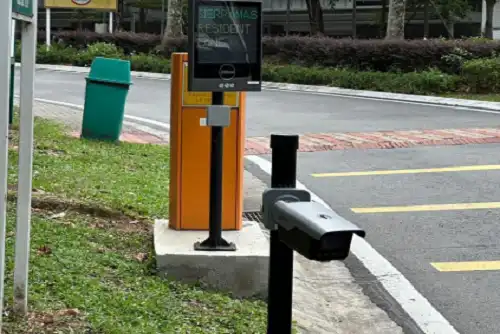
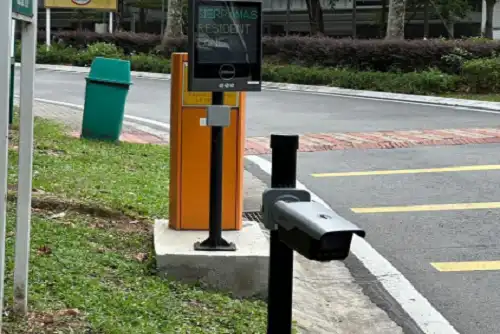
The efficiency of recognition is directly affected by where the camera should be placed. The thing should be put up between 1.2 and 1.8 meters high, so it can grab license plates at angles of 30 to 45 degrees. The ZOJE-LPR210's recognition angle can be changed to work with different entry lane layouts, such as straight-through approaches, angled turns, or the tight radius curves that are popular in urban parking lots.
Protecting the environment becomes very important for long-term dependability. The IP42 rating of the system means it can handle basic dust and water resistance for installations that are covered. The front-mounted sunshade protects the camera lens from direct sunlight and rain. These design features make sure that clear pictures can be taken in all kinds of weather, including rain, fog, harsh daytime sun, and darkness at nite (down to 0.01 Lux lighting).
Integration with Access Control Infrastructure
Industry-standard standards let offline LPR devices talk to barrier gates, payment processors, and display screens. With Wiegand output, the camera can act as a virtual card reader, sending recognized license plate numbers to existing access controllers without having to make big changes to the system. RS485 and TCP/IP connectivity choices allow for a variety of integration possibilities, based on the infrastructure of the building.
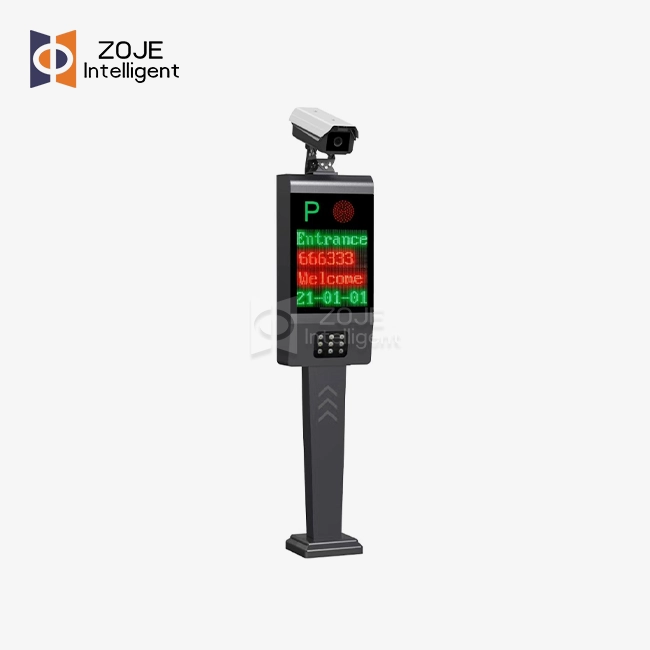
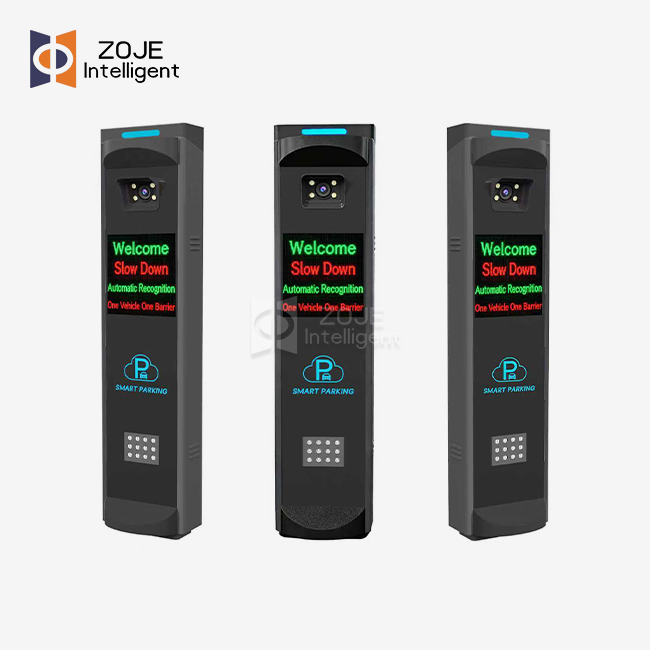
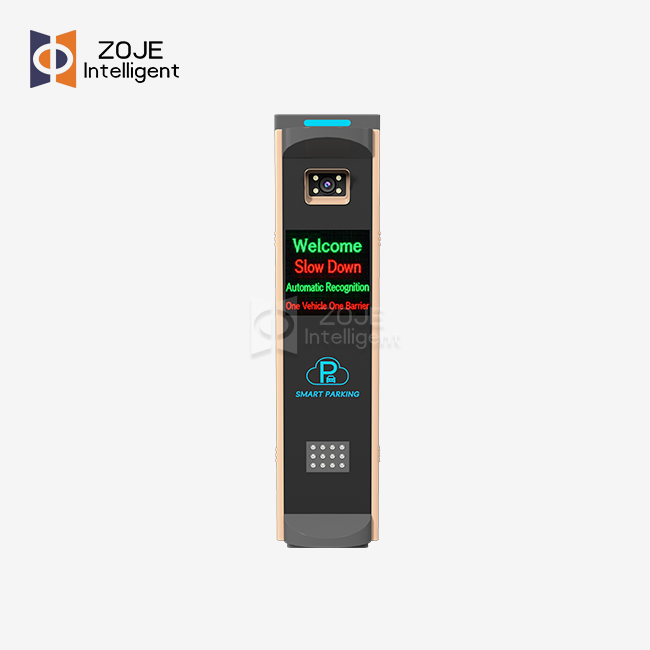
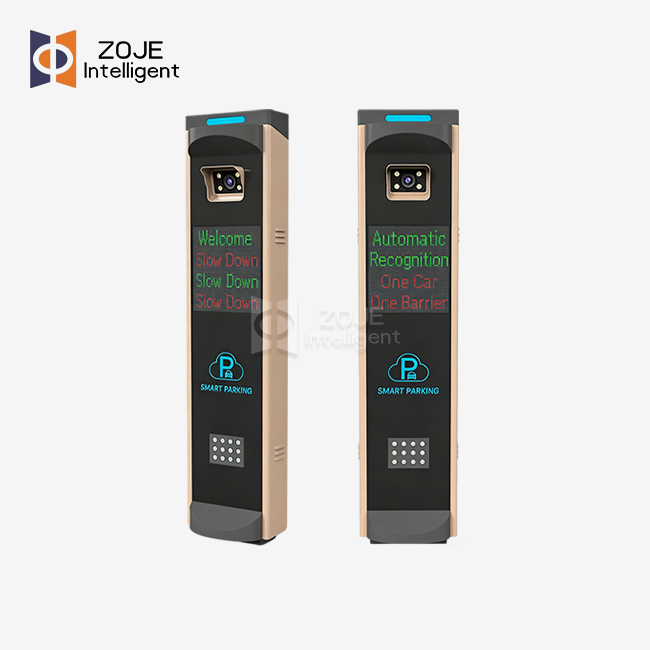
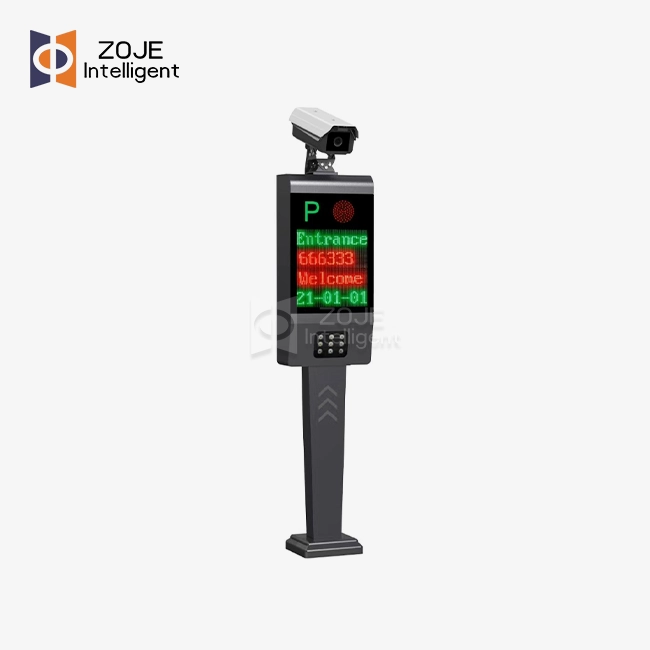
The ZOJE-LPR210 has a four-line LED display module that can show information about the vehicle, how long the parking is valid for, how much the fee is, or personalized welcome messages. The built-in voice function plays messages for temporary cars, monthly pass holders, or exit greetings. This improves the user experience and confirms that recognition events happened successfully. These features work entirely from local processing and don't need any commands from a service outside the application.
Maintenance and Troubleshooting
Routine repair makes sure that performance stays high throughout a working span. Cleaning plans for lenses keep dirt from building up and lowering picture quality. Firmware updates, which can be sent via USB drives or local network connections, make recognition algorithms better so they can work with new plate formats or get better results in tough conditions. The ZOJE platform lets software be changed, so dealers can make the system work with local needs without having to rely on the maker.
Fixing problems with offline systems is different from fixing problems with cloud-based systems. Technicians need to know how to use local configuration interfaces, read log files, and diagnose hardware even if they don't have remote diagnostic access. ZOJE deals with this problem by offering detailed installation instructions, technical help around the clock, seven days a week, and yearly trips to customers' sites to improve technical knowledge sharing and partnership relationships.
Procurement Insights: Buying and Sourcing Offline LPR Parking Systems
When making strategic sourcing choices, you have to weigh the short-term cost of a product or service against its long-term worth, dependability, and technical support. Regional distributors that serve markets with limited infrastructure have unique buying problems that need careful supplier evaluation.
Supplier Selection Criteria
Reputable makers have a number of traits that set them apart. Getting ISO 9001:2015 certification means that your quality management systems are well-established. Patent files show that study is still being funded and new technologies are being developed. In addition to marketing claims, customer case studies from similar deployment settings show how well the software really works in real life.
Since 2012, ZOJE has done a lot of different projects in Africa, Southeast Asia, and the Middle East, all of which need to be able to work offline. The fact that the company is willing to visit customers in person once a year shows that they care about more than just doing business with them. These visits create chances to share technical information and work together to solve problems.
Cost Structure Analysis
The cost of hardware is only one part of the total investment for an offline LPR parking system. Check out the whole financial picture, including unit prices, shipping terms, help with customs paperwork, guarantee coverage, availability of extra parts, and how quickly technical support responds. The ZOJE-LPR210 comes with a two-year warranty that covers early failures. The company also offers flexible DDU and DDP shipping terms that make it easier for regional distributors to import goods.
Minimum order amounts have a big effect on wholesalers' cash flow as they try out new markets. ZOJE's MOQ policies are open enough to allow for small initial orders. This lets sellers test how well the product works through pilot setups before committing to bigger inventory investments. This method lowers the financial risk of entering a new market and boosts confidence by showing successful past operations.
Customization and OEM Opportunities
Most standard products don't cover all the subtleties of the market. Language localization, regional plate format optimization, branded housing designs, or unique mounting arrangements are things that are often needed. Distributors can set their products apart in competitive markets by using ZOJE's extensive customization options, which include both hardware changes and software tweaks.
The company gives away free SDK access for many computer languages, such as Java, C++, C#, VB, and Delphi. System integrators can use this development flexibility to make custom solutions, add LPR functions to larger parking management platforms, or build their own features that make them more competitive. These options are expanded by OEM and ODM partnerships, which let distributors build their own market identities by rebranding whole products.
Integrating Offline LPR Systems into Your Parking Operations
Adopting technology successfully involves more than just installing it. It also involves integrating operational workflows, training staff, and making plans for how to expand in the future.
Replacing Manual Entry Methods
In traditional parking management, tickets are given out by hand, guards check them, or proximity card systems are used. Each method has its own problems, like high costs for labor, mistakes made by people, the chance of fraud, and slowdowns during busy times. Automation through license plate recognition gets rid of these problems and makes the user experience better by making entry and leave easier.
Change management is needed to make the move from manual to automated processes go smoothly. The jobs of staff change over time, from directly processing vehicles to keeping an eye on the system, dealing with problems, and helping customers. The voice feedback and easy-to-use interface of the ZOJE system cut down on training time, making it possible for people with little technical knowledge to quickly learn how to use it.
Hybrid Operation Models
Pure offline operation works well in places where network access is always absent or not wanted. However, a lot of services work in places where internet access is available but not always effective. Hybrid architectures take the best parts of both approaches and use them together: local processing keeps the barrier running smoothly, and periodic network connectivity lets you do things like central reporting, remote monitoring, and synchronized database updates.
This is possible with the ZOJE-LPR210 because it can join via TCP/IP. When a network connection is restored, the system uploads transaction logs, receives updated whitelist entries, or downloads firmware updates. It keeps working normally even if the connection is lost. This design makes operations more reliable and offers strategic benefits for connection.
Future-Proofing Your Investment
Parking technology changes very quickly. Machine learning progress makes recognition systems better. Integration standards are getting bigger to make room for new smart city systems. When new online threats come up, security measures change to deal with them. Choosing systems with strong update mechanisms will keep them from becoming obsolete too soon.
ZOJE is dedicated to ongoing development, which is shown by their regular software updates, growing SDK features, and quick customization services. The company has a lot of patents, which shows that it is actively coming up with new products. When distributors work with makers who are ahead of the curve in terms of technology, they can get access to constantly improving products that make systems useful for longer periods of time.
Conclusion
Offline LPR parking systems use local edge computing, AI processing, and strong data storage to provide reliable vehicle access control that doesn't depend on the internet. These systems work great in places with limited infrastructure, where security is important, or for cost-conscious uses where monthly fees put a strain on operational budgets. The technology offers recognition accuracy of more than 99%, processing speeds of less than a second, and operating control that keeps things working even when the network goes down. Paying attention to installation details, integration protocols, and ongoing maintenance practices is necessary for a successful deployment. Strategic procurement weighs the cost of hardware against the total cost of ownership while also checking the technical skills and support promises of suppliers.
FAQ
1. Can the System Recognize Plates From Different Countries?
Through region-specific neural network training, the ZOJE-LPR210 can read license plates in a number of different global formats. During the manufacturing configuration process, we set up settings for each country that control things like plate sizes, character arrangements, color schemes, and legal changes. This flexibility is very important for distributors who work with foreign markets or border crossing points where cars from different countries often show up.
2. What Happens When Local Storage Reaches Maximum Capacity?
First-in, first-out protocols are used to manage memory automatically for the system. When the 32GB SD card gets close to full—usually after recording about 100,000 vehicle transactions with pictures—the older records are deleted automatically to make room for new data. This rotating process makes sure that the system keeps running without any help from a person or data loss that could affect current operations.
3. How Do Updates Work Without Internet Connectivity?
There are several offline ways to update firmware and make changes to databases. During routine maintenance, USB drives send new versions of software directly to the device. Local area network links let you make changes to multiple cameras in a building network at the same time. The free SDK lets you make your own update protocols that meet operational security needs or existing IT infrastructure standards.
Partner with ZOJE for Reliable Offline LPR Parking System Solutions
The Hong Kong ZOJE Intelligent Technology Co., Ltd. makes strong offline LPR parking systems that are made to work in tough environments. As a company that has been making offline LPR parking systems since 2012, we know what regional wholesalers in areas with limited infrastructure need. Our ZOJE-LPR210 model has 99% recognition accuracy, full local storage, open customizable options, and a two-year warranty—and there are no ongoing subscription fees. We work with OEM and ODM partners and have quick delivery times: standard products ship in 5–7 days and custom solutions ship in 10–15 days. Our global technical support is available 24 hours a day, seven days a week, and we visit our customers in person once a year to strengthen our partnerships. Get in touch with us at info@zoje-tech.com to talk about your specific project needs and find out how our offline LPR parking system solutions can help you stand out in the market.
References
1. Transportation Research Board. "License Plate Recognition Technology: Performance Standards and Deployment Guidelines." National Academy of Sciences Engineering Medicine, 2019.
2. International Parking Institute. "Automated Vehicle Identification Systems: Comparative Analysis of Online and Offline Architectures." Parking Management Professional Development Series, 2020.
3. IEEE Standards Association. "Edge Computing in Intelligent Transportation Systems: Technical Framework for Offline Processing." IEEE Conference Publication, 2021.
4. Smith, Robert J. "Data Sovereignty in Physical Security Systems: Privacy Implications of Cloud-Based vs. Local Processing." Journal of Security Technology, vol. 28, no. 3, 2022, pp. 145-168.
5. Asian Development Bank. "Infrastructure Gaps in Emerging Markets: Implications for Smart City Technology Deployment." Regional Development Report, 2021.
6. Chen, Wei and Martinez, Carlos. "Optical Character Recognition in Variable Environmental Conditions: Performance Benchmarking for Parking Applications." International Journal of Computer Vision Applications, vol. 15, no. 2, 2023, pp. 89-112.

Send Inquiry
Related Industry Knowledge
- How to Choose Parking Exit Card and Ticket Validation Machine for High Traffic Areas
- Front-Mounted Ultrasonic Parking Space Detector Troubleshooting and Maintenance Tips
- What Is Entry Ticket Dispenser and Card Reader System in Modern PARCS
- Why Radar Vehicle Presence Sensor for Barrier Gate Beats Loop Detectors
- The Rise of Self-Service Payment Kiosks: A Look into the Future
- Top Benefits of Folding Arm Barrier Gate for Low Clearance
- Tempered Glass Full-Height Turnstile Materials & Safety
- Best Unattended Full-Height Turnstile for High Security
- How Traffic Control Barrier Gate Works Efficiently?
- Enterprise Parking Solution for High-Volume Commercial Parking