
Radar vs Loop Sensors for Barrier Gates: Which Is Best?
2026-08-21
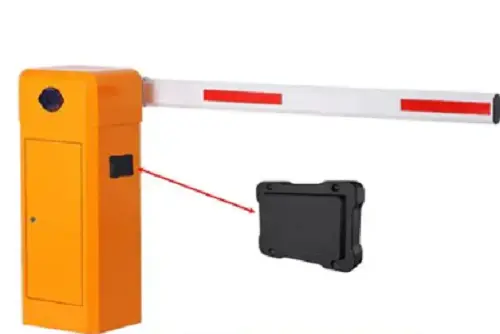
When selecting vehicle detection technology for your barrier gate system, the choice between radar and loop sensors significantly impacts operational efficiency, maintenance costs, and long-term reliability. Modern radar vehicle presence sensor for barrier gate solutions, like the ZOJE-RA2, offer distinct advantages over traditional inductive loop detectors through non-invasive installation, all-weather performance, and advanced detection capabilities. These millimeter-wave radar systems mount directly onto barrier housings without requiring pavement cutting, making them ideal for shopping malls, airports, office complexes, residential communities, and commercial parking facilities seeking streamlined installation and reduced infrastructure disruption.
Understanding Vehicle Presence Sensor Technologies
To choose the right detection system, you must first know how each technology works in real-life barrier gate situations.
How Radar Sensors Detect Vehicles
Radar vehicle presence sensor for barrier gates use millimeter-wave Frequency Modulated Continuous Wave (FMCW) technology to find things in detection zones that can be set up. To work, the ZOJE-RA2 sends out focused radio signals that hit cars and bounce back. It then looks at the signals to figure out if the vehicle is there, how far away it is, and how fast it is moving. This wireless detection method doesn't need to be installed on the ground because the sensors mount directly on the barrier housings, which makes them very flexible for use in a wide range of facilities. Working in the 77–81GHz frequency range allows for high-resolution detection that can tell the difference between people and cars, which is an important safety feature in places with a lot of traffic, like the parking lots of shopping malls.
How Loop Detectors Function
When metal objects drive over in-ground wire coils, they change the electromagnetic field that inductive loop detectors use to work. Cutting into the pavement, putting wire loops in grooves, and sealing them with materials that are safe for roads are all parts of installation. The barrier gate controller is set off when a vehicle enters the detection zone because its metal mass throws off the electromagnetic field. This technology has worked well for decades, but it comes with a lot of problems. For example, installing it slows down traffic, needs skilled civil engineering work, and needs constant upkeep because the expansion and contraction of the pavement can damage the wires that are buried in it.
Key Technical Differences
The main difference between these tools goes beyond how they find things. Radar systems can work wirelessly and have signal ranges that can be changed from 0.5 to 6 meters wide and 1 to 10 meters long. This lets them cover a lot of ground without having to change the physical infrastructure. The ZOJE-RA2's small (107.5 x 73.2 x 18 mm) housing fits perfectly with existing barrier gates and can be configured remotely via RS485 or Bluetooth. Once placed, loop monitors stay in place, so any changes to the detecting zone need more civil work. Environmental flexibility also varies a lot. Radar sensors work the same way no matter what kind of material the vehicle is made of, but composite or carbon-fiber cars sometimes don't set off loop detectors because they don't have as much metal in them.
Performance and Accuracy Comparison of Radar and Loop Sensors
Which sensor technology meets your facility's needs best depends on how reliable it is in a variety of situations.
Detection Accuracy Across Weather Conditions
The radar vehicle presence sensor for barrier gate technology's ability to work in all kinds of weather is one of its best features. Extreme temperatures can range from -40°C to +85°C, but the ZOJE-RA2 works reliably in all of them. It also works accurately in rain, snow, fog, and dust, which can mess up other sensor types. Millimeter-wave signals pass through atmospheric barriers with little loss, so barriers can keep working even when bad weather happens. Once placed, loop detectors work pretty well in most weather situations. However, snow or water that has frozen over can sometimes make them less sensitive. Infrared and ultrasonic alternatives, on the other hand, often don't work when it rains or when temperatures change a lot. This makes radar technology especially useful at airports and outdoor commercial parking lots where weather reliability can't be compromised.
Sensitivity to Vehicle Materials and Sizes
Consistency in detection across different types of vehicles has a direct effect on operating safety and efficiency. Modern radar devices are very good at finding cars, whether they are made of steel or carbon fiber. This includes both heavy trucks and lightweight bikes. The ZOJE-RA2's advanced signal processing algorithms look at Radar Cross Section (RCS) and movement patterns to reliably find small cars, SUVs, motorcycles, and even bicycles when needed. Loop detectors have trouble with low-metal-content vehicles. For example, they don't always set off barriers for composite-body cars or motorcycles, which causes access delays and user frustration. This restriction is especially annoying in neighborhoods and office buildings with lots of different kinds of vehicles.
Installation and Calibration Complexity
Installation needs have a big impact on how much the whole job costs and how long it can take. With simple bracket systems, radar devices can be quickly attached to existing barrier housings. All they need are power and transmission links. The ZOJE-RA2 can be set up in the field using mobile apps or PC software, so techs can change the monitoring areas without needing any special tools. Setting the sensing area limits and sensitivity levels is part of calibration. This can be done remotely without affecting traffic. Installing a loop detector needs skilled workers, tools for cutting through ground, wire embedding, and careful calibration of the inductive field parameters. Usually, installation takes a few hours per lane, which includes managing traffic while work is being done and waiting for sealant materials to dry before the lane can be used again.
Pros and Cons of Radar vs Loop Sensors for Barrier Gates
Knowing the pros and cons of each technology helps you make smart purchasing choices that are in line with your business's needs.
Advantages of Radar Detection Systems
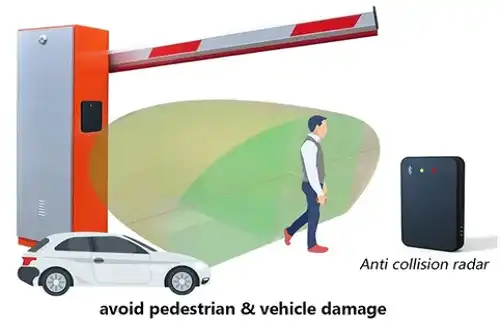
A radar vehicle presence sensor for barrier gate solutions is a great way to solve common problems in entry control situations. A big benefit is how quickly it can be installed. Putting sensors on barrier housings gets rid of the need for civil engineering work, cutting installation time from hours to minutes and keeping the look of the ground. Maintenance needs go down a lot because embedded parts don't break down from pavement stress or exposure to the environment. With an IP67 rating, the ZOJE-RA2 can work reliably even when it's exposed to high-pressure water jets used for cleaning. Better safety features with continuous presence recognition keep barrier arms from falling on cars or people walking by—an important "anti-smash" feature for airports and shopping centers with a lot of foot traffic. Remote configuration lets you make changes to the system without having to go to the site, which helps it adapt quickly to changing traffic patterns.
Benefits of Loop Detector Systems
In certain situations, loop detectors are still useful because their features match the needs of the job. For projects with limited funds, radar systems are still cost-effective at the time of purchase. However, when installation and upkeep costs are added in, the total lifecycle costs often go over radar systems. Once properly installed and calibrated, it has been shown to work reliably in controlled situations with consistent car types. Facilities that don't have a lot of technical support staff like loop systems because they are easy to use and don't need much software interaction during normal operation. Loop detectors work perfectly with older barrier gate controls that are still used at many older sites because they are already compatible with the infrastructure.
Limitations to Consider
Large objects passing through radar systems outside of their intended detection zones can cause false triggers. However, newer units like the ZOJE-RA2 have adaptive background calibration that filters out stationary objects and environmental interference automatically. Initial equipment costs more than basic loop detectors, but the extra money is usually paid back in less installation and upkeep costs within the first year of use. There are bigger problems with loop detectors. Cutting into the pavement makes permanent changes that need to be approved by the facility, wires inside the pavement break down due to changes in temperature and stress, and repairs require more pavement work, which costs money and causes traffic problems. Detection problems with composite vehicles are still a problem that needs to be fixed in today's vehicle fleets.
Practical Considerations for Procurement and Installation
Choosing sensors that work well with how your facility works will give you the best long-term performance and value.
Application-Specific Recommendations
Different types of facilities have different needs that make certain sensor systems better. Many types of vehicles, a lot of traffic, and the need to stop tailgating make shopping malls and commercial parking lots perfect places for radar sensors. The ZOJE-RA2's continuous detection makes sure that barriers stay up until all vehicles have left the zone. Applications like airport parking lots and toll plazas need to be reliable in all weather and need little upkeep. This is because any downtime immediately affects income and causes passengers to be inconvenienced. Office buildings and residential communities value keeping things looking nice and installing them quickly so that daily operations aren't interrupted too much. Loading dock and industrial gate uses need detection zones that can be changed to fit different vehicle types, from passenger cars to articulated trucks. Software-adjustable parameters on radar devices make this possible.
Budget and Infrastructure Factors
The total cost analysis should include the cost of buying equipment, hiring people to install it, keeping it in good shape, and any possible costs for fixing up the pavement. A ZOJE-RA2 radar vehicle presence sensor for barrier gate systems usually costs more than basic loop detectors, so it costs more to buy at first. Installation savings more than make up for this higher cost: attaching sensors to existing barriers requires much less work than installing loops, which needs specialized contractors and equipment. Because they are hard to cut and need to be restored, loop installation costs are especially high in places with decorative pavement, interlocking brick, or other specialized surface materials. Existing infrastructure affects viability. Facilities that already have loops installed may keep using that technology as long as it works well, but new installs or major upgrades are great times to switch to radar technology.
Supplier Selection Criteria
Picking a dependable provider has an impact on the system's long-term performance and the quality of help. ZOJE keeps its ISO 9001:2015 certification up to date while the products are being made. Before they are sent out, each radar vehicle presence sensor for barrier gate unit goes through thermal shock testing, waterproof validation, and electromagnetic interference verification. With this strict quality control, the Mean Time Between Failures is more than 100,000 hours, which means that parts don't need to be replaced as often. Warranty coverage is very important. Zoje offers two-year complete warranties backed by 24/7 global technical help, so problems can be fixed quickly no matter what time zone they're in. Customization is important for facilities that have specific needs. ZOJE supports both hardware and software customization through OEM and ODM relationships, which change sensor settings, housing designs, and communication methods to fit project needs. Delivery times affect project schedules. Standard ZOJE products ship within 5–7 days, while customized solutions usually take 10–15 days, which helps meet tight construction deadlines.
Making the Right Choice: Radar vs Loop Sensor for Your Barrier Gates
To choose the right sensors for your facility, you need to think about a lot of factors, including how it works and what its long-term goals are.
Decision Framework for B2B Buyers
When OEMs add sensors to barrier gate products, they should look for sensors with small footprints, flexible communication interfaces, and customization options. The ZOJE-RA2's small footprint and RS485/Bluetooth connectivity make it easy to integrate, and its OEM/ODM capabilities let brands make their own changes. Distributors who serve a wide range of customers can meet all of their needs by keeping a stock of flexible radar options that can be used in a number of different situations. Instead of just looking at the initial price of the equipment, purchasing managers at end-user facilities should focus on the total cost of ownership calculations, which should include installation, maintenance, and operational reliability. Standardizing radar technology is helpful for facility managers who are in charge of more than one place because it makes teaching technicians, keeping track of spare parts, and supporting all properties easier.
Critical Selection Criteria
The technology you choose should be based on how well it works in your facility's specific environment. Extreme weather, changes in temperature, or a lot of dust are all things that make radar sensors more resistant to environmental damage. Installation limitations are very important—facilities that can't cut ground because of worries about structural integrity, aesthetics, or the need to keep operations running must use radar technology. Decisions should be based on how they can be expanded in the future. For example, radar systems can add detection zones or change their covering areas by changing their setup, but loop systems need more civil work. To meet safety standards in places with lots of people walking around, like shopping malls, radar sensors need to be able to tell the difference between different targets more accurately. This keeps barriers from closing in on people and keeps car recognition reliable.
Emerging Technology Considerations
Vehicle presence detection technology keeps getting better, with new features being added all the time. A radar vehicle presence sensor for barrier gate systems already has features that will soon be expected by everyone, such as adaptive background calibration, automatic software updates, and remote diagnostics. Integration with larger facility management systems is one of the things that will be added in the future. This will allow coordinated entry control, parking guidance, and security tracking through unified platforms. By investing in new radar technology, facilities can use these new features through software updates instead of having to buy new hardware. This protects the long-term value of the investment and keeps operations running as efficiently as possible.
Conclusion
The radar vehicle presence sensor for barrier gate technology is the new standard for buildings that want to be easy to install, work in all kinds of weather, and be reliable. Loop detectors are still useful in some simple, low-cost situations, but radar solutions like the ZOJE-RA2 offer better overall value by getting rid of the need for expensive civil engineering, requiring less maintenance, and offering better safety features. The choice you make will ultimately depend on how your facility is used. Shopping malls, airports, and commercial parking lots all benefit greatly from radar technology. However, some older facility upgrades may continue to use the existing loop infrastructure until major renovations make it necessary to switch technologies.
FAQ
1.How does radar technology compare to loop detectors for installation complexity?
Radar vehicle presence sensor for barrier gates eliminate pavement cutting requirements entirely, mounting directly on barrier housings in minutes rather than the hours it takes for loop installation. The ZOJE-RA2 connects using standard power and communication ports, so you don't have to worry about the civil engineering work, traffic problems, or hiring special contractors that are needed to put in wire loops. This streamlined installation keeps the look of the pavement while cutting labor costs and project times by a huge amount.
2.Can radar sensors distinguish between vehicles and pedestrians?
The ZOJE-RA2 is an advanced radar vehicle presence sensor for barrier gate systems. It uses signal processing algorithms to tell the difference between objects by looking at Radar Cross Section and movement patterns. There are configuration choices that let systems avoid pedestrians while still finding cars, or they can find both for full safety coverage. This ability to tell the difference between vehicles of different sizes and types keeps unauthorized pedestrians from getting in while still detecting vehicles reliably.
3.How does weather affect radar sensor performance compared to loop detectors?
It can see through rain, snow, fog, and dust with little signal loss, so it can keep finding things even when the weather is bad and infrared and acoustic options aren't working as well. From -40°C to +85°C, the ZOJE-RA2 works perfectly without losing any of its performance. Once placed, loop detectors are pretty weatherproof, but heavy rain can sometimes make them less sensitive, and the wires inside them get damaged over time from freeze-thaw cycles.
Ready to Upgrade Your Barrier Gate Detection System?
Leading facility managers all over the world trust ZOJE's radar vehicle presence sensor for barrier gate options. It works reliably from -40°C to +85°C and uses less than 2.5W of power. The ZOJE-RA2 combines millimeter-wave accuracy with IP67 environmental protection. Through OEM and ODM relationships, our sensors can be fully customized to meet your specific needs by making hardware changes and setting up software. ZOJE offers 24/7 global expert help to make sure your access control systems work perfectly. Their products are backed by ISO 9001:2015 quality standards and full two-year warranties. Contact our team at info@zoje-tech.com to talk about your project needs with radar vehicle presence sensor for barrier gate experts who have worked on similar projects before and understand the problems you're having.
References
1. Institute of Electrical and Electronics Engineers (2021). "Millimeter-Wave Radar Applications in Intelligent Transportation Systems." IEEE Transactions on Vehicular Technology, Volume 70, Issue 8.
2. International Parking and Mobility Institute (2022). "Emerging Technologies in Parking Access and Revenue Control Systems." IPMI Technology Report Series.
3. National Institute of Standards and Technology (2020). "Performance Standards for Vehicle Presence Detection in Automated Gate Systems." NIST Special Publication 1500-202.
4. Society of Automotive Engineers (2023). "Comparative Analysis of Inductive Loop and Radar Detection Technologies for Traffic Management." SAE International Journal of Transportation Safety.
5. Transportation Research Board (2021). "Best Practices for Vehicle Detection System Selection and Implementation in Controlled Access Facilities." NCHRP Research Report 945.
6. American Society of Civil Engineers (2022). "Infrastructure Considerations for Non-Invasive Vehicle Detection Technologies." ASCE Journal of Transportation Engineering, Part A: Systems.

Send Inquiry
You may like


Related Industry Knowledge
- How Open API License Plate Recognition Parking System Improves Parking Efficiency
- LED parking guidance screen: the future of intelligent parking
- Best Reverse Parking Space Query Kiosk Buyer’s Guide 2026
- Automatic Parking Payment terminal: The Complete Guide
- Is High-Security Full-Height Turnstile Worth Investment?
- How to Choose License Plate Recognition for Your Business?
- What Is an LPR Server for 24/7 License Plate Recognition?
- Is Slim Speed Gate Turnstile Durable and Efficient?
- What Is License Plate Recognition and How It Works in 2026?
- What Is a Parking Management Camera and How Does It Work?