
Self-Service Reverse Parking Space Query Kiosk for Smart Parking
2026-07-10
Has it ever been difficult to spend 15 minutes exploring a vast parking garage for your car? You have company. The smart self-service terminal Reverse Parking Space Query Kiosk finds and directs you to your car, eliminating this common problem. This smart car-finding solution employs Plate Recognition and touchscreen interfaces to deliver real-time vehicle position information, unlike standard parking systems that just manage payment and admittance. These technologies improve automobile navigation in complex parking lots like those at airports and large malls, making users happier. These improve facility efficiency.
Understanding How Reverse Parking Space Query Kiosks Work in Smart Parking Ecosystems
Core Components That Power Vehicle Location Systems
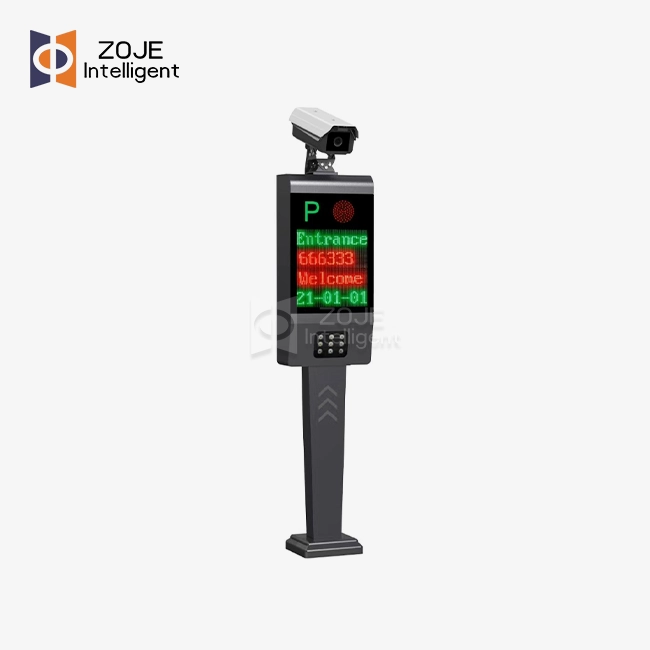
A car location kiosk uses many technologies that operate together. Video parking guidance cameras at the entryway and around the parking lot use strong LPR algorithms to monitor places and record license plates. A central parking management database tracks where each car is in the facility using this information.
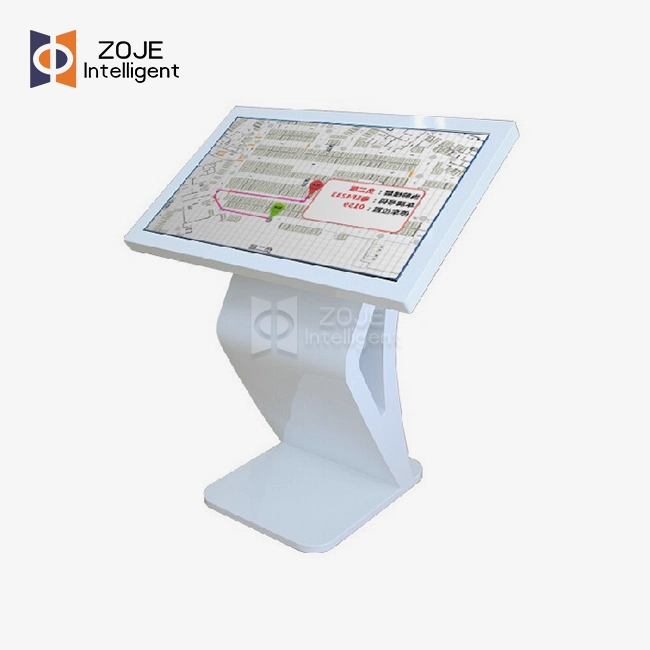
A 32-inch commercial touchscreen display is available beside our Reverse Parking Space Query Kiosk terminals. The technology receives information about your automobile in two seconds and produces the optimum 2D or 3D navigation path from the booth to the parking spot. Any level—B3 or P7—has this.
The Workflow That Delivers Results
The process is astonishingly simple. Cameras automatically record your license plate, time, and location as you park. You may obtain your automobile by entering your number plate number at the car search terminal near the lifts or main walkways. Checking the database against itself, the system discovers your car's bay and provides step-by-step directions, including lift and stairwell locations.
These terminals perform dependably in subterranean buildings where cell signals are poor or absent, unlike mobile applications. Parking finding applications struggle with GPS accuracy in multi-level garages, but kiosk-based solutions employ basement-specific wired or wireless networks.
Benefits of Implementing Smart Car Locator Kiosks for Your Parking Operations
Operational Efficiency Gains Through Automation
Helping lost drivers by hand takes staff time and resources. The time security guards and personnel spend answering calls and helping bewildered clients get to their vehicles may be better spent elsewhere. Self-service question terminals enable customers handle car-finding difficulties themselves, reducing disruptions.
Automation goes beyond customer service. Comprehensive system-generated use data benefits administrative staff. You may examine how many enquiries happen at various times, locate sluggish regions that may require extra terminals, and evaluate your parking guidance system. These insights enable continual development without data gathering.
In terms of staffing, facilities can move people from routine tasks like helping customers at a Reverse Parking Space Query Kiosk to activities that make money or better security monitoring. Within a few months, the investment pays off because labor costs go down and space is used more quickly.
Enhanced User Experience That Drives Customer Loyalty
Drivers hate spending time looking for their parked car more than anything else, especially in busy places like hospitals or airports. People who go to the mall and can't find their cars are less likely to come back, which has a direct effect on renter income and lease renewals.
When compared to looking without help, our parking space finder kiosks cut the time it takes to get what you need by an average of 70%. The graphic interface shows easy-to-follow instructions that don't require any technical knowledge. Accessibility-optimized models have voice output support and high-contrast displays that are especially useful for older guests and people who have trouble moving around.
The time-segment search tool is very helpful for airports. People who have been away for a week often can't remember their exact parking dates or license plate numbers when they get back. The system lets you search by an estimated entry time and shows you thumbnail images of parked cars during that time so you can easily identify them.
Selecting the Right Vehicle Query Terminal for Your Facility Requirements
Assessing Your Facility's Unique Characteristics
Shopping malls have distinct issues than residential or commercial parking garages. Malls have distinct peak periods on holidays and weekends, thus computers that can process many transactions without slowing down are essential. The ZOJE-SP32 variant can answer enquiries for over 10,000 cars in under two seconds, making it suitable for high-density environments.
Airport parking lots require extra features. Long-term parking visitors require more search options than license plates. Systems should incorporate time-based lookups, fuzzy search for partially visible or mud-covered plates, and parking payment platform connectivity to streamline exits.
Residential structures prioritise different aspects. Parking lot installations for condominiums or flats may match architectural finishes, operate quietly and are linked to building entry control systems to reduce noise concerns. A Reverse Parking Space Query Kiosk has universal adaptability, so terminals can fit into different layouts without any structural adjustments.
Evaluating Technical Specifications That Matter
Hardware robustness affects long-term reliability and TCO. Avoid consumer-grade equipment and go for industrial-grade parts that may be utilised 24/7. The tablet's sensitivity should remain constant after millions of touches, and thorough quality control should eliminate dead pixels.
Weather resistance is crucial for semi-outdoor parking garage door installations. IP54 ratings or above safeguard electronics against dust and water. It may be utilised in difficult regions because to its -20°C to +60°C temperature resistance. Our terminals undergo external temperature cycling and humidity testing to verify these standards.
It turns out software freedom matters too. Entering a license plate, searching by time segment, and utilising QR codes or mobile integration should be possible on the site. To integrate with analytics, payment, and parking management platforms, backend systems require powerful APIs.
Installation Planning for Query Kiosks
Pre-Installation Site Assessment and Preparation
Perform thorough site surveys to assess power, network, and mounting surface conditions. For most terminals, 110V to 240V AC power with surge protection is required. Ethernet infrastructure or wireless mesh technologies may link networks. 4G backup is suggested for mission-critical setups.
Placement strategy impacts use. Place terminals at lift lobbies, important pedestrian corridors and garage entrances where cars naturally pause to decide. Ambient illumination and good lines of sight from various approach angles are crucial for visibility. Accessibility guidelines may require equipment to be installed at a specified height and have floor space.
Physical mounting requirements vary by model. Install the Reverse Parking Space Query Kiosk on floor-standing pedestals, wall-mounting brackets, or integrated kiosk enclosures. Structural engineers should ensure that attachment surfaces can support terminal weight and impact pressures.
Integration Procedures and System Testing
Hardware installation is only the start. Integrating with backend parking management systems requires careful data preservation and exchange. API connections must be set up and tested under load settings that simulate high use.
Database synchronisation is crucial. The system requires precise mapping data to locate parking spaces and logical routing data to find the optimum user pathways. Calibration is needed to ensure that this digital representation of your actual facility shows proper paths.
All query techniques, error conditions such plates not being recognised, and network connection loss should be tested end-to-end. We use plug-and-play deployment to simplify setups, but extensive testing prevents issues after launch.


Current Market Landscape and Innovation Trends in Parking Technology
Leading Manufacturers and Product Differentiation
Hong Kong's ZOJE Intelligent Technology Co., Ltd. leads smart parking and entrance systems since 2012. Our professional electrical and mechanical engineers customise products for retail malls, airports, residential complexes, office buildings, and commercial parking lots.
What distinguishes excellent sellers in this market? The ability to customise is crucial. Buildings have different plan limits, branding, and connecting requirements. Through expert OEM and ODM alliances, ZOJE provides several hardware and software customisation choices. This ensures solutions meet customer needs.
Manufacturing quality impacts lifetime costs, especially for a Reverse Parking Space Query Kiosk. Terminals undergo display reviews with a limit of zero dead pixels, environmental stress testing, electrical safety checks, and interface stability tests. Industrial-grade equipment has MTBF ratings of over 50,000 hours, unlike consumer products repurposed into business tools.
Emerging Technologies Reshaping Vehicle Guidance
Machine learning and AI are transforming how systems forecast parking behaviour. Advanced algorithms estimate availability based on prior data, allowing drivers to be called before entering buildings. Even damaged, hazy, or nonstandard license plates are simpler to read because to computer vision improvements.
Internet connectivity helps smart building ecosystems collaborate. Terminals now communicate with lighting, ventilation, and security systems to improve building management. Bluetooth beacons enhance location systems to let mobile applications and kiosk hardware operate together more smoothly.
Sustainability technologies are gaining popularity. Low-power display technologies and solar-powered ones may be utilised outdoors or partly covered. Data analytics assist owners maximise space, which may reduce the need for additional parking lots and environmental impact.
Conclusion
Smart parking technology has grown from being an idea for a test run to an important part of modern parking lots. The Reverse Parking Space Query Kiosk is a tried-and-true solution that provides real benefits, such as shorter search times, happier customers, more efficient operations, and useful data insights. The smart stations change the driver experience and help smart city goals, no matter if you're in charge of a shopping center, airport, hospital, apartment building, or business parking lot. As the number of people living in cities grows and people expect digital experiences to work seamlessly, investing in strong vehicle location systems will set your facility up for long-term competitiveness and operational excellence.
FAQ
1. How does the system handle unrecognized or partially obscured license plates?
Advanced fuzzy search algorithms may solve recognising issues. Users may insert part of the plate's information or use the approximate time of entrance if cameras couldn't acquire a good image due to dirt, damage, or an inconvenient angle. To identify automobiles that satisfy certain parameters, the system displays thumbnail images. This backup ensures service reliability if main recognition fails.
2. Can the terminal continue operating if network connectivity is lost temporarily?
More sophisticated fuzzy search algorithms may solve recognition issues. If cameras couldn't capture a good image of the plate due to dirt, damage, or an unusual angle, users may input part of the plate's information or estimate entry time. The system displays thumbnail images of automobiles that fulfil those parameters. These backups provide service reliability even if main recognition fails.
3. What maintenance requirements should operators anticipate?
For regulated installations, monthly outside cleaning and quarterly system health checks should be plenty. The sealed industrial design prevents dust from entering consumer-grade devices. Remote testing allow experts to detect and correct issues without visiting the site, reducing service costs significantly. Building repair workers may undertake daily chores with full documentation.
Partner With a Trusted Reverse Parking Space Query Kiosk Manufacturer
Over ten years of specialized experience backs up ZOJE's full range of smart parking options, including the Reverse Parking Space Query Kiosk. Our ZOJE-SP32 terminal is reliable enough for use in factories and has easy-to-use interfaces and a lot of different ways to connect to other systems. As an experienced provider, we can make a lot of changes to your order and get it to you quickly (standard goods ship within 5–7 days). Our quality is ISO 9001:2015 certified, and we offer a two-year guarantee with 24/7 global expert support. Get in touch with us at info@zoje-tech.com to talk about how our parking space finder machines can meet the needs of your location. You can find out more about why leading operators around the world trust ZOJE for their intelligent parking infrastructure by going to zoje-parking.com and reading through the detailed specifications and installation examples.
References
1. Anderson, M., & Thompson, R. (2023). Smart Parking Infrastructure: Technologies and Implementation Strategies for Urban Facilities. Urban Technology Press.
2. Chen, L., & Rodriguez, P. (2024). "license plate recognition systems in Modern Parking Management: Accuracy and Reliability Analysis." Journal of Intelligent Transportation Systems, 28(2), 145-162.
3. International Parking & Mobility Institute. (2023). Emerging Technologies in Parking: Annual Industry Report 2023. IPMI Publications.
4. Morrison, K. (2024). "Cost-Benefit Analysis of Self-Service Technologies in Commercial Parking Operations." Parking Today Magazine, 29(4), 32-38.
5. National Parking Association. (2023). Standards and Best Practices for Smart Parking System Integration. NPA Technical Guidelines Series.
6. Zhang, W., Kim, S., & Patel, V. (2024). "User Experience Optimization in Automated Parking Guidance Systems: A Comparative Study." International Journal of Human-Computer Interaction, 40(6), 892-908.

Send Inquiry
You may like



Related Industry Knowledge
- Why Radar Vehicle Presence Sensor for Barrier Gate Beats Loop Detectors
- Everything You Need to Know About Self-Service Kiosks
- What Is Folding Arm Barrier Gate? Structure & Uses
- How Automatic Parking Barrier Gate Improves Efficiency?
- Bridge-Style Tripod Turnstile Benefits in Office Security
- Best Collision-Proof FlapTurnstile for High Traffic
- Benefits of a City Parking Lot Management System in 2026
- Intelligent Plate Recognition Parking vs Manual Parking Systems
- What Is a High-Performance License Plate Recognition Camera?
- What Is a High Accuracy LPR Parking System? Complete Guide