
Speed Gate Turnstile Guide 2026: The Ultimate Fast Access Solution
2026-08-11
Speed gate turnstiles are rapidly transforming entrance management across shopping malls, airports, residential communities, office buildings, and commercial parking facilities. These advanced access control systems deliver a unique combination of robust security and seamless pedestrian flow. The slim speed gate turnstile for modern entrances has emerged as the definitive solution for organizations seeking to balance aesthetic appeal with operational efficiency. Unlike bulky traditional barriers, contemporary speed gates integrate cutting-edge sensor technology, motorized precision components, and biometric verification systems to create welcoming yet secure entry points. This comprehensive guide explores how the latest innovations address critical challenges faced by facility managers, procurement professionals, and security directors in 2026.
Understanding Slim Speed Gate Turnstiles: Technology and Benefits
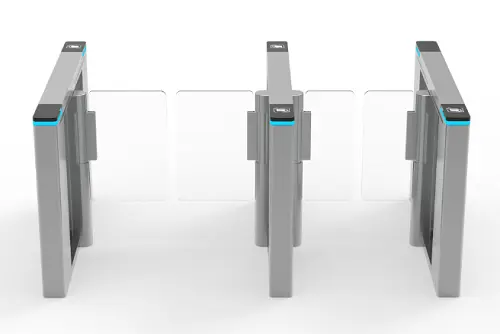
The needs for modern entry control have grown far beyond simple barrier systems. The slim speed gate turnstile for modern entrances is a brilliant piece of engineering that makes the best use of limited space while providing top-notch security for businesses. These systems use brushless DC servo motors and planetary gears to run at less than 50 decibels, which means they won't cause too much noise in public areas.
Advanced Sensor Integration
Modern speed gates use many infrared sensor bands to very accurately track the movement of pedestrians. These optical detection systems make monitoring zones that can't be seen. They can spot attempts to tailgate without permission while still letting traffic flow normally. The technology can tell the difference between carry-on things and people who aren't supposed to be there. If security rules are broken, instant alerts are sent out. By intelligently differentiating, false alarms are stopped while strict access control standards are maintained.
Space-Efficient Design Philosophy
The ultra-thin cabinet form makes the best use of important floor space in high-rent business settings. Traditional full-height turnstiles take up 200–300 mm of width, but new speed gates can do everything they need to do in a 100–180 mm frame. This use of space is especially useful in places like airport security checkpoints, corporate reception areas, and lobbies for high-end homes, where the way the building looks directly affects how people feel about it. The simple shape keeps the lines of sight open while making it clear where people can and can't go.
Safety and Compliance Features
These systems follow fire safety rules all over the world because they allow for emergency exits. When the power goes out or the fire alarm goes off, the fail-safe mechanism automatically pulls back the barriers, making escape routes clear. Within 0.2 seconds, anti-pinch sensors find objects and stop the movement of the barrier right away to avoid harm. These safety measures meet international standards and help the system work well when it's being used normally.
Comparing Speed Gate Turnstiles: Choosing the Best Fit for Your Building
To choose the right access control technology, you need to carefully look at your security needs, traffic patterns, and the limitations of the environment. Different types of facilities need custom solutions that strike a balance between the level of security needed and the level of comfort expected by users.
Security Capability Assessment
Full-height turnstiles keep people inside as much as possible, but they make strong visual barriers that aren't good for retail or hospitality settings. Flap barriers provide some security and speed up traffic, but they don't have the advanced anti-tailgating detection that premium speed gates do. To find the best balance between style and security, the slim speed gate turnstile for modern entrances is the perfect choice. These systems handle 35 to 40 approved users per minute, and strict rules make sure that only one person has an identity at a time.
Application Environment Considerations
The doors to shopping malls are designed to be visually open to attract customers and keep an eye on traffic flow. Airport security zones need to quickly process verified passengers and strictly block entry by people who aren't supposed to be there. In order for residential buildings to look nice, they need to keep resident entry limited. Integration with elevator call systems is needed for floor-specific permission in office buildings. Commercial parking lots can benefit from models that can withstand the weather and can be integrated with vehicles. In each case, certain feature configurations are needed that can't be met by standard tripod gates.
Brand Evaluation Criteria
Mean Cycles Between Failure scores, integration flexibility, and support infrastructure are some of the things that set leading makers apart. Quality systems can work more than 5 million times before they need to have parts replaced. The ZOJE-BST100 meets this standard for dependability and comes with a two-year warranty and manufacturing processes that are ISO 9001:2015 certified. When choosing a vendor, procurement teams should check the certification paperwork, ask for examples of past installations, and see how quickly technical support responds.
Procurement Guide: How to Buy and Install Slim Speed Gate Turnstiles
Getting access control infrastructure in a strategic way involves a lot of people and a lot of planning to make sure the deployment goes smoothly.
Supplier Qualification Process
A trusted slim speed gate turnstile for modern entrances seller needs more than just comparing prices at first. Manufacturers that are qualified keep engineering teams that hold relevant patents and show that they are always coming up with new sensor technologies and blocking mechanisms. ZOJE has been in business for twelve years and has multiple technical patents, which show that it has put money into research and development and is committed to the market. When a supplier offers both OEM and ODM customization, they can change standard goods to fit specific design or operational needs.
Customization and Integration Planning
Standard setups work well for many uses, but solutions that are made just for complex buildings are often needed. Customizing hardware could mean adding special finishes that match the style of the room, changing the width of the lanes to meet wheelchair accessibility standards, or making parts stronger to withstand harsh weather. Customizing software makes it possible to connect it to existing systems for managing buildings, HR databases, or membership platforms. Clear sharing of these requirements during the buying process keeps expensive changes from having to be made after the installation is complete.
Through controller settings that can be changed, the ZOJE-BST100 can handle entry in either direction, so there is no need for different hardware models. This gives organizations that run more than one location more inventory management options. It is possible to integrate dry touch signals, RS485 serial transmission, and TCP/IP networking protocols, so it works with both old systems and new cloud-based platforms.
Installation and Budget Considerations
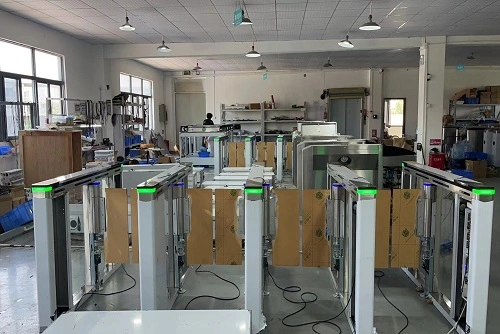
A professional site review finds the best places to put things by looking at things like how people walk, how to get to power sources, and how to connect to networks. Calculations of lane quantity find the balance between peak traffic volumes and lobby space that is available. Standard configurations usually take three to five business days to install at each location, which includes testing the integration and training staff. Customized solutions need more time to be made, and ZOJE can offer customized systems within 10 to 15 days of receiving an order.
Clear cost details should list the prices of the equipment, the terms of shipping, the work needed for installation, the services for integration, and the training that is provided. Volume pricing systems and centralized operations help with large-scale deployments. Companies should plan to spend money on regular repair contracts to make sure their equipment works at its best for as long as it lasts.
Maintenance and Operational Efficiency of Slim Speed Gate Turnstiles
For long-term performance, you need proactive maintenance plans that keep operations running smoothly and make equipment last longer.
Preventive Maintenance Protocols
High-traffic systems should have inspections every three months to keep them working at their best. Technicians clean the dust off of the sensors inside, grease the moving parts, and make sure the barriers are lined up correctly. Manufacturers send out firmware patches that fix newly discovered security holes and add new features. These regular actions cut down on failures that come up out of the blue, which leaves security holes and annoys real users.
The slim speed gate turnstile for modern entrances has self-diagnostic features that check the motor's performance, the sensors' response, and the stability of the connection. Facility managers are warned of problems by automated alerts before the whole system fails. This method to preventative maintenance cuts down on emergency service calls and the high labor costs that come with them.
Energy Efficiency and Sustainability
Modern speed gates use very little power when they're not in use because they have smart sleep mode features. The ZOJE-BST100 uses less than 50 watts of power when it's working and less than 10 watts when it's not. The amount of energy used each year is very small compared to HVAC or lighting systems, but it counts toward company climate reporting measures. LED lighting choices make things easier to see while still using little power.
Staff Training and Troubleshooting
Response times for small problems are cut down by giving operators a lot of training. People who work in security should know how to do basic diagnostics, be able to spot common error codes, and know when to get problems sent to experts. ZOJE offers world technical help 24 hours a day, seven days a week via email at info@zoje-tech.com and over the phone, so problems can be solved quickly no matter what time zone you're in. When you have well-trained employees and responsive manufacturer support, operational downtime is kept to a minimum.
Future Trends and Strategic Insights for Access Control in 2026
As new technologies come out, they change what people expect from entrance management systems in all kinds of buildings.
Artificial Intelligence Integration
Machine learning algorithms look at patterns of foot traffic to get the most work done during busy times. Predictive analytics find trys to get in that don't seem normal and need to be looked at by security experts. When facial recognition is combined with speed gate controls, actual credentials are no longer needed. This makes entry truly touchless. These improvements, which are driven by AI, make operations more efficient and improve security.
Internet of Things Connectivity
Cloud-based control tools let you keep an eye on multiple properties' entry points from one place. Real-time status screens let managers know when repair is needed, there is a security breach, or there are strange traffic patterns. The slim speed gate turnstile for modern entrances is being used more and more as an IoT endpoint in larger building management systems. This connection helps people make decisions about how to run the building and follow security rules based on data.
Contactless and Hygiene Considerations
As people became more aware after the pandemic, touchless operation went from being a nice-to-have to something that was expected. You can use mobile credentials, QR codes, and biometric verification at modern speed gates without having to touch the shared surfaces. These features address both concerns about cleanliness and operational ease, speeding up adoption in public places, healthcare facilities, and food service settings.
Scalability and Future-Proofing
Businesses should think about their access control spending over a number of years, taking into account goals to grow and changes in technology. Modular systems that allow for small additions of capabilities protect original investments while adapting to changing needs. Long-term worth is ensured by partnerships with makers that promise backward compatibility and upgrade paths. ZOJE's ongoing investments in research and development (R&D) and well-established support systems give customers faith that the company's products will continue to improve over time.
Conclusion
In 2026, making strategic choices about access control means weighing the needs for current security with those for long-term operations. With its advanced danger recognition, beautiful design, and long-lasting performance, the slim speed gate turnstile for modern entrances is the best of all worlds. These systems help places like shopping malls and business offices deal with their own problems while keeping their environments friendly. Return on investment is maximized by carefully choosing suppliers, customizing products, and keeping up with maintenance. Collaborations with well-known makers of technology make sure that entry systems change to keep up with new threats and business possibilities.
FAQ
1.How does the slim speed gate turnstile for modern entrances prevent tailgating?
Advanced infrared sensor matrices make detection zones that overlap and track the paths of pedestrians' feet during the passage cycle. The system checks to see if a single authorization credential can only be used by one person going through the lane. When sensors pick up on a second person following without the right credentials, the barrier closes right away and alarms go off both audibly and visually. This complex detection system tells the difference between approved users with bags and unauthorized follows who are trying to use legal access to their advantage.
2.What maintenance schedule ensures optimal performance?
Installions that get a lot of use should have professional inspections every three months. These inspections should include calibrating the sensors, lubricating the moving parts, and checking the firmware. Service appointments every six months are usually enough to keep places with moderate traffic running at their best. Self-diagnostic systems that check operations every day let workers know about new problems that need to be fixed between planned repair cycles.
3.Can these systems accommodate wheelchair users and ADA compliance?
Of course. Standard 600mm routes and 900mm accessible lanes that meet ADA standards are both made with the same slim cabinet designs. Wider barrier wings can fit mobility devices without breaking up the look of the system as a whole. Fail-safe emergency modes make sure that all users can get out without any problems when an alarm goes off.
Partner With ZOJE for Premium Access Control Solutions
Since 2012, Hong Kong ZOJE Intelligent Technology Co., Ltd. has specialized in high-tech entrance management systems, earning them a reputation as a reliable slim speed gate turnstile for modern entrances serving markets around the world. Our engineering team has been awarded several patents and maintains ISO 9001:2015 quality certification. This makes sure that every ZOJE-BST100 unit works reliably in tough conditions. We can fully customize OEM and ODM products to fit your unique architectural needs and business processes.
Beyond delivering products, we show our dedication by offering technical help 24 hours a day, seven days a week, and yearly site visits that build long-term relationships with our customers. Standard configurations ship in 5 to 7 days, while customized solutions only take 10 to 15 days. This helps you keep your projects on track. Every placement comes with our full two-year guarantee and access to our service network around the world. For full specs, competitive quotes, and a one-on-one consultation, please email our team at info@zoje-tech.com.
References
1. Johnson, M. (2025). Access Control Systems in Commercial Architecture: Design and Security Integration. New York: Security Press International.
2. Chen, L., & Rodriguez, A. (2025). "Pedestrian Flow Optimization Through Intelligent Turnstile Technology," Journal of Building Security Management, 18(3), 234-251.
3. International Association of Security Equipment Manufacturers (2025). Global Standards for Speed Gate Turnstile Safety and Performance. Geneva: IASEM Publications.
4. Williams, R. (2024). The Complete Guide to Physical Access Control: Technology, Implementation, and Best Practices. London: Facility Management Institute Press.
5. Park, S., & O'Connor, T. (2025). "Energy Efficiency in Modern Entrance Management Systems," Sustainable Building Technology Review, 12(2), 145-162.
6. Global Security Research Group (2026). Access Control Market Analysis and Technology Forecast 2026-2030. Singapore: GSRG Industry Reports.

Send Inquiry
You may like

Related Industry Knowledge
- Entry Ticket Dispenser and Card Reader System Buyer’s Guide for Parking Facilities
- Front-Mounted Ultrasonic Parking Space Detector Features You Should Know Before Buying
- A Complete Guide to Parking Guide Configuration Tool
- How to Choose Parking Guide Configuration Tool for Large Parking Projects
- Is Tempered Glass Full-Height Turnstile Durable?
- Is High-Wing Speed Gate Turnstile Suitable for Airports?
- Is Traffic Control Barrier Gate Durable?
- Top Benefits of Collision-Proof Boom Barrier Systems
- License Plate Recognition vs ANPR: Key Differences
- Benefits of Intelligent Parking Systems for Urban Traffic & Sustainability