
What is a LPR Parking System? A Comprehensive Guide
2026-09-09
When you manage large-scale parking facilities—airports, government complexes, commercial centers—you understand that outdated ticketing systems create bottlenecks, revenue leakage, and frustrated users. A high accuracy LPR parking system solves these challenges by using optical character recognition, deep learning algorithms, and high-definition cameras to automatically identify vehicle license plates, enabling seamless entry and exit without physical tickets or cards. This technology achieves recognition rates exceeding 99%, even in adverse weather or low-light conditions, making it the preferred choice for enterprise-level parking operations seeking operational efficiency and cost reduction.
Understanding LPR Parking Systems: Definition and Core Technology
What is License Plate Recognition Technology?
License Plate Recognition technology uses special cameras to take pictures of license plates and then uses powerful image processing to pull out the numbers and letters on the plates. RFID systems need physical tags to work, but LPR only uses optical identification, which cuts down on hardware costs and gets rid of the need for users to interact with the system. The camera takes a picture of the plate, the onboard processor uses trained neural networks to look at it, and then the system automatically either lets you in or figures out your fees.
Core Components Driving Recognition Accuracy
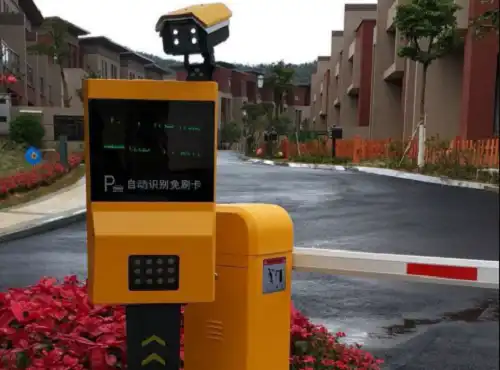
A high accuracy LPR parking system has many parts that all work together. The image sensor, which is usually a global shutter CMOS unit with a resolution of 4MP or higher, gets rid of motion noise for cars going up to 40 km/h. Built-in infrared and white light LED strobes provide light in a variety of settings, and Smart Image Signal Processing can handle a wide range of conditions, such as direct sunlight or headlight glare.
The recognition engine uses Convolutional Neural Networks that were taught on millions of plate pictures, some of which were damaged, dirty, or hard to see. Edge computing architecture processes data locally on the camera hardware. This keeps latency below 150 milliseconds and makes sure that the camera can keep working even when the network goes down. Systems like the ZOJE-LPR101 can recognize 99% of plate types from around the world, including those from Europe, the Middle East, Asia, and South America.
Benchmark Performance in Real-World Environments
Enterprise-grade options are different from consumer goods when it comes to performance metrics. Top systems stay accurate ≥99.5% of the time even when conditions are tough, like rain, fog, working at nite, or plates with mud buildup. Recognition speed of less than 200 milliseconds guaranties continuous vehicle flow, which is very important for facilities with a lot of traffic. The 70-degree wide-angle lens can handle complicated entry geometries like short approach distances, multiple-lane entries, or plate presentations at an angle, all without affecting the accuracy.
Key Features and Benefits of High Accuracy LPR Parking Systems
Automated Access Control and Operational Efficiency
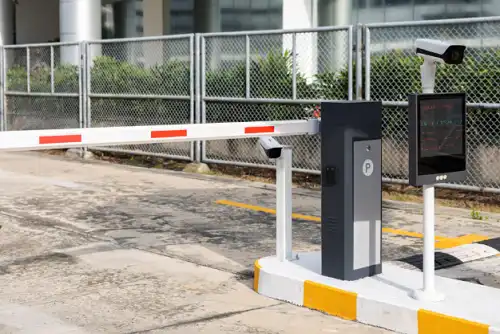
To cut down on labor costs and boost productivity, modern parking lots need to be automated. An LPR parking system with high accuracy gets rid of the need for human tickets, so cars can enter and leave without stopping. The front-end recognition architecture instantly processes plate data, setting off barrier gates or recording timestamps without relying on a back-end server. This system can handle network delays or downtime, so it can keep working around the clock.
Centralized management platforms that show real-time occupancy, transaction histories, and income data are helpful for operators. Integration with payment gateways makes cloud-based billing possible. Users are charged through mobile alerts that are tied to their license plates. The system cuts down on operational labor costs by a large amount and makes users happier by making their experiences smoother.
Enhanced Security and Multi-Attribute Recognition
Advanced systems can recognize more than just license plates. They can also tell what kind of car it is by its color, brand, and model. The ZOJE-LPR101 can recognize more than 150 car logos and 1,500 vehicle types, which lets you charge different amounts for busses, freight trucks, and private cars. This feature lets you set up complicated payment systems and makes things safer by instantly identifying cars that aren't supposed to be there or plates that are on a blacklist.
When security databases are linked, automatic alerts are sent when vehicles of interest enter facilities, especially with a high accuracy LPR parking system. Forensic data from video footage recorded during each transaction helps with investigations into incidents, and anti-tailgating algorithms find multiple vehicles trying to enter with the same authorization.
Adapting to Environmental Challenges
Environmental factors usually make classification less accurate, but new methods include ways to fix this problem. Ultra-wide dynamic picture optimization changes the exposure and contrast on the fly, so it can deal with glare or uneven plate illumination. Weatherproof shelters with ratings of IP66 or IP67 can handle rain, snow, and dust, and they keep the optics clear with sealed lens systems and heated screens that keep condensation from forming.
Deep learning models that were trained on damaged plate images can re-create characters that are hidden, and they can do this with accuracy even when 15-20% of the image is blocked by dirt or damage. Dual-shutter technology automatically changes between color and black-and-white modes to take the best pictures at any time of day or nite.
Solid-state parts and LED lights that last more than 50,000 hours mean that maintenance needs are kept to a minimum. The systems can do remote diagnostics through network connections. This lets technical teams fix problems without having to go to the installation site, which is very helpful for installations that are spread out in different areas.
Comparing High Accuracy LPR with Other Parking Systems
Performance Against Standard LPR and RFID Solutions
In ideal situations, standard LPR systems are accurate 90–95% of the time, but they lose accuracy quickly when the weather is bad or there isn't enough light. High accuracy versions keep ≥99% recognition by using better imaging hardware and AI to improve the images. RFID systems need vehicles to carry tags, and read failures can happen if the tags are damaged or not installed correctly. LPR, on the other hand, works without any user action.
Installation difficulty varies a great deal. RFID needs precise loop placement and logistics for tag distribution, while LPR only needs cameras to be mounted at entry points. Because LPR doesn't need consumable tags and doesn't need as much gear upkeep, it saves money on operational costs. But RFID might work well in closed spaces like employee parking, where it's easy to manage tags.
Cost-Benefit Analysis for Enterprise Deployments
The total cost of ownership includes more than just buying tools. An LPR parking system with high accuracy gets rid of the need for ticket printer maintenance, paper stock, and the work that goes along with it. Lost tickets no longer cost money, and automated billing makes it easier to get paid. Scalability turns out to be easy—adding lanes only needs more camera units, not major changes to the infrastructure.
When buying something, you should think about how much it can handle during high traffic times and whether it will work with other access control systems. ZOJE's products, which support secondary development and OEM customization, can be integrated with private management systems. This lets you keep the software you already have while adding new hardware features.
Suitability Across Facility Types
Airports and government buildings put security and efficiency first, which is why high accuracy LPR parking system options are perfect because they are fast and can connect to databases. Commercial centers care about the customer experience, which is why they don't require tickets and accept payments from phones. In residential areas, reliable whitelist/blacklist management is needed, as well as overnight operation in underground buildings with little lighting. This is where front-end recognition and offline functionality come in handy.
Procurement Guide: How to Choose and Buy High Accuracy LPR Parking Systems
Defining Your Operational Requirements
A thorough needs survey is the first step to successful buying. Figure out the needed processing capacity by figuring out the peak hourly vehicle volumes. Take a look at the natural issues, like being outside and needing weatherproof ratings, installing something underground with artificial lights, or having multiple entryways that need wide-angle coverage. Due to limited funds, the initial cost of hardware must be weighed against the potential for long-term cost saves and increased income.
Make clear the technical requirements, such as the minimum level of accuracy needed for recognition, the maximum amount of time that can be spent processing, the plate formats that can be used in your area, and how they must be integrated with your current management software. List the customizations you need, such as branding needs for OEM installs, unique reporting features, or the ability to connect to third-party payment providers.
Evaluating Vendor Credibility and Support Services
Vendor selection goes beyond just choosing a product. Check that the product is certified to ISO 9001:2015 and meets local standards such as CE, FCC, or RoHS. Look at patent portfolios that show real technology development instead of just reselling generic products. Ask for case studies from similar types of facilities that show how well they've worked in the past.
Support after the sale is very important for long-term success of a high accuracy LPR parking system. Find out if the vendor offers technical support 24 hours a day, seven days a week, across all time zones. This is especially important for international deployments. Installation instructions should include site surveys, suggestions for where to put hardware, and services for commissioning. For business systems, the warranty lasts for two years, but make sure you check the coverage details if you use the system a lot or in harsh conditions.
ZOJE's strategy includes yearly trips to clients to talk about product success and changes in the market in person. This goes beyond just doing business with clients and builds stronger partnerships. This interaction model helps find ways to improve things and makes sure that systems change to meet new practical needs.
Understanding Pricing Models and Delivery Terms
There are different pricing systems for buying software directly, leasing software, and subscribing to software services. Figure out the total cost of ownership, which should include setup, training, ongoing maintenance, and software updates. Multi-site setups get volume savings, but customization features cost more to build because they are more complicated.
Delivery times affect when projects get done. Standard hardware usually ships between 5 and 7 days, while engineering and production for custom solutions take 10 to 15 days. When you buy something from another country, the logistics terms (FOB, DDU, or DDP) affect the landing costs and customs duties. Make sure you understand the payment terms, required deposits, and payments based on milestones for big tasks.
Integration and Implementation of High Accuracy LPR Parking Systems
Technical Integration with Existing Infrastructure
For deployment to go well, it needs to be easy to connect to parking management platforms. TCP/IP for network connection, Wiegand 26/34 for access control integration, RS485 for compatibility with legacy hardware, and REST APIs for building custom software are all supported by modern high accuracy LPR parking system options. Whether you use SQL-based systems or cloud platforms, the formats you use to exchange data should match the schemas of your databases.
During the proof-of-concept process, compatibility testing makes sure that the integration works before the full release. The system needs to keep data on the whitelist and blacklist in sync, send transaction records in real time, and get remote setup changes. For analysis in business intelligence tools, the reporting feature should be able to send data in standard forms like CSV, JSON, or XML.
Physical Installation Best Practices
Site studies figure out where the best cameras should be placed to get the best picture quality and coverage. Plate angle and lighting are affected by mounting height; a height of 3–4 meters usually gives the best view. The required lens focal length is based on the lane width and approach speed, and the lighting study determines the additional lighting needs.
Installation standards are based on following local laws, especially when it comes to data privacy and video security alerts. Standards for security, like IEC 60529 for ingress protection ratings, make sure that things last a long time outside. When routing cables, they need to be protected from damage and electromagnetic interference so that power and network connections stay safe.
Case studies from the real world show results that can be measured. A big airport launch cut the average wait time to get in from 45 seconds to less than 10 seconds, and it got rid of the need to maintain registration equipment, which cost more than $50,000 a year. During a six-month evaluation time, a business complex said that the recognition system worked perfectly across all 12 entry lanes, handling over 8,000 transactions every day with no help from an operator.
Conclusion
Choosing the right parking automation technology can make high-volume sites more efficient and improve user happiness. A high accuracy LPR parking system works above 99% of the time, no matter the weather, lighting, or plate conditions, giving businesses the accuracy, speed, and dependability they need. The technology gets rid of bottlenecks by processing vehicles nonstop, cuts costs by getting rid of ticketing supplies that need to be replaced often, and raises security by tracking vehicles in real time and integrating databases. To be successful with procurement, you need to carefully consider your needs, evaluate vendors based on their technical support and ability to make changes, and carefully plan how everything will fit together. Front-end recognition design, support for multiple plate formats, and OEM flexibility are some of the features that make solutions like the ZOJE-LPR101 useful for system integrators and facility owners around the world.
FAQ
1. What factors affect LPR system reliability in enterprise deployments?
The main problem is the weather. Rain, snow, fog, and very high or low temperatures all lower the quality of the images. These are stopped by high-accuracy systems that have weatherproof housings, heated lens assemblies, and AI algorithms that were trained on images that have been damaged. Quality hardware is important. For example, global shutter sensors stop motion blur, and industrial-grade parts can handle high and low temperatures and continued use. Network design affects how reliable a system is. Front-end recognition systems like the ZOJE-LPR101 keep running even when the network goes down thanks to processing and storage that are built in.
2. How does high accuracy LPR improve operations over traditional ticketing?
Traditional systems are slow because tickets and payments have to be processed physically, which often leads to long lines during busy times. With LPR, these connections are gone, and the usual time to enter drops from 30 to 45 seconds to less than 10 seconds. Automated billing linked to license plate records helps bring in more money and stops losses from lost tickets. As workers move from completing transactions to handling errors and keeping an eye on the system, their hourly rates go down. Frictionless experiences, like not having to handle cards or keep tickets, make users happier.
3. Can these systems accommodate extensive customization for enterprise-level projects?
Both the hardware and the software on modern systems can be changed to meet specific operating needs. Custom enclosure colors, built-in signage, or special mounting brackets are examples of hardware changes. Customizing software means adding your own logo to the user interface, making it work with your own management systems, and making the billing logic your own. Companies like ZOJE that offer OEM/ODM services offer development support that lets you integrate things deeply, going beyond standard API links. This is very important for system designers who are making complete solutions for government or business clients.
Partner with a Trusted High Accuracy LPR Parking System Manufacturer
ZOJE specializes in providing enterprise-level automated parking solutions, including a high accuracy LPR parking system, that meet the strict needs of facility owners and foreign system integrators. Our top-of-the-line ZOJE-LPR101 can recognize 99% of objects around the world. It supports front-end processing, offline operation, and full customization by changing both hardware and software. We guaranty reliable performance in even the most difficult deployments with ISO 9001:2015 approval, multiple technical patents, and technical help available 24/7 around the world. Standard goods are shipped in 5 to 7 days, while customized solutions are sent out in 10 to 15 days, which works for projects with tight deadlines. Our team visits clients once a year to strengthen relationships and keep up with changing market needs. ZOJE has the technical know-how and flexible working arrangements to make sure your project succeeds, whether you need OEM branding, secondary development support, or full integration help. Email our team at info@zoje-tech.com to talk about your specific needs, get technical specs, or set up proof-of-concept testing. Find out how our high accuracy LPR parking system solutions can change the way you manage your parking by giving you better recognition performance and a wide range of support services. You can see all of our products and read full technical information by going to zoje-parking.com.
References
1. International Parking & Mobility Institute. (2023). Automated Parking Technology Standards and Best Practices for Commercial Facilities. IPMI Technical Report Series.
2. Zhang, L., & Chen, M. (2022). Deep Learning Applications in license plate recognition systems: A Comprehensive Review. Journal of Intelligent Transportation Systems, 26(4), 412-431.
3. European Parking Association. (2024). Comparative Analysis of Access Control Technologies for High-Volume Parking Facilities. EPA Industry White Paper.
4. National Institute of Standards and Technology. (2023). Performance Metrics for Optical Character Recognition in Transportation Applications. NIST Special Publication 500-341.
5. World Parking Federation. (2023). Global Survey on Parking Automation Technologies: Adoption Trends and ROI Analysis. WPF Annual Research Report.
6. American Society of Civil Engineers. (2022). Infrastructure Integration Guidelines for Smart Parking Systems in Urban Environments. ASCE Standards Committee Publication.

Send Inquiry
You may like



Related Industry Knowledge
- LPR Cameras: Benefits, Use Cases, and What to Look For
- Traffic Control Barrier Gate Features and Design
- What Is Fast Access Boom Barrier? Speed & Features
- Is Unattended Access Control Turnstile Reliable?
- Benefits of Unattended License Plate Recognition Tech
- What Is a High Accuracy LPR Parking System? Complete Guide
- What Is an Offline LPR Parking System?
- Why License Plate Recognition Camera Improves Parking Security?
- What Is an Integratable LPR Parking System?
- Developer-friendly ANPR Software: Complete Integration Guide