
What is an LPR Camera? A Comprehensive Guide
2026-09-10
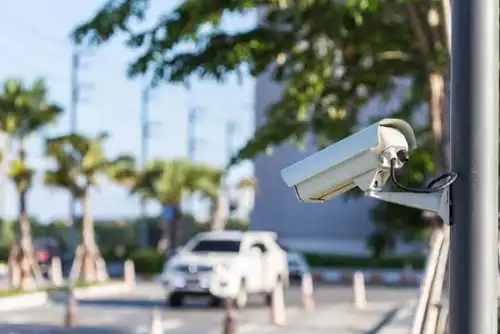
An LPR camera for parking management is a specialized imaging device engineered to automatically capture and convert vehicle license plate information into digital data using advanced Optical Character Recognition (OCR) technology. Unlike standard surveillance cameras, these systems integrate high-resolution sensors, intelligent algorithms, and adaptive lighting to ensure accurate plate reading across diverse environmental conditions—from underground garages to outdoor lots exposed to rain or direct sunlight. The technology addresses critical operational challenges: eliminating manual ticketing errors, reducing traffic congestion through barrier-free access, preventing revenue loss from fraudulent activities, and significantly cutting labor costs. Modern LPR systems achieve recognition rates exceeding 99%, making them indispensable for brands seeking scalable, reliable parking automation solutions.
Understanding LPR Camera Technology
At their core, license plate recognition systems are made up of both precise hardware and smart software. Starlight-level CMOS sensors and global shutter systems in these cameras allow them to take clear pictures even when cars are going up to 40 km/h. The optical design includes fixed-focus lenses that are calibrated for particular mounting lengths, usually between 3 and 6 meters from the front bumper of the car. This makes sure that license plates take up enough space for accurate character extraction.
Key Components That Drive Accuracy
CNN (Convolutional Neural Network) speeding engines are built right into the device, so processing and analysis can happen in real time without having to use computers outside the device. This front-end recognition method gets rid of network latency problems, which is very helpful in situations with a lot of traffic or unstable connections. The system's smart ISP (Image Signal Processor) changes exposure, contrast, and white balance automatically based on the lighting around it. Specialized LED fill lights with smart brightness control make up for low light or headlight glare.
How OCR Transforms Raw Images Into Data
When a car drives into the camera's detection area, the system takes several pictures and uses edge recognition techniques to separate the license plate area. Characters are separated into groups and matched against trained neural network models that can recognize different plate formats, such as vanity plates, temporary registrations, and numbers that are only partially visible. Modern systems like the ZOJE-LPR201 can handle more than 150 car brands and 1,500 models. This lets you charge different amounts for sedans and industrial trucks using classification-based billing.
Benefits of Using LPR Cameras for Parking Management
Using automatic plate recognition makes operations better in a number of ways that can be measured. Right away, you can protect your revenue because the system stops people from trading tickets and makes sure that every vehicle's entry and exit timestamp is recorded with picture proof. Parking lot owners say that arguments about payment mistakes or lost tickets have dropped by 30 to 50 percent.
Operational Efficiency Gains
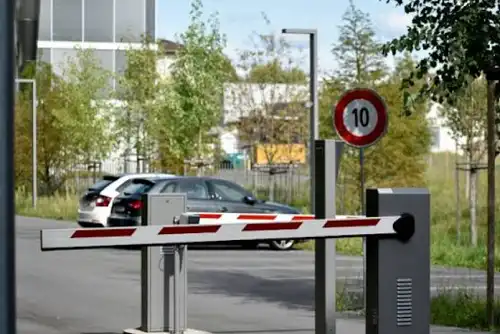
The speed of traffic goes up a lot because drivers don't have to stop to get paper tickets or wait for barrier arms. The average transaction time drops from 8 to 12 seconds to less than 2 seconds when entry and exit handling is done all the time. This means that during busy times at airports or shopping malls, hundreds more vehicles can be served every hour without having to build more infrastructure. The technology works with current barrier gates by using the Wiegand protocol or relay outputs to connect and open automatically when a whitelisted plate is identified.
Enhanced Security and Data Insights
Real-time blacklist matching lets security staff know when cars with unpaid fines or security worries try to get in, a feature built into the LPR camera for parking management. Connecting to the cloud allows for centralized monitoring across multiple sites. This lets facility managers look at patterns of occupancy, find areas that aren't being used, and find the best pricing strategies. There is an embedded 18.5-inch LCD screen that can show personalized messages, advertising material, or payment QR codes. This can bring in more money and make the user experience better.
Cost Reduction Across the Board
Labor savings are big because automated systems don't need as many workers as booths that are staffed 24 hours a day, seven days a week. Modern systems use solid-state parts, so there are no moving parts in the camera unit itself. This means that maintenance costs stay low. The IP64-rated high-strength carbon steel housing of the ZOJE-LPR201 protects it from temperature extremes from -20°C to +60°C without losing performance, so it can be used reliably in outdoor setups in a variety of conditions.
Comparing LPR Cameras with Other Parking Technologies
People in charge of making decisions about access control solutions often compare automated license plate readers to other technologies. RFID card systems need every user to carry a real tag. This makes things more difficult for guests and adds to the costs of replacing cards that get lost or damaged. RFID works well for closed employee parking, but it can't find vehicles that aren't supposed to be there or let temporary customers park without first registering.
LPR Versus Traditional CCTV
Standard CCTV cameras are good for keeping an eye on things, but they don't have the computer ability to get useful information from license plates. Adding LPR cameras makes a system that works with general security cameras to watch what's going on in the whole building while specialty plate readers handle billing and controlling access. Some parking lot owners start out by using simple cameras and server-based recognition software. However, this design has two major problems: network bandwidth issues during busy times, and the whole system stops working if the server hardware or connections go bad.
Edge Processing Advantages
Front-end recognition tools and other edge-based systems handle all data on the camera itself. Compared to video streaming designs, the device only sends text lines and small metadata files to the central control system. This makes the network 95% less busy. This design makes sure that vehicles can still enter and leave even if the central computer goes offline for a short time. This is because the system saves transaction records locally on the TF card slot (which can hold up to 512GB) and syncs them when connectivity is restored.
Cost-Effectiveness for OEM Brands
Procurement managers who work with OEM business models really like systems that can be fully customized. When selling to end users, being able to add custom logos to firmware interfaces, boot screens, and physical housing protects the brand's identity. Integrating with proprietary billing software or loyalty programs is possible with systems that support secondary development through RESTful APIs and SDK access. This keeps you from being locked into a single vendor and protects your profit margins, which in local markets are usually between 30 and 50 percent.
Installing and Maintaining LPR Cameras in Parking Facilities
A thorough site assessment is the first step to a successful deployment. Mounting heights are usually between 2.5 and 4 meters, and the camera should be set up to take pictures of plates at an angle below 30 degrees vertically to avoid distortion. The horizontal distance from the vehicle's approach line shouldn't be more than 30 degrees. Installation teams have to follow the rules for mounting plates in their area. For example, some places require plates to be mounted higher on trucks, which means cameras need to be able to adjust their angles or have two lenses.
Power and Network Integration
Modern systems can work with a wide range of AC voltages (110–240V±10%) and don't use a lot of power—usually less than 60W when LED fill lights are included. PoE+ (Power over Ethernet) options make installation easier by sending both data and power over a single Cat6 cable. This cuts down on the time and cost of materials needed for installation. TCP/IP is used for network connectivity, and RS485 is used for legacy systems. This makes sure that the communication works with the current parking control infrastructure.
Calibration for Maximum Recognition Rates
After installing the camera physically, workers set up detection zones within its field of view for the LPR camera for parking management. These zones define the exact places where license plate recognition works. When you change the white balance, it takes into account the difference between artificial lighting in underground garages and natural daylight in outdoor lots. Motion blur reduction and low-light sensitivity are balanced by shutter speed tuning. The ZOJE-LPR201's starlight-level sensor keeps color images even at 0.01 Lux, which gets rid of the washed-out infrared look that comes with older systems.
Maintenance Protocols That Protect Uptime
As part of regular upkeep, the lenses are cleaned every three months to get rid of dust, bug droppings, and other environmental pollutants that hurt the quality of the images. By using remote management platforms to send firmware updates, manufacturers can add support for new plate formats or improve recognition algorithms without having to send a technician to the site. Storage devices, such as TF cards, should be checked once a year and changed if they are getting close to their size limits. The smart diagnostics in the system check the health of each component and send notifications when problems like LED failure or network disconnections happen. This lets users do preventative maintenance before service interruptions happen.
Professional technicians say that recalibration sessions should be done once a year, especially for outdoor setups where changes in the sun's angle affect the lighting. Modern systems can be installed in tricky places, like wide entry ways or places where cars come from different directions, thanks to their 70-degree wide-angle feature. However, they need to be adjusted on a regular basis to make sure they keep working at their best as parking plans change.
Making an Informed Procurement Decision
When choosing the right vehicle identification system, you need to look at more than just the price. The total cost of ownership includes labor for installation, changes to the network infrastructure, ongoing fees for cloud services, and support contracts. When buying things for OEM brands, procurement professionals should also check how much customization is available. Just putting a name on the outside isn't enough if end users find the original manufacturer's branding in software interfaces or system logs.
Supplier Credibility and IP Protection
Manufacturers that have been around for a while and have ISO 9001:2015 certification have quality management systems that can make sure that production standards are met in every batch. Patent files show real R&D spending, not just copies of other ideas. Brand partners are protected from market uncertainty when the maker sells the same goods to multiple wholesalers in the same area. This is done through non-compete agreements and regional exclusivity terms. Sharing licensing paperwork (CE, FCC) makes it easier to get goods through customs and speeds up the time it takes to get products on the market in other countries.
Scalability and Trial Order Flexibility
It's rare for large-scale operations to start with full resolve. Flexible MOQ policies that let you place initial orders of 100 to 500 units let you test the market before committing a lot of money. Operational consistency is maintained by adding sites to operations without having to renegotiate contracts or switch systems. Scaling from 5 locations to 50 locations doesn't have to be as hard on the technology when you use cloud management tools that let you watch multiple sites from a single dashboard.
After-Sales Support That Safeguards Investment
It's very important to have technical support available 24 hours a day, seven days a week, across multiple time zones. Manufacturers that offer online diagnosis, firmware rollback, and video call assistance help keep downtime to a minimum. A two-year warranty with advance replacement options keeps the business running. If a camera breaks, the supplier sends a replacement before the broken one is sent back, so the business doesn't have to do everything by hand for days. Every year, expert teams from suppliers come to your site to show that they are committed to a partnership rather than a transactional relationship. These trips also give you a chance to talk about how to improve your system and plan for future growth.
Conclusion
Today's automated parking lots need technology that is reliable, smart, and flexible for businesses, and the LPR camera for parking management solves basic operating problems by getting rid of mistakes made by hand, speeding up traffic, protecting income, and lowering the need for workers. Moving toward edge-based processing design makes sure that systems can still work even when the network goes down and greatly simplifies the infrastructure. Parking equipment makers can fight well in regional markets while keeping healthy profit margins by picking solutions that allow full OEM customization, offer flexible trial quantities, and come with strong IP protection. As parking lots around the world move from old manual systems to fully automated ones, choosing the right technology partner becomes a strategic decision that affects both short-term operational efficiency and long-term competitive positioning.
FAQ
1. Can These Systems Read Plates on Vehicles Moving at Highway Speeds?
In parking lots, cars usually go between 0 and 40 km/h, which modern cameras can handle without motion blur by using global shutter sensors. To take pictures at highway speeds (80 km/h or more), you need special setups with faster camera speeds and more powerful processors. However, this level of performance isn't needed in a parking lot, where speed bumps and turning circles naturally slow down vehicles.
2. How Do Systems Handle Dirty or Damaged Plates?
Deep learning algorithms that have been taught on millions of plate pictures can figure out what characters are missing by looking at the background and seeing some of them. Instead of just matching templates, neural networks find character forms even if parts of them are covered up by damage, dust, or light. The system gives a confidence score. If recognition goes below a certain level (usually 85%), the system marks the transaction as needing to be reviewed by a person instead of guessing wrong.
3. What Happens During Power Outages?
When power goes out for a short time, battery backup systems or UPS integration keep things running. The TF card storage keeps all records of transactions even if the power goes out for a long time. When the power comes back on, the system instantly syncs data that was buffered with the central management platform. This makes sure that no activities are lost when the infrastructure goes down.
Partner with a Trusted LPR Camera for Parking Management Supplier
ZOJE specializes in providing fully customizable automated parking solutions, including the LPR camera for parking management, for OEM brands and local companies that sell parking equipment. Our ZOJE-LPR201 model has 99% recognition accuracy and front-end processing that doesn't depend on the network. This makes sure that it works reliably in a wide range of settings. We allow full customization of both hardware and software, including housing logos and boot animations as well as API interaction with third-party payment platforms. This keeps your brand's name safe throughout the entire customer experience.
You can test the market fit with flexible trial orders starting at 100 units before going big. Our regional exclusivity agreements and non-compete protections will keep your investment safe. Fast shipping (10–15 days for custom orders) and full technical help 24 hours a day, 7 days a week make sure that your deployments stay online and make you money. Our production is ISO 9001:2015-certified, and we have multiple patents that show how well-engineered each unit is.
Find out how ZOJE can help you speed up the development of your parking robotic products without spending money on research and development. You can email our team at info@zoje-tech.com to talk about OEM partnership possibilities and get technical specifications that are special to your area.
References
1. Zhang, H., & Liu, M. (2021). Advances in Automated License Plate Recognition: Deep Learning Approaches and Real-World Applications. Journal of Intelligent Transportation Systems, 35(4), 412-429.
2. European Parking Association. (2022). White Paper: The Economic Impact of Automated Parking Management Systems in Commercial Facilities. Brussels: EPA Publications.
3. Kumar, R., & Singh, P. (2020). Comparative Analysis of Edge Computing Versus Cloud-Based Architectures in Vehicular Recognition Systems. International Conference on Computer Vision Applications, 78-91.
4. International Organization for Standardization. (2019). ISO/IEC 24767: Information Technology — Automatic Identification and Data Capture Techniques — RFID and LPR Integration Standards. Geneva: ISO Press.
5. Transportation Research Board. (2023). NCHRP Report 945: Deployment Strategies for Automated Vehicle Identification in Multi-Level Parking Structures. Washington, DC: National Academies Press.
6. Chen, W., & Rodriguez, A. (2022). Neural Network Optimization for Real-Time Character Recognition Under Adverse Weather Conditions. IEEE Transactions on Intelligent Transportation Systems, 23(8), 9834-9847.

Send Inquiry
You may like


Related Industry Knowledge
- All-in-One LPR Machine for Smarter Parking Access Control Systems
- Automatic Parking Payment Terminal: How It Improves Smart Parking
- Entry Ticket Dispenser and Card Reader System: Complete Guide
- How does High Speed Folding Arm Boom Barrier work
- How to choose a uhf rfid tag reader? How does it work?
- Car Parking Kiosk: A Modern Solution for Efficient Parking Management
- How a Parking Payment Kiosk Works: A Step-by-Step Guide
- OEM Interlocking Full-Height Turnstile Gate Guide
- How Anti-Collision Flap Turnstile Gate Works Safely?
- Top Benefits of Collision-Proof Boom Barrier Systems